Advanced structural components and industrial plant solutions engineered for high durability, structural load resilience, and fast-track deployment.
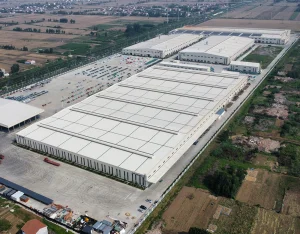
A B2B technical guide and macro perspective on the engineering, design, and deployment of prefabricated industrial steel building systems.
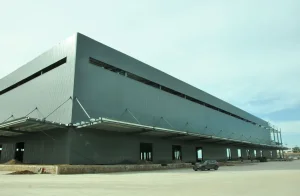
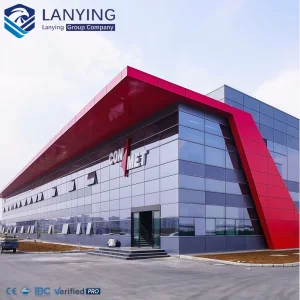
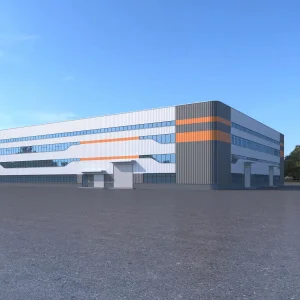
The global landscape of industrial manufacturing demands speed, structural resilience, and architectural flexibility. Modern manufacturing plant buildings are no longer mere envelopes for machinery; they are highly integrated, optimization-driven structural systems designed to handle dynamic mechanical loads, thermal variations, and stringent local environmental building codes. As exporters of pre-engineered metal buildings (PEMB), the integration of structural design with functional layouts remains the single most critical factor in driving long-term ROI.
The industrial construction sector is undergoing a profound transition governed by three major forces: automation integration, carbon footprint minimization, and prefabricated design models.
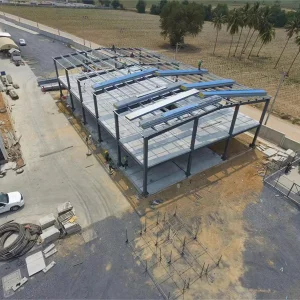
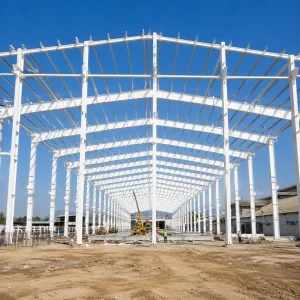
B2B buyers prioritizing durability and structural integrity require clear insight into the structural profiles and load parameters. A typical high-specification pre-engineered metal warehouse or manufacturing plant consists of primary frames, secondary frames, and cladding options tailored to regional seismic and atmospheric load data.
Fabricated from High-Strength Q355B or Q235B (comparable to ASTM A572 Grade 50/A36). Optimized built-up H-sections are calculated using FEA (Finite Element Analysis) software to distribute load paths efficiently.
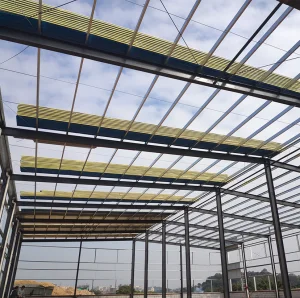
Galvanized C and Z purlins, girts, and structural bracing. These elements increase the lateral stability of the building envelope, accommodating high-velocity wind loads exceeding 250 km/h in hurricane-prone zones.
Offered in high-mil thickness shop primer, polyurethane finish paints, or Hot-Dip Galvanization (minimum coat thickness to EN ISO 1461 standards). Essential for chemical processing and marine environments.
In high-capacity facilities, building design incorporates composite floor decks, crane runaway beams, and robust portal frames. Roof monitors and continuous ridge ventilators are integrated to encourage natural convective airflow, reducing active ventilation requirements.
Custom configurations for chemical processing, material logistics, infrastructure, and heavy manufacturing.
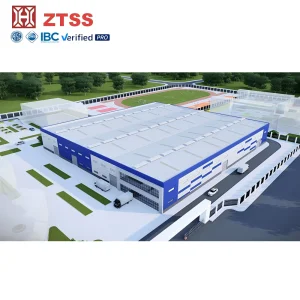
Large-scale industrial park developments necessitate master-planned design and manufacturing standardization. By developing unified design patterns for workshop warehouses, administrative spaces, and mechanical plants, project owners save up to 25% on material procurement costs. Turnkey modular configurations allow building systems to be grouped and integrated with central utilities.
Furthermore, industrial park layouts can be structurally optimized to support solar PV roof installations. With load capacity limits calculated beforehand (often adding an extra 15-20 kg/m² to the dead load of the roof structure), these buildings become self-sustaining power plants.
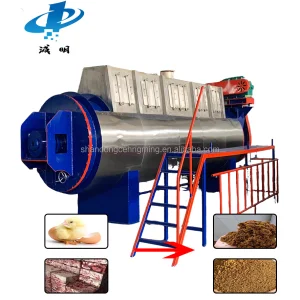
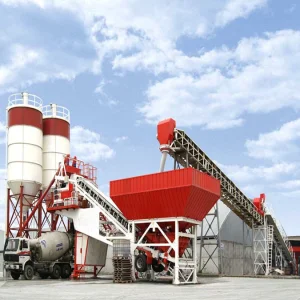
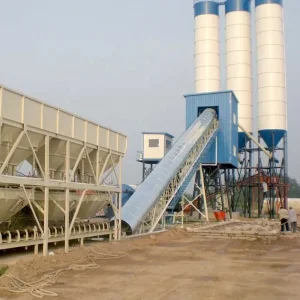
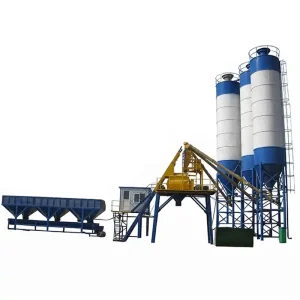
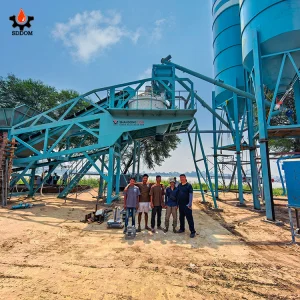
Beyond standard steel framing, exporters specialize in complete industrial process integration. For instance, stationary and mobile concrete batching plants require heavy-duty structural tower frameworks engineered to absorb high-frequency vibration and support heavy silo loads. Similarly, specialized organic waste processes like feather meal rendering plants require corrosion-resistant, airtight panel systems and complex pipe gantries designed directly into the steel building envelope.
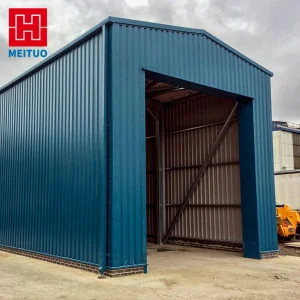
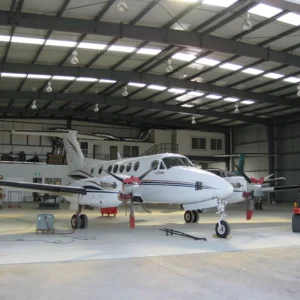
Logistics centers and hangars require large clear spans to allow aircraft, cargo handling machinery, and high-density racking networks to navigate without obstruction. Utilizing advanced truss designs, high-strength space frames, or customized web-tapered primary frames, designers can achieve clear spans exceeding 90 meters without intermediate columns.
These long-span buildings utilize specialized structural bracing systems and high-strength tension rods to counter temperature-induced steel expansion and contraction over extensive linear distances.
A Professional China Pre-Engineered Metal Building Manufacturer and Global Industrial Solution Exporter.
The company offers a wide range of products, including pre-engineered metal buildings, industrial steel structures, steel warehouses, manufacturing plants, logistics centers, commercial buildings, workshop facilities, and custom-engineered construction solutions. Designed to meet international standards, these building systems are known for their structural strength, rapid installation, long service life, and excellent cost efficiency.
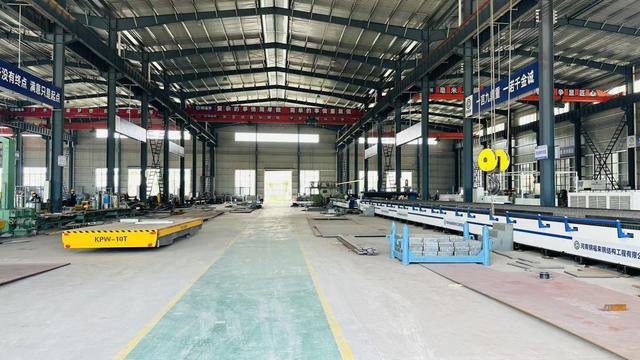
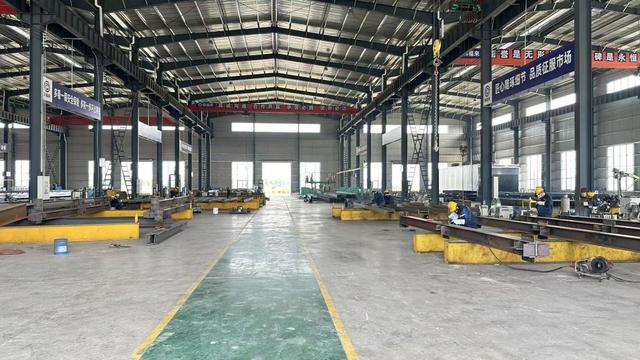
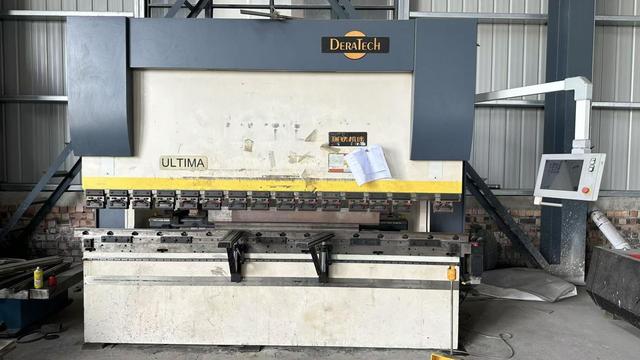
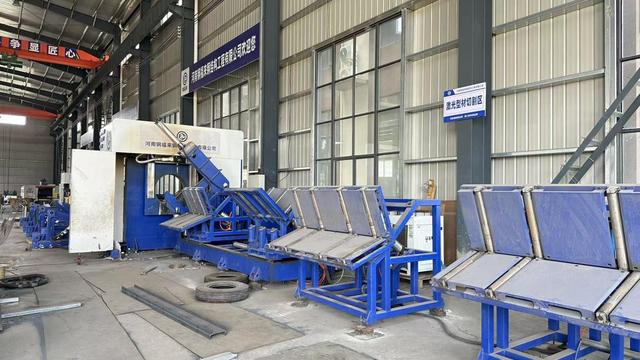
Guangzhou Dhingia Build Co., Ltd. operates modern manufacturing facilities equipped with advanced steel fabrication machinery, automated production lines, and comprehensive quality inspection systems. Supported by an experienced team of engineers, designers, and project managers, the company provides one-stop services covering project consultation, structural design, engineering analysis, manufacturing, quality control, and international logistics coordination.
Innovation and quality are fundamental to the company's development strategy. By integrating advanced design software and precision manufacturing technologies, Dhingia Build delivers reliable steel structure solutions that help customers reduce construction time, minimize labor costs, and improve overall project efficiency. The company's products are widely used in industrial production facilities, warehouses, agricultural buildings, commercial complexes, infrastructure projects, and large-scale storage applications.
Committed to the principles of quality, integrity, and customer satisfaction, Guangzhou Dhingia Build Co., Ltd. has established strong partnerships with clients across Asia, Europe, the Middle East, Africa, and the Americas. The company continues to provide innovative industrial steel structure solutions that support sustainable growth and create long-term value for global customers.
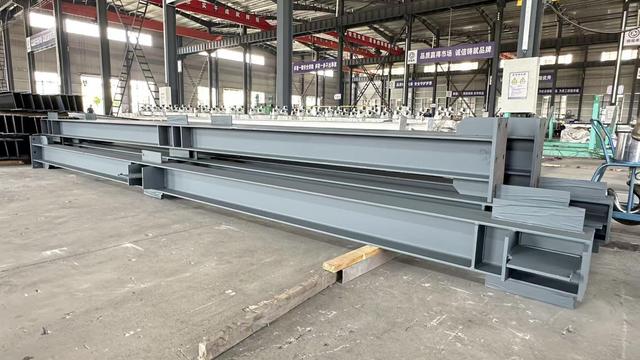
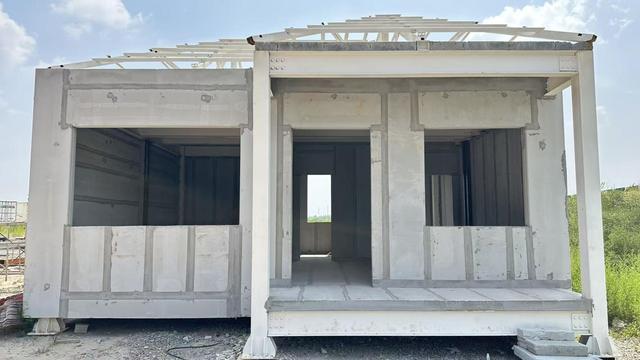
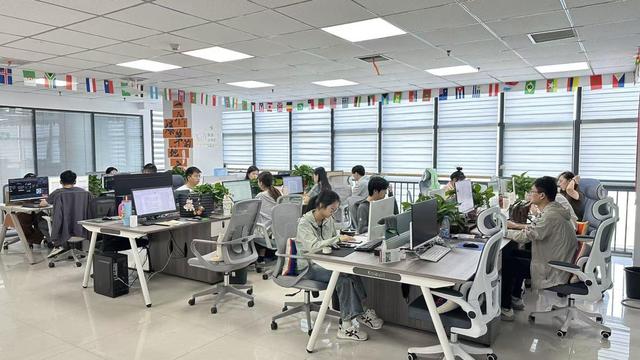
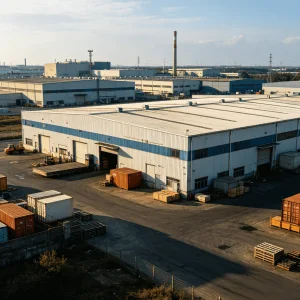
A visual showcase of our global installations, advanced fabrication capabilities, and completed factory complexes.
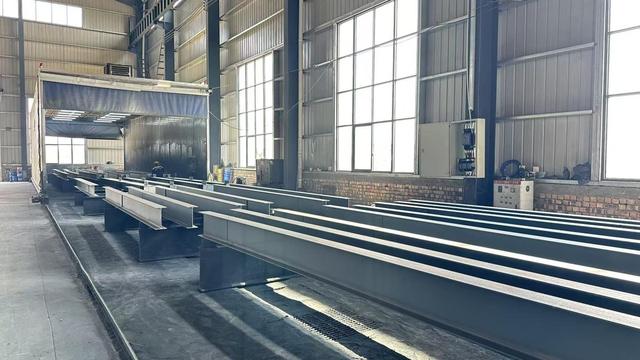
Ensuring structural calculations, fire-resistance, and environmental specifications align with regional building laws.
All fabricated materials meet ISO 9001 quality systems and CE markings (EN 1090 structural steel execution classes). Welder qualifications conform to AWS D1.1/D1.5 standards to guarantee structural joinery under fatigue load.
Structural packages undergo localized stress, wind, and seismic simulation. Standard steel kits are redesigned dynamically to meet high snow load requirements in northern regions, or tropical wind load speeds exceeding 60m/s.
Heavy H-beams and long-span trusses are prefabricated and bundled to fit into standard open-top or 40-foot HQ container sizes. Packing methods include customized cradles to protect paint coating finishes during ocean transit.
BIM integration, sustainable materials, and modularization shaping the next decade of manufacturing facilities.
To maintain competitive leadership, the manufacturing plant industry is adapting high-technology workflows to traditional steel fabrication. The integration of Building Information Modeling (BIM) using tools like Tekla Structures has transformed how exporters coordinate with local general contractors. Every bolt, weld connection, and structural member is detailed in a digital twin prior to production, reducing field fit-up errors to practically zero.
Looking ahead to 2025–2030, we anticipate:
Common questions from global EPC contractors, factory owners, and procurement departments.
Browse our catalog of custom-engineered steel frameworks, batching plants, and industrial complexes.
 Dhingia Build