Engineering & Supply Chain Whitepaper

Multi-Story Steel Buildings Suppliers & Exporter

High-Strength Engineered Metal Structures, Global Building Code Compliance, and Chinese Manufacturing Supply Chain Excellence.

01 / Industry Trends

The Paradigm Shift to Multi-Story Pre-Engineered Steel Structures

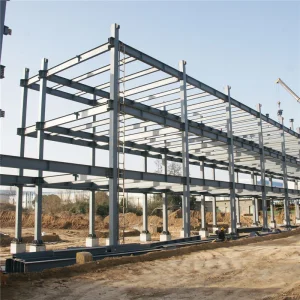
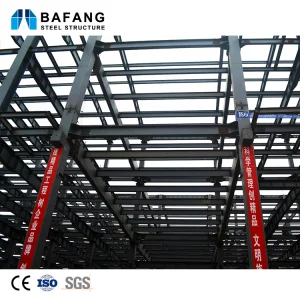
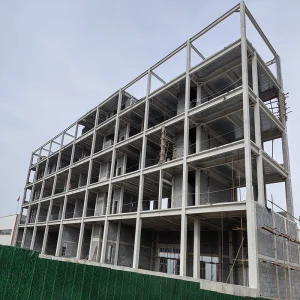
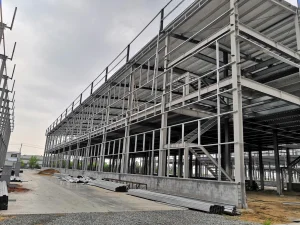
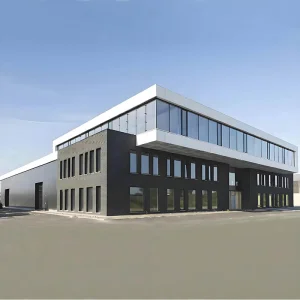
In modern civil engineering, the transition from traditional reinforced concrete to pre-engineered multi-story structural steel systems represents a critical milestone in sustainable development. Driven by urban densification, rapid mobilization requirements, and strict return-on-investment parameters, commercial and industrial enterprises are increasingly prioritizing steel frames.

Structural steel provides an unmatched strength-to-weight ratio, allowing for larger spans, column-free interior spaces, and high design flexibility. According to global construction statistics, prefabricated steel assemblies reduce building weight by up to 50% compared to concrete, resulting in substantially minimized foundation requirements and overall seismic force absorption.

Technical Advantages

High Seismic Resilience

Ductile structural steel frames naturally absorb and dissipate seismic energy. Multi-story systems incorporate specialized moment connections and braced frames to guarantee structural safety under severe seismic loading conditions.

Accelerated Erection Schedules

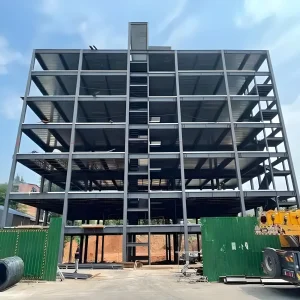
Offsite structural fabrication and precise CNC machining ensure components arrive at the construction site pre-drilled, pre-welded, and numbered, shortening erection timelines by 30-50% compared to traditional on-site concrete casting.

60%+
Faster Onsite Assembly
5+ Years
Comprehensive Warranty
Q355B
High-Strength Steel Alloy
CWB/CE
Certified Welders & Quality
02 / Regulatory & Engineering

Global Compliance & Localized Engineering Integration

Ensuring compliance with localized structural engineering requirements is the main prerequisite for cross-border infrastructure procurement.

American & Eurocode Alignment

We employ state-of-the-art structural calculation tools (e.g., Tekla Structures, SAP2000) to execute rigorous finite element analyses. All engineering designs comply with local building regulations:

  • AISC 360 / ASCE 7: American structural steel specifications and design load calculations.
  • Eurocode 3 (EN 1993): Design of steel structures for EU regions.
  • AS/NZS 1170 & 4100: Australian and New Zealand load and steel structure standards.

Welding & QA Certification

Joint strength is a key factor in multi-story steel safety. Fabrications strictly adhere to the AWS D1.1 (American Welding Society) and EN 1090 structural execution classes:

  • CWB Certified: Canadian Welding Bureau qualification for structural components.
  • CE Certification: Compliance with EU market structural products specifications.
  • NDT Inspection: Non-Destructive Testing (Ultrasonic & Magnetic Particle testing) for all critical penetration welds.

Environmental Adaptation

Our structures are engineered to handle harsh geographical and atmospheric conditions:

  • High-Corrosive Zones: C4/C5 grade industrial coating or Hot-Dip Galvanizing (exceeding 600g/m²).
  • Typhoon/Hurricane Resistance: Dynamic wind uplift structural calculations up to 250 km/h.
  • Thermal Management: Integrates PIR/PU and high-density Rockwool sandwich panel envelopes.
03 / Supply Chain Dominance

Leveraging China's Advanced Steel Fabrication Ecosystem

Guangzhou Dhingia Build Co., Ltd. utilizes China's advanced manufacturing capabilities to deliver high-quality steel structures to global markets. By securing direct raw material supply contracts from leading state steel mills (such as Baosteel and Ansteel), we ensure chemical composition consistency and trace certification for every plate, section, and profile.

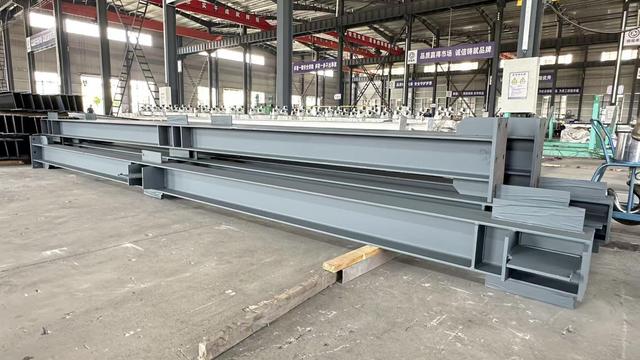
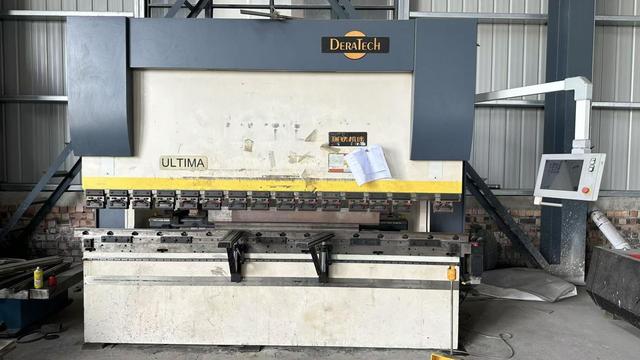
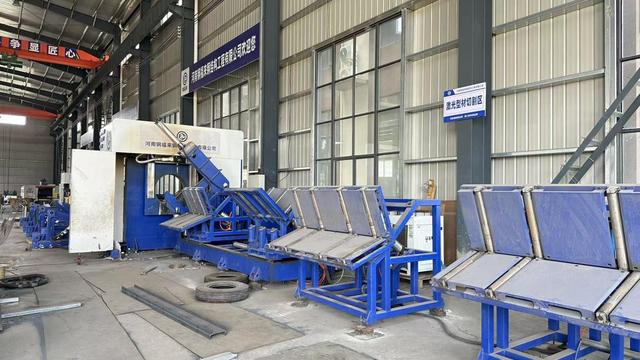
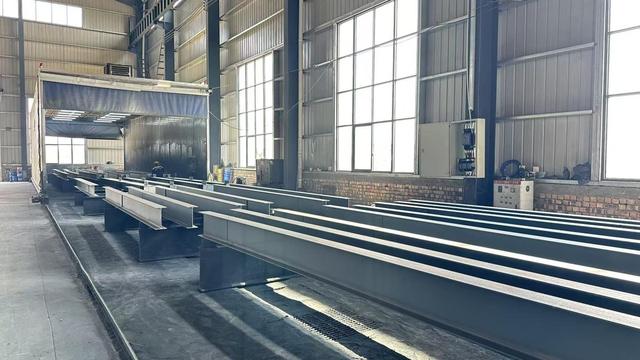
Our automated fabrication plant features multi-axis CNC plasma cutting, automated H-beam production lines, and advanced robot-guided welding stations. This technological integration reduces manual error rates to less than 0.5mm, ensuring fast and smooth assembly when the structural steel frame arrives at your global jobsite.

Logistics Optimization: Strategic proximity to major international ports (Guangzhou and Shenzhen) allows us to optimize packaging configurations, minimizing container space waste and securing cost-effective shipping options to ports worldwide.

Procurement Matrix Comparison

Key Parameter Dhingia Build (China) Traditional Onsite Concrete
Erection Speed Highly Accelerated (Weeks) Slow (Months, Curing required)
Weight Impact Lightweight (Optimized Foundation) Heavy (Substantial Piling Required)
Code Certification CWB, CE, EN1090, ISO9001 Subject to Local Site QA Variance
Material Circularity 98% Recyclable Green Material High Demolition/Landfill Footprint
Corporate Profile

Guangzhou Dhingia Build Co., Ltd.

A professional pre-engineered metal building manufacturer specializing in industrial steel structure solutions for customers around the world.
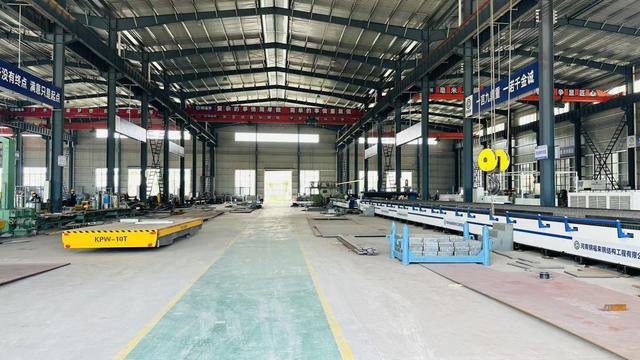
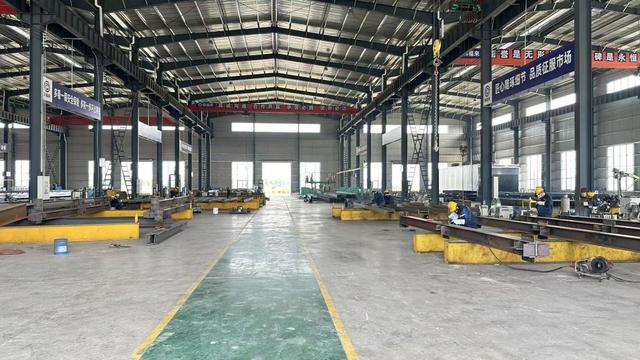
With extensive expertise in steel construction engineering and prefabricated building technologies, the company is dedicated to providing high-quality, cost-effective, and customized building systems for diverse industrial and commercial applications. By integrating advanced design software and precision manufacturing technologies, Dhingia Build delivers reliable steel structure solutions that help customers reduce construction time, minimize labor costs, and improve overall project efficiency.

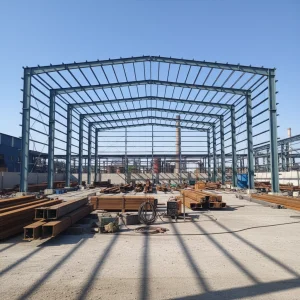
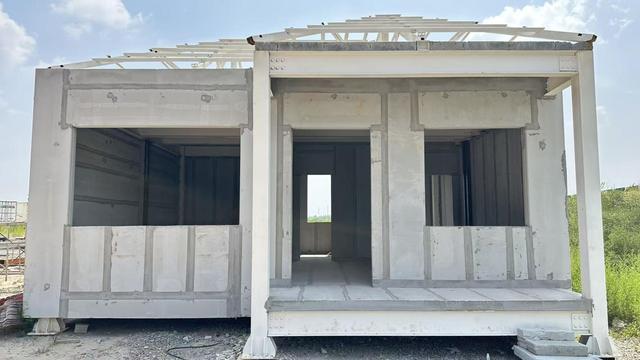
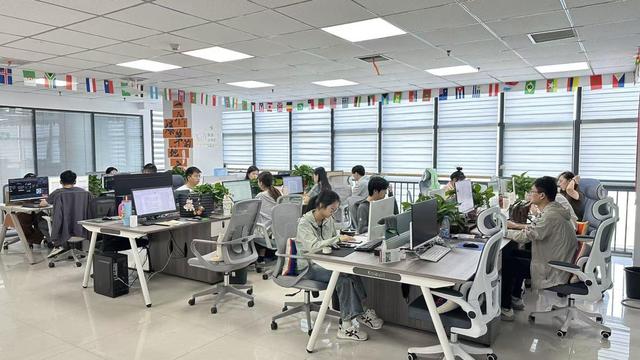
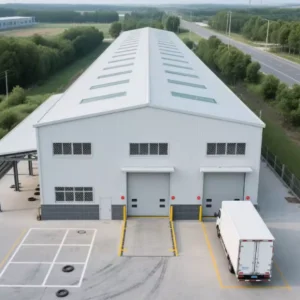
Advanced Production and Raw Material Facility Showcase

04 / Procurement FAQ

Engineering & Logistics FAQ

Expert answers addressing the technical, structural, and regulatory concerns of international procurement officers and structural engineers.

Q1: How does Guangzhou Dhingia Build ensure compliance with country-specific structural loads?
Our engineering team uses 3D structural analysis software (such as Tekla and SAP2000) to model local wind, seismic, dead, and live loads. Before manufacturing begins, we submit calculations and structural shop drawings for review. These are detailed to match country-specific standards, including the International Building Code (IBC), Eurocode 3, or AS/NZS codes, ensuring compliance with local approval processes.
Q2: What steel grades and corrosion protection treatments are applied?
We primarily use high-strength Q355B structural steel (equivalent to ASTM A572 Grade 50) and Q235B for secondary bracing systems. For corrosion protection, we offer shot blasting to Sa 2.5 standards followed by high-solid epoxy zinc-rich primer coatings, or hot-dip galvanization (minimum coating weight of 600g/m²). This is designed to perform reliably in C3 to C5 coastal or industrial environments.
Q3: How are multi-story prefabricated steel structure buildings shipped?
All primary framing elements, including H-beams, box columns, and trusses, are packed onto heavy-duty steel pallets and shipped in 40ft open-top or high-cube dry containers. All components are tagged and numbered in sequence, matching the erection drawing database to simplify on-site logistics and installation.
Q4: What fireproofing and thermal insulation systems are available?
For wall and roof envelopes, we supply FM-approved insulated sandwich panels (PIR, PUR, or high-density Rockwool) in thicknesses ranging from 50mm to 200mm. To meet fire ratings, the structural steel frames can be treated with on-site intumescent coatings, or enclosed in multi-layer gypsum board or fiber-cement boards. This achieves fire resistance ratings ranging from 1 to 3 hours.
Q5: Can you integrate multi-story steel structures with overhead crane systems?
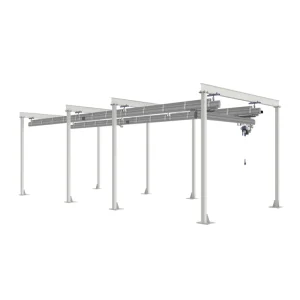
Yes. We design and manufacture heavy industrial workshop structures with crane runways. We configure the structural frame to support bridge crane loads, calculating fatigue stresses and dynamic runway girder deflections according to CMAA or ISO standard criteria.
All Multi-Story Steel Buildings Products