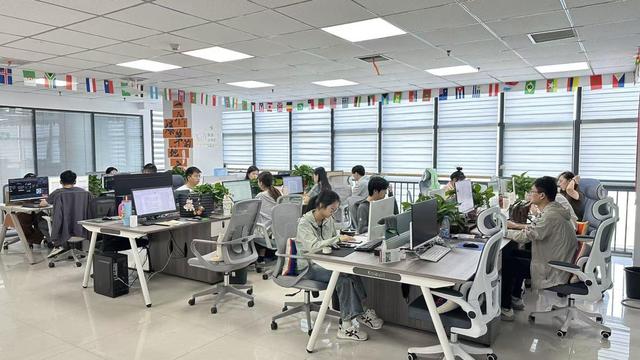
Guangzhou Dhingia Build Co., Ltd. is a professional China pre-engineered metal building manufacturer specializing in industrial steel structure solutions for customers around the world. With extensive expertise in steel construction engineering and prefabricated building technologies, the company is dedicated to providing high-quality, cost-effective, and customized building systems for diverse industrial and commercial applications.
By integrating advanced design workflows (BIM and Revit) with precision CNC production lines, we bridge the gap between initial custom conceptualization and direct site erection. Our structural components are optimized for extreme wind velocity, seismic tolerances, and high thermal performance, guaranteeing structurally compliant operations across key target regions including the Americas, Europe, Africa, and Southeast Asia.
We work directly with structural engineers, general contractors, and developers to audit calculations, local codes, and structural wind and snow loads before manufacturing begins.
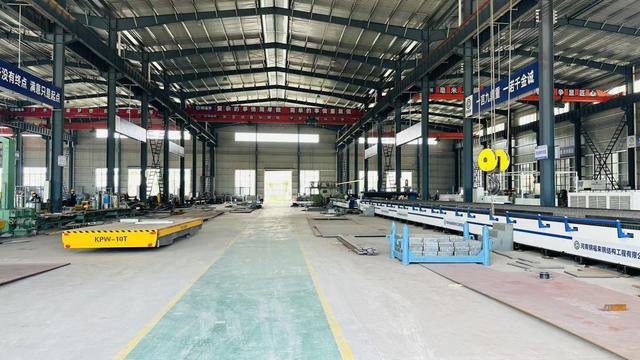
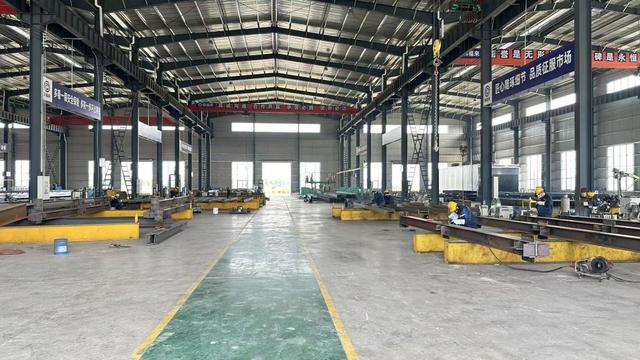
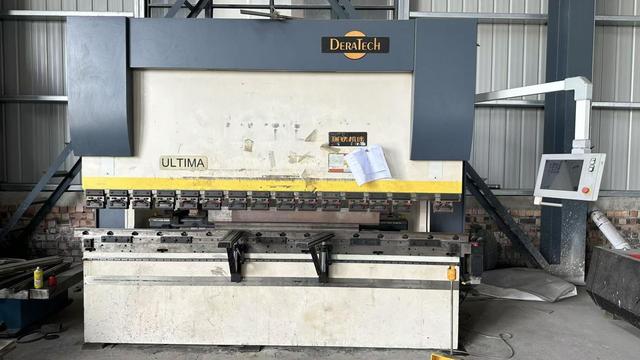
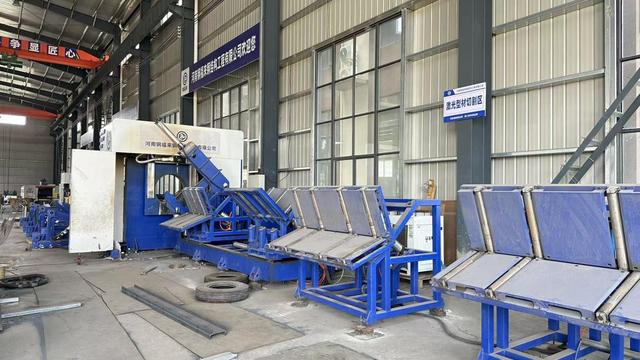
Operating out of our fully integrated Chinese factory, we utilize automated plasma cutting, high-integrity robotic welding, and automated shot-blasting to guarantee mill-specification accuracy.
We design each component configuration to maximize container payload capacities, reducing ocean freight costs by packaging components into flat-packs or interlocking configurations.
Traditional structural steel projects suffer from on-site delays, labor shortages, and variable welding quality. By manufacturing structural elements off-site, project timelines are reduced by up to 50%, mitigating high cost overruns.
Our heavy and light-gauge steel components are 100% recyclable. Off-site modular manufacturing drastically reduces on-site dust, chemical waste, and water usage, matching rigorous modern ESG criteria.
Engineered structural steel is elastic and structural-grade, performing exceptionally well in earthquake zones (Zone 4 specifications) and high coastal wind areas when compared to timber frames or unreinforced concrete block methods.
Our manufacturing and engineering workflows rely on strict technical specifications to guarantee the longevity of modular structural steel buildings. Below is the blueprint of our active development and structural pipeline:
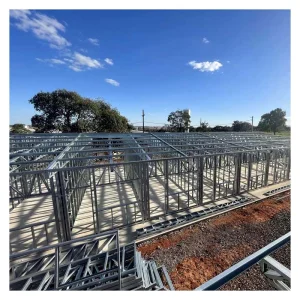
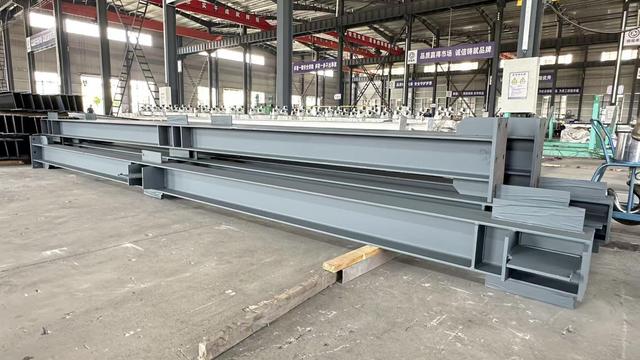
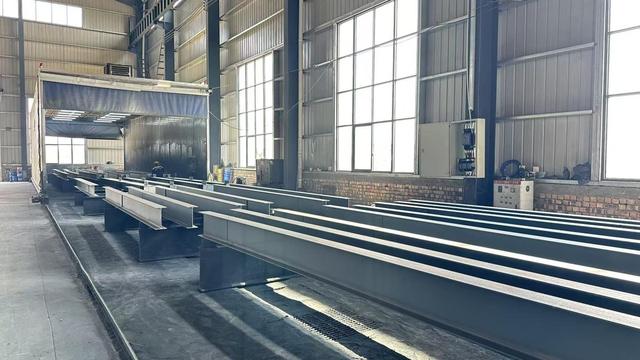
We source structural steel plates exclusively from certified tier-1 mills, primarily employing Q355B and Q235B steel (equivalent to ASTM A572 Grade 50 and ASTM A36). Every structural module undergoes finite element analysis (FEA) to verify load paths. Heavy H-section columns and welded plate steel frames are dimensioned to hold specific structural weights, ensuring stable load bearing under complex configurations.
For installations in humid coastal areas or industrial environments, we utilize hot-dip galvanization (complying with ASTM A123) with coating thicknesses reaching up to 85 microns. Alternatively, we apply advanced polyurethane finish paint systems (such as primer, mid-coat epoxy micaceous iron oxide, and polyurethane topcoat) to satisfy ISO 12944 C3, C4, and C5-M environment specifications.
To optimize thermal resistance and energy consumption, our building systems feature high-density Polyurethane (PU/PIR) and Rockwool sandwich panels. Typical configurations include:
Operating in Guangzhou, China's industrial center, Guangzhou Dhingia Build Co., Ltd. leverages a highly developed manufacturing ecosystem. We maintain strategic agreements with leading global steel mills, providing raw material cost certainty and continuous access to specialized steel grades even during volatile market fluctuations.
By automating raw cutting, assembly welding, and surface treatment, we minimize manual errors. Our factory floor operates continuous shifts to ensure large-scale, pre-assembled modular framing elements are manufactured and shipped within strict project deadlines, reducing traditional fabrication times by 30% to 40%.
Our loading procedures utilize custom steel packaging racks to secure columns, wall systems, and accessories inside containers, ensuring all materials arrive undamaged and ready for immediate crane hoisting.
Designed to comply with the International Building Code (IBC) and the American Institute of Steel Construction (AISC) specifications. We routinely supply structures calculated to handle severe snow loads in northern regions, alongside high R-value insulation (R-19 to R-30 insulation envelopes) to meet localized energy conservation requirements.
Structural calculations are verified according to Eurocode 3 (EN 1993), incorporating EN 1090 execution classes EXC2 or EXC3 for structural steelwork. All steel frames undergo strict welding inspections (visual, magnetic particle, and ultrasonic testing) matching European quality and safety benchmarks.
Our tropicalized structural designs incorporate advanced ventilation configurations, UV-resistant exterior coatings, and high-performance seals to prevent dust ingress. Exterior paint layers are calculated to withstand continuous exposure to intense solar radiation and high temperatures without chalking or cracking.
We welcome third-party audits (SGS, Bureau Veritas, TÜV Rheinland) to inspect our factory facilities, raw steel stock, automated cutting and welding setups, and pre-assembly testing areas before shipment.
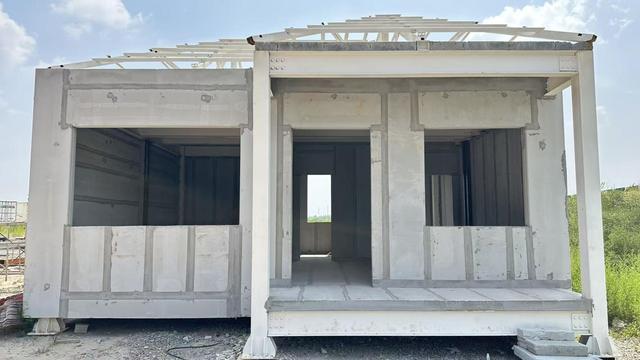
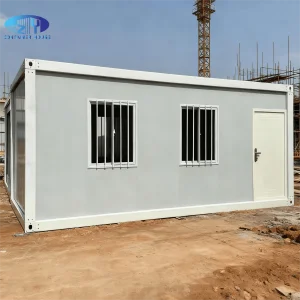
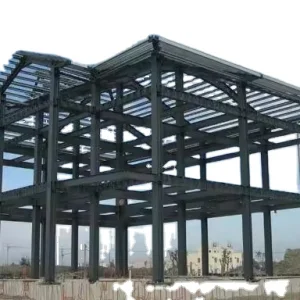
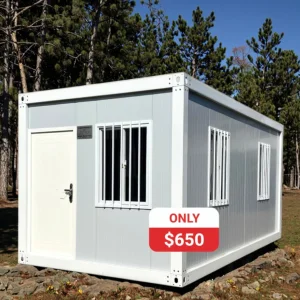
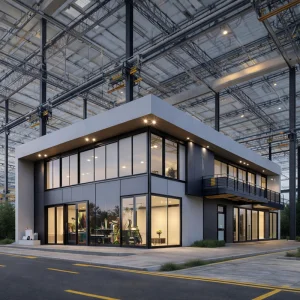
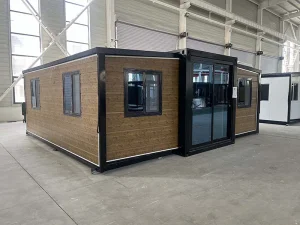
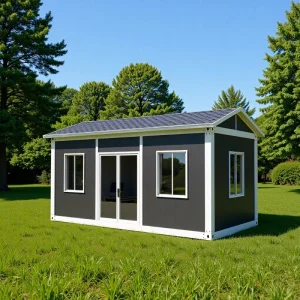
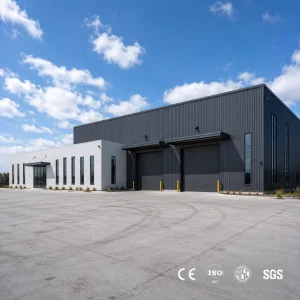
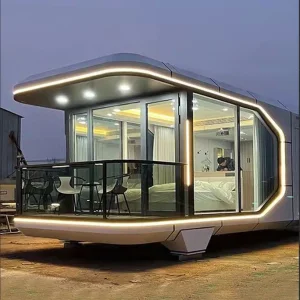
Pre-engineered metal buildings (PEMB) are highly optimized steel frame structures featuring wide, column-free clear spans (ideal for large industrial warehouses, heavy manufacturing plants, and sports arenas). In contrast, modular container offices are self-supporting, volumetric units engineered for rapid deployment. They are pre-assembled in our factory, complete with insulation, wall cladding, electrical wiring, and doors, making them ideal for quick-assembly construction offices and administrative cabins.
Our engineering team designs every project from scratch using localized loading parameter metrics. For North American projects, we follow AISC, AISI, and IBC 2021 codes. For European installations, we follow Eurocode 3 (EN 1993) and related structural specifications. We provide complete calculations, including dead load, live load, wind load, snow load, and seismic load parameters, enabling local structural engineers to review and approve the designs for building permits.
We provide multiple corrosion protection levels depending on the project site's environment. Options include heavy-duty hot-dip galvanization (ASTM A123, up to 85 microns thickness) and multi-layer marine painting systems (epoxy zinc-rich primer + micaceous iron oxide intermediate coat + aliphatic polyurethane topcoat) designed to comply with ISO 12944 C4 or C5-M specifications.
The total lead time consists of design engineering approval, raw material sourcing, manufacturing, and transit time. Typically, structural engineering design takes 1-2 weeks. After the client approves the drawings, manufacturing is completed in 3-4 weeks. Transit times vary from 2 to 5 weeks depending on the target port destination (e.g., US West Coast, Northern Europe, or East Africa).
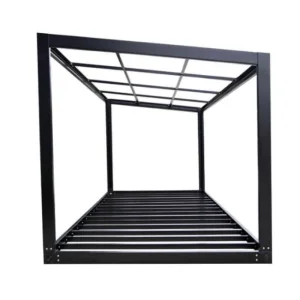
We use dedicated steel loading frames to bundle primary structural columns and rafter beams. Smaller accessories, fasteners, and cladding trims are packed in heavy-duty plywood crates. Every container is systematically packed and braced to prevent shifting at sea, ensuring hassle-free container unloading upon arrival at the site.
 Dhingia Build