Explore our custom-engineered portal frame structural models, multi-story frameworks, and commercial-grade modular systems designed for high scalability.
In modern industrial and commercial development, the demand for fast-track, resource-efficient, and structurally resilient construction has propelled Pre-Engineered Metal Buildings (PEMB) to the forefront of global engineering. Historically dominated by conventional concrete and heavy masonry framing, the commercial architectural sector is undergoing a paradigm shift towards structural steel. This trend is driven by key metrics: structural steel offers an exceptional strength-to-weight ratio, facilitates rapid site deployment, is 100% recyclable, and conforms perfectly to international green building rating systems such as LEED and BREEAM.
From large-scale retail distribution centers in North America to multi-tier manufacturing facilities in Southeast Asia, pre-engineered metal buildings act as the backbone of modern commerce. Global supply chain giants, logistics operators, and manufacturing companies face escalating costs of construction delays. Consequently, the capability to transition from blueprint design to structural assembly within compressed schedules is no longer just an advantage—it is a critical commercial necessity. The structural stability, predictable behavior under seismic activities, and durability against harsh climate zones make high-grade steel (such as Q345B, Q235B, and S355JR) the primary choice for investors and contractors worldwide.
Guangzhou Dhingia Build Co., Ltd. is a professional China pre-engineered metal building manufacturer specializing in industrial steel structure solutions for customers around the world. With extensive expertise in steel construction engineering and prefabricated building technologies, the company is dedicated to providing high-quality, cost-effective, and customized building systems for diverse industrial and commercial applications.
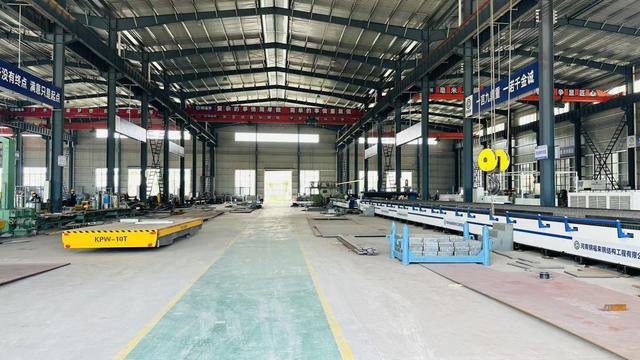
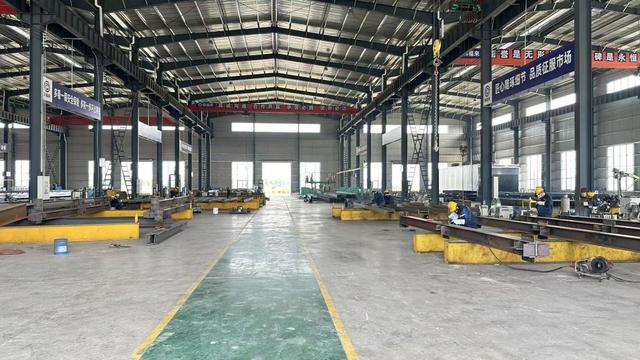
By leveraging state-of-the-art software systems like Tekla Structures and AutoCAD, Dhingia Build structural engineers accurately simulate wind loads, snow loads, and localized seismic forces to manufacture bespoke steel layouts. Our manufacturing plant operates with high-precision CNC plasma cutting, submerged arc welding, and automated surface treatment processing, ensuring that each beam, column, and truss meets structural tolerances down to the millimeter.
Our structures conform strictly to AISC (American Institute of Steel Construction), Eurocode 3 (EN 1993), and GB standards, guaranteeing that structural stability certifications can be easily attained in any local jurisdiction.
Discover why global enterprises leverage our automated fabrication lines and structural optimization algorithms to streamline project lifecycles.
Our proximity to integrated industrial supply hubs in Guangdong enables us to secure high-purity structural plate steel at optimized cost points, converting into significant savings for global EPC contractors.
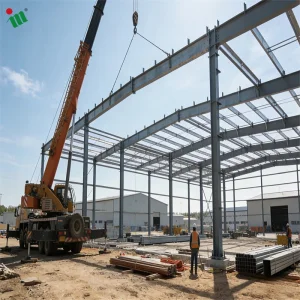
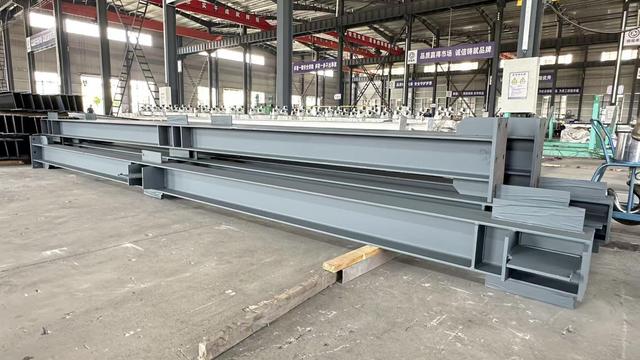
Through Building Information Modeling (BIM), we design primary framing (H-beams, portal frames) and secondary systems (C/Z purlins, girts) to assemble perfectly without on-site cutting or welding.
We deploy high-density epoxy zinc-rich priming coatings and heavy-duty hot-dip galvanization (min 275g/㎡) to deliver robust resistance against ocean salt spray and high industrial ambient moisture.
Choosing the right structural design depends heavily on the facility's local wind rating, thermal barrier requirements, and functional layout. The applications below represent typical configurations specified by our corporate buyers:
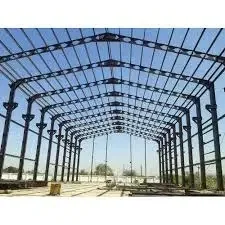
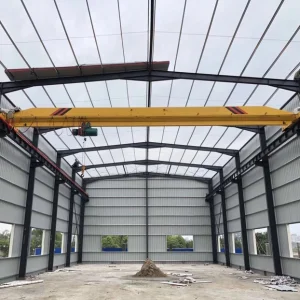
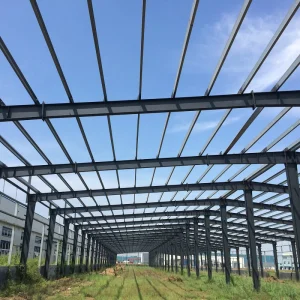
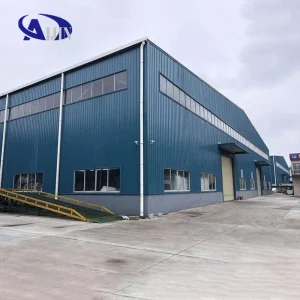
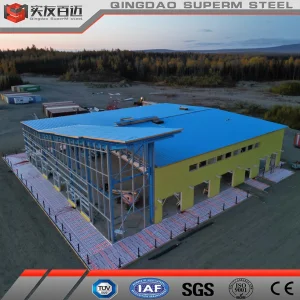
For modern logistics hubs, unobstructed floor space is essential to maximize pallet racking and heavy machinery flow. Using portal frame configurations with built-in high-tensile steel, we can construct column-free spans exceeding 60 meters. Our designs incorporate secondary girts and customized purlins to support integrated roof cranes, automated sorting systems, and multiple dock levelers. Roof layouts are optimized for solar photovoltaic (PV) array installations, facilitating carbon-neutral warehouse operations.
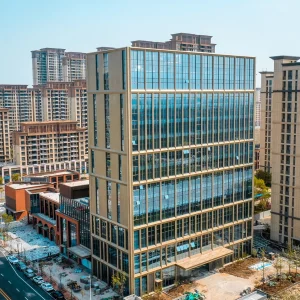
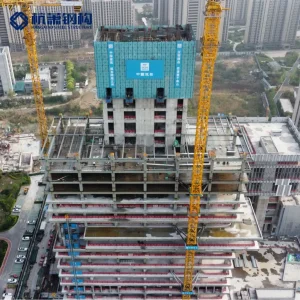
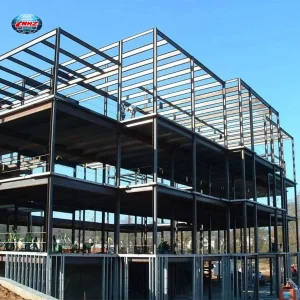
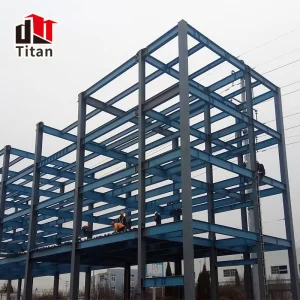
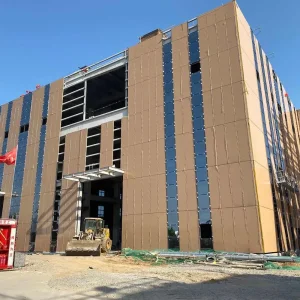
Combining structural steel frames with concrete slab decking creates a hybrid office system that is highly stable and rapidly constructed. Our multi-story commercial designs, using modern H-beams and composite columns, accommodate expansive floor-to-ceiling glass curtain walls. They offer developers the design flexibility to modify internal layouts easily over the building’s lifecycle, which is a major advantage over rigid concrete structures.
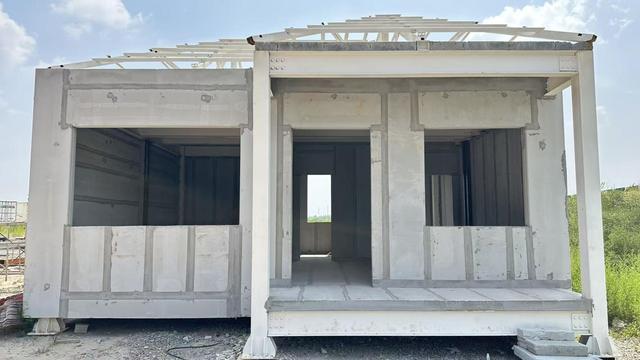
During times of crisis, infrastructure must be built rapidly. Leveraging modular structural framing allows rapid deployment of field hospitals, temporary administrative centers, and quarantine dormitories. Engineered for containerized shipping, these pre-aligned modules fit standard logistics dimensions perfectly and can be connected on-site in a matter of days rather than months.
Take an inside look at our advanced manufacturing plants, where automation meets strict QA/QC standards. Our facility features CNC cutting stations, automated shot blasting for superior surface preparation, and robotic welding bays that maintain consistent penetration depth across load-bearing structural joints.
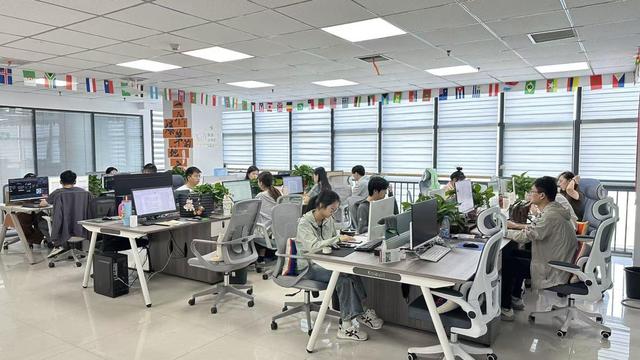
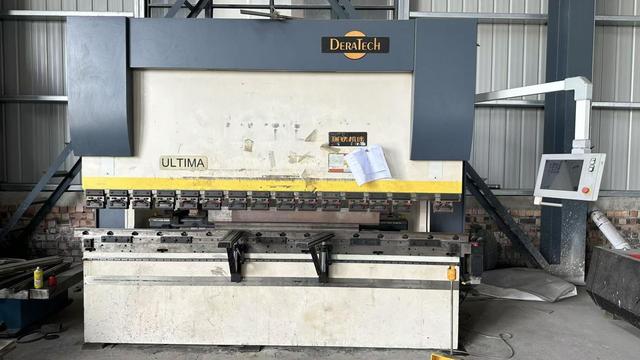
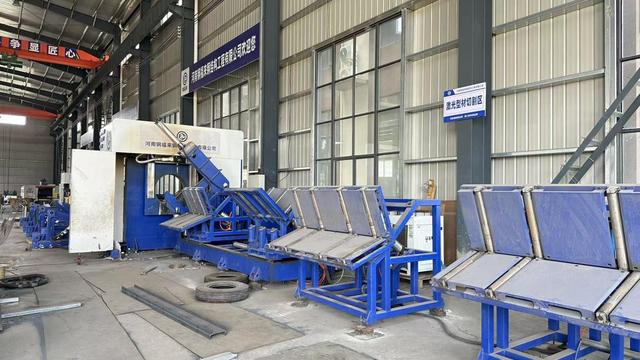
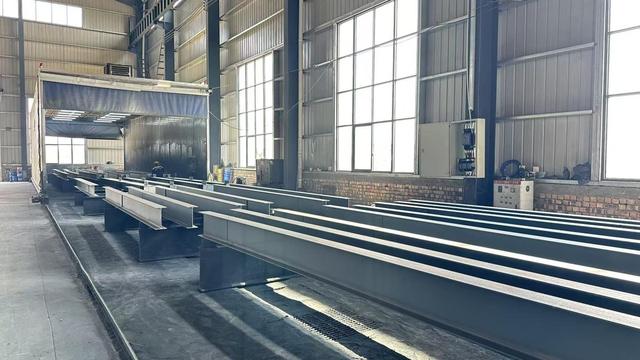
Providing engineering clarity and operational transparency to help procurement managers, structural consultants, and project developers make informed decisions.
We primarily use high-grade structural carbon steels including Q345B (equivalent to ASTM A572 Grade 50 / S355JR) and Q235B (equivalent to ASTM A36 / S275JR). Q345B is selected for main load-bearing frames and column arrays due to its high yield strength, while Q235B is used for bracing members, purlins, and secondary framing assemblies.
Every building we fabricate is custom-engineered using structural analysis software that calculates local wind loads (up to 250 km/h in hurricane-prone zones) and seismic forces (up to Category 8 earthquake resilience). We incorporate high-strength bracing rods, portal bracing configurations, and custom moment connections to ensure structural integrity under dynamic stresses.
We offer two main anti-corrosion treatments depending on project exposure: Hot-Dip Galvanization (conforming to ISO 1461, with zinc coating thickness ranging from 60 to 85 microns) and multi-layer Epoxy Paint systems (zinc-rich epoxy primer + intermediate micaceous iron oxide + polyurethane top coat) reaching a total Dry Film Thickness (DFT) of 120-150 microns.
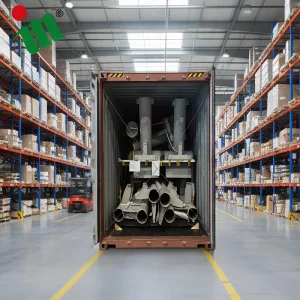
Our logistics team uses advanced container optimization software. Main structural H-beams are secured using specialized steel framing or directly loaded into Open Top (OT) or 40-foot High Cube (HQ) dry containers. All components are clearly labeled and cross-referenced with the packing list and assembly drawings to prevent confusion during customs clearance and on-site unpacking.
Yes, our design department provides complete engineering blueprints. This includes anchor bolt layouts, foundation load calculations, primary steel framing diagrams, detail shop drawings, and 3D Tekla model files. These files can be submitted to your structural engineer of record to secure municipal permits.
Select from our range of structural steel buildings designed for retail malls, distribution centers, custom multi-story projects, and light industrial workshops.
 Dhingia Build