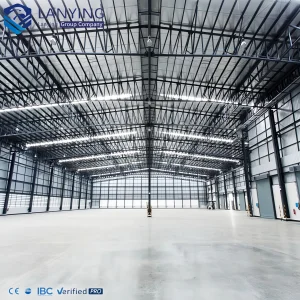
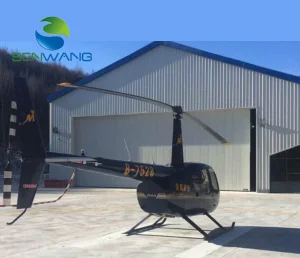
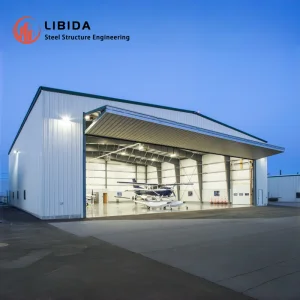
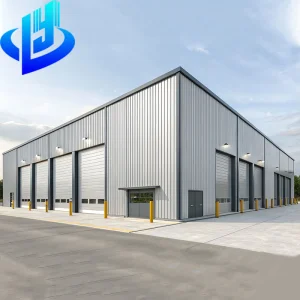
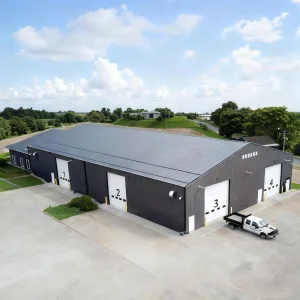
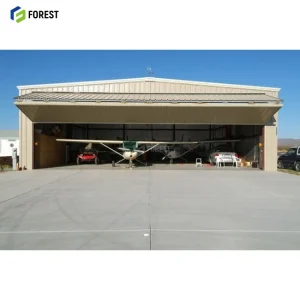
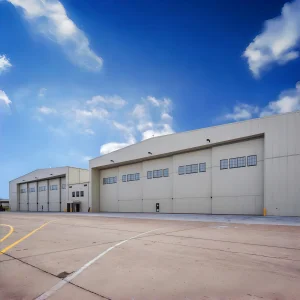
Explore our leading pre-engineered steel structure designs utilized globally for aircraft storage, commercial aerospace infrastructure, and heavy-duty industrial aviation.
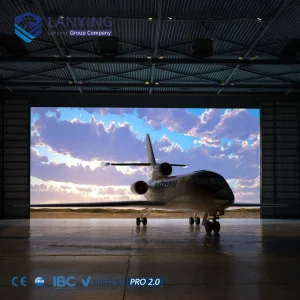
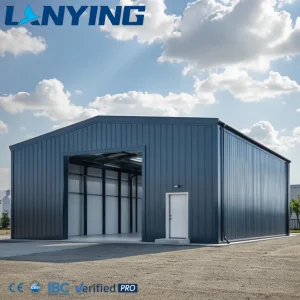
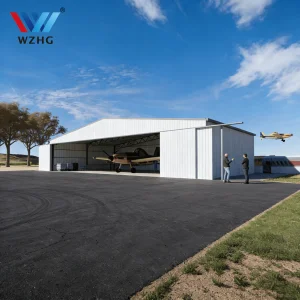
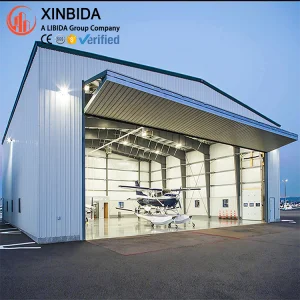
The aerospace sector is witnessing unprecedented growth, prompting an urgent demand for advanced aviation housing infrastructure. As commercial airlines expand their fleets, cargo logistics networks experience rising volumes, and military defense organizations modernize their facilities, the need for robust, structural-grade Aircraft Hangar Buildings has never been more critical.
Modern hangars are no longer simple protective sheds. They represent highly engineered environments incorporating structural integrity, massive clear-span clearances, seismic adaptability, and sophisticated mechanical integrations. Today’s industrial hangars must support complex maintenance, repair, and overhaul (MRO) operations, necessitating integrated overhead cranes, advanced climate control, energy-efficient insulation, and custom door designs.
Globally, manufacturers are transitioning towards pre-engineered metal buildings (PEMB) to satisfy these intensive parameters. High-strength structural steel offers unparalleled design flexibility, permitting clear-span configurations that exceed 100 meters. This spatial optimization ensures that massive aircraft, from corporate jets to commercial wide-body airliners (such as the Boeing 777 or Airbus A350), can navigate maintenance bays safely without column interference.
Aviation facilities demand rigorous performance configurations. Our engineering processes are geared towards delivering high-performance, compliant, and durable assets.
Utilizing high-tensile Q355B steel structures, we eliminate interior pillars. This clear-span framework optimizes interior volume, facilitating safe maneuvering and layout adjustments for diverse aircraft arrays.
Engineered to withstand extreme environmental forces. Our designs rigorously conform to AISC, Eurocode, and GB standards, accommodating extreme localized wind loads, heavy snow accumulations, and high-intensity seismic activities.
Exposed to harsh runway and coastal environments, all structural steel elements undergo shot blasting (grade Sa2.5) followed by advanced protective coatings—hot-dip galvanization or high-durability epoxy systems.
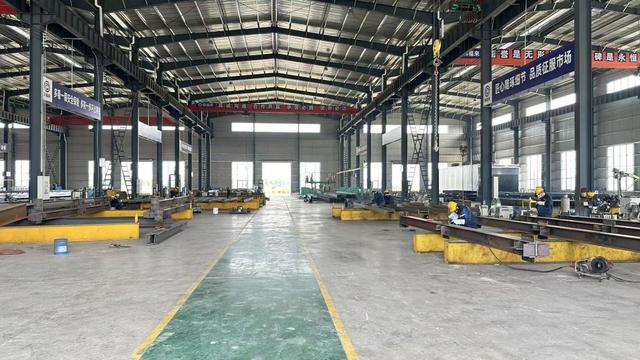
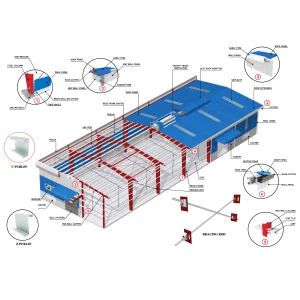
For large-span prefabricated hangars, material selection and structural geometry dictate the facility's lifecycle performance. Our pre-engineered designs use computerized structural analyses (BIM & Tekla Structures) to balance self-weight against load capacity.
Our commitment to rigorous specifications ensures that each structural frame is optimized to lower shipping volumes and accelerate on-site installation, reducing labor costs and lowering the critical path of the project schedule.
From initial structural modeling to global logistical delivery, our workflow guarantees precision and seamless structural integration at every phase.
BIM & 3D Tekla modeling generate exact shop drawings, ensuring zero clearance errors and seamless integration with complex MEP (Mechanical, Electrical, Plumbing) systems.
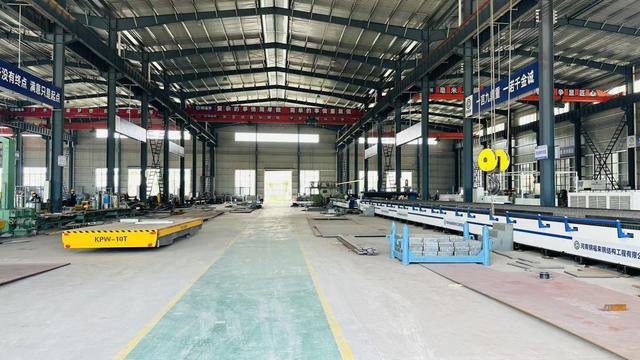
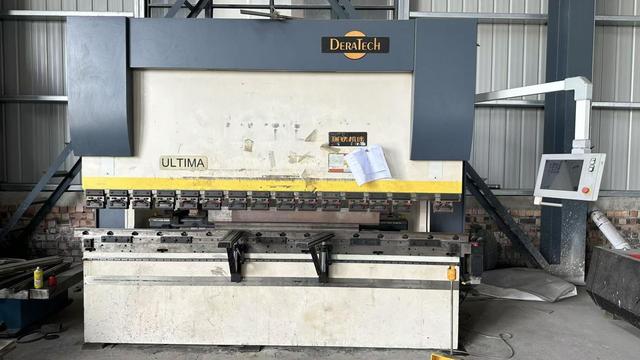
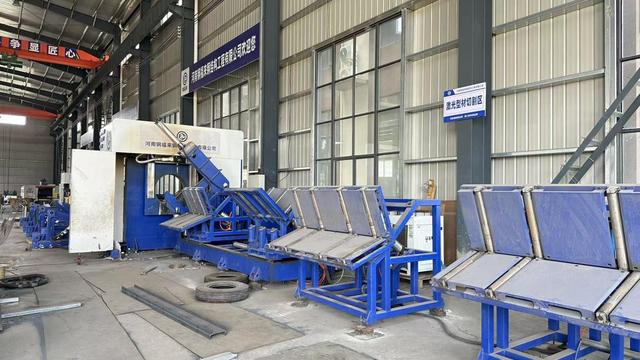
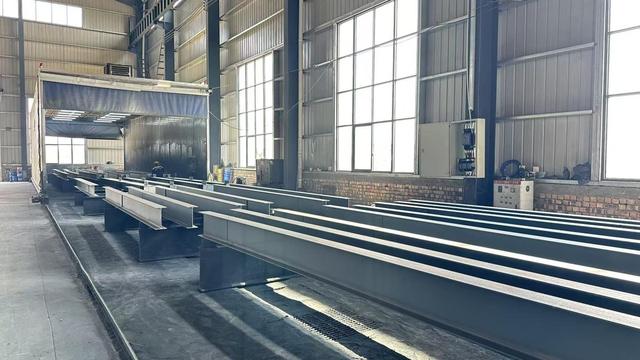
Advanced CNC cutting, drilling, and automated welding lines guarantee precise dimensional tolerances. Quality control personnel conduct ultrasonic weld testing and coating thickness checks.
All members are systematically marked, grouped, and loaded into ocean containers or flat racks. Custom packing protects structural surfaces from marine corrosion during transit.
With detailed erection drawings, marked structural components, and remote/on-site engineering support, local erection teams assemble the hangar framework efficiently.
Guangzhou Dhingia Build Co., Ltd. is a professional China pre-engineered metal building manufacturer specializing in industrial steel structure solutions for customers around the world. With extensive expertise in steel construction engineering and prefabricated building technologies, the company is dedicated to providing high-quality, cost-effective, and customized building systems for diverse industrial and commercial applications.
The company offers a wide range of products, including pre-engineered metal buildings, industrial steel structures, steel warehouses, manufacturing plants, logistics centers, commercial buildings, workshop facilities, and custom-engineered construction solutions. Designed to meet international standards, these building systems are known for their structural strength, rapid installation, long service life, and excellent cost efficiency.
Guangzhou Dhingia Build Co., Ltd. operates modern manufacturing facilities equipped with advanced steel fabrication machinery, automated production lines, and comprehensive quality inspection systems. Supported by an experienced team of engineers, designers, and project managers, the company provides one-stop services covering project consultation, structural design, engineering analysis, manufacturing, quality control, and international logistics coordination.
Innovation and quality are fundamental to the company's development strategy. By integrating advanced design software and precision manufacturing technologies, Dhingia Build delivers reliable steel structure solutions that help customers reduce construction time, minimize labor costs, and improve overall project efficiency. The company's products are widely used in industrial production facilities, warehouses, agricultural buildings, commercial complexes, infrastructure projects, and large-scale storage applications.
Committed to the principles of quality, integrity, and customer satisfaction, Guangzhou Dhingia Build Co., Ltd. has established strong partnerships with clients across Asia, Europe, the Middle East, Africa, and the Americas. The company continues to provide innovative industrial steel structure solutions that support sustainable growth and create long-term value for global customers.
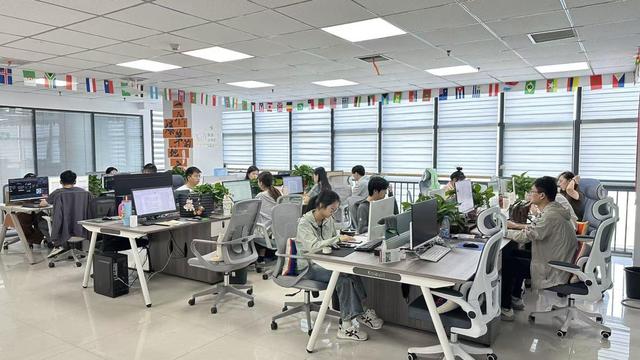
A visual representation of our manufacturing capability, structural diversity, and structural components dispatched worldwide.
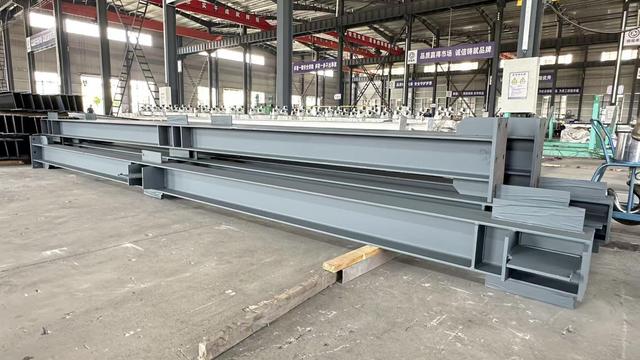
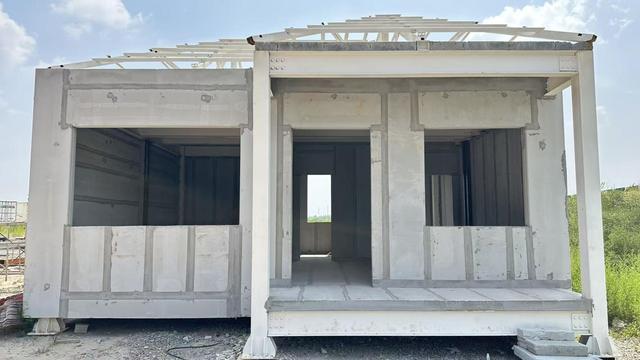
Customizing aviation structures to local climates is critical to preventing structural fatigue and ensuring thermal comfort.
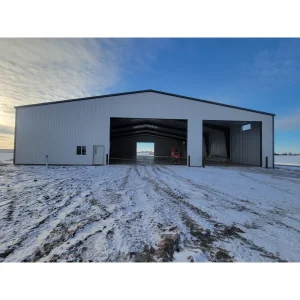
In regions such as Poland, where sub-zero temperatures and heavy snow accumulations are common during winter, hangars must be designed with strict thermal and load profiles. We utilize Eurocode compliance models to calculate exact roof load capacities, ensuring the steel frame can withstand thick snow accumulation.
Our solutions for cold regions feature thick Rockwool sandwich panels with double tongue-and-groove joints to minimize thermal bridging. High-efficiency sealing gaskets are applied around hangar doors to prevent energy losses, reducing overall heating and operation costs.
In hot, humid coastal regions like Thailand, hangars face challenges from heavy rainfall, typhoon-force winds, and marine salt corrosion. Our structural solutions in these zones prioritize wind-uplift resistance and surface protection.
We supply steel buildings treated with high-micron zinc galvanization, combined with anti-corrosive topcoats designed for C4/C5 marine environments. Specialized roof profiles with deep rib channels are used to manage heavy downpours, while natural and mechanical roof ventilators maintain internal air circulation to prevent moisture buildup.
Get answers to critical engineering, cost, and logistics questions related to the design and delivery of large-scale aircraft hangars.
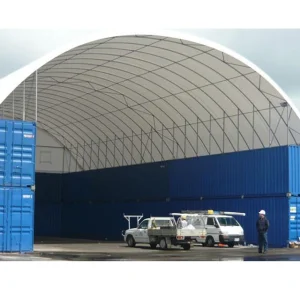
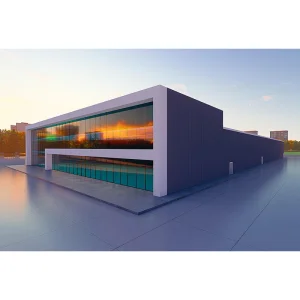
Explore our additional pre-engineered steel buildings, heavy-duty fabric shelters, and customized long-span structures designed for international shipment.
 Dhingia Build