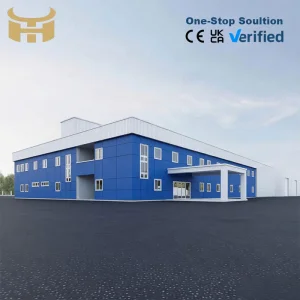
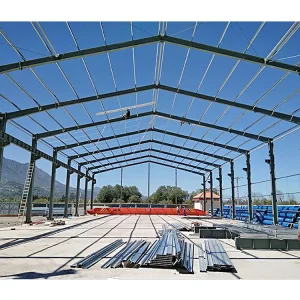
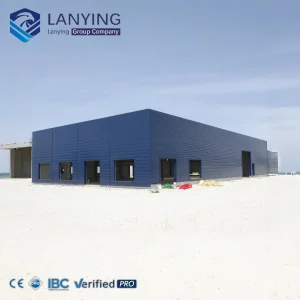
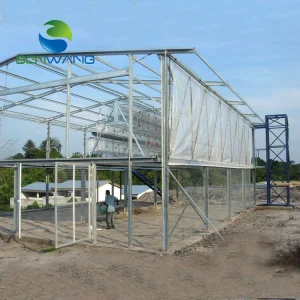
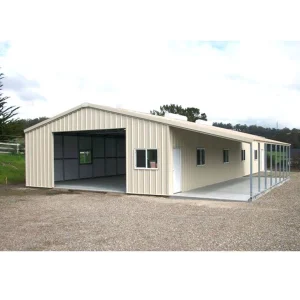
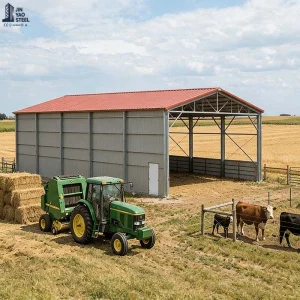
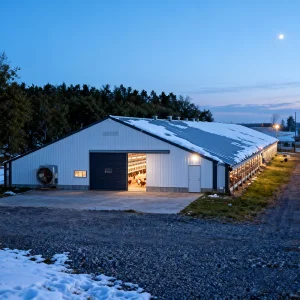
The global agricultural landscape is transitioning away from outdated building materials toward engineered steel structure frameworks. The demands of modern farming—which range from micro-climate control for intense livestock production to expansive clear-span clearances for mega-sized machinery—cannot be satisfied by traditional wood or masonry constructions. Engineered agricultural metal buildings represent the highest standards of durability, biological safety, structural customizability, and operational economy.
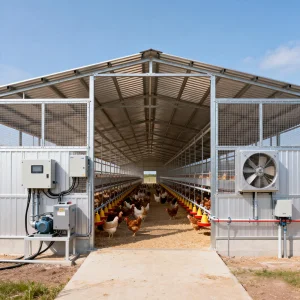
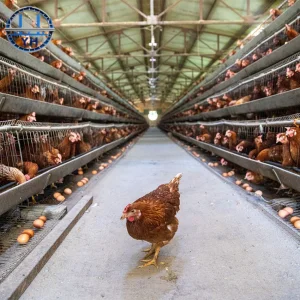
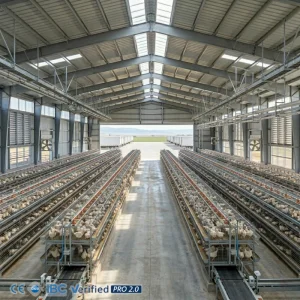
In livestock operations, poultry farming, and high-density storage, structural envelopes face persistent moisture, highly corrosive atmospheric chemical elements (such as ammonia emissions), and dynamic extreme wind loads. Choosing steel over wood prevents rot and termite damage while lowering structural degradation and thermal energy loss. Additionally, clean structural steel eliminates nesting grounds for pests, supporting the strict biosecurity protocols needed for modern poultry and livestock farming.
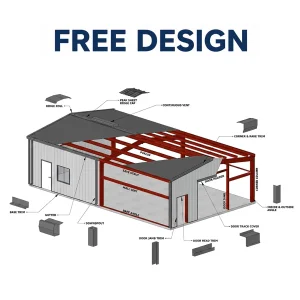
Quality architectural design requires strict structural calculation. Every single building frame manufactured in our facilities undergoes FEA (Finite Element Analysis) stress testing, ensuring reliable performance in demanding environments.
Using high-tensile Q355B (equivalent to ASTM A572 Grade 50) steel, our structures achieve clear spans exceeding 60 meters without internal support pillars, maximizing storage layouts and machinery movement.
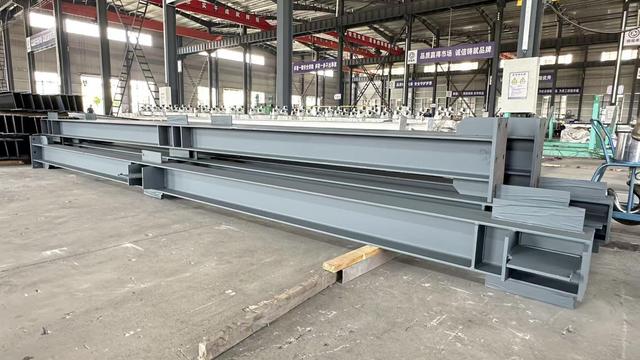
Our structural steel features hot-dip galvanization with a minimum zinc coating weight of 275 g/m² (Z275), or specialized epoxy-rich zinc paint coatings to resist ammonia gas and chemical washdowns.
Engineered wall and roof envelopes feature premium Polyurethane (PU/PIR) or high-density Rockwool core sandwich panels, ensuring tight R-value control for efficient temperature management.
Agricultural structures must handle varying weather challenges across different regions. Our engineering designs address these local requirements directly:
In areas with strong solar radiation, our buildings use highly reflective solar-shield paints and double-insulated roof systems to reduce structural heat absorption. For coastal and humid sub-Saharan climates, we design custom systems featuring large-volume gutters and downspouts to manage heavy rainfall, preventing water ingress and foundation erosion.
To prevent structural failures, roof shapes and trusses are designed using regional building codes (IBC/Eurocodes) to support heavy snow and wind loads. Truss components are reinforced with cold-formed steel and optimized purlin intervals to prevent buckling during extreme snow accumulation.
We adapt our engineering to comply with Australian wind load standards (AS/NZS 1170.2). Structural designs utilize high-strength anchor bolt matrices, deep-embedded concrete foundation attachments, and impact-resistant wall cladding panels to withstand high winds in storm-prone regions.
Our manufacturing facilities utilize China's advanced industrial supply chain infrastructure to deliver high-quality steel structures. Located in Guangzhou, we source premium domestic raw steel and utilize automated, high-precision processing machinery.
Guangzhou Dhingia Build Co., Ltd. is a professional China pre-engineered metal building manufacturer specializing in industrial steel structure solutions for customers around the world. With extensive expertise in steel construction engineering and prefabricated building technologies, the company is dedicated to providing high-quality, cost-effective, and customized building systems for diverse industrial and commercial applications.
The company offers a wide range of products, including pre-engineered metal buildings, industrial steel structures, steel warehouses, manufacturing plants, logistics centers, commercial buildings, workshop facilities, and custom-engineered construction solutions. Designed to meet international standards, these building systems are known for their structural strength, rapid installation, long service life, and excellent cost efficiency.
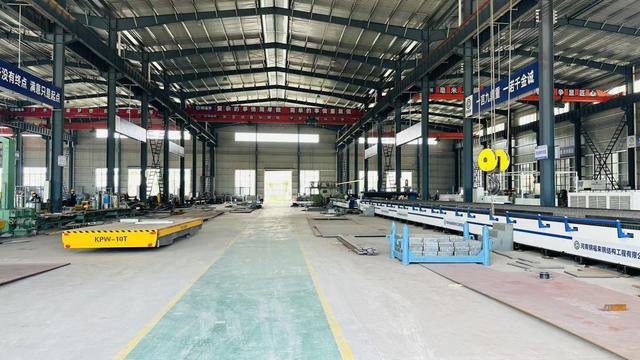
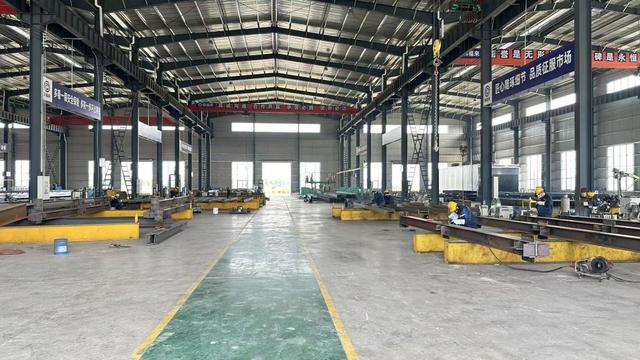
Guangzhou Dhingia Build Co., Ltd. operates modern manufacturing facilities equipped with advanced steel fabrication machinery, automated production lines, and comprehensive quality inspection systems. Supported by an experienced team of engineers, designers, and project managers, the company provides one-stop services covering project consultation, structural design, engineering analysis, manufacturing, quality control, and international logistics coordination.
Innovation and quality are fundamental to the company's development strategy. By integrating advanced design software and precision manufacturing technologies, Dhingia Build delivers reliable steel structure solutions that help customers reduce construction time, minimize labor costs, and improve overall project efficiency. The company's products are widely used in industrial production facilities, warehouses, agricultural buildings, commercial complexes, infrastructure projects, and large-scale storage applications.
Committed to the principles of quality, integrity, and customer satisfaction, Guangzhou Dhingia Build Co., Ltd. has established strong partnerships with clients across Asia, Europe, the Middle East, Africa, and the Americas. The company continues to provide innovative industrial steel structure solutions that support sustainable growth and create long-term value for global customers.
The future of agricultural metal structures lies in smart technology integration and eco-friendly design. We are actively developing next-generation building envelopes to support sustainable modern farming.
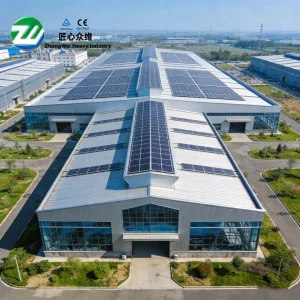
Integrating Building-Integrated Photovoltaics (BIPV) directly onto metal roof structures to create self-powered agricultural facilities.
Integrating real-time stress, temperature, and ammonia gas concentration sensors directly into structural steel beams.
Transitioning to carbon-neutral steel smelting processes and 100% recyclable wall and roof insulation panels.
Review key technical and operational questions regarding the procurement, engineering, and lifetime maintenance of agricultural steel structures:
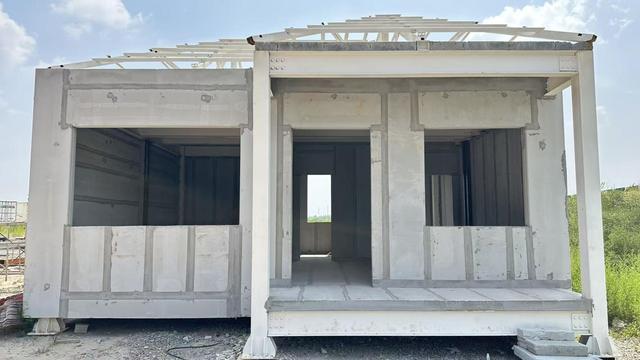
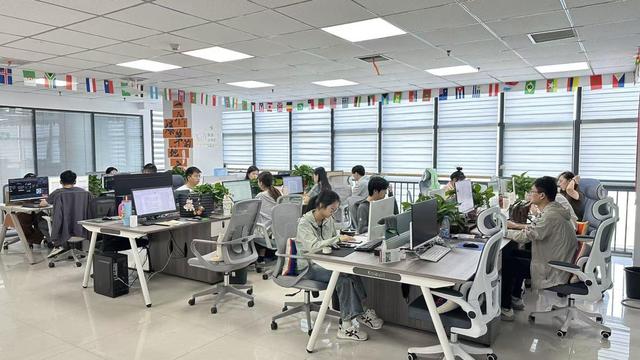
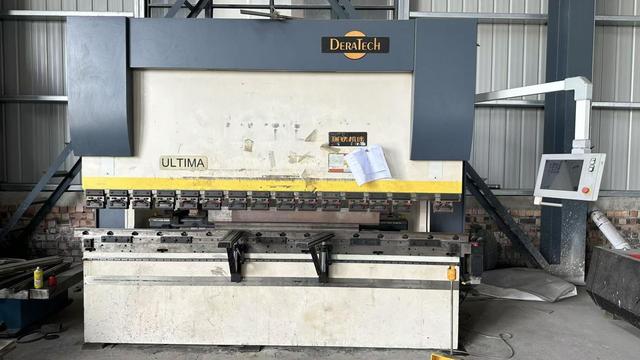
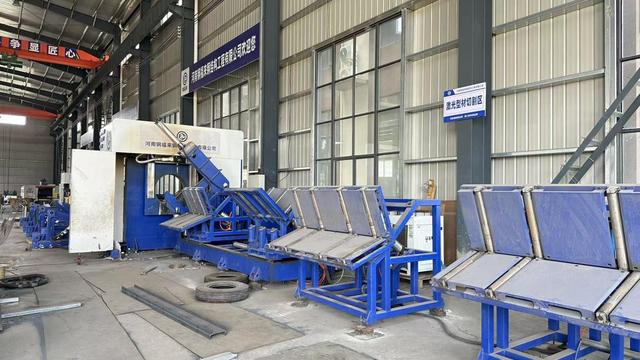
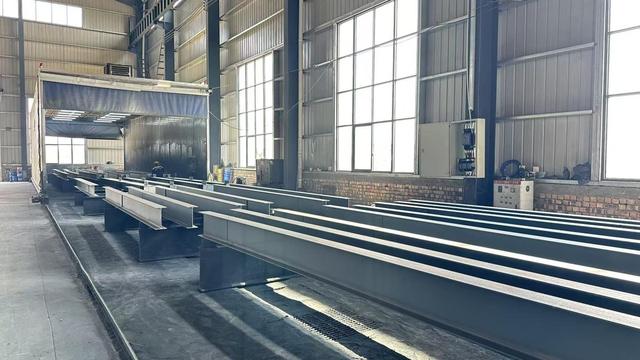
Below are actual production and quality verification processes captured in our high-capacity steel fabrication facility:
 Dhingia Build