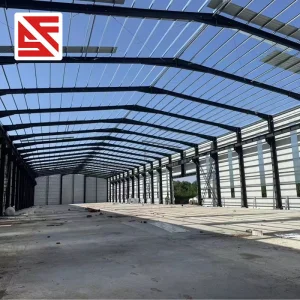
Explore our leading pre-engineered structural systems designed for industrial environments demanding high load-bearing capacities, wide clear spans, and enhanced corrosion resistance.
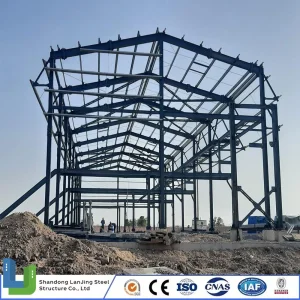
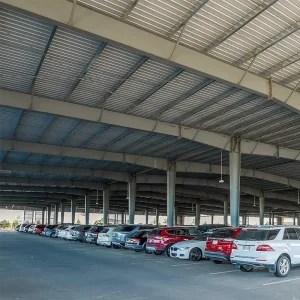
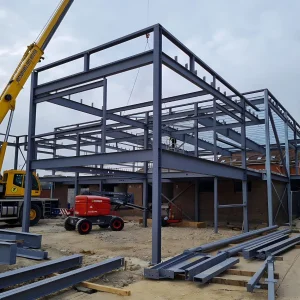
An in-depth analysis of modern engineering methodologies, material advancements, and structural optimization for global industrial facilities.
In the contemporary landscape of global industrial expansion, the selection of factory building infrastructure stands as a primary determinant of operational efficiency, safety, and long-term financial viability. Guangzhou Dhingia Build Co., Ltd., as a premier China pre-engineered metal building manufacturer, is at the forefront of this industrial shift. Modern manufacturing plants and logistics centers are no longer passive brick-and-mortar envelopes; they are active, dynamic tools of production designed to accommodate heavy overhead cranes, complex MEP (Mechanical, Electrical, Plumbing) routing, and large clear spans that maximize interior layouts.
The global steel structures market is undergoing deep transformations driven by automation, material science, and sustainability mandates. Key trends shaping the industry include:
Global procurement specialists face intense pressure to source structural solutions that minimize total cost of ownership (TCO) while satisfying local zoning and safety guidelines. High-wind loads (such as hurricane zones in Florida or East Asia), high-seismic requirements (Zone 4 regions), and sub-zero temperature vulnerabilities require precise steel grading and mechanical designs. When buying factory steel buildings, procurement executives should evaluate:
| Design Criteria | Standard Parameters | Engineering Significance |
|---|---|---|
| Steel Strength Grades | S355JR, S275JR, ASTM A992, Q355B | Higher yield strength minimizes the total weight of steel required, lowering transport and crane erection costs. |
| Corrosion Classifications | ISO 12944: C3 (Medium), C4 (High), C5 (Extreme) | Determines the surface treatment coating thickness (dry film thickness) for service lives exceeding 25+ years. |
| Structural Form Factor | PEB (H-Beams, C/Z Purlins) vs. Truss Systems | Truss structures accommodate massive spans (40m+ clear span), while PEB profiles optimize vertical space. |
| Compliance Norms | AISC, Eurocode 3, GB Standards | Ensures fast engineering approvals and guarantees safety under localized load cases. |
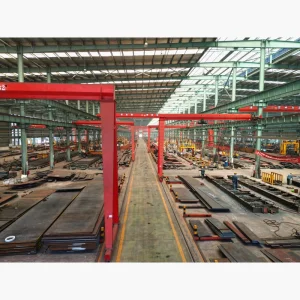
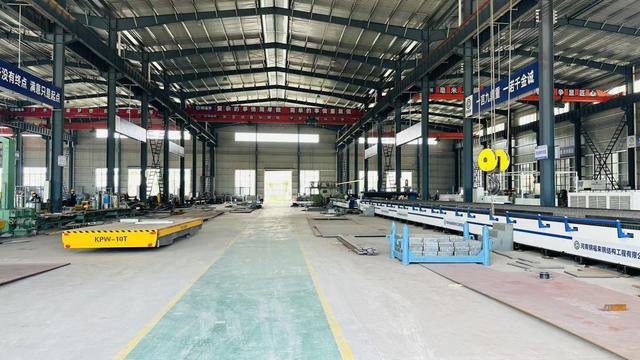
Inside Guangzhou Dhingia Build's modern production facilities. We implement automated fabrication, robotic welding, and rigorous testing protocols to ensure exceptional dimensional accuracy.
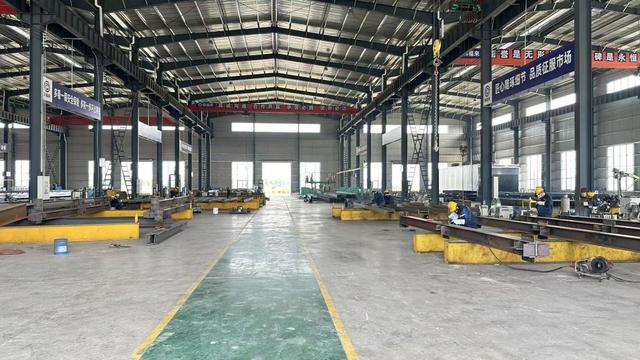
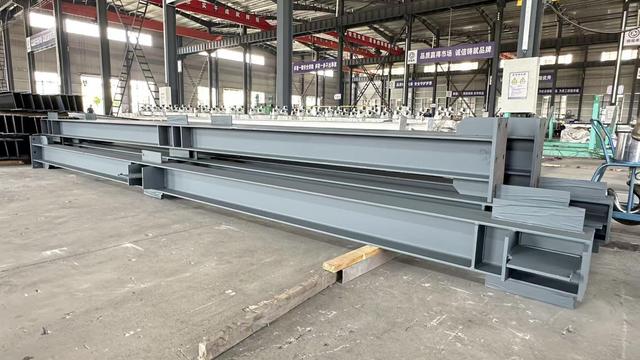
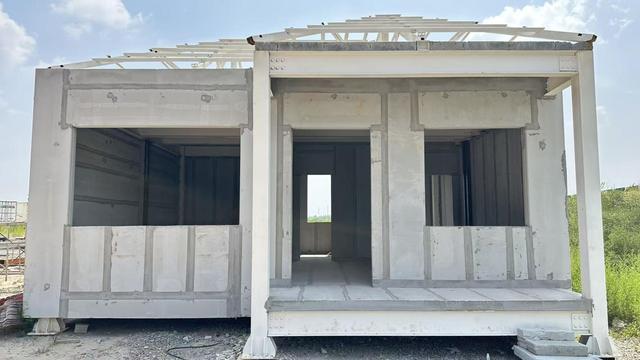
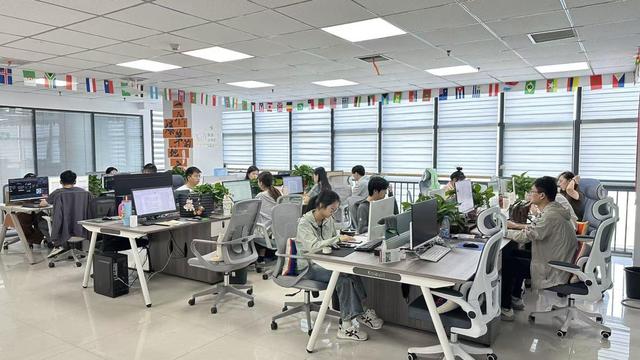
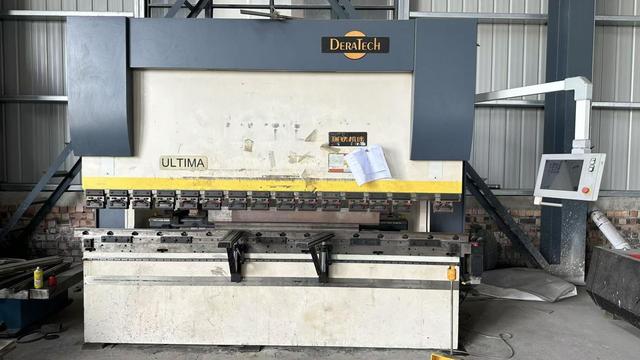
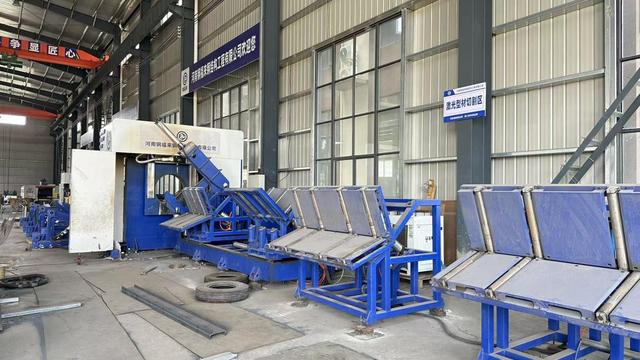
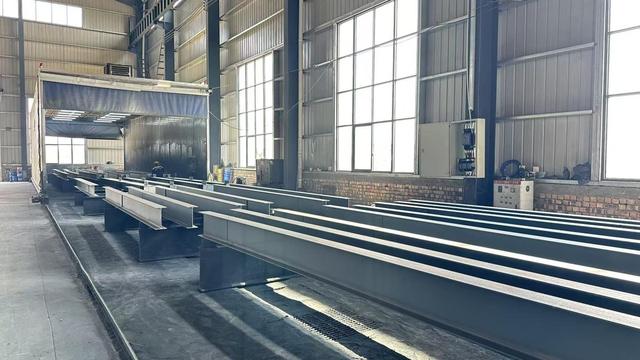
Different industrial processes impose unique stresses and functional challenges on structural steel frameworks. Our engineering catalog spans several specialized scenarios:
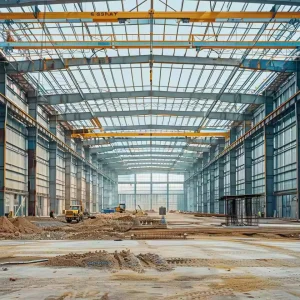
Engineered to support heavy-capacity cranes (up to 100+ tons). Features crane runways with custom fatigue calculation to prevent vibration crack formation under repetitive dynamic cycles.
Designed with maximum clear span layouts and high eave heights (up to 15m+) to accommodate automated high-bay racking systems and optimize forklifting clearance paths.
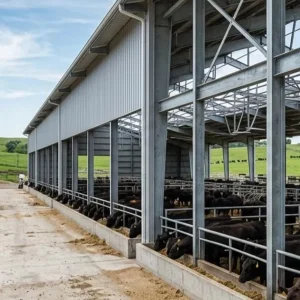
Designed with customized materials to withstand highly corrosive biological atmospheres (ammonia, humidity). Utilizes heavy hot-dip galvanized coating and chemical-resistant panels.
Each solution incorporates customized thermal and acoustics calculations. High-performance insulation (such as rockwool or polyurethane sandwich panels) is combined with standing seam roofing profiles to ensure leakproof designs and minimize heating, ventilation, and air conditioning (HVAC) operating costs.
Working with an offshore manufacturer often presents concerns regarding localized building code compliance. Guangzhou Dhingia Build Co., Ltd. resolves this challenge by employing localized engineering modeling. Our design team aligns structural configurations to the specific code requirements of the destination country, including:
Our comprehensive logistics coordination manages the container loading process. We utilize custom packaging designs for components to prevent deformation during sea transit, ensuring parts arrive in perfect condition and ready for immediate on-site erection.
As industrial activities become increasingly automated, factory buildings must adapt. Dhingia Build's R&D focus for the next generation of pre-engineered systems centers on the following concepts:
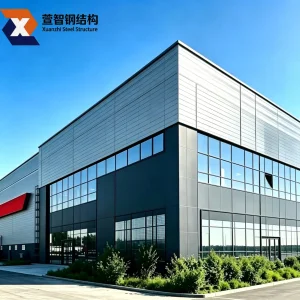
Explore customized light-weight prefabricated designs, agricultural structures, and regional-specific structural steel systems.
Get answers to common engineering, logistics, and assembly questions from our technical design department.
 Dhingia Build