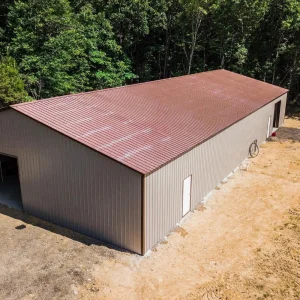
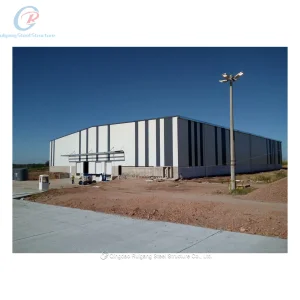
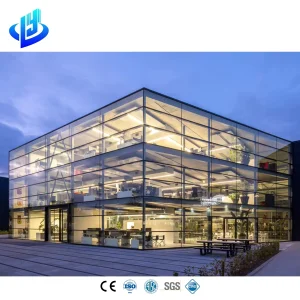
Engineered for strength, scalability, and seamless integration in modern logistics and industrial operations.
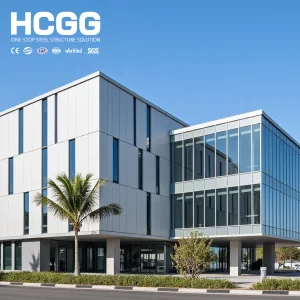
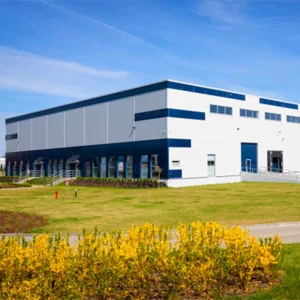
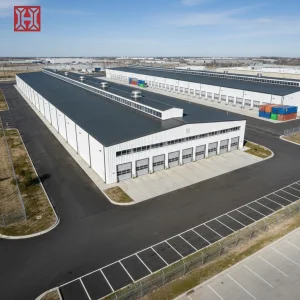
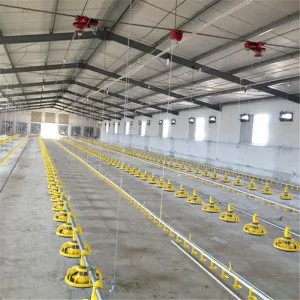
As the global supply chain transitions into a highly dynamic and hyper-connected era, the design, engineering, and manufacturing of industrial steel distribution centers have emerged as critical structural pillars. In a world dictated by rapid commerce turnaround, these facilities are no longer just static holding spaces. They have evolved into highly complex logistics nodes integrated with automated retrieval systems, expansive spans to maximize cubic storage volume, and severe structural demand capabilities to support massive live-load requirements.
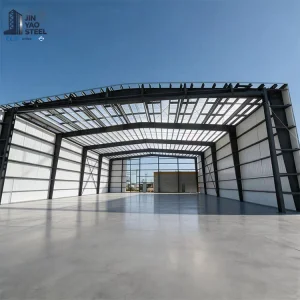
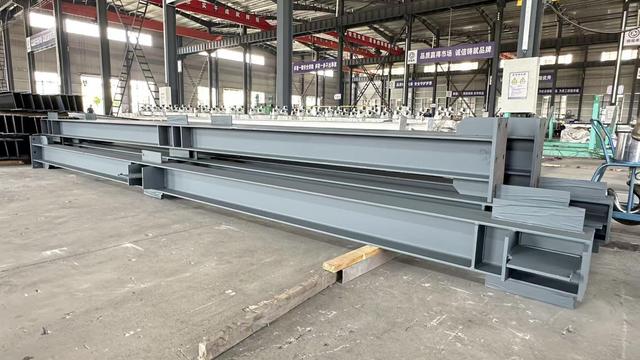
From an engineering perspective, modern distribution hubs require specialized structural frame considerations, including pre-engineered metal building (PEMB) systems, open-web steel joists, built-up H-sections, and composite decks. These design features are tailored to withstand extreme regional environmental stressors, such as high seismic zones, extreme wind speeds, and concentrated roof loads from solar PV setups and HVAC components.
Global procurement teams face shifting challenges. The traditional focus on raw material unit costs has transitioned to a comprehensive Total Cost of Ownership (TCO) perspective. The drivers behind this shift include:
“Supply chain infrastructure is the differentiator of the 21st century. The steel distribution center of today must be designed with the agility to integrate automation and the durability to resist extreme weather events driven by shifting global climates.”
How cutting-edge digital fabrication, robotic welding, and automated logistics define modern steel manufacturing.
By leveraging Level of Development (LOD) 400 Building Information Modeling (BIM), we achieve absolute spatial coordination. Every beam, bolt hole, and connection is digitally mapped, eliminating field conflicts and ensuring seamless erection processes on-site.
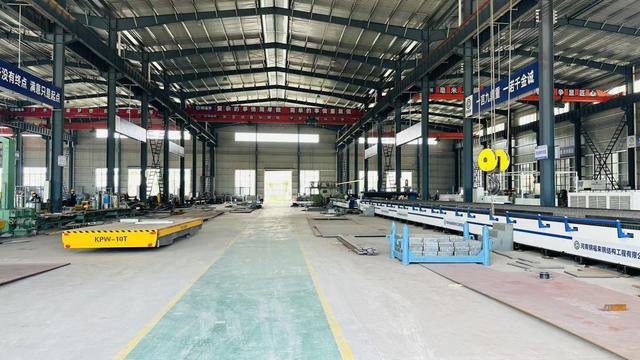
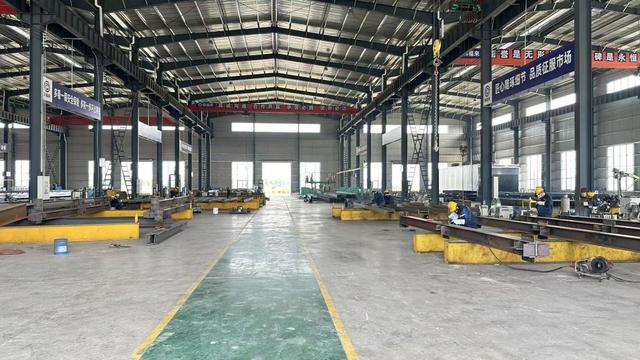
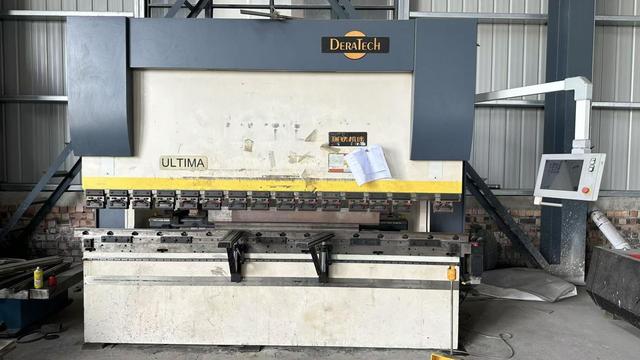
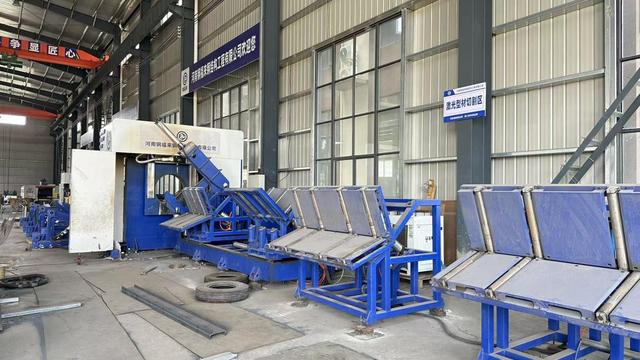
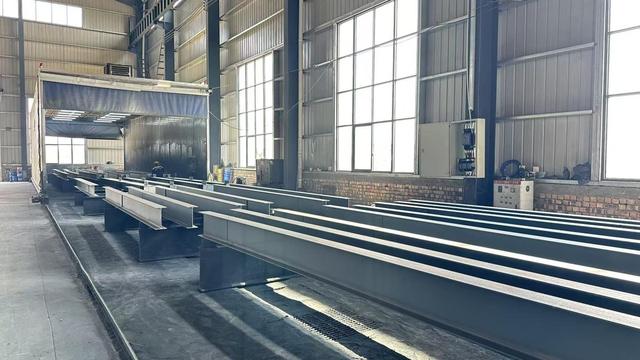
Our state-of-the-art production lines feature CNC multi-torch plate cutting, automated H-beam assembling, and sub-arc robotic welding. This ensures precise dimensional tolerances and structural integrity exceeding international quality benchmarks.
We coordinate complex sea, rail, and land transport networks. From optimized container packaging layouts that prevent transit damage to comprehensive customs clearance documentation, we ensure reliable global delivery.
Industrial facilities must perform reliably under local geographic conditions. A one-size-fits-all structural design carries risks of failure or inefficient over-engineering. Our engineering team customizes solutions for diverse environments:
Cold storage warehouses require continuous thermal insulation. We integrate optimized structural spacing with high-performance polyurethane (PU) or polyisocyanurate (PIR) sandwich panels. Special attention is given to structural column connection details to eliminate thermal bridging, preventing energy leakage and condensate buildup in sub-zero environments.
For coastal ports and marine logistics zones, humidity and chloride ions accelerate steel oxidation. We provide robust corrosion protection systems, including hot-dip galvanization (complying with ASTM A123/ISO 1461) and multi-layered epoxy coating applications. These protective systems are rated for ISO 12944 C4 or C5 corrosive categories to guarantee extended lifetimes without structural deterioration.
In earthquake-prone regions, structural flexibility and ductility are critical safety factors. We engineer high-strength structural framing using specialized moment-resisting connections and braced frames. The structure is configured to dissipate energy effectively, preserving the main structural members from catastrophic failure during seismic events.
Heavy fabrication workshops demand integration of heavy overhead cranes. We design runway girders and bracket systems using fatigue-resistant materials and precise welding configurations. These structures support dynamic wheel loads, reducing vibration and ensuring structural alignment during heavy manufacturing operations.
Guangzhou Dhingia Build Co., Ltd. is a professional China pre-engineered metal building manufacturer specializing in industrial steel structure solutions for customers around the world. With extensive expertise in steel construction engineering and prefabricated building technologies, the company is dedicated to providing high-quality, cost-effective, and customized building systems for diverse industrial and commercial applications.
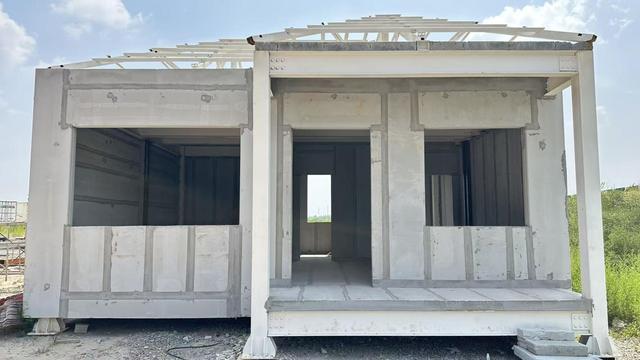
The company offers a wide range of products, including pre-engineered metal buildings, industrial steel structures, steel warehouses, manufacturing plants, logistics centers, commercial buildings, workshop facilities, and custom-engineered construction solutions. Designed to meet international standards, these building systems are known for their structural strength, rapid installation, long service life, and excellent cost efficiency.
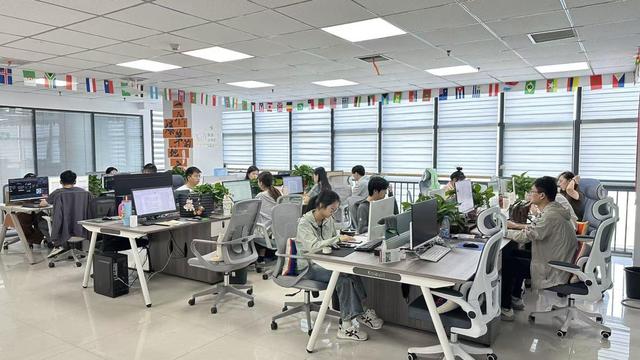
Guangzhou Dhingia Build Co., Ltd. operates modern manufacturing facilities equipped with advanced steel fabrication machinery, automated production lines, and comprehensive quality inspection systems. Supported by an experienced team of engineers, designers, and project managers, the company provides one-stop services covering project consultation, structural design, engineering analysis, manufacturing, quality control, and international logistics coordination.
Innovation and quality are fundamental to the company's development strategy. By integrating advanced design software and precision manufacturing technologies, Dhingia Build delivers reliable steel structure solutions that help customers reduce construction time, minimize labor costs, and improve overall project efficiency. The company's products are widely used in industrial production facilities, warehouses, agricultural buildings, commercial complexes, infrastructure projects, and large-scale storage applications.
Committed to the principles of quality, integrity, and customer satisfaction, Guangzhou Dhingia Build Co., Ltd. has established strong partnerships with clients across Asia, Europe, the Middle East, Africa, and the Americas. The company continues to provide innovative industrial steel structure solutions that support sustainable growth and create long-term value for global customers.
Direct answers from our senior engineering team on materials, standards, and international execution.
Engineered for strength, scalability, and seamless integration in modern logistics and industrial operations.
 Dhingia Build