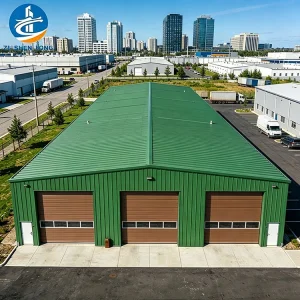
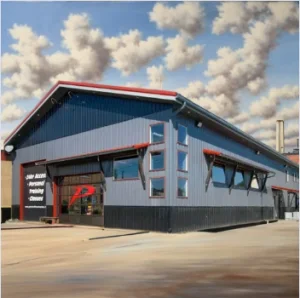
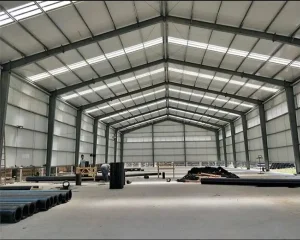
Premium pre-engineered structural packages optimized for commercial applications in Cameroon's primary logistics hubs.
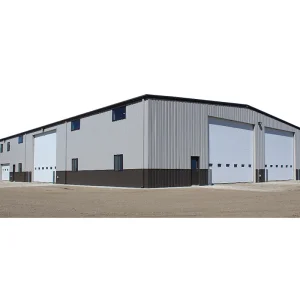
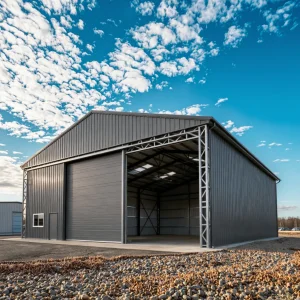
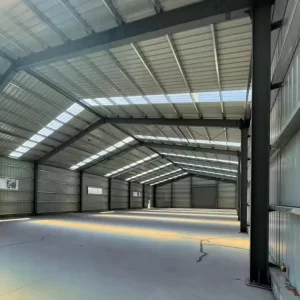
The Republic of Cameroon is undergoing a profound structural transition in its urban commercial sector. Key metropolitan nodes, notably Douala (the economic engine and primary maritime port), Yaoundé (the administrative capital), Bafoussam, and Garoua, are experiencing rapid consumption growth, demanding immediate, reliable, and high-performance commercial spaces. Historically, local infrastructure projects relied heavily on cast-in-place concrete masonry—a system now plagued by prolonged timelines, high raw material waste, and vulnerability to seismic and shifting soil factors characteristic of Central Africa's geography.
To keep pace with the entry of international supermarket chains, local retail conglomerates, and specialized wholesalers, developers are pivoting towards Pre-Engineered Steel Buildings (PEB). Modern metal buildings offer an unparalleled fast-track construction framework, allowing retail operations to open up to 50% faster than traditional building techniques. By bypassing the seasonal concrete curing bottlenecks during Cameroon's intense rainy season, developers maximize ROI and secure crucial time-to-market advantages.
Designing structures for Cameroon requires a deep understanding of local geological and climatic profiles. The coastal strip around Douala and Kribi is characterized by high relative humidity (frequently exceeding 85%), high soil salinity, and heavy monsoon rains (exceeding 4,000mm annually). Inland locations like Yaoundé feature hilly clay terrains, requiring optimized foundation design and weight distribution, while the northern regions experience semi-arid, high-heat environments with extreme diurnal temperature variations.
Modern retail and distribution facilities are no longer simple four-wall boxes. They require flexible, open spaces to maximize product display, support changing interior layouts, and accommodate high-volume pedestrian and logistics traffic. Guangzhou Dhingia Build Co., Ltd. custom designs structures utilizing advanced computer-aided design (CAD) and Tekla Structures 3D modeling systems to deliver multiple configurations:
Eliminates interior load-bearing columns for distances up to 60 meters. Ideal for supermarkets, showrooms, and warehouse stores where unobstructed sightlines and optimized floor layouts are essential for customer flow.
Multi-tier steel frame systems incorporating composite concrete slabs on metal decking. Perfect for mixed-use urban developments in dense commercial centers like Akwa (Douala) or Bastos (Yaoundé).
Specially sealed steel frame designs integrated with food-grade sandwich wall panels, optimized to maintain stable cold-chain distribution for perishable retail products under extreme ambient tropical temperatures.
In Cameroon, import and construction activities are subject to local oversight by the Ministère de l'Habitat et du Développement Urbain (MINHDU) and compliance with CEMAC (Central African Economic and Monetary Community) standards. To ensure hassle-free custom clearance at the Douala Autonomous Port (PAD) and subsequent structural sign-off, Guangzhou Dhingia Build Co., Ltd. conforms its manufacturing designs to major global standards including:
Our logistical coordination handles standard and open-top containers, protecting structural components during ocean transit from Guangzhou port to West Africa. All shipments are packed with detailed inventory logs and color-coded labels mapped to Tekla 3D erection models for streamlined local site unpacking.
Guangzhou Dhingia Build Co., Ltd. is a professional China pre-engineered metal building manufacturer specializing in industrial steel structure solutions for customers around the world. With extensive expertise in steel construction engineering and prefabricated building technologies, the company is dedicated to providing high-quality, cost-effective, and customized building systems for diverse industrial and commercial applications.
Operating out of modern manufacturing facilities in Guangdong’s industrial heartland, Dhingia Build leverages advanced Factory 4.0 automation. Our automated production lines feature state-of-the-art CNC plasma cutting machines, heavy-duty H-beam welding lines, automated shot-blasting machines to achieve Sa 2.5 surface cleanliness, and multi-spindle drilling centers. This precision ensures that every bolt-hole, welding bead, and connection plate is prefabricated to tolerance levels under 1mm, drastically reducing on-site modifications and labor hours in Cameroon.
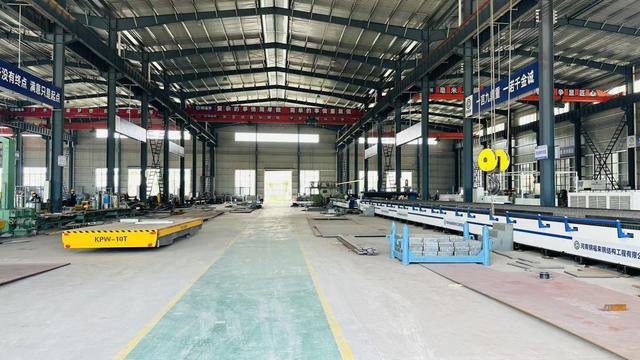
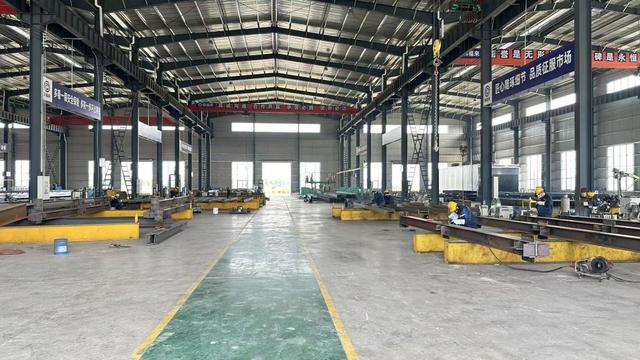
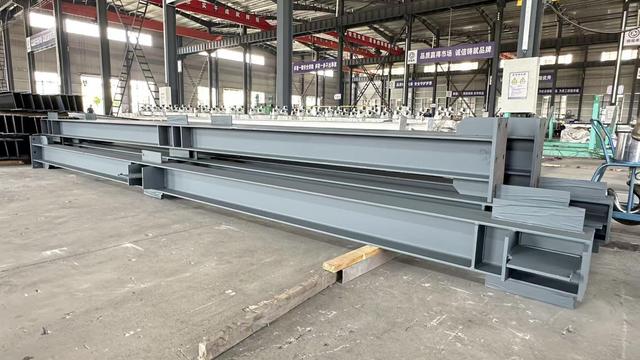
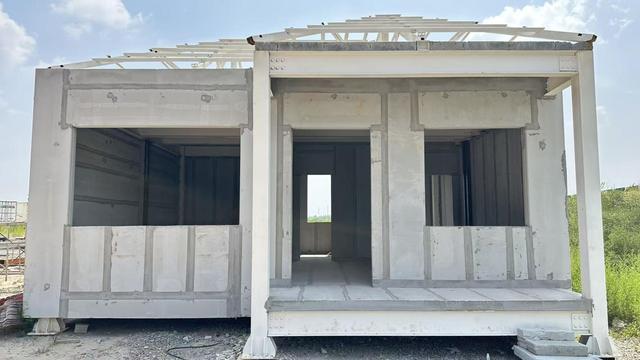
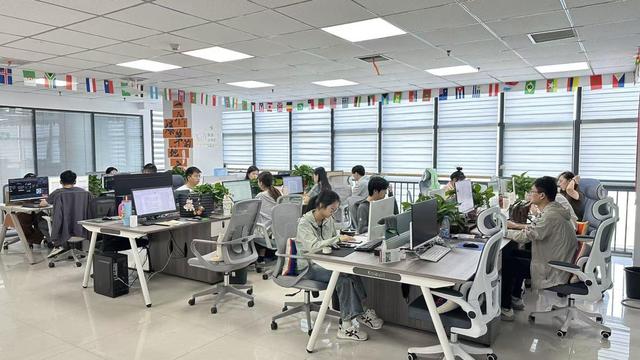
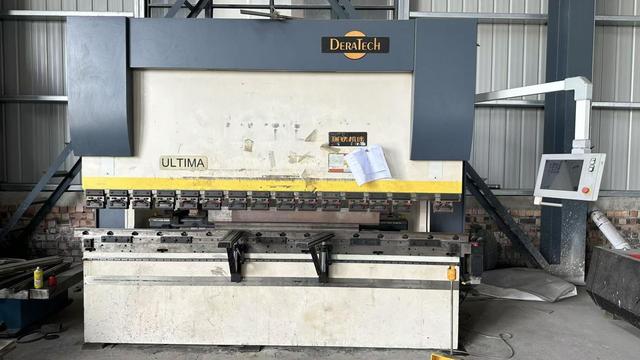
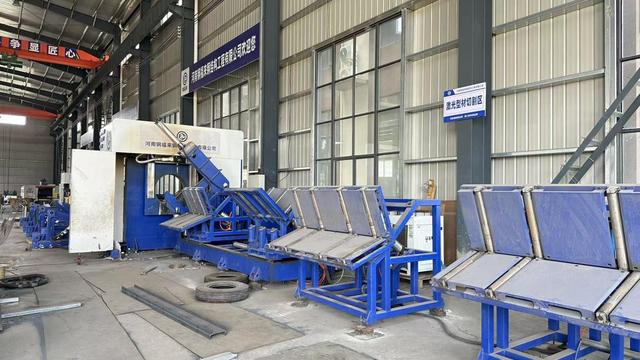
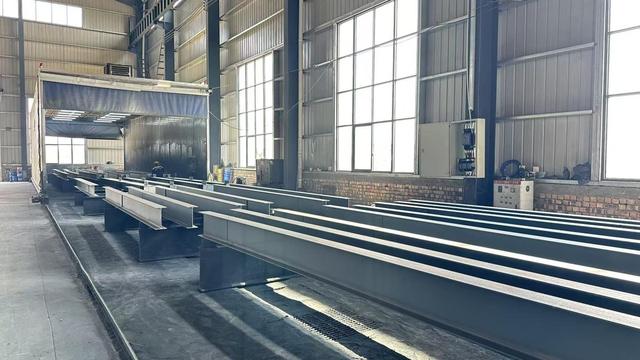
By integrating design, detailed modeling, component fabrication, and delivery under one roof, Dhingia Build maintains a resilient supply chain. Our partnerships with top steel mills in China ensure stable access to high-grade raw materials (S355JR / Q355B equivalent structural steel), shielding global and local Cameroonian developers from raw material volatility.
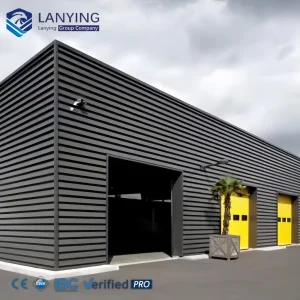
High-capacity steel buildings designed for complex operating environments across the CEMAC region.
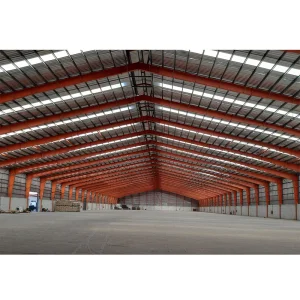
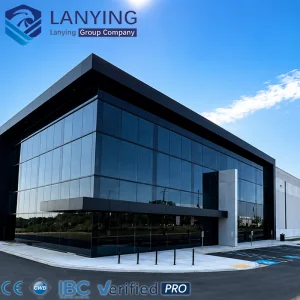
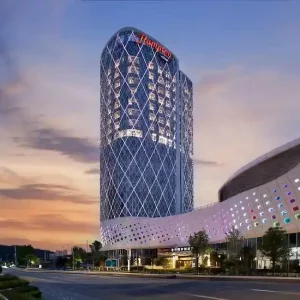
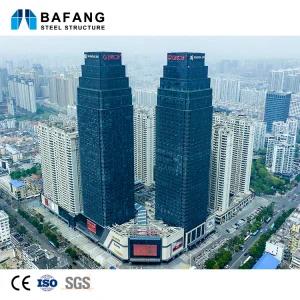
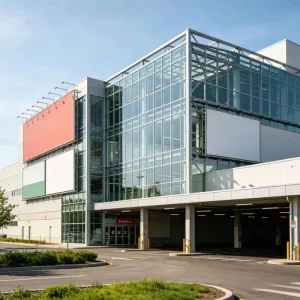
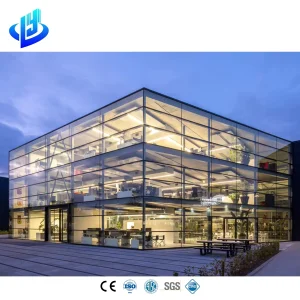
Adaptable structural kits and long-span configurations to optimize multi-functional zones.
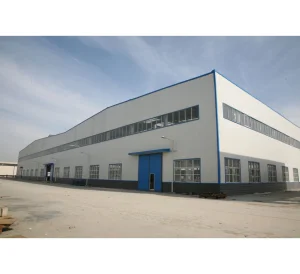
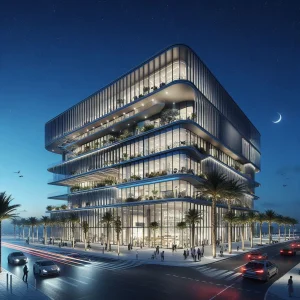
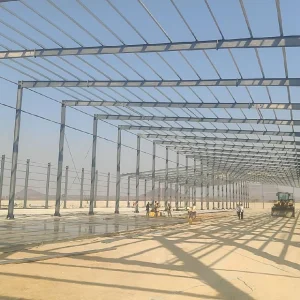
Direct answers to technical, engineering, and logistics questions regarding steel building implementation in Cameroon.
With appropriate engineering configurations, our steel buildings boast a design life exceeding 50 years. For high-humidity coastal zones like Douala and Limbe, we recommend hot-dip galvanization (minimum Z275 coating weight) or sandblasting to Sa 2.5 followed by high-solid epoxy primers and polyurethane finishes. This protection provides maximum resilience against atmospheric corrosion (matching C4/C5 corrosive classes).
Yes. We design our structures strictly in accordance with Eurocode 3 (EN 1993) standards, which are widely accepted and used by Cameroonian civil engineers and the Ministry of Housing and Urban Development (MINHDU). Upon request, our engineering team provides full calculation sheets and Tekla CAD structural drawings to facilitate local design approvals.
All elements are manufactured at our factory in Guangzhou, China. They are packed in 40ft HQ or open-top shipping containers. Shipping transit to Douala Autonomous Port (PAD) or Kribi Deep Seaport typically takes 35 to 45 days. We provide comprehensive documentation packages—including Bills of Lading, Commercial Invoices, Packing Lists, and Certificates of Origin—and coordinate with SGS or BV for smooth ANOR pre-shipment inspections.
For retail supermarkets, malls, and cold-chain warehouses, we recommend using Polyisocyanurate (PIR) or high-density Rockwool sandwich panels. Panel thicknesses of 50mm, 75mm, or 100mm are ideal. These panels offer low thermal conductivity (U-values) and excellent fire ratings, ensuring optimal indoor temperatures and minimizing ongoing HVAC energy costs.
The steel structural elements are prefabricated with precision for a bolt-together assembly, eliminating the need for on-site welding. Local construction crews can execute the assembly using our detailed 3D installation drawings, marked components, and step-by-step layout blueprints. For large-scale projects, Dhingia Build can coordinate remote video technical support or dispatch experienced installation engineers to guide your local general contractor.
Get in touch with our team for a comprehensive structural consultation, detailed 3D engineering analysis, and direct factory pricing optimized for your site conditions.
 Dhingia Build