Dhingia Build
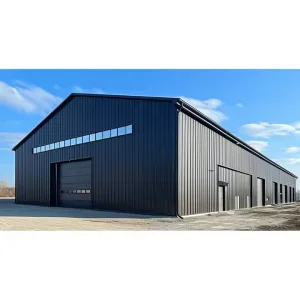
Uzbekistan’s Industrial Shift: The Need for High-Capacity Pre-Engineered Metal Hangars
As Central Asia’s most populous country, Uzbekistan is undergoing a historic economic transformation. Guided by the national "Strategy Uzbekistan - 2030", the republic is rapidly positioning itself as the primary logistics crossroads linking Western China, South Asia, and the Middle Eastern corridors. The expansion of Free Economic Zones (FEZs) such as Navoi, Angren, and Jizzakh, coupled with the sweeping modernization of Tashkent International Airport (TAS) and local regional hubs (such as Samarkand and Namangan), has generated an unprecedented demand for large-span industrial buildings.
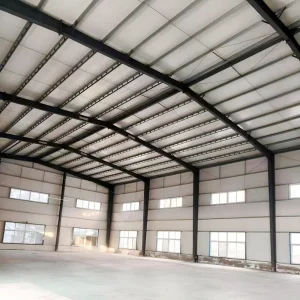
Specifically, the aviation sector requires specialized Aircraft Hangar Buildings to support maintenance, repair, and overhaul (MRO) activities. Civil operators, cargo airlines, and military operations alike require hangars capable of hosting modern narrow-body and wide-body airliners (such as the Boeing 787, Airbus A320neo, and regional turboprops). These complex engineering undertakings require structural clear-spans exceeding 50 to 80 meters without internal column supports, demanding advanced engineering design, high-tensile Chinese steel grades (Q355B), and state-of-the-art structural geometry.
Office Metal Buildings & Site Infrastructure Integration
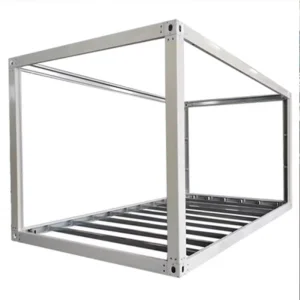
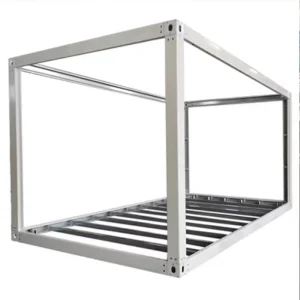
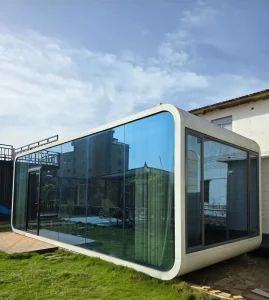
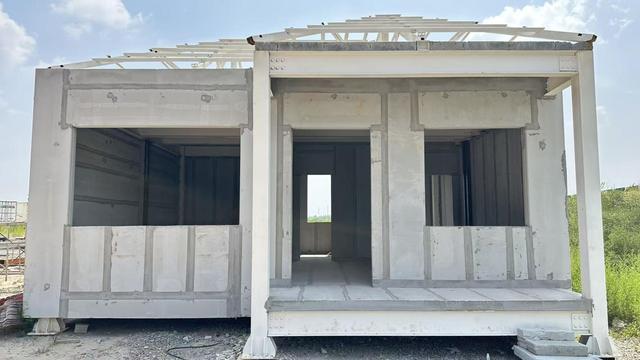
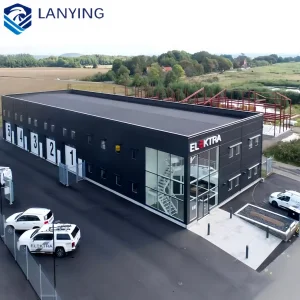
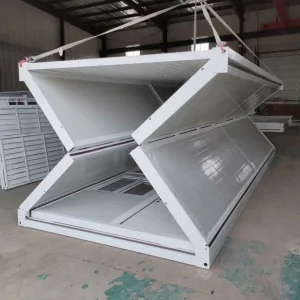
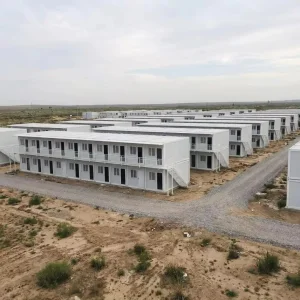
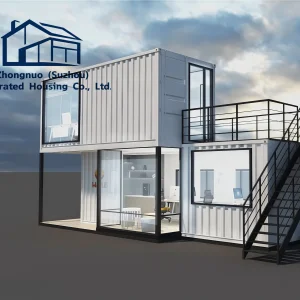
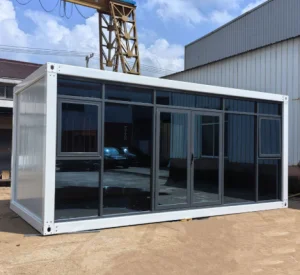
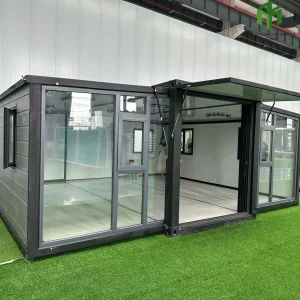
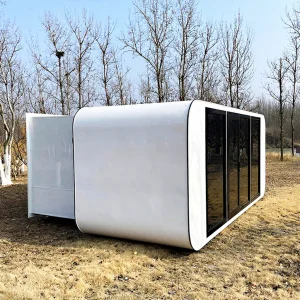
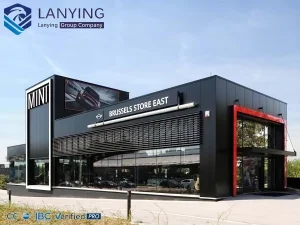
A hangar facility is never an isolated structure. Modern aviation and logistics hubs demand complete ecosystem integration, combining heavy aircraft docks with administrative facilities, crew rest quarters, pilot training lounges, and customs clearance pods. This is where Office Metal Buildings play a crucial role. Prefabricated modular offices, multi-story structural steel office blocks, and transportable container-derived cabins are integrated into the hangar design.
By selecting pre-engineered modular office systems, investors in Uzbekistan can bypass lengthy masonry curing times and concrete pouring bottlenecks. These steel-framed structures are designed to sit adjacent to or inside the hangar's high-bay space, providing sound-insulated, thermally efficient, and ergonomically superior workspaces for engineers, custom officials, and administration staff.
"Integrating clear-span MRO hangars with high-durability modular steel office cabins accelerates civil aviation site deployment by up to 45% compared to traditional reinforced concrete foundations." — Chief Engineering Director, Guangzhou Dhingia Build Co., Ltd.
Seismic Codes (KMK) & Extreme Continental Climate Compliance
Structural steel engineering in Uzbekistan cannot use standard off-the-shelf calculations. It must rigidly comply with the local building codes: KMK 2.01.03-96 (Construction in Seismic Regions) and KMK 2.01.07-96 (Loads and Actions). Uzbekistan lies within an active seismic zone; major urban centers like Tashkent and Samarkand are rated for MSK-64 scale seismic intensities of 8.0 to 9.0 magnitudes.
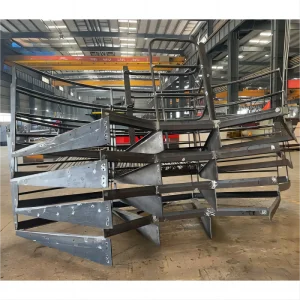
To guarantee structural reliability under these critical horizontal shear forces, our engineering team utilizes finite element analysis (FEA) software (Tekla Structures and SAP2000) to design heavy-duty moment-resisting frames (MRFs) with robust bolted connections. Additionally, the extreme continental climate—where temperatures fluctuate from over +45°C during the dry summer heat to -25°C in the freezing winter—requires advanced wall and roof cladding. Our standard engineering incorporates premium Polyisocyanurate (PIR) and high-density Rockwool sandwich panels to prevent condensation, minimize thermal bridging, and significantly reduce HVAC operating costs.
| Engineering Parameter | PIR Sandwich Panel Cladding | Rockwool (Mineral Wool) Cladding | Traditional Concrete / Brickwork |
|---|---|---|---|
| Thermal Conductivity (U-Value) | 0.022 W/m·K (Superior insulation) | 0.038 W/m·K (Standard insulation) | 1.30 W/m·K (Extremely poor insulation) |
| Seismic Dead Load Impact | Minimal (Lightweight, reduces frame stress) | Moderate (Lightweight, flexible) | Extremely High (Increases base shear forces) |
| Fire Rating (EN 13501) | Class B-s1, d0 (Flame retardant) | Class A1 (Non-combustible, high MRO rating) | Class A1 (Non-combustible) |
| Assembly Speed | Instant dry-joint installation | Instant dry-joint installation | Slow, climate-dependent wet curing |
China Factory Supply Chain Advantages & Multimodal Logistics
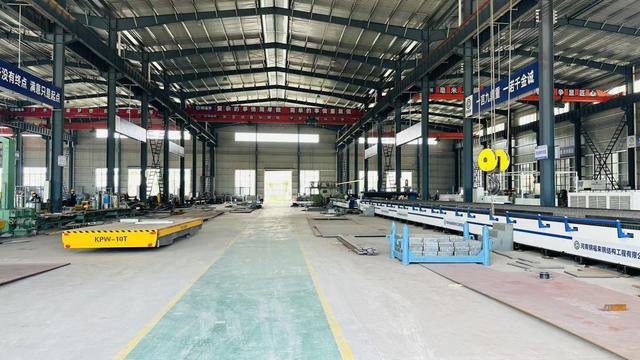
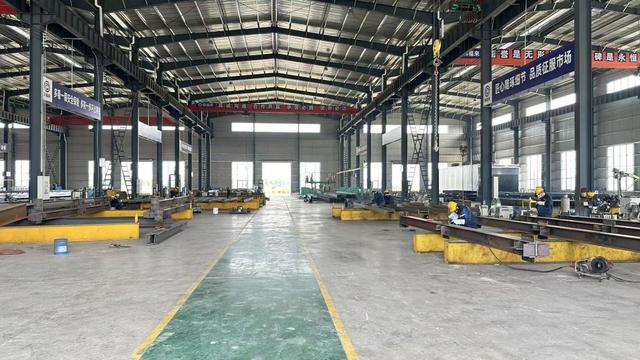
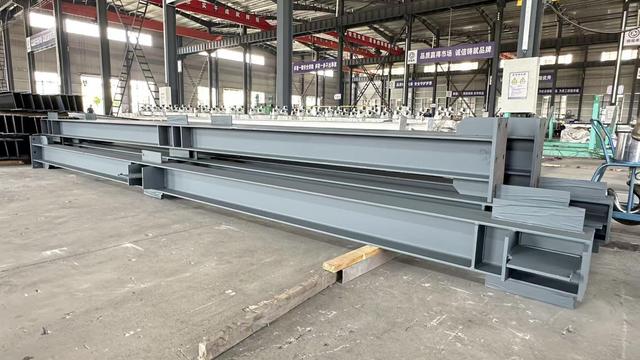
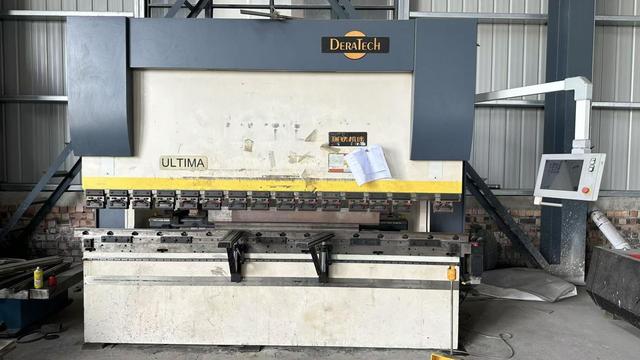
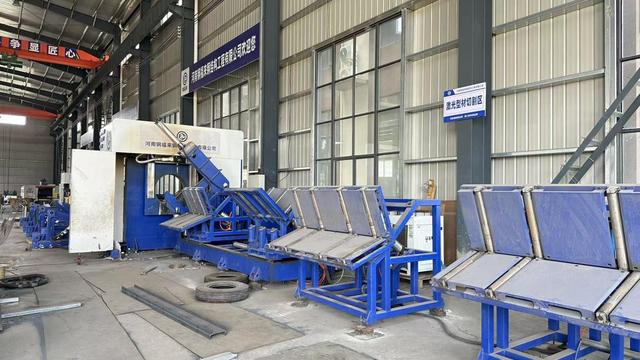
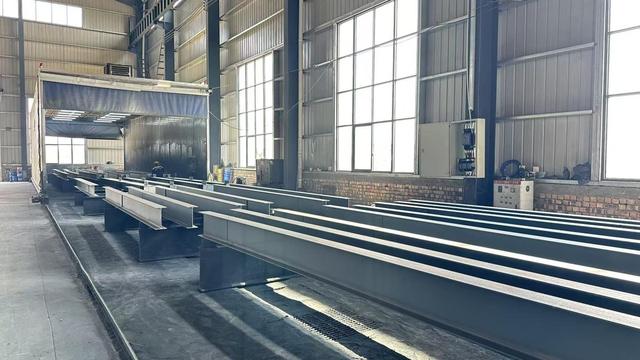
Guangzhou Dhingia Build Co., Ltd. leverage the formidable industrial supply chain ecosystem of South China to provide unrivaled structural solutions. Our manufacturing facilities are equipped with automated H-beam welding lines, heavy-capacity shot-blasting machines, and high-precision CNC plasma cutting tools. Every component is cut, drilled, and welded to tolerances measured in millimeters under strict ISO 9001:2015 and CWB standards.
Our geographical location and shipping networks permit seamless export to Central Asia. Logistics are managed via the China-Kyrgyzstan-Uzbekistan (CKU) highway corridor or the established rail freight routes originating from Lianyungang/Guangzhou through Khorgas (Kazakhstan) directly into the Tashkent Freight Terminal (Chukursoy). All structural parts, including primary steel frames, purlins, truss elements, bolts, and cladding profiles are packed and secured in 40ft High Cube (HQ) containers or Open Top containers to minimize damage risks and simplify offloading at the job site.