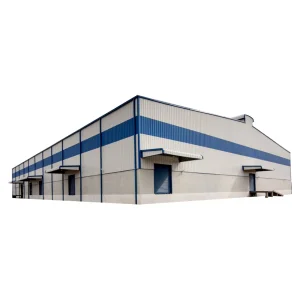
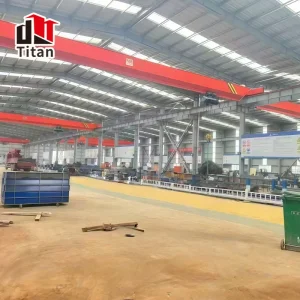
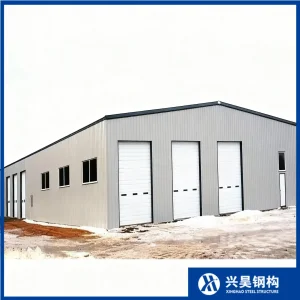
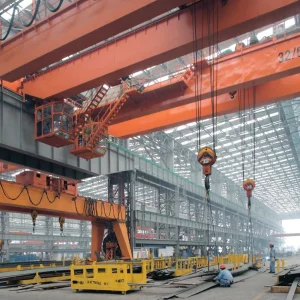
Heavy Industrial Steel Structure Building /Steel Building

Customization: Available
After-sales Service: as Per Design Life Circle
Layers: Single-Layer

Product Description

Overview
Framing Options
Types of Portal Frame
Industrial Engineering Photos
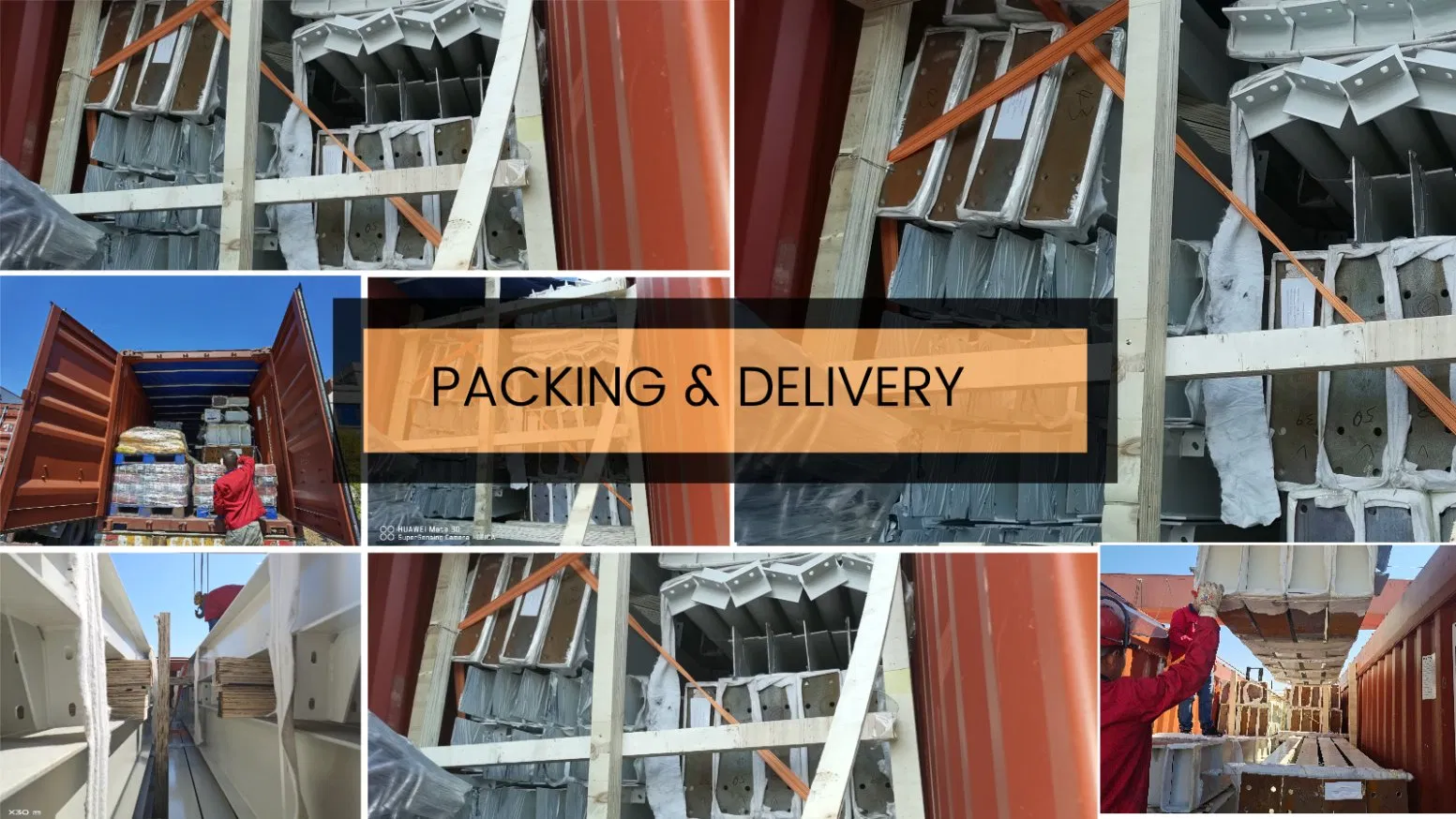
Packaging & Shipping
Basic Info.
Model NO. ZPBUILDINGS
Usage Specialized Workshop, Customized Design
Surface Treatment Painted & Galvanizing
Standard Aws D1.1/ En1090
Design Services Free Design
Structure Type 1 Latticetruss
Structure Type 2 Portal Frame
Structure Type 3 Suspended
Transport Package Bundle Frames & Container & Bulk
Specification AS PER DESIGN
Origin China
HS Code 730890
Production Capacity 20, 000.00 Metric Tons
Packaging & Delivery
Package Size 1200.00cm * 240.00cm * 259.00cm
Package Gross Weight 25000.000kg
Product Description
Heavy Industrial Steel Structure Building /Steel Building

Industrial Steel Buildings | Steel workshop | Steel Shed | Steel Frame | Steel Warehouse

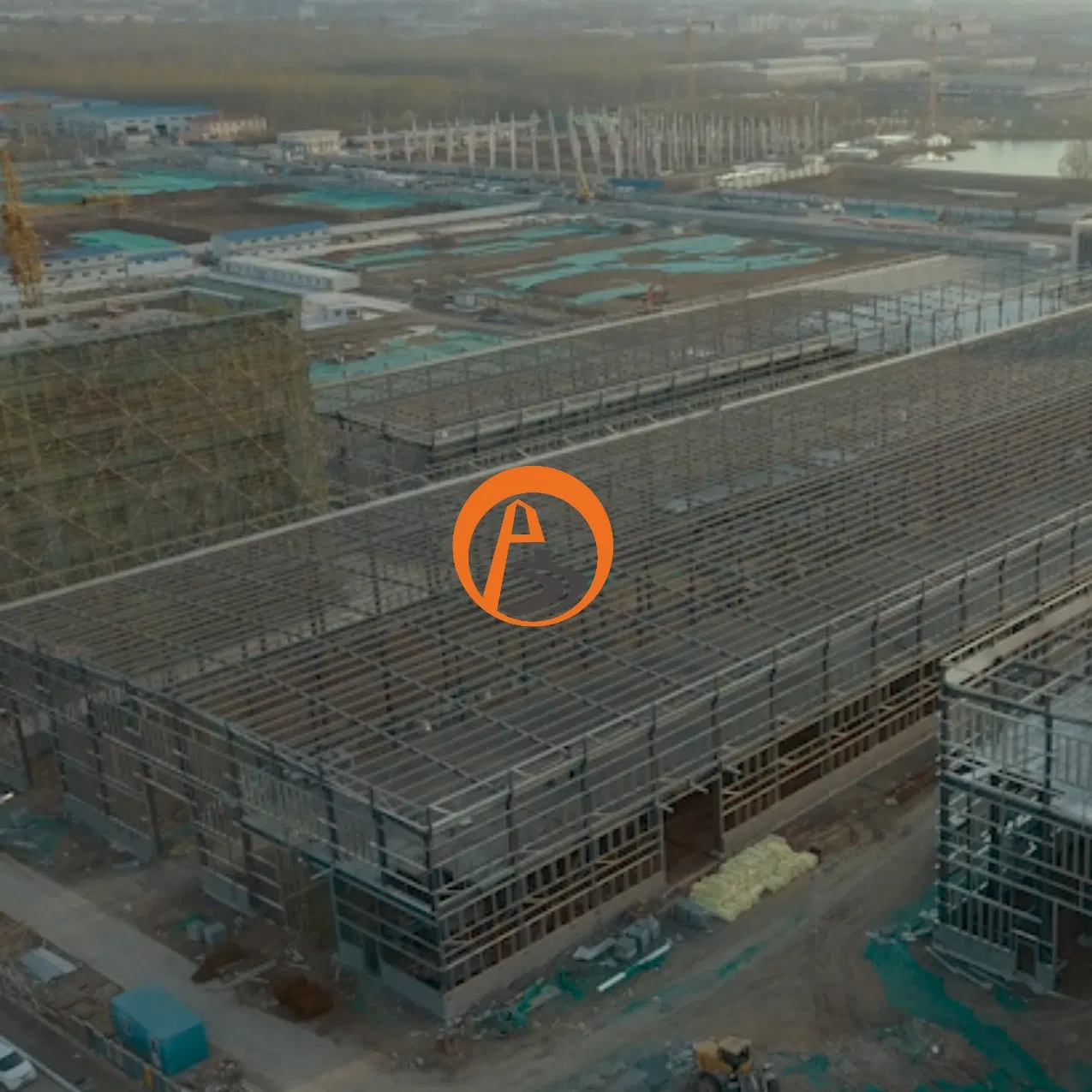
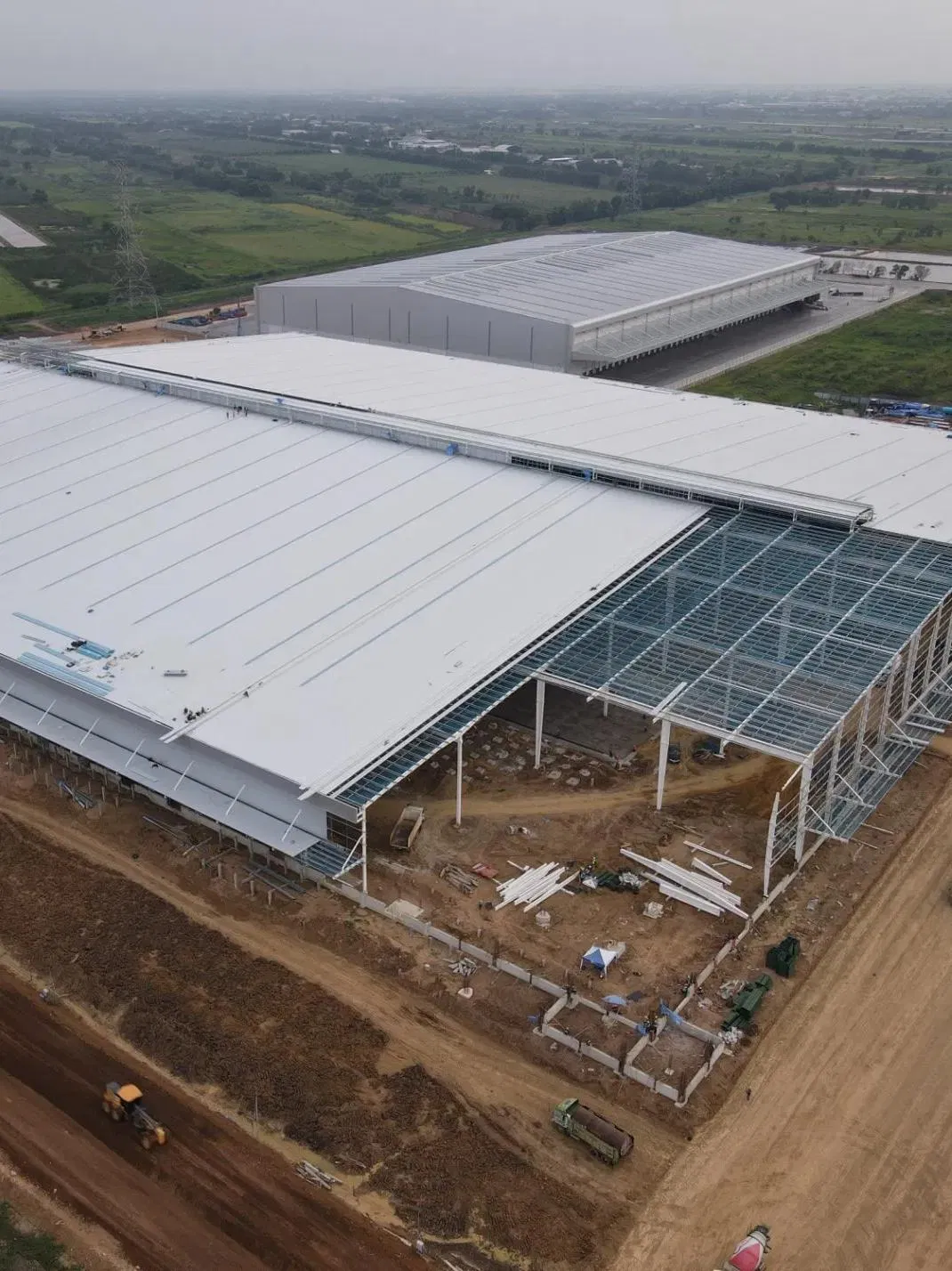
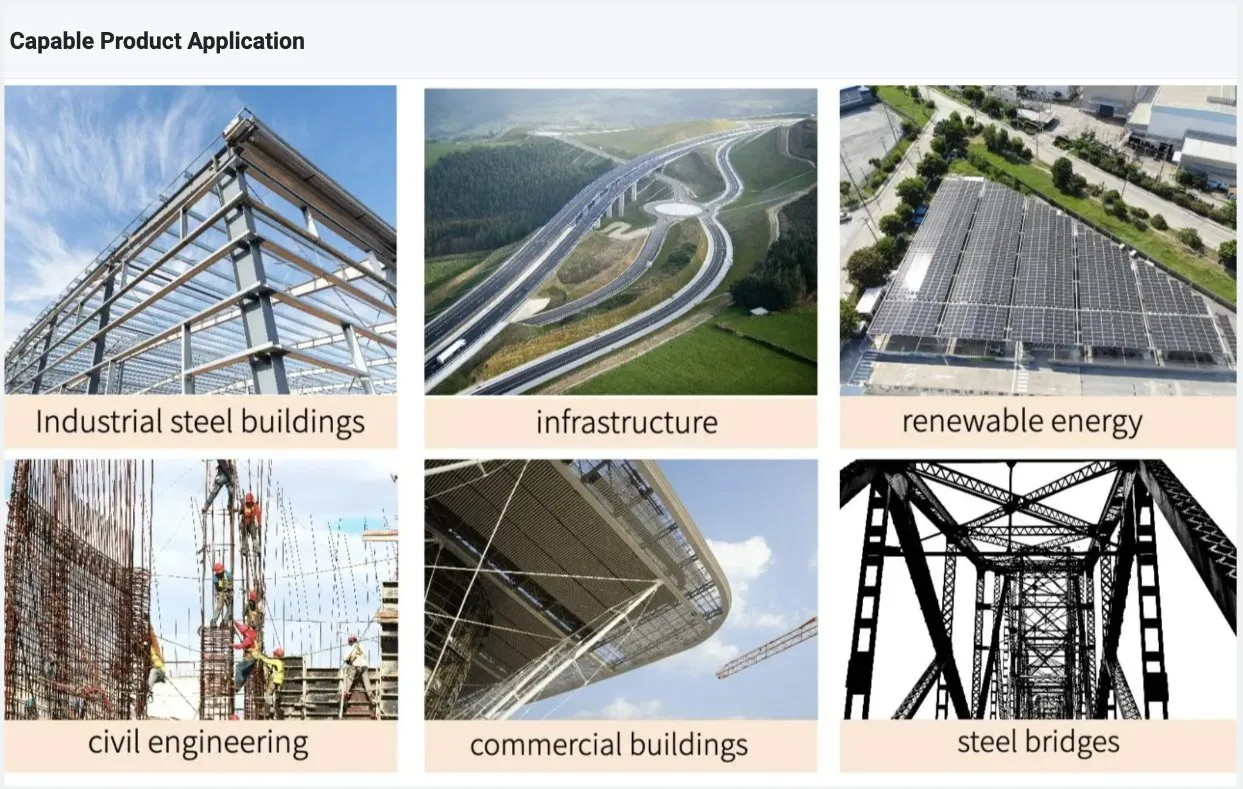
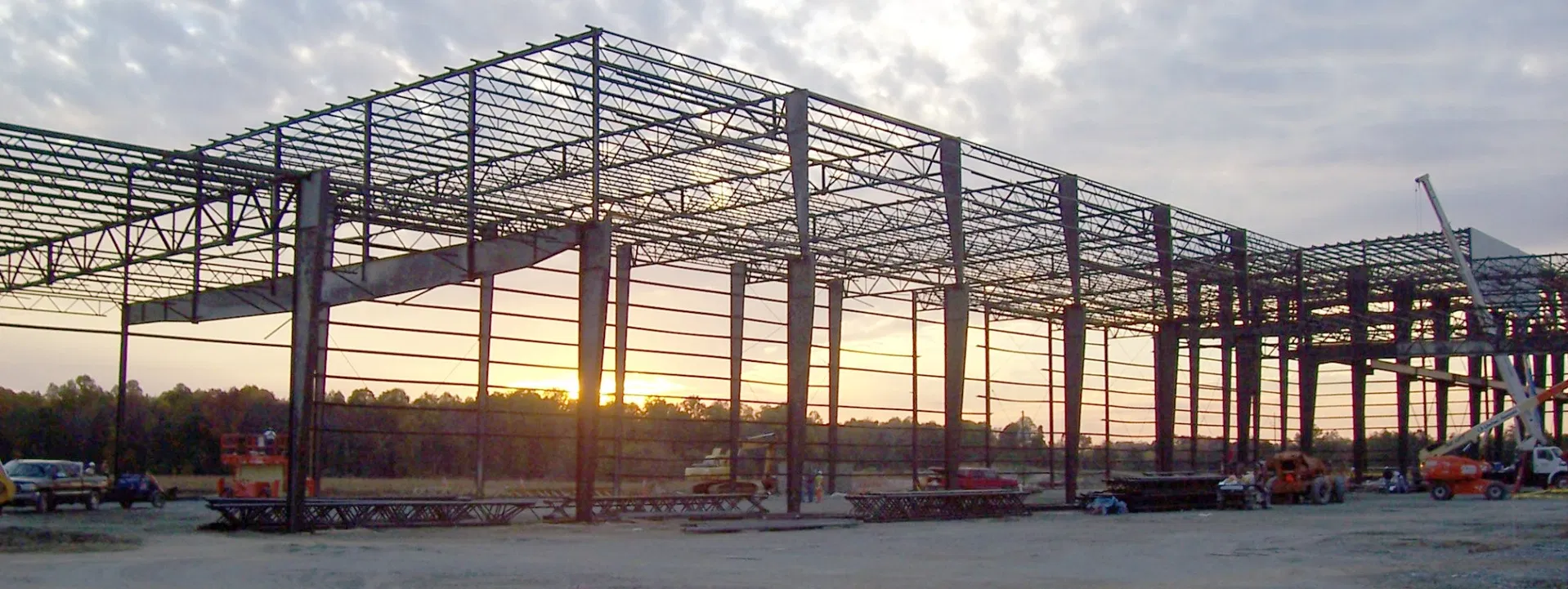
Steel Structure buildings are the largest sector of the global industrial construction market, representing upwards of 70% of total activity. These buildings are typically used for workshops, factories, industrial and distribution warehouses and retail and leisure. Sizes vary from small workshops of just a few hundred square meters up to massive distribution warehouses covering over one hundred thousand square meters.

Contribute to huge improvements in quality, cost and delivery performance of our design, fabrication as well as engineering ability, these improvements have been achieved through increasingly efficient use of the portal frame, improved project planning, and active supply chain management.

Modern industrial steel structure buildings taking advantage of the latest advances in automated fabrication and construction techniques can provide economic solutions to the demands of safety, rapid construction, aesthetics, shallow construction depth, minimal maintenance and flexibility in future use. Steel also scores well on all the sustainability measures and offers a broad range of benefits addressing the economic, environmental, and social priorities of the 'triple bottom line' of sustainability.

SUSTAINABILITY PRIORITIES

Economic priorities:
- Efficient use of resources
- Minimum disruption
- Durability
- Adaptability

Environmental priorities:
- Recycling and re-use
- Minimum CO2 energy burdens
- Minimum waste
- Lightweight construction

Social priorities:
- Sustainable communities
- Health and safety
- Minimum impact
- Aesthetically pleasing bridges
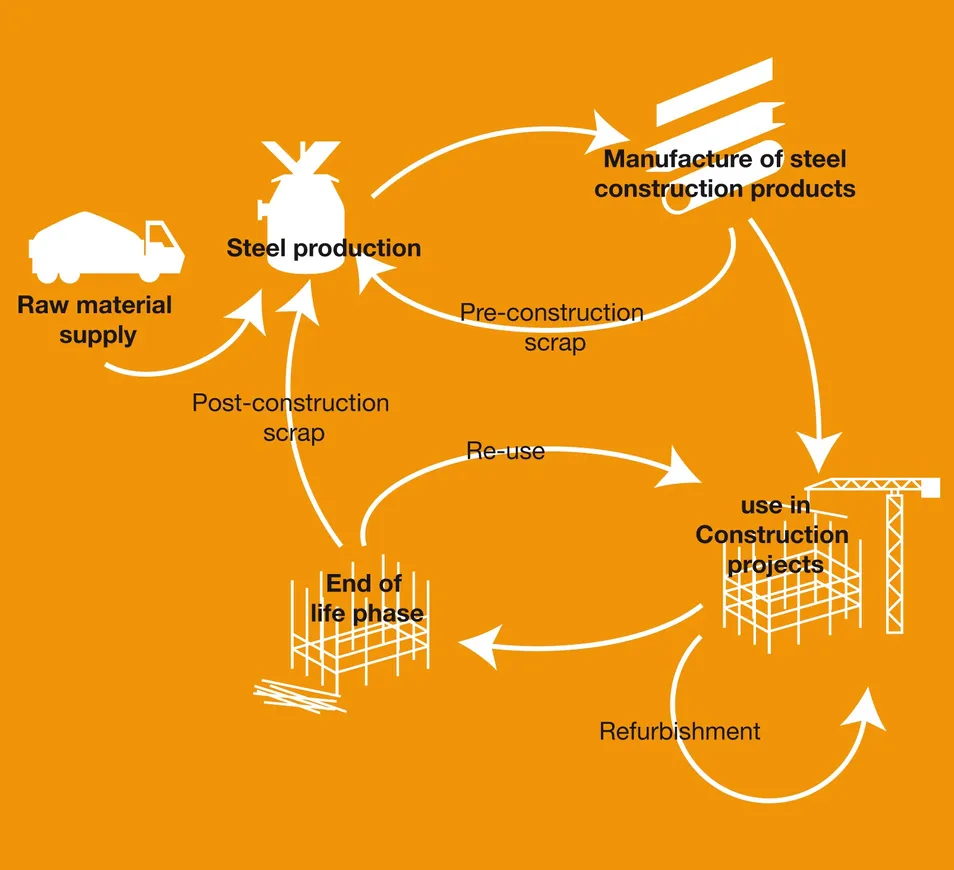
Heavy Industrial Steel Structure Building /Steel Building
Design Requirements

The following overall design requirements should be considered at the concept design stage of single or multiple storey industrial buildings:
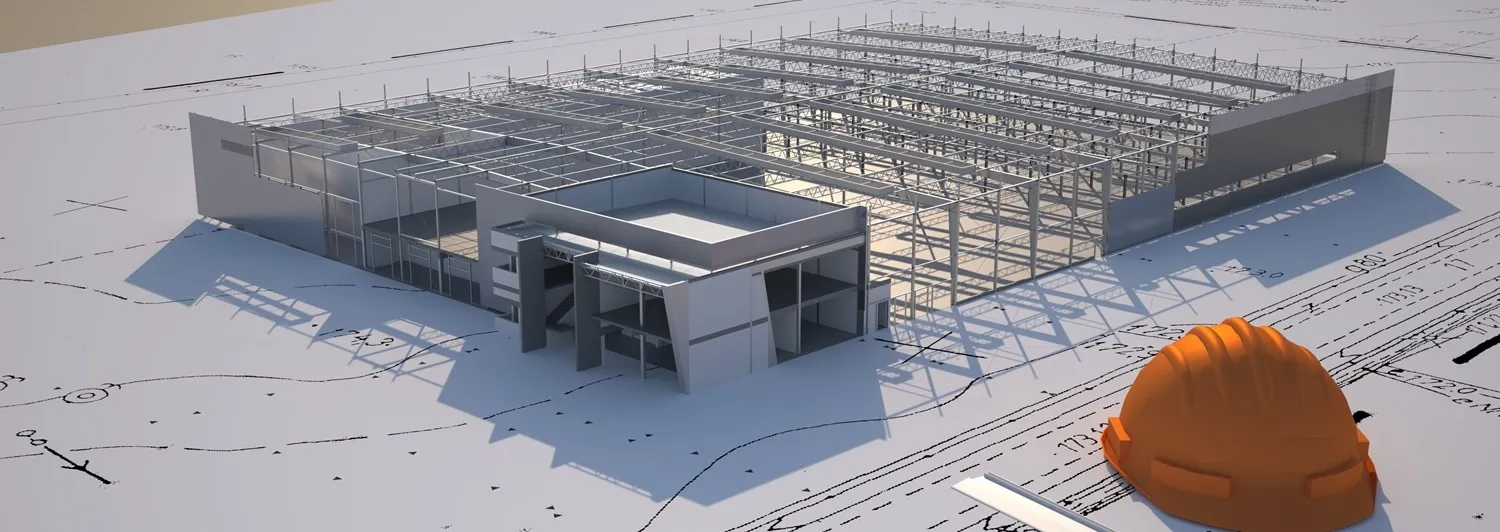
  • Space use, for example, specific requirements for handling of materials or components in a production facility
  • Flexibility of space in current and future use
  • Speed of construction
  • Environmental performance, including services requirements and thermal performance
  • Aesthetics and visual impact
  • Acoustic isolation, particularly in production facilities
  • Access and security
  • Sustainability considerations
  • Design life and maintenance requirements, including end of life issues.
Heavy Industrial Steel Structure Building /Steel Building
Features & Specifications
1. Size Web plate 6MM---100MM; Flange plate 6-100MM; Or as per design
2. Materials ASTM A572 Gr50/A36, S355JR, Q235B, Q355B or as per design
3. Fabrication Standard AWS D1.1 | ISO | GB | EN1090 | AS/NZS
4. Surface Treatment Hot Dipped Galvanized/Painting | Powder Coated
5. Welding Art FCAW/GTAW/GMAW/MCAW/SAW/ESW/PAW/LBW
Required Information for Pricing:
  • Exact size: length * width * height.
  • Wind speed (max speed)
  • Snow load (kg/m2 in max situation)
  • Earthquake grade (if applicable)
  • Live load and dead load for roof and flooring (special for multi-floor buildings)
  • Requirements for windows and doors
  • Max height and weight for crane to lift
  • Roof and wall requirements
  • Length: As per design
Framing Options
Heavy Industrial Steel Structure Building /Steel Building

-- Portal Frames

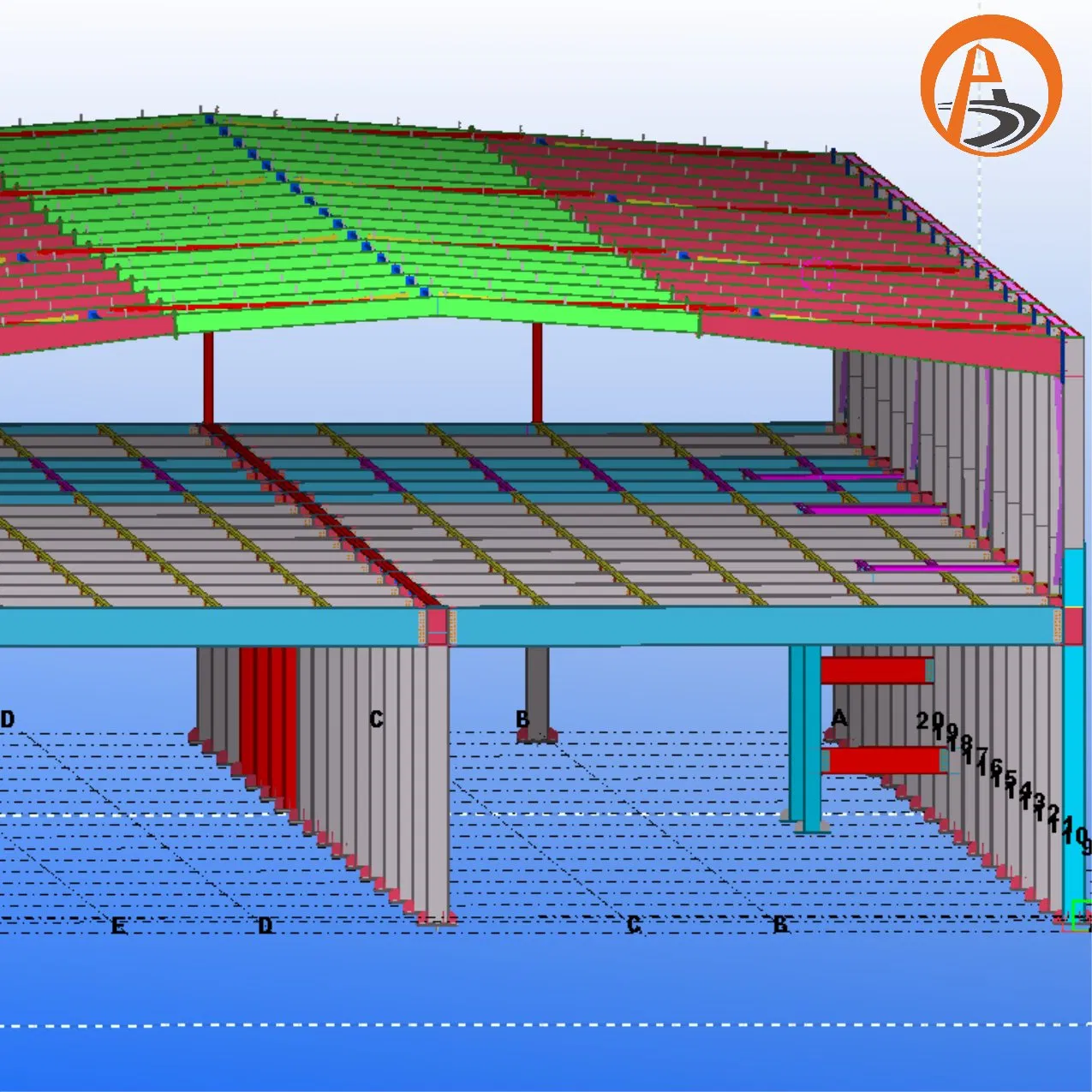
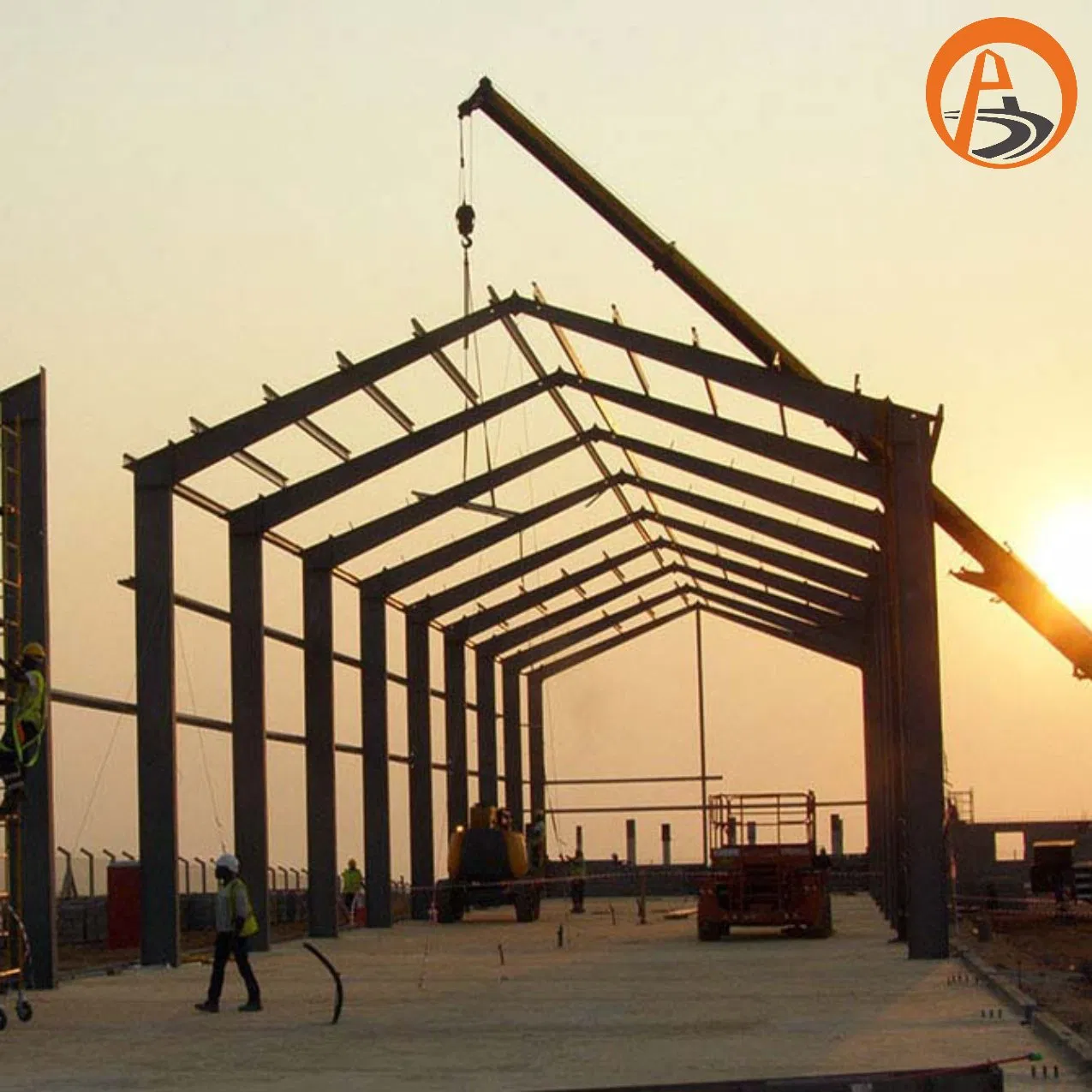
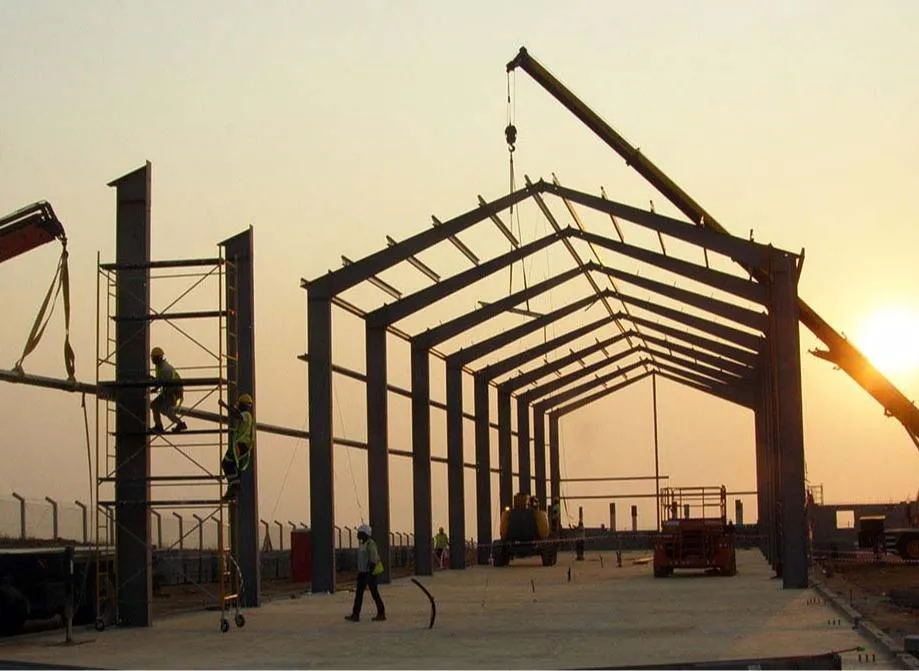
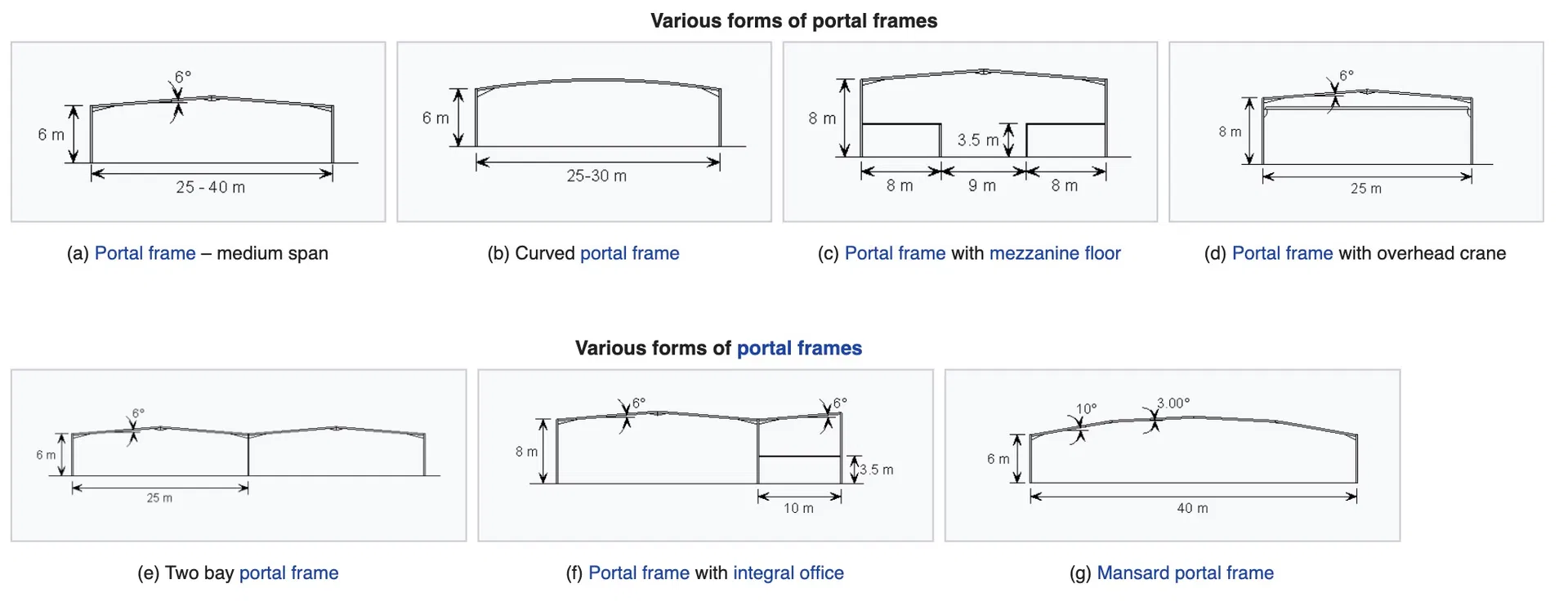
There are two main framing options for single storey industrial buildings: styles to meet your needs. The vast majority of single storey, steel framed buildings are portal frame which developed rapidly to become the predominant form of single storey construction since 1960s.

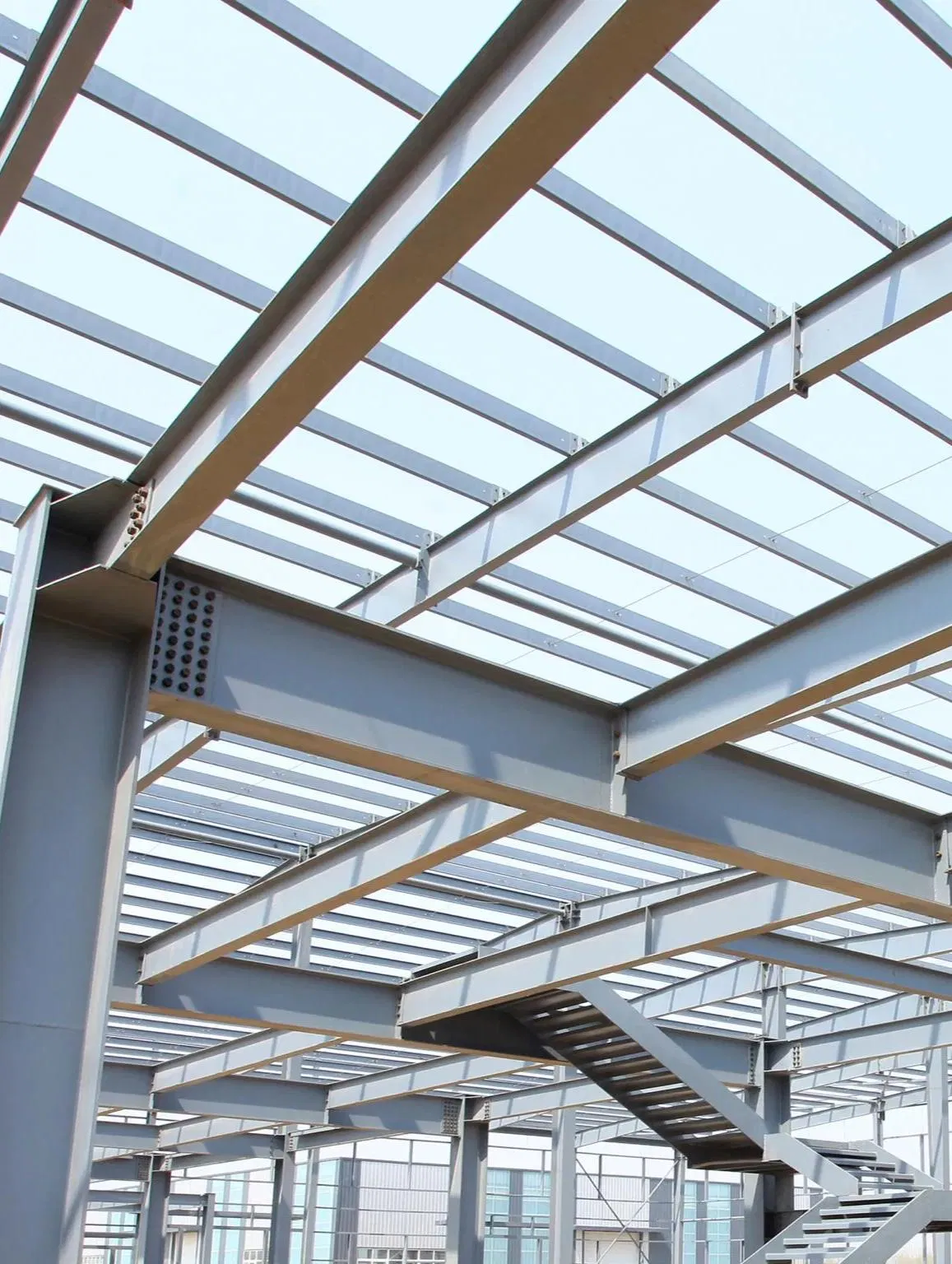
Portal frames typically use hot-rolled beams and columns for the roof rafters and supporting columns, although cold formed sections may be adequate for some small span structures. Portal frames come in a variety of different shapes and sizes, with flat and pitched roofs.
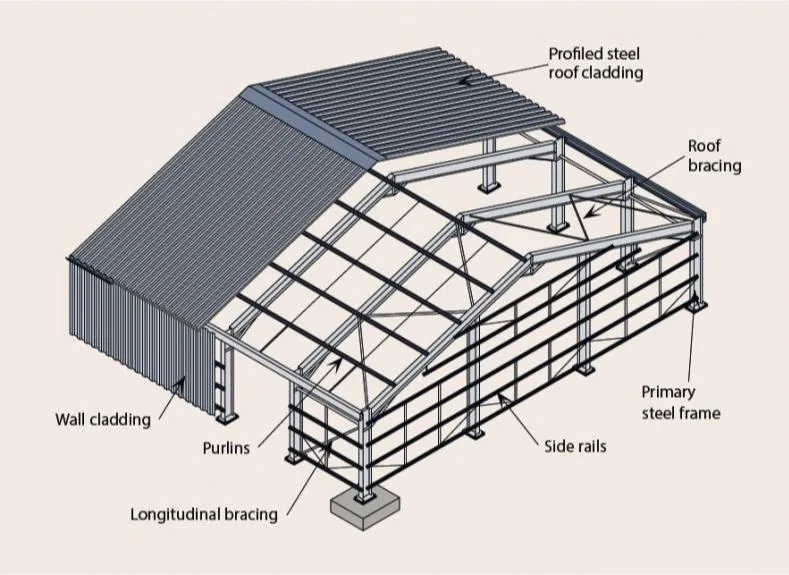
Heavy Industrial Steel Structure Building /Steel Building Heavy Industrial Steel Structure Building /Steel Building

-- Lattice trusses/tubular members

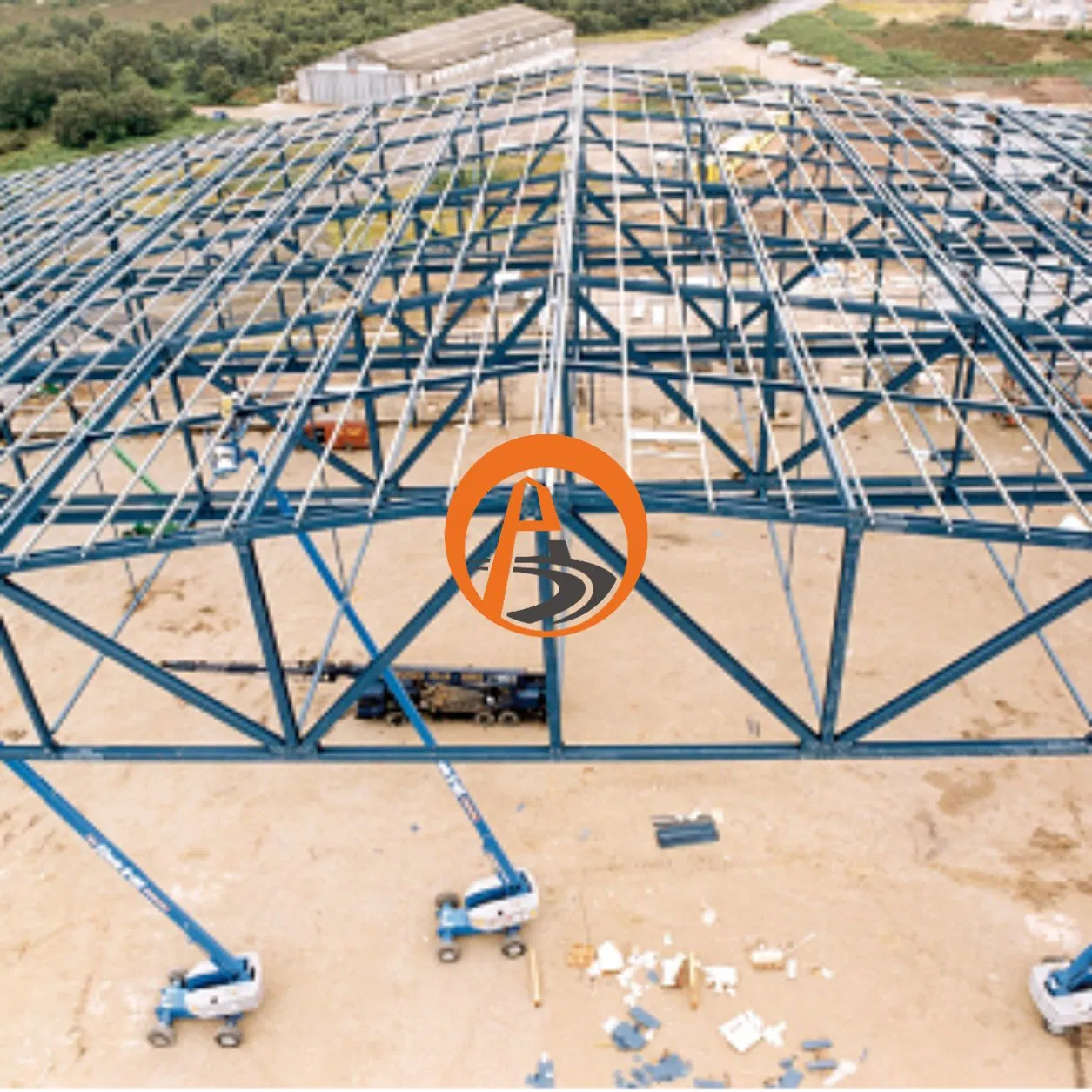
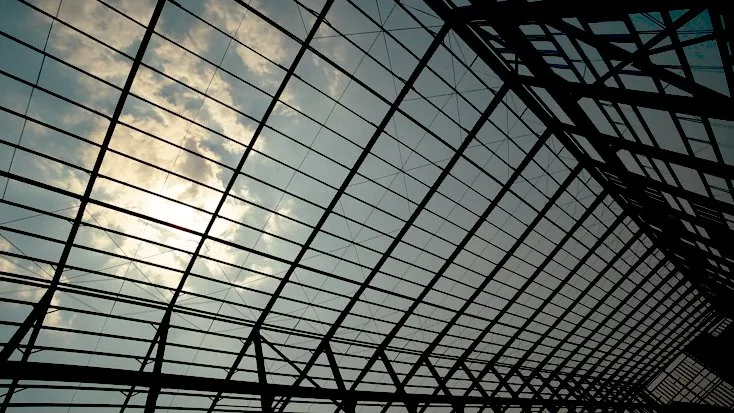
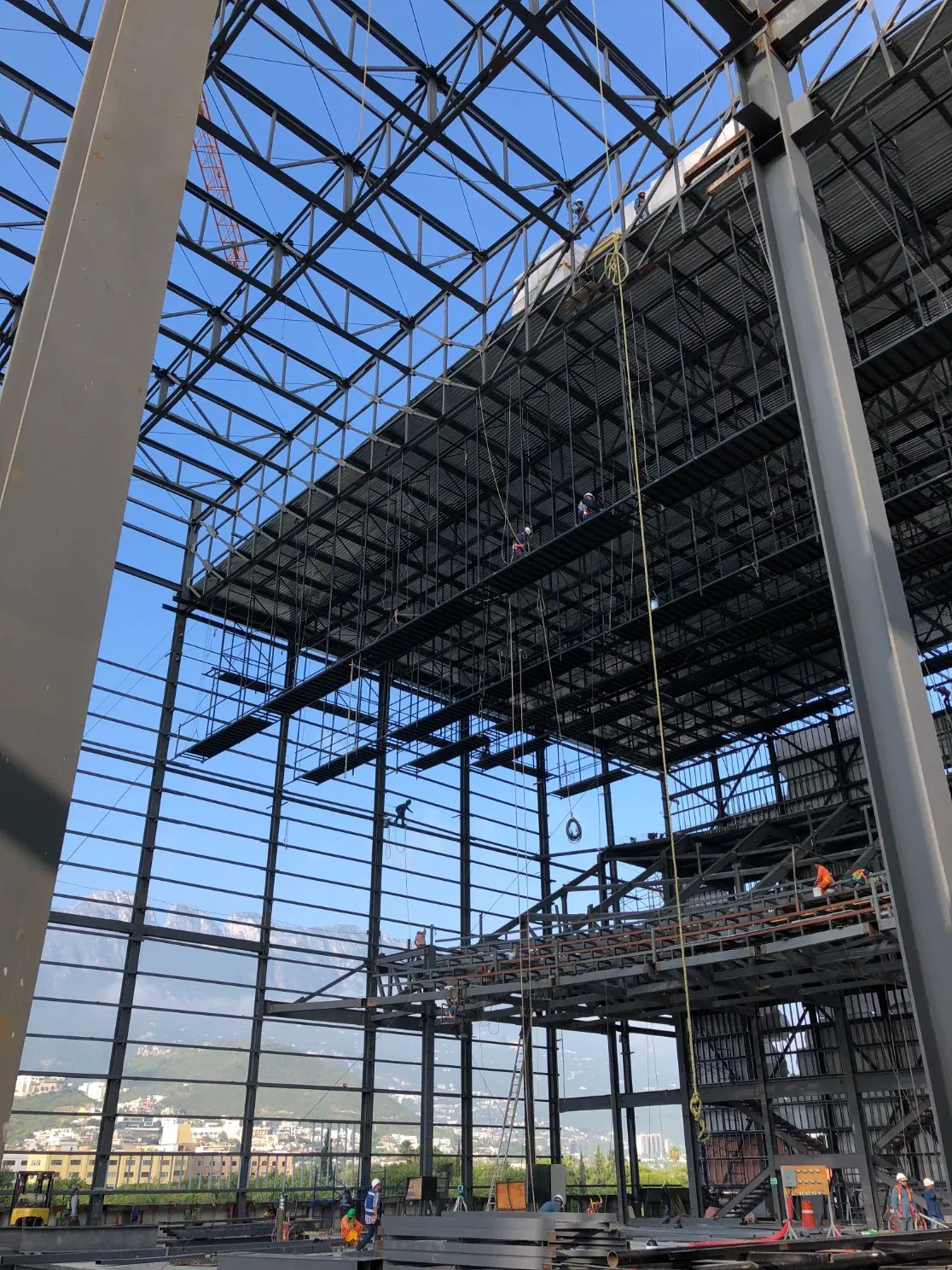
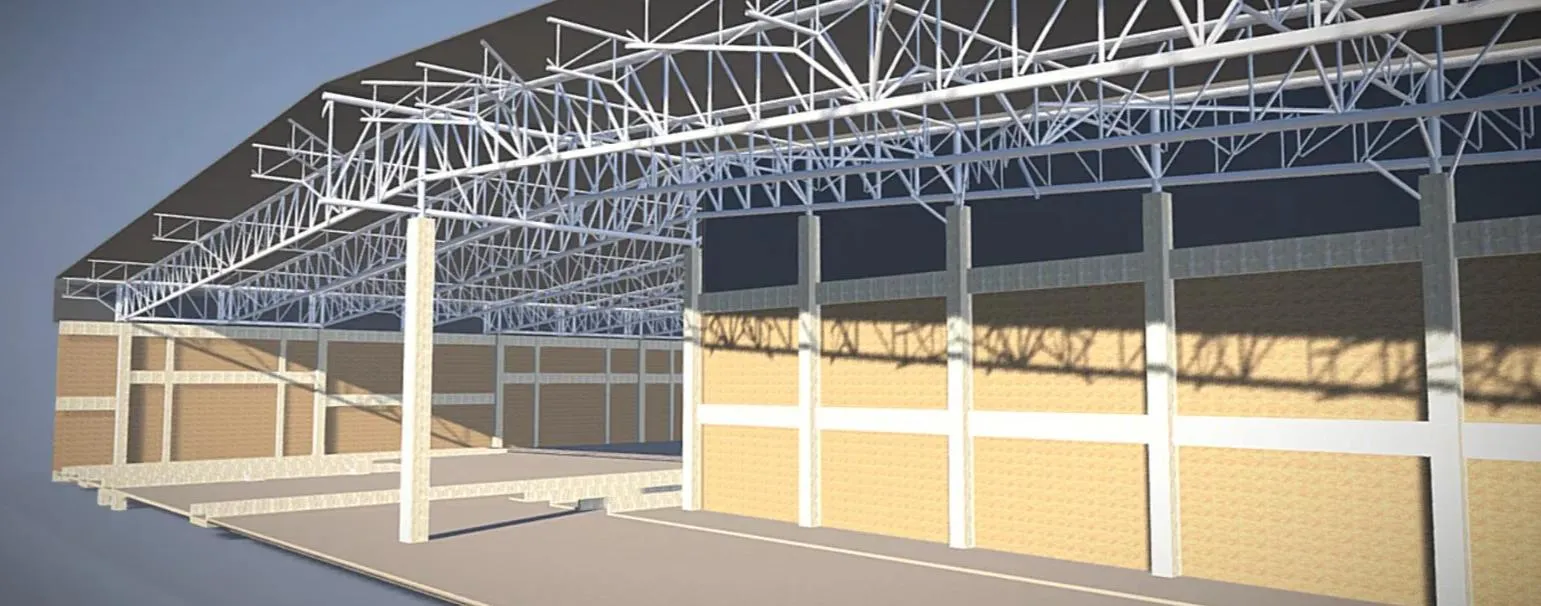
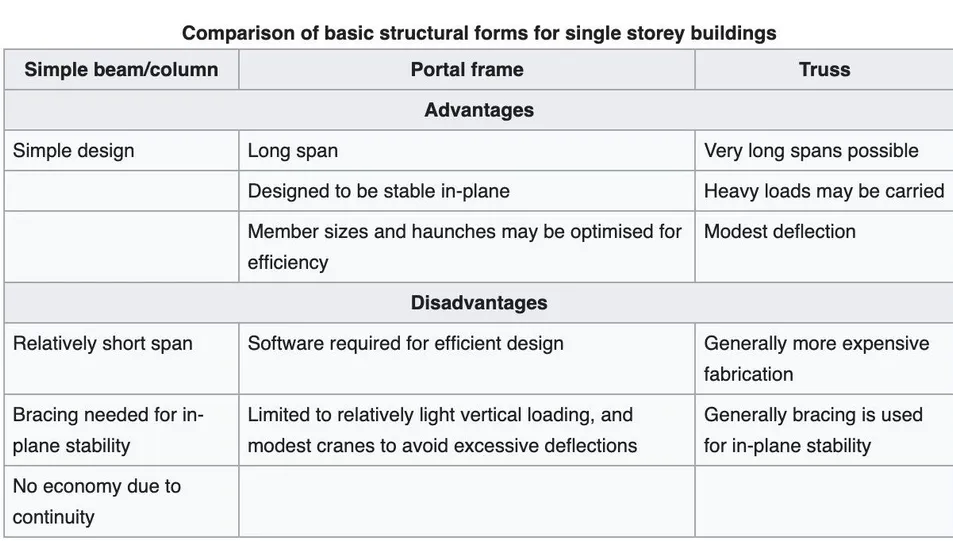
The main alternative to portal frames is lattice construction. Lattice trusses are generally more expensive than portal frames for routine applications and spans. However, for certain applications they will offer the best framing solution, such as: for very large spans (greater than 50m), for production facilities needing heavy plant suspended from the roof area, or where deflection criteria are particularly critical. Trusses are a triangulated assembly of members usually either rolled or structural hollow sections. The internal members can be angles, beams or hollow sections, depending on the design loads, configuration and fabrication costs. Two basic configurations are used in single storey buildings – pitched roof trusses and 'flat' trusses of near uniform depth. Trusses are usually planar and will generally require bracing of some form to provide stability. As an alternative, three-dimensional trusses can be created.

Trusses typically have a greater depth than single beams or plate girders. The deflection of a truss is modest, and can be controlled, making them especially suitable when significant loads must be supported from the roof structure, or when a flat (or nearly flat) roof is to be provided. The larger depth of the trusses increases the dimensions of the façade but also provides space for services to be placed in the roof structure instead of below.
Heavy Industrial Steel Structure Building /Steel Building
Choice of Building Form

A single large hall is the main feature of most industrial buildings. The construction and appearance of a single storey industrial building provides the design engineer with a wide range of possible configurations in order to realize the architectural and functional requirements of the building. Generally, an industrial building has a rectangular footprint, which is extendable in its long direction. The design of the building has to be coordinated with its functional requirements and its operational energy performance, including lighting.
Heavy Industrial Steel Structure Building /Steel Building
Types of Portal Frame
Heavy Industrial Steel Structure Building /Steel Building
Industrial Engineering Photo Collections
Heavy Industrial Steel Structure Building /Steel Building Heavy Industrial Steel Structure Building /Steel Building Heavy Industrial Steel Structure Building /Steel Building Heavy Industrial Steel Structure Building /Steel Building Heavy Industrial Steel Structure Building /Steel Building Heavy Industrial Steel Structure Building /Steel Building Heavy Industrial Steel Structure Building /Steel Building Heavy Industrial Steel Structure Building /Steel Building Heavy Industrial Steel Structure Building /Steel Building Heavy Industrial Steel Structure Building /Steel Building
Steel Fabrication Show
Heavy Industrial Steel Structure Building /Steel Building Heavy Industrial Steel Structure Building /Steel Building
Heavy Industrial Steel Structure Building /Steel Building

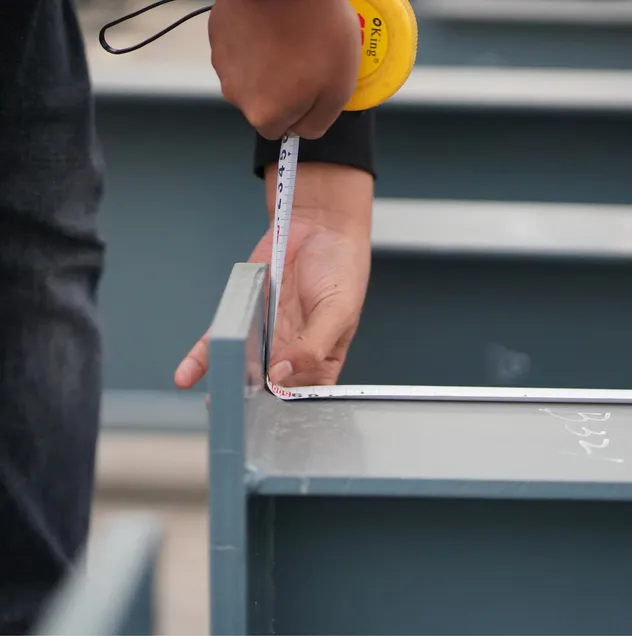
With Excellent Skills and Equipments, We Achieve Precisely Destinations
Heavy Industrial Steel Structure Building /Steel Building Heavy Industrial Steel Structure Building /Steel Building Heavy Industrial Steel Structure Building /Steel Building
Heavy Industrial Steel Structure Building /Steel Building
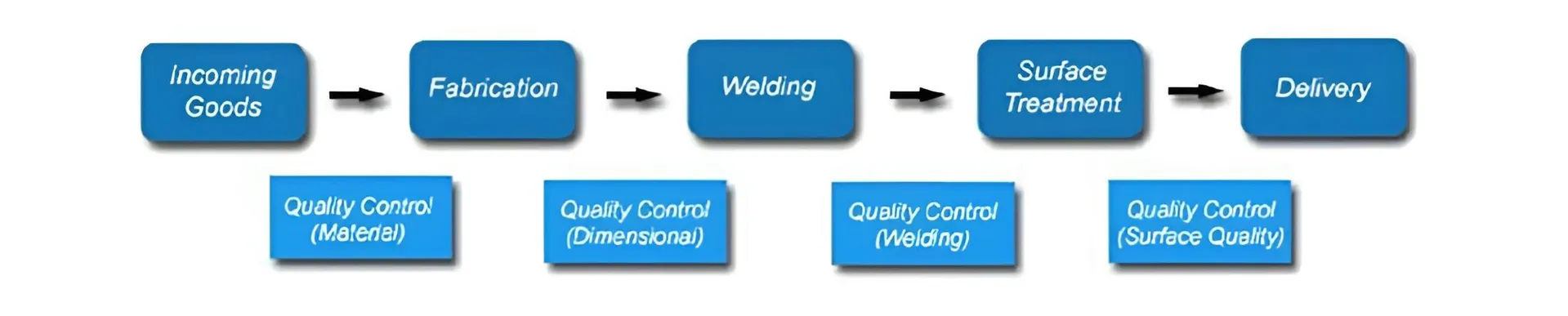
QA & QC
Heavy Industrial Steel Structure Building /Steel Building

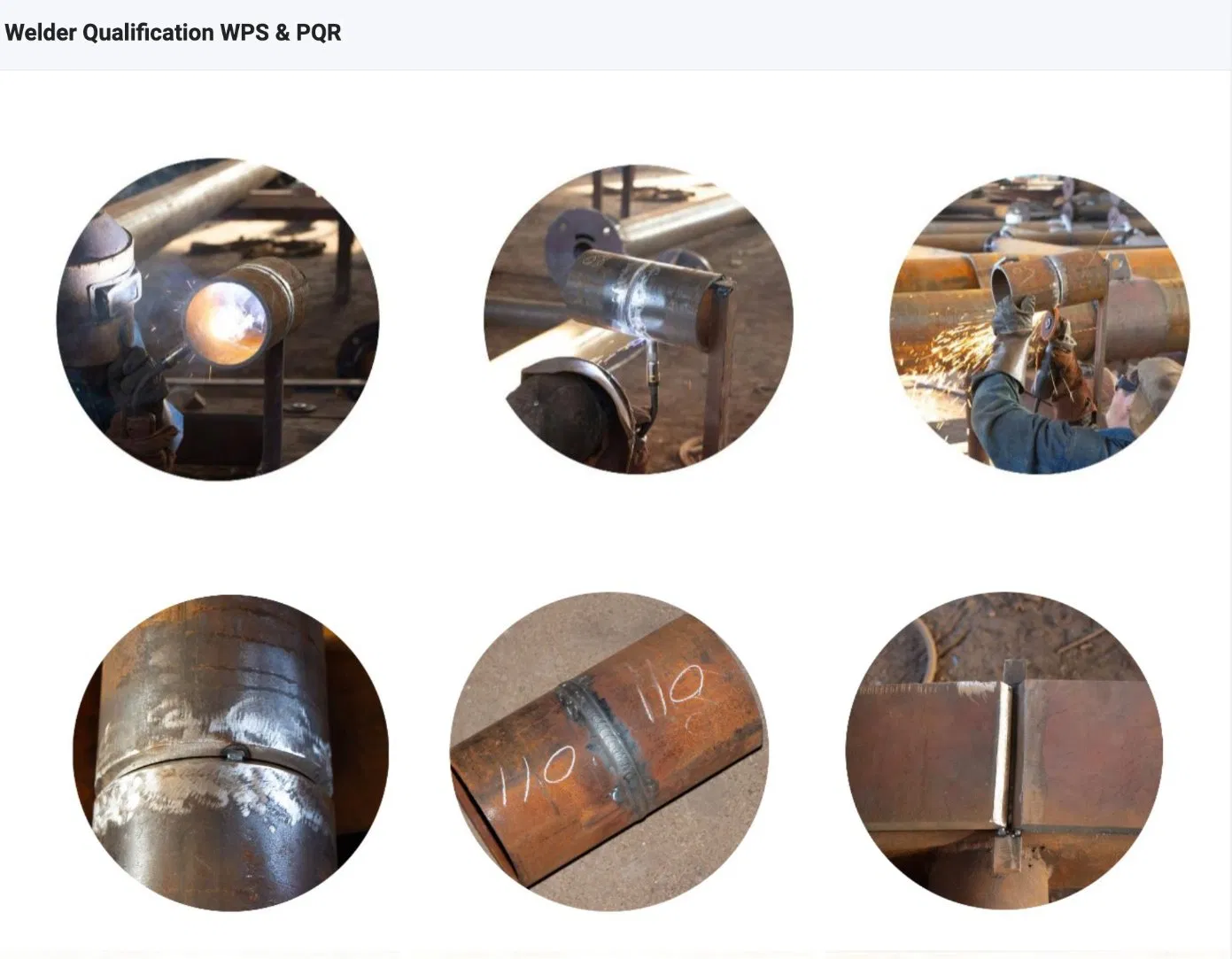
Steel Bridge compliance with AWS D1.1, AWS D1.5 and AS/NZS and EN-1090 welding standard.
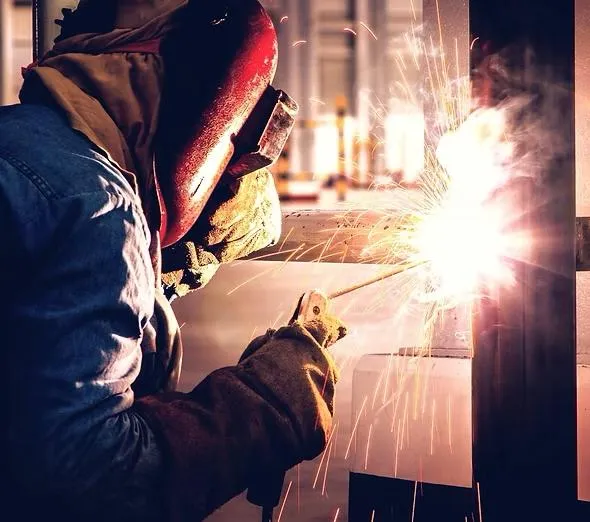
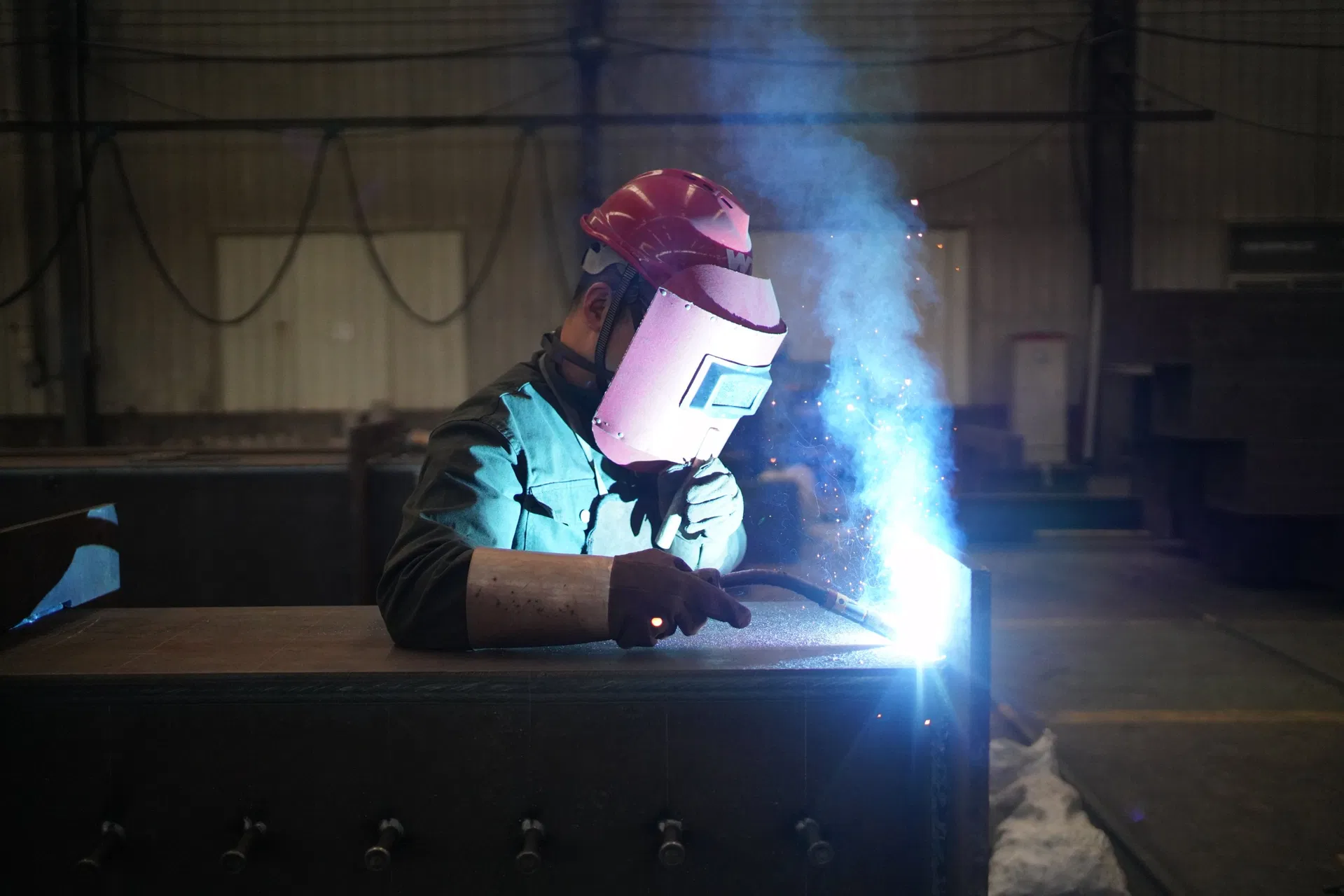
WELDING
WELDING
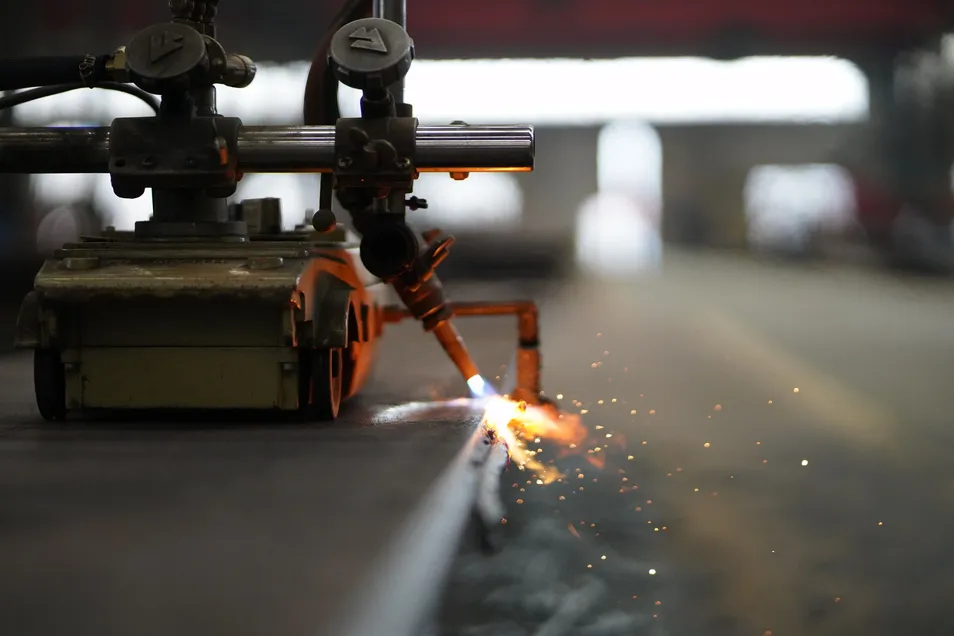
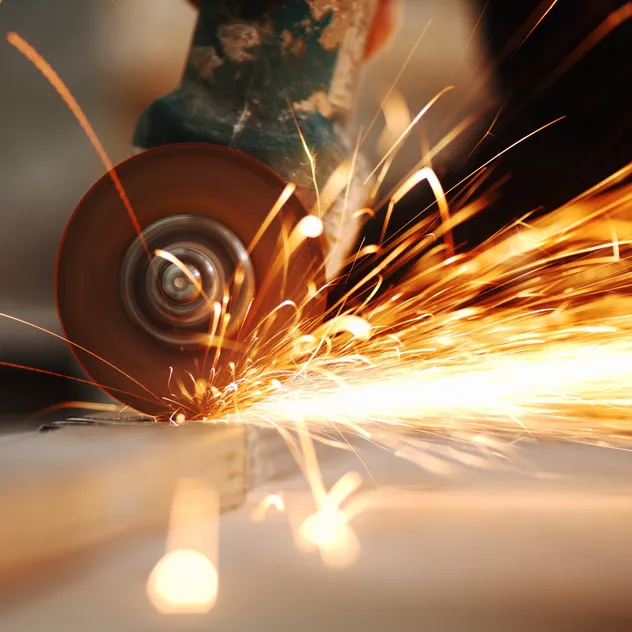
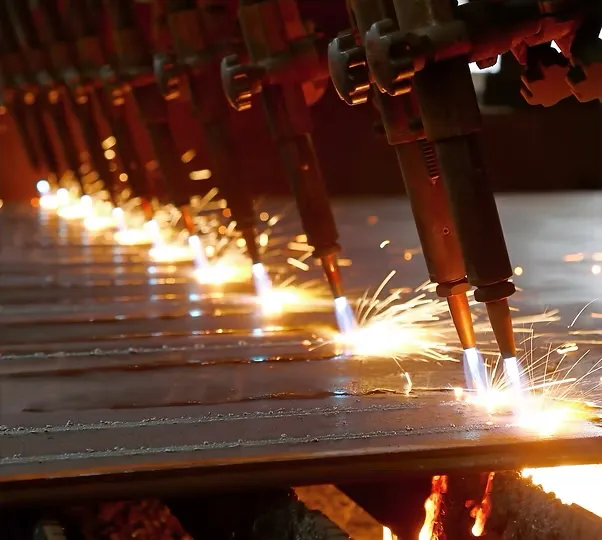
CUTTING
CUTTING
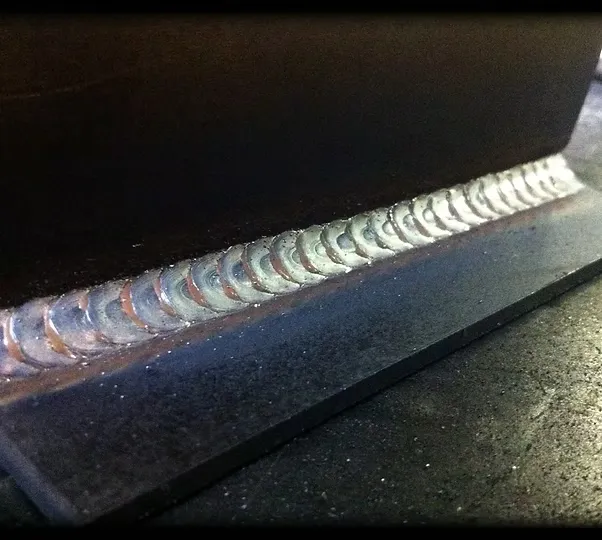
FILLET WELDS
FILLET WELDS
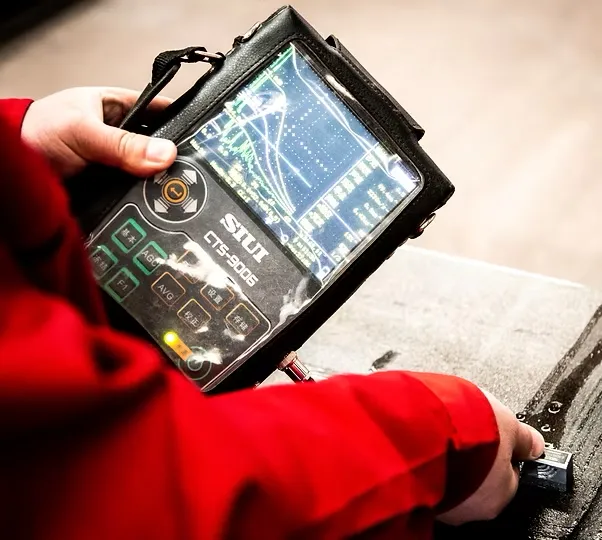
NDT
NDT
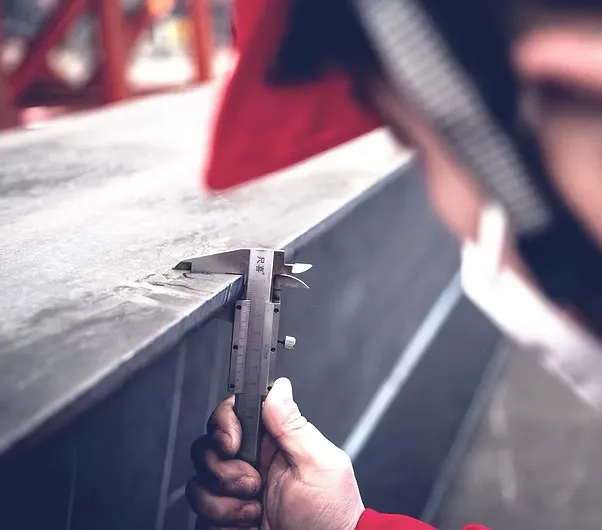
SIZE CHECKING
SIZE CHECKING
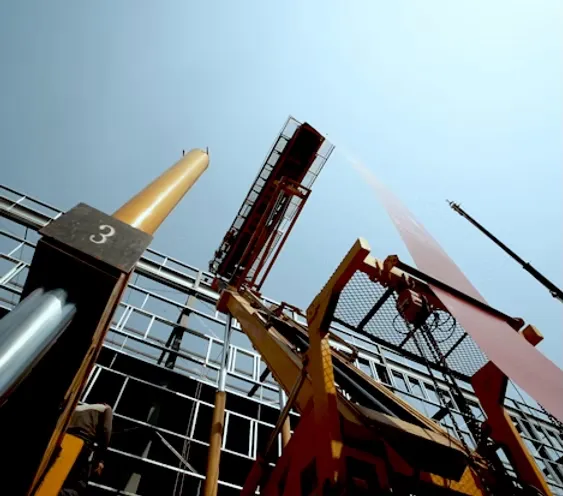
INSTALLATION
INSTALLATION
Heavy Industrial Steel Structure Building /Steel Building
Packaging & Shipping
Heavy Industrial Steel Structure Building /Steel Building

KEY WORDS: Heavy Industrial Steel Structure Building / Steel Building

ISO 9001:2008 - Quality Management System | ISO 14001:2004 – Environmental Management System | OHSAS 18001:2007 – Occupational Health Safety Management System
Frequently Asked Questions (FAQ)
Q1: What are the main applications of industrial steel structure buildings?
A1: These structures are predominantly used for specialized workshops, factories, industrial and distribution warehouses, retail, and leisure facilities. They can range from a few hundred square meters to massive complexes covering over 100,000 square meters.
Q2: What standards are followed during fabrication and welding?
A2: The steel structure buildings comply with international standards including AWS D1.1, AWS D1.5, AS/NZS, and EN-1090 welding and fabrication standards to ensure high safety and structural integrity.
Q3: What framing options are available for industrial buildings?
A3: The two primary options are Portal Frames (ideal for standard spans using hot-rolled beams and columns) and Lattice Trusses/tubular members (best suited for spans greater than 50m or when heavy equipment must be suspended from the roof structure).
Q4: What information is required to receive a customized pricing quote?
A4: To provide an accurate quote, details such as the exact dimensions (length, width, height), local wind speeds, snow loads, earthquake grades, structural live/dead loads, window/door configurations, and crane requirements are necessary.
Q5: What surface treatments are applied to protect the steel?
A5: Steel structures are treated using high-durability techniques, including painting, hot-dipped galvanizing, or powder coating, depending on the client’s specifications and environmental conditions.
Q6: How do steel structure buildings address sustainability priorities?
A6: Steel buildings offer economic benefits through resource efficiency and durability, environmental benefits through recycling and low waste, and social benefits by offering safe, rapid construction with minimal local disruption.

Related Products