Dhingia Build
1 / 5

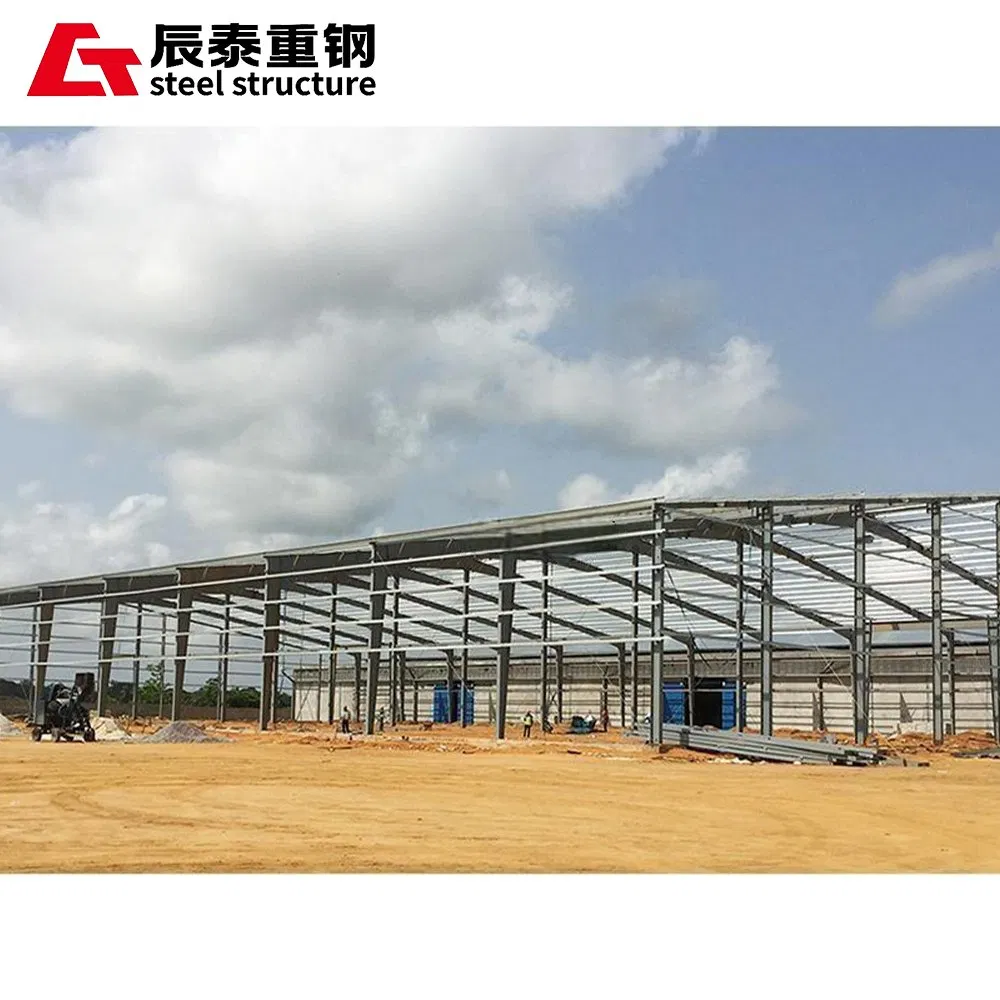
The application of steel structure construction technology in construction projects will help promote the green development of the construction industry and meet the needs of sustainable development. Facing the challenges brought by sustainable development, the construction industry bears the brunt, and energy saving and environmental protection become the theme. Under the guidance of this concept, building construction needs to choose more energy-saving and environmentally friendly materials. Steel structure construction technology is the main product of the development of construction industrialization. It can meet the construction quality and safety needs of construction projects, extend the durability and stability of buildings, and realize the great exploitation of resources.
The application of steel structure engineering construction technology can withstand the weight of cement concrete and has a strong bearing capacity. It can save material consumption and occupied space, reduce the cross-sectional area of the building, and avoid the total amount of steel structure exceeding the total amount of concrete. Even in the case of seismic disasters, it can effectively reduce the interaction of building materials, ensure the stability of the building structure, and improve the safety of the building.
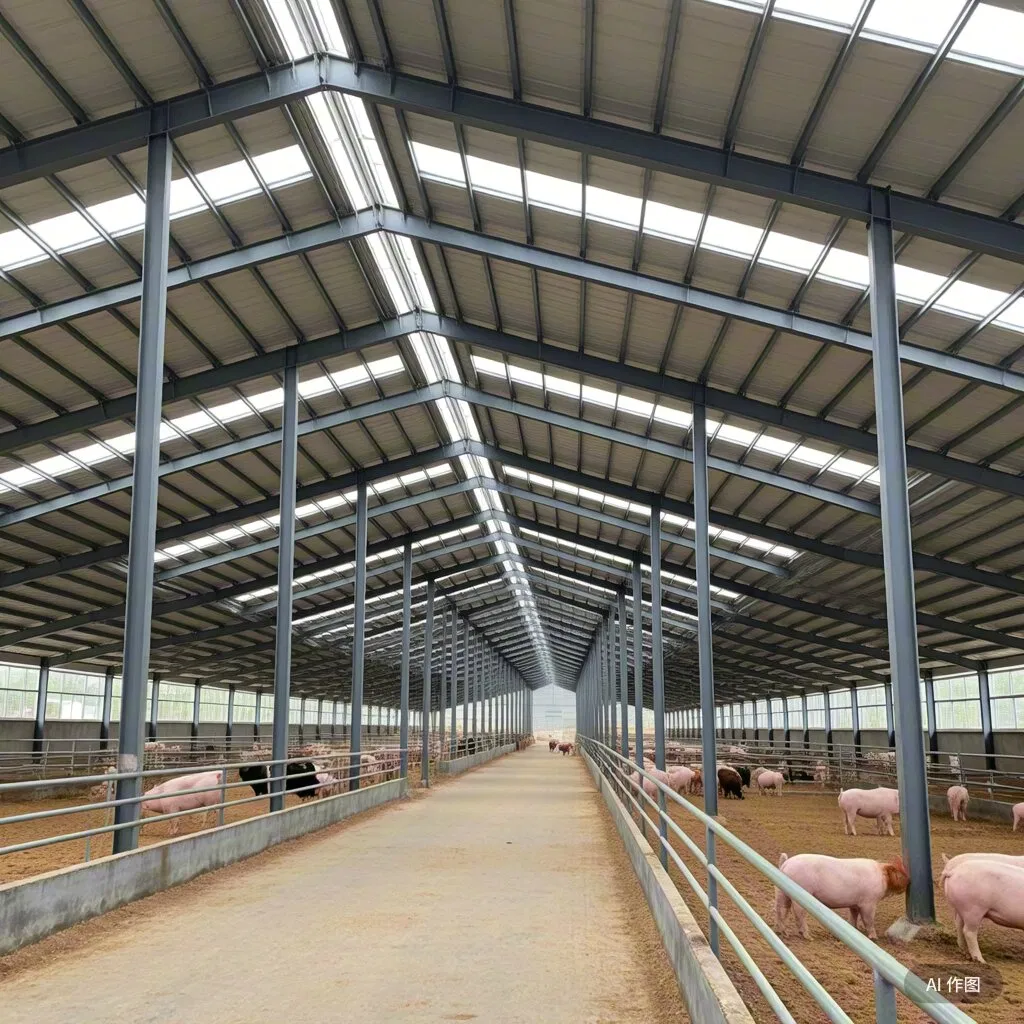
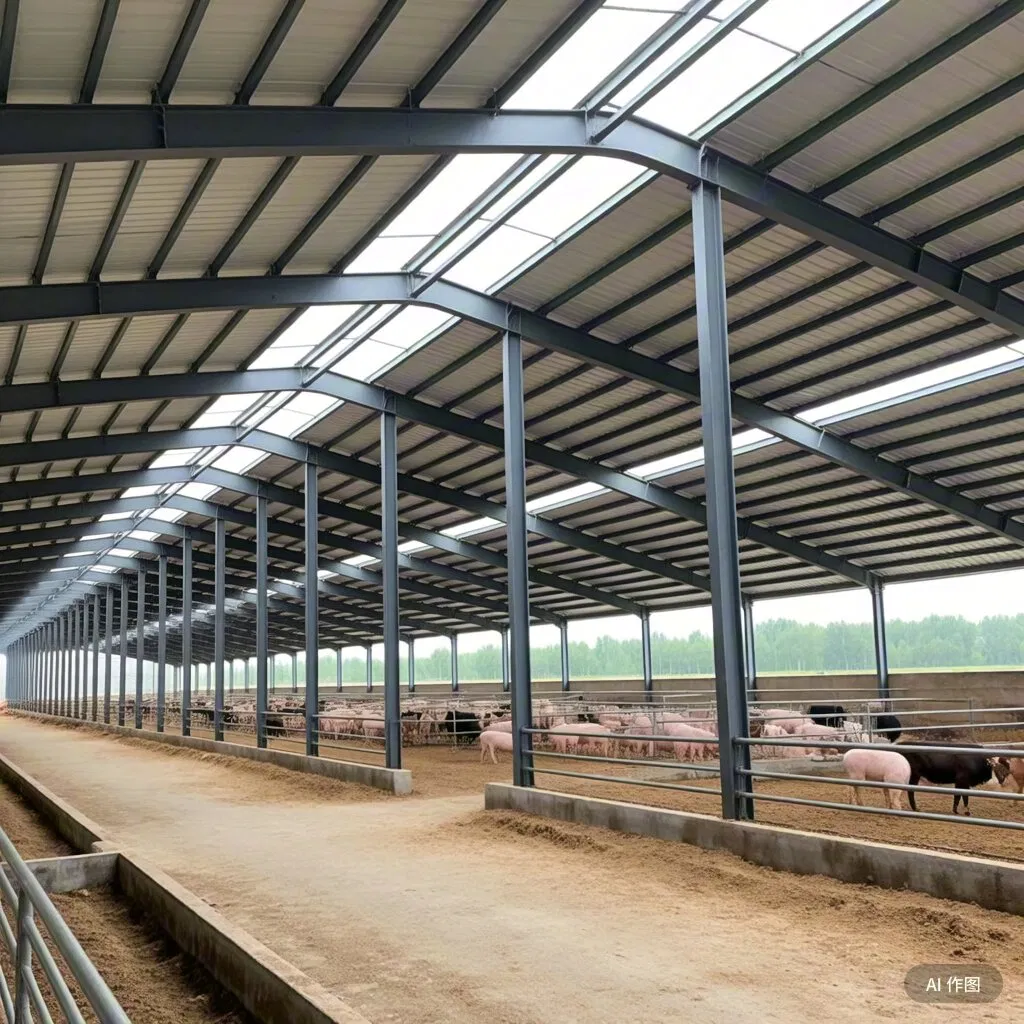
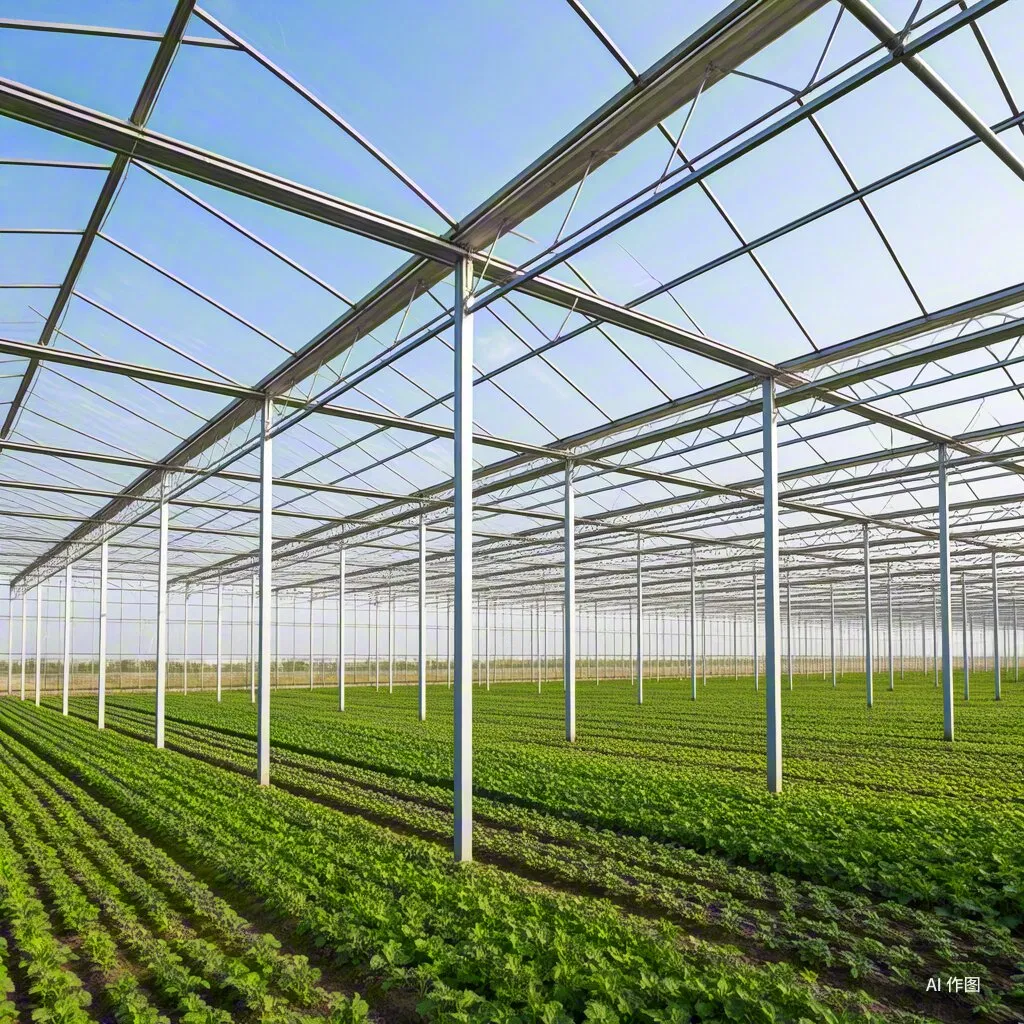
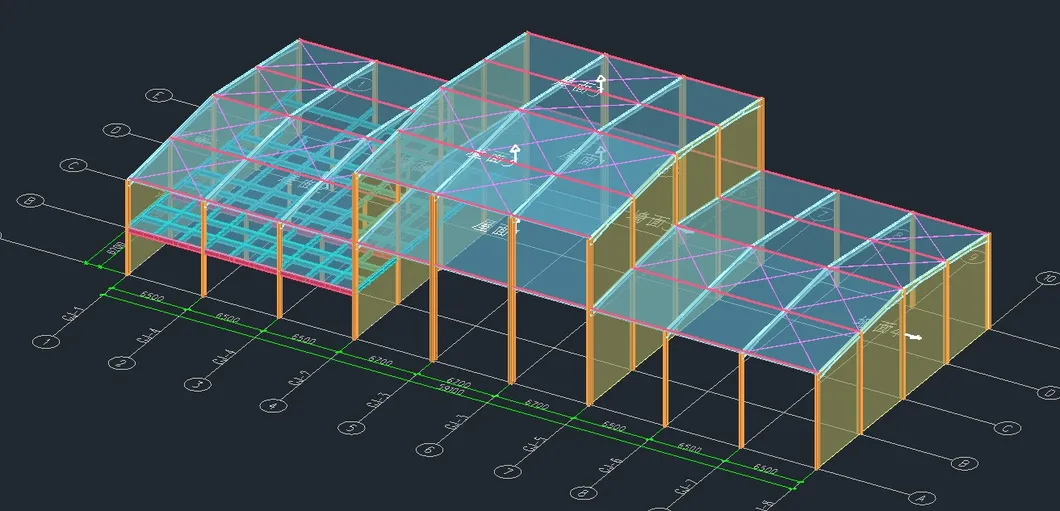
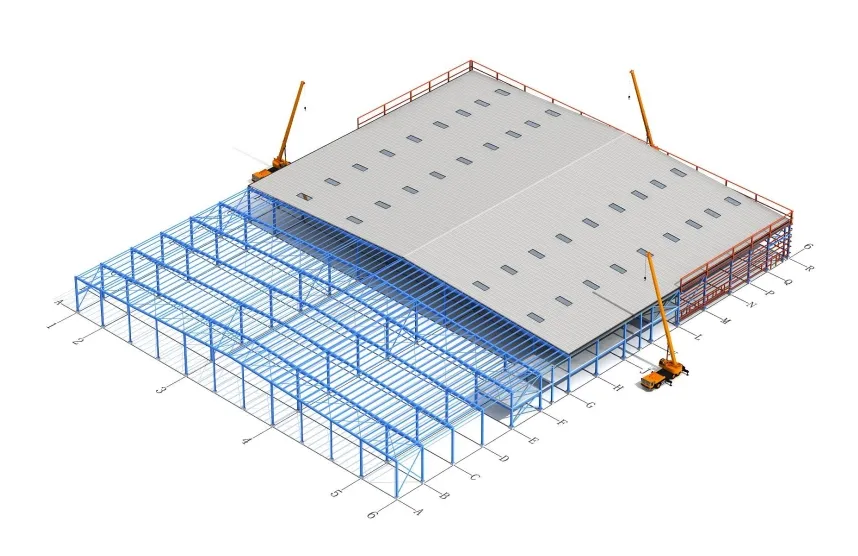
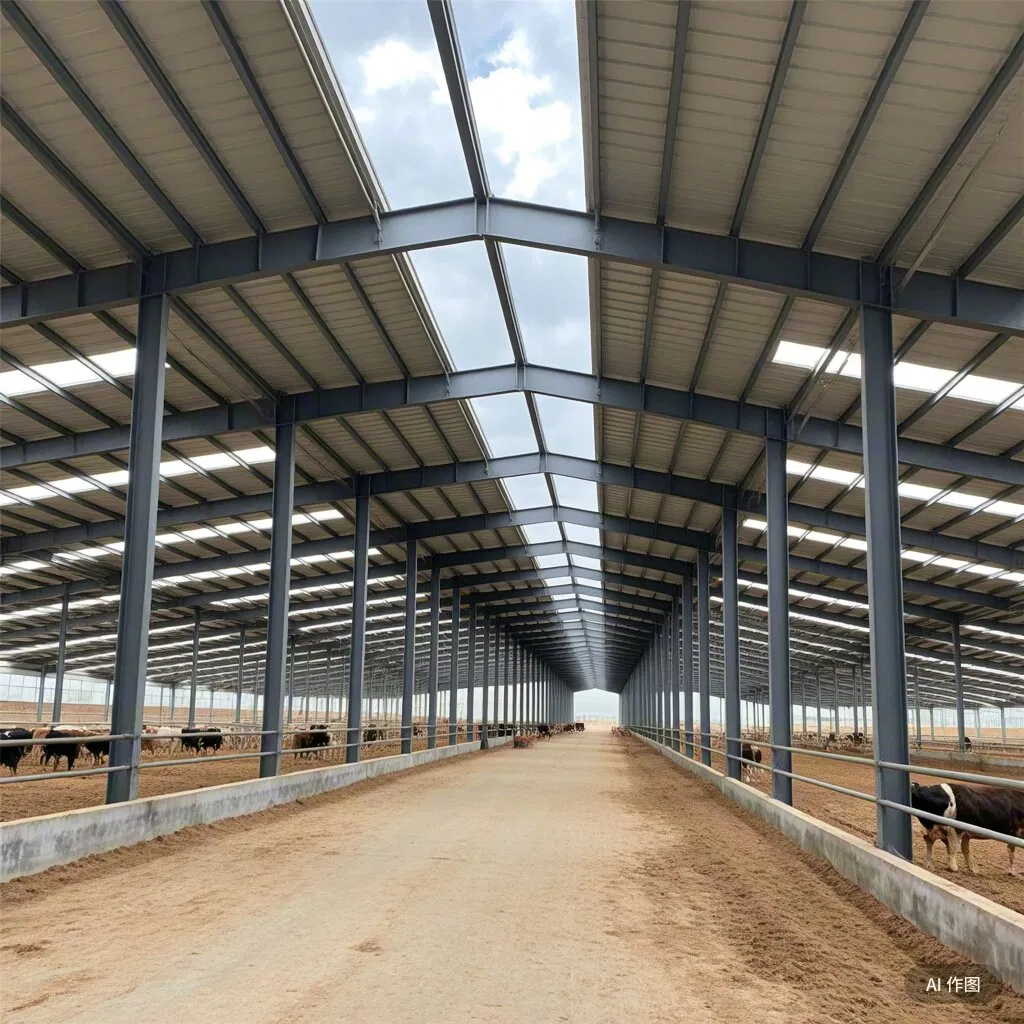
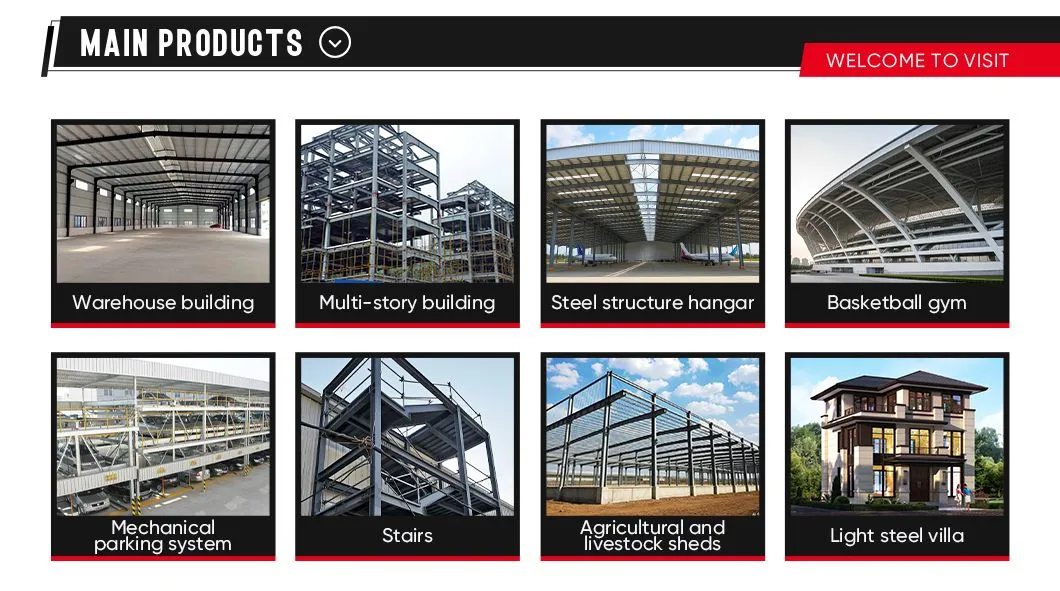
Compared with traditional greenhouses, steel structure agricultural and livestock greenhouses usually use no wall or thin wall structure, making the internal space more spacious, better light transmission, and more convenient operation. This not only saves building materials, but also increases the area available for planting.
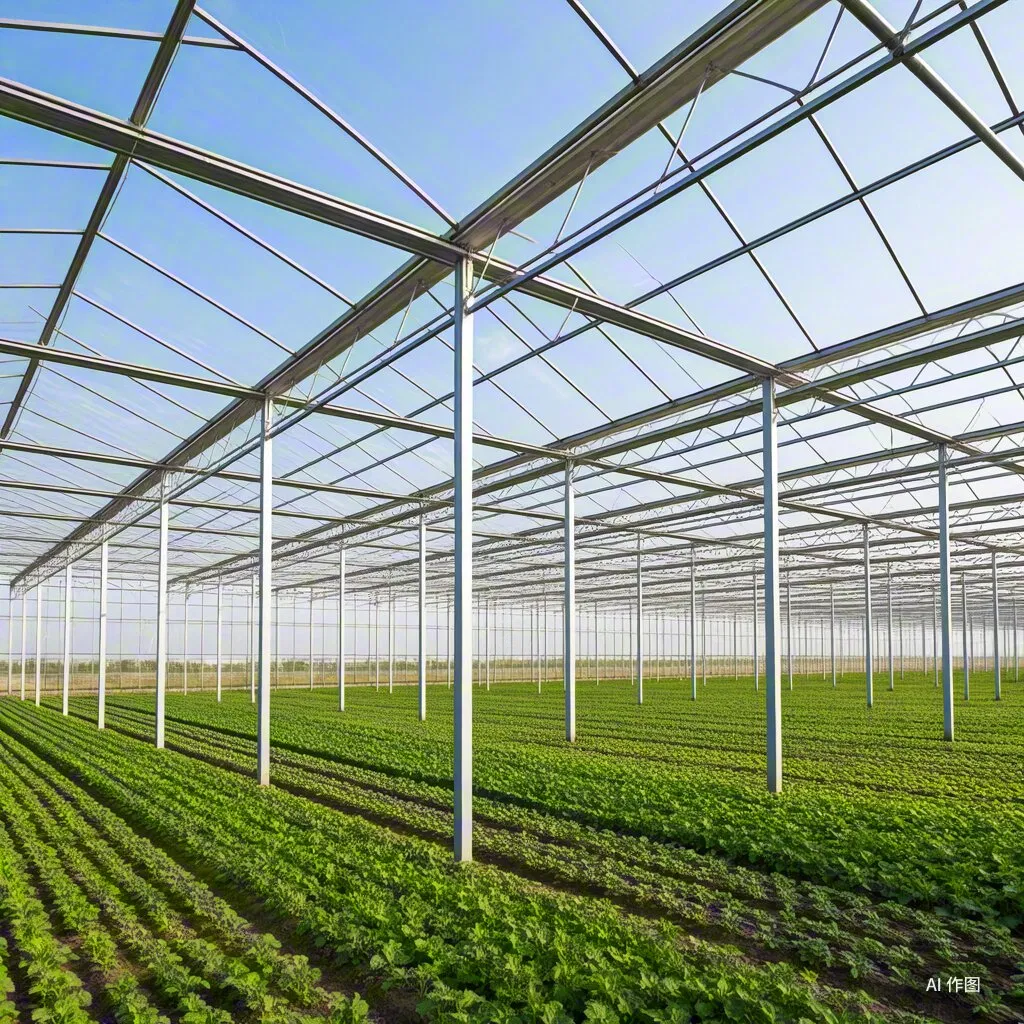
The skeleton of steel structure agricultural and livestock greenhouses is usually made of hot-dip galvanized steel, which has good corrosion resistance and long service life. Galvanized treatment can not only prevent steel rust, but also enhance its ability to resist wind and snow, to ensure the stability of the greenhouse in bad weather conditions.
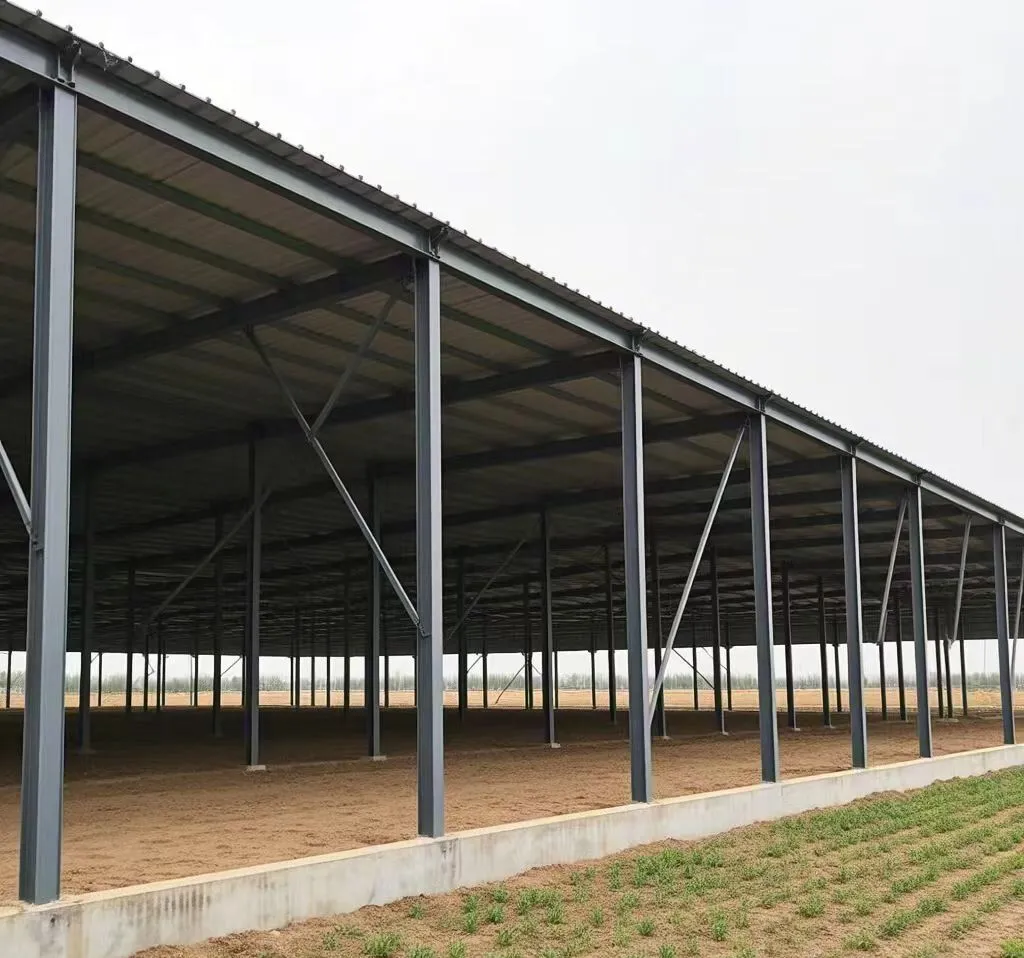
The shed surface of the steel structure agricultural and livestock sheds can be covered with films and quilts to effectively maintain the internal temperature, which is suitable for planting vegetables and fruits and other crops in winter. This is of great significance for improving the yield and quality of crops.
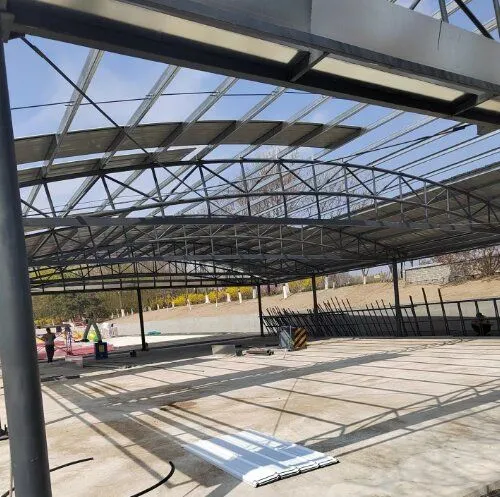
The installation process of steel structure agricultural and livestock greenhouses is simple and fast, and the assembly process is usually used for construction. The skeleton material is processed using a standardized production mode to ensure the consistency of quality and appearance.
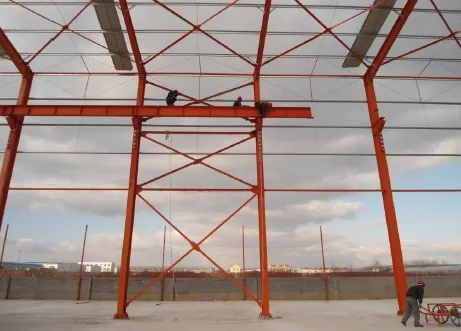
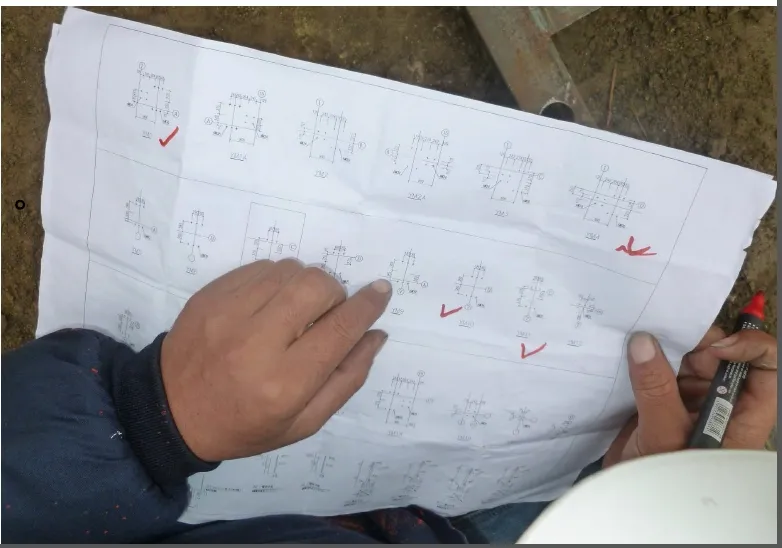
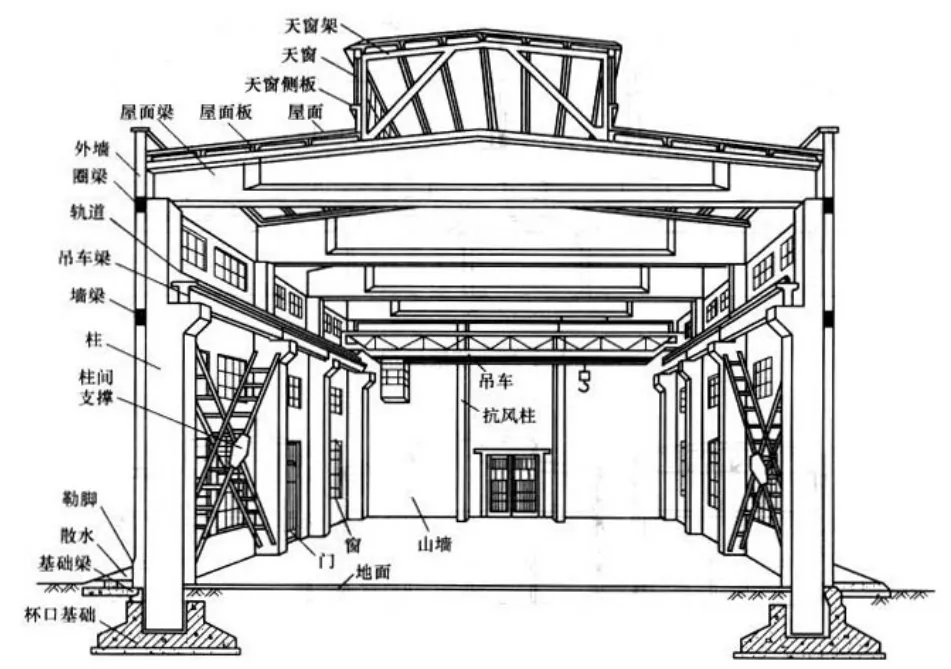
All construction surveyors must be licensed. If any replacement occurs, it must be agreed by the technical person in charge of the site to ensure the normal construction of the project. Familiarize with the drawings (general plan, axial plan, foundation plan, and detailed drawings) to understand the design intent, fully grasp the axis, dimensions, elevation, and site conditions. The relevant dimensions of the design paper and the measurement data should be carefully calibrated.
Measurement control point handover and rechecking: Before the steel structure construction unit enters the construction site, it should retest the plane control network and elevation control points of the building construction. According to the requirements of the construction progress plan, execute the measurement program, measurement method, calculation of measurement data, and drawing of measurement sketches.
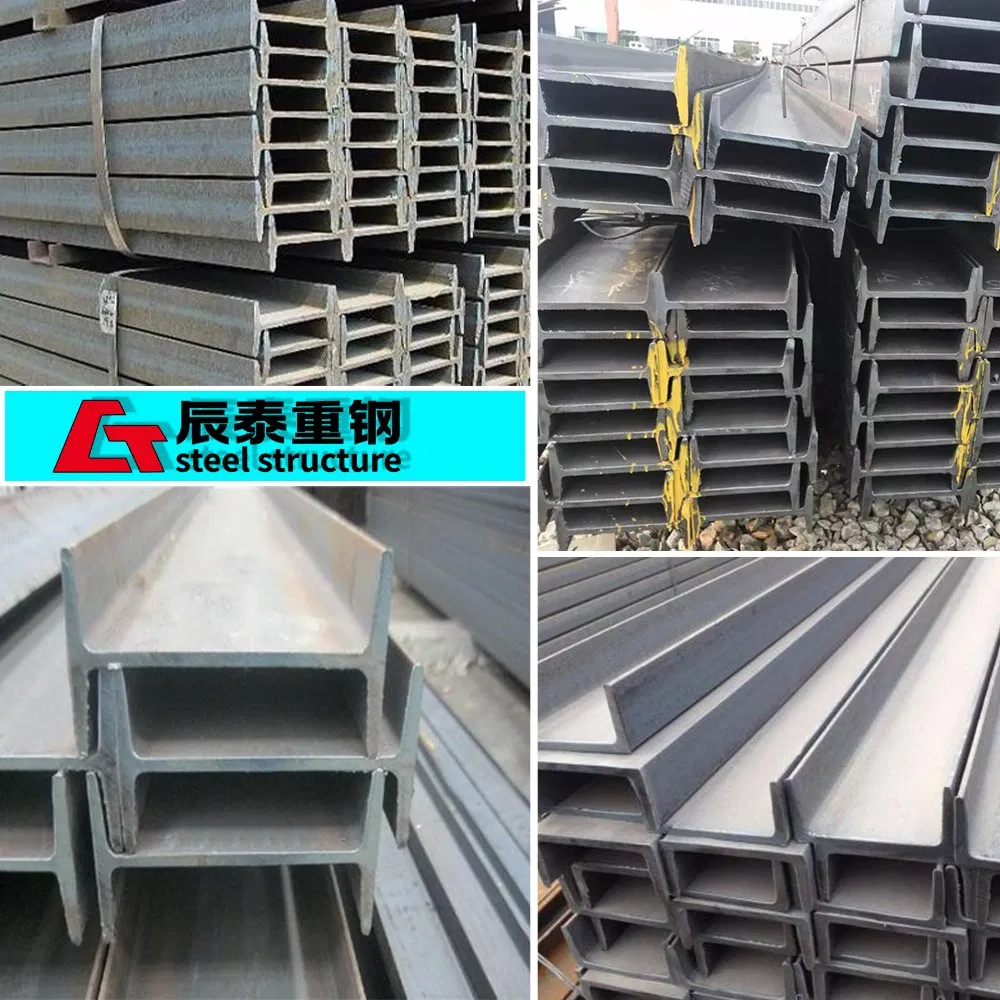
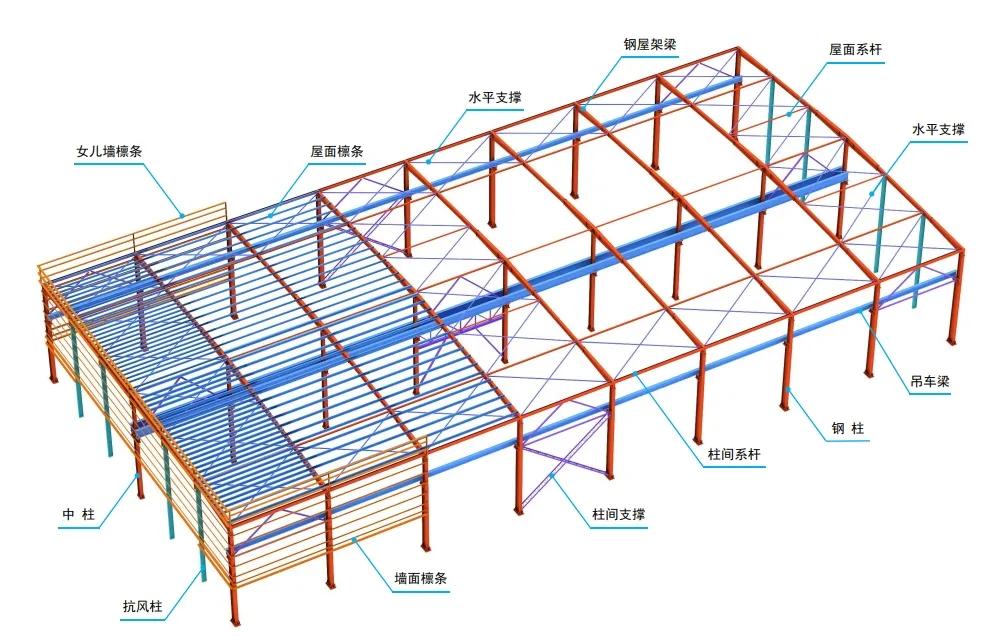
Steel girder assembling is used for larger span trusses, light steel structures, section I, and H types. Connection methods include high-strength bolts, bolt-welding combinations, and welding. Portal steel frame inclined beams can be divided into several units for transportation, connected with high-strength bolts through end plates on-site.
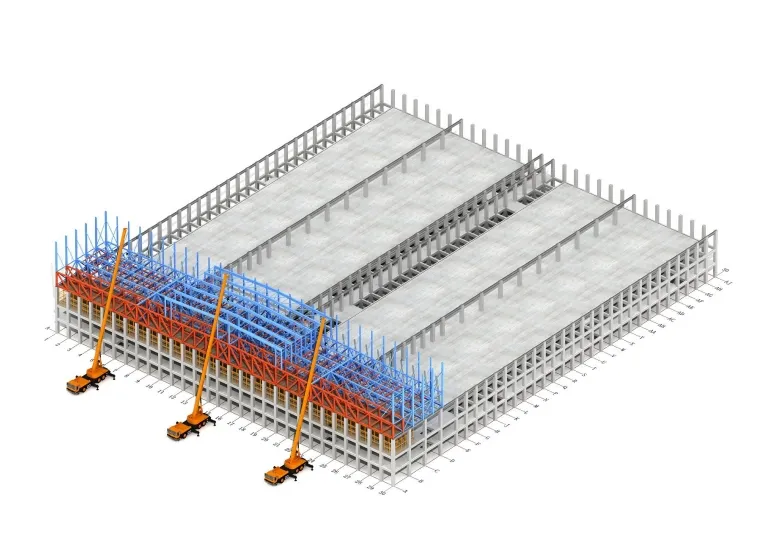
For structural stability and accurate calibration, multi-storey floors should have top beams fixed first, then lower beams, and finally intermediate beams. Measure and correct column and beam framing immediately upon assembly.
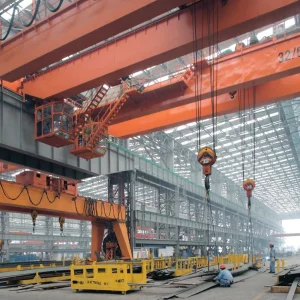
Steel crane beams are generally lifted at two points using lightweight slings or slings with pincers. Crane beam lifting must be carried out after the steel columns are fixed and the roof beams are corrected. Gutter alignment and support adjustments must be precise, utilizing inclined iron pieces to pad and flatten supports if deviations occur.
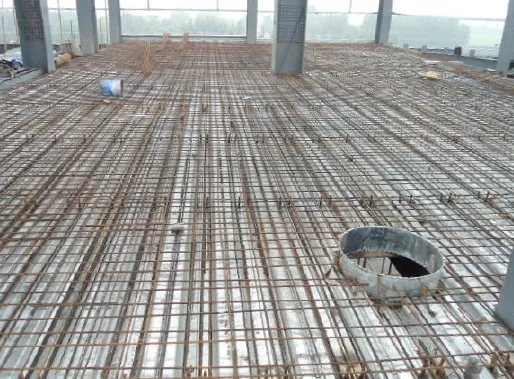
Adjust stairs and platform beams to meet flatness and position requirements before welding butt joints. Ensure the ladder surface has no sharp edges or defects. For floor bearing plates, avoid stacking heavy loads. Use temporary wooden boards in high-traffic pathways. Penetrate the beam and plate to make stable connections with shear pegs, ensuring full welding to prevent concrete leakage during pouring.
Corner braces connect load-bearing steel beams and roof purlins, or steel columns and wall beams, increasing out-of-plane stability. The brace should form a 45-degree angle from the purlin. Anti-corrosion materials include primer, intermediate paint, top coat, thinner, and curing agent. Apply top-down and left-to-right to ensure a uniform and dense paint film. Avoid open-air coating operations in rainy, windy, or freezing weather.
| Specification Item | Details & Dimensions |
|---|---|
| 1. Length | H beam 4000-15000mm |
| 2. Height | 200-1200mm |
| 3. Color | According to customer requirements |
| 4. Base | Cement and steel foundation bolts |
| 5. Main Frame | H beam |
| 6. Bolt | Plain bolt and high-strength bolt |
| 7. Roof & Wall | Sandwich panel or color plate |
| 8. Door | Sliding or rolling door |
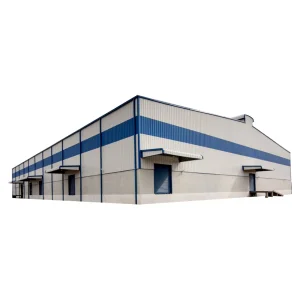
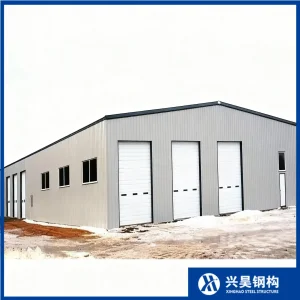
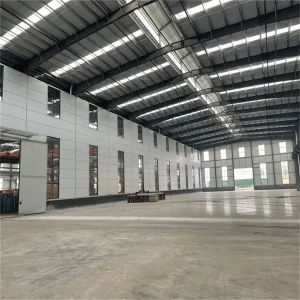
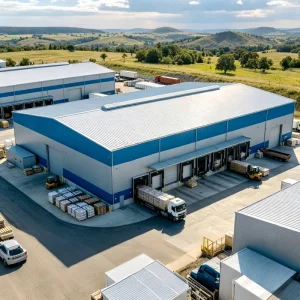
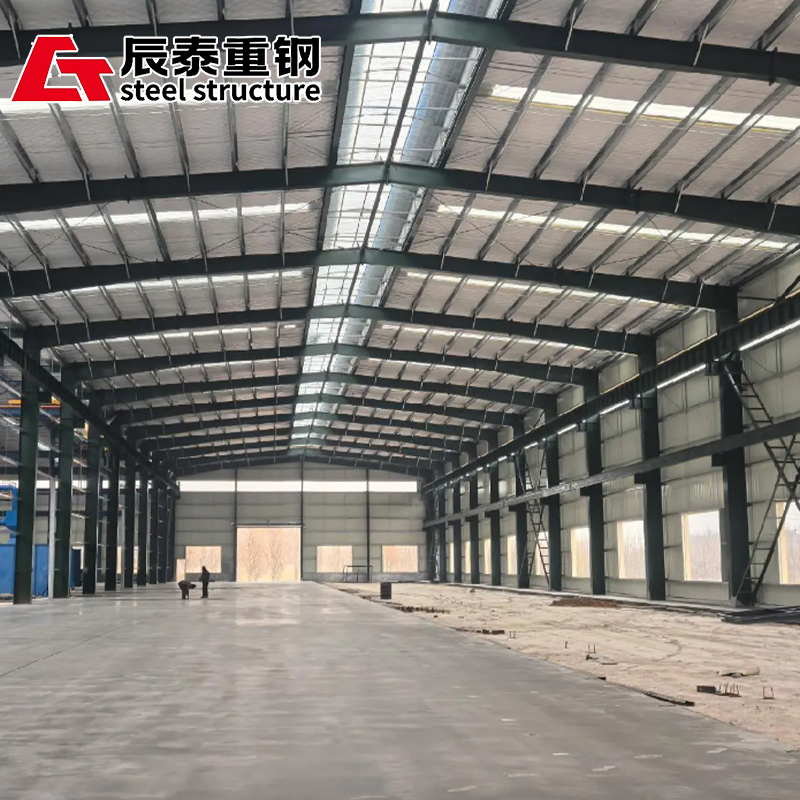
A completed steel structure warehouse is designed for quick assembly and commercial utility. Typically used for storage, manufacturing, and retail, these buildings offer strong, durable, and cost-effective solutions for diverse operational needs.
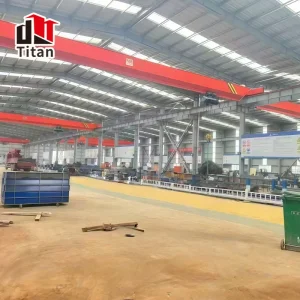
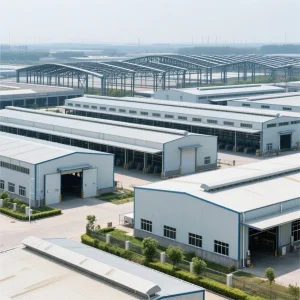
Prefab steel structure workshop buildings are optimized for industrial production. Components are painted and prepared off-site, drastically reducing construction waste and assembly time when delivered to the project location.
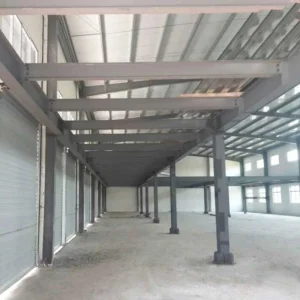
Constructed from heavy-duty galvanized steel to prevent rust. Available in multiple layers with integrated insulation, cladding, and composite overlays to enhance security, temperature control, and aesthetics.
Environmentally friendly houses utilizing color steel plates as the framework and sandwich panels for enclosures. Easily assembled and disassembled, standardized for temporary or semi-permanent residential use.
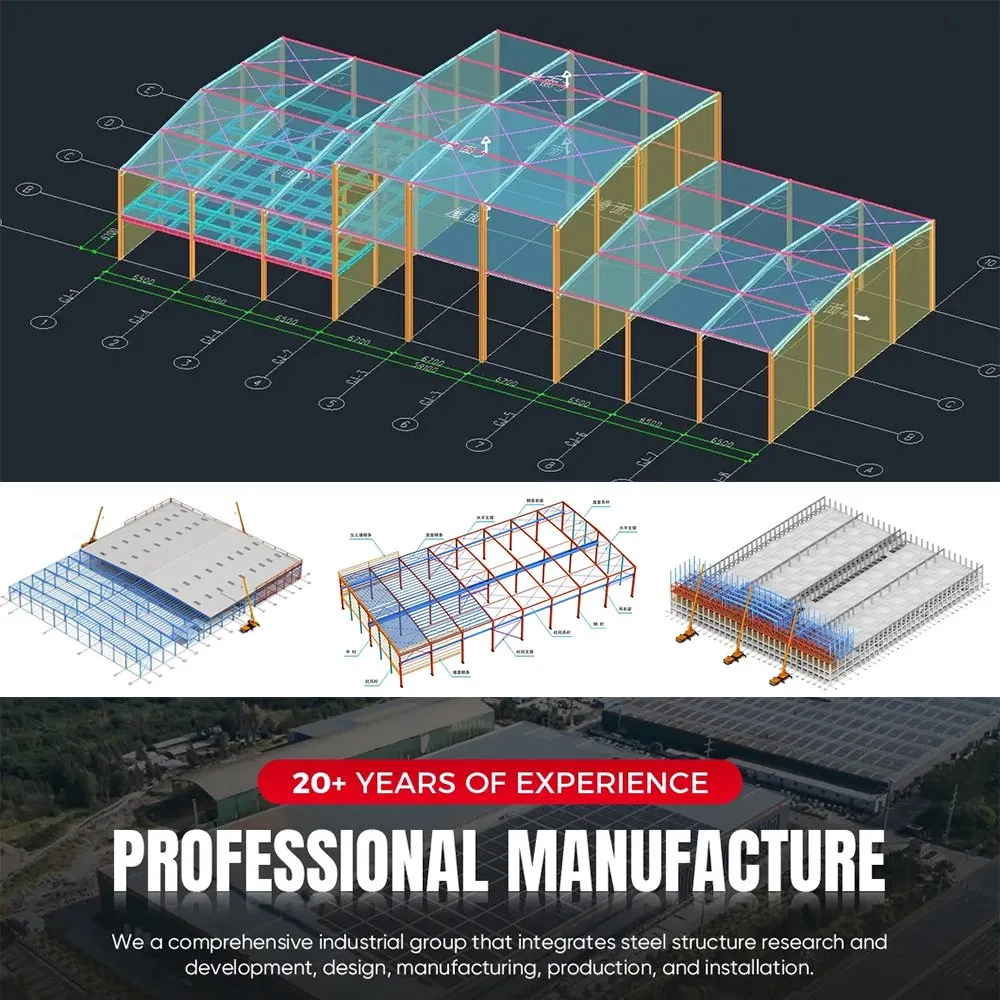
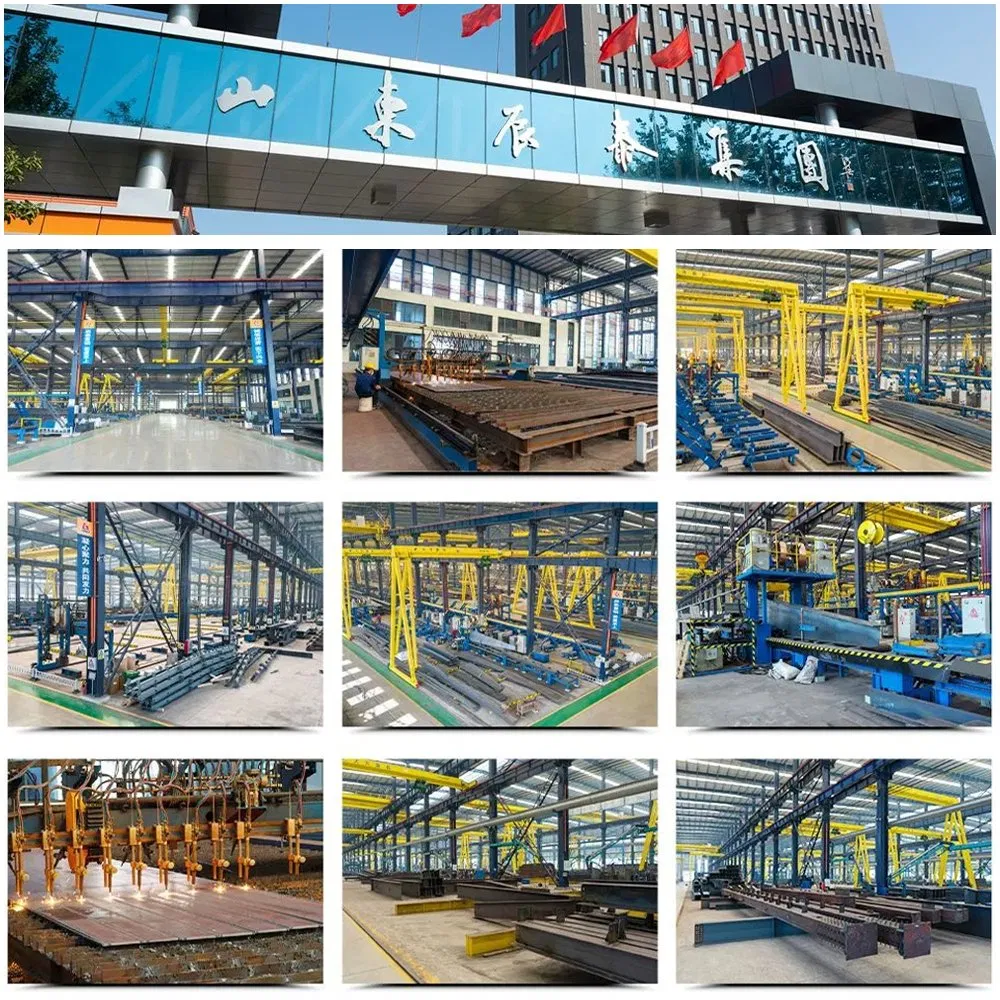
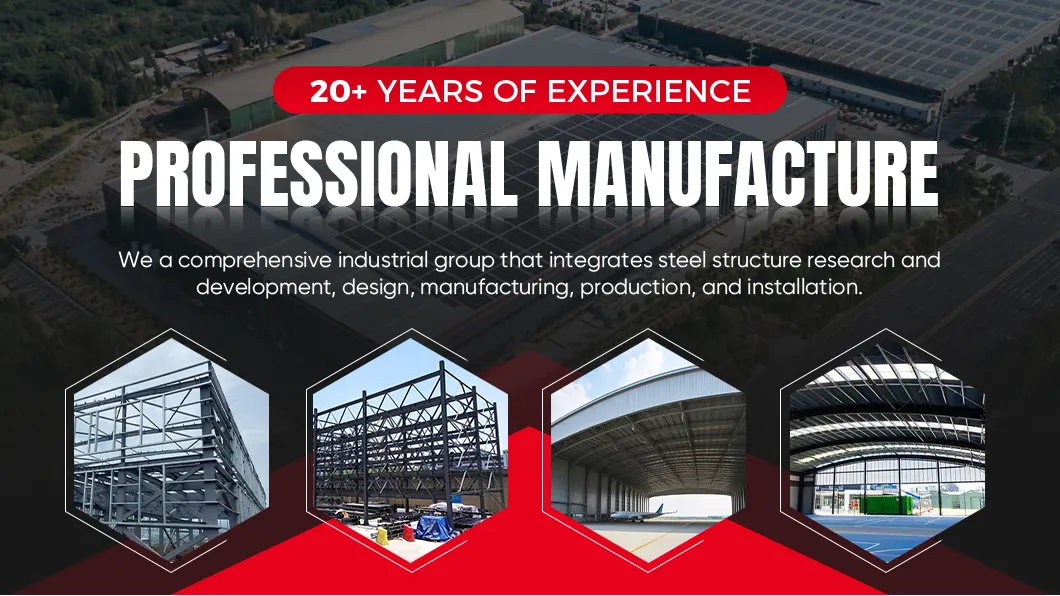
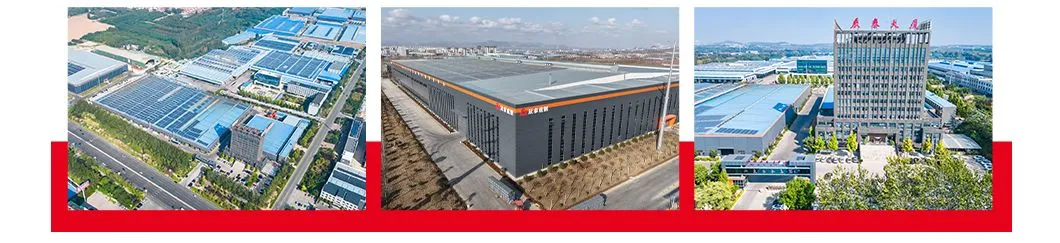
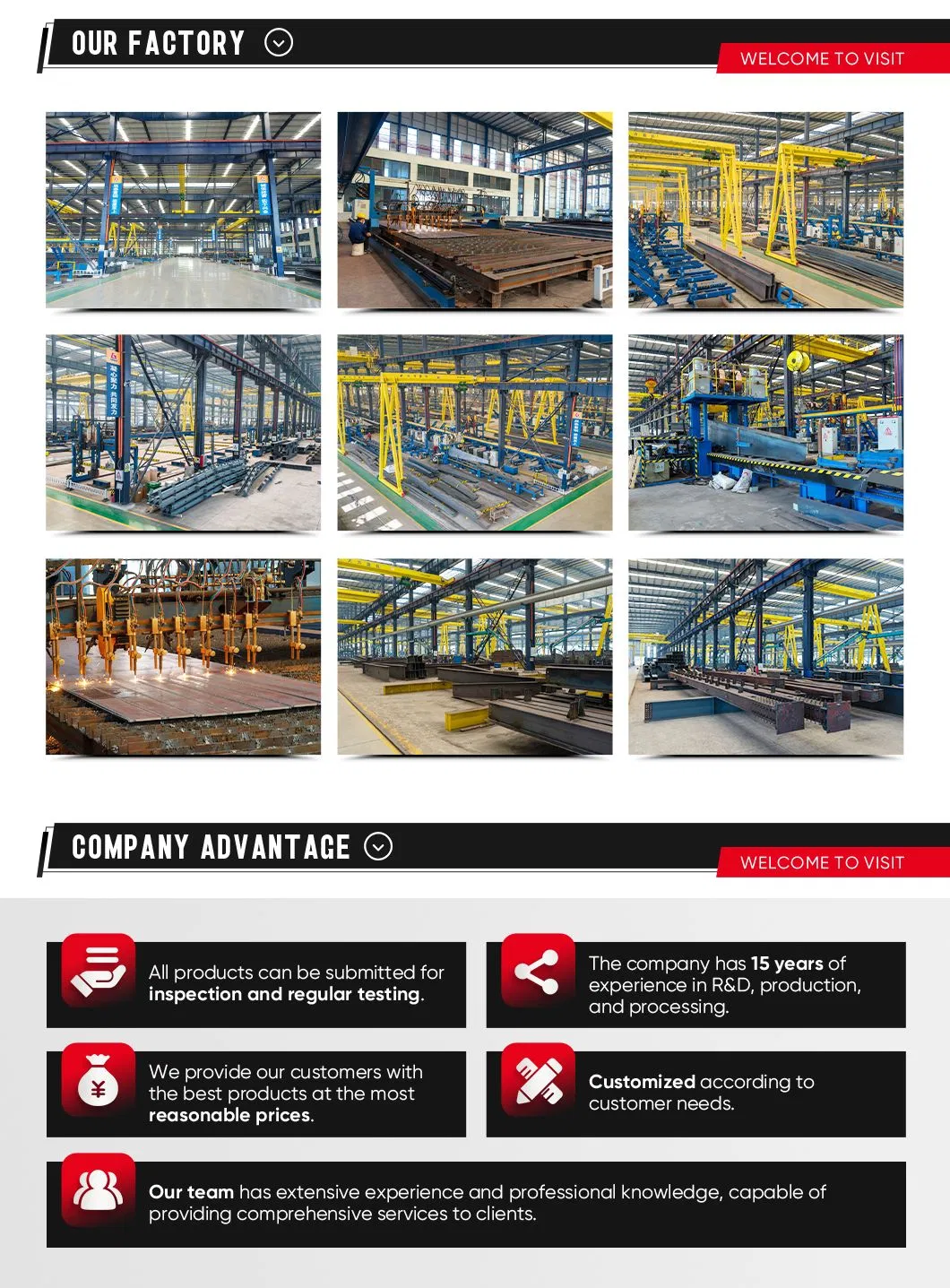
As a comprehensive industrial group, we integrate steel structure research and development, design, manufacturing, and installation. We operate across a production area of approximately 300,000 square meters, outputting 200,000 tons of steel structures annually. Supported by over 500 well-trained employees and more than 100 professional design and after-sales service team members, we operate 30 advanced steel structure production lines.
Our machinery includes automatic submerged arc welding, CO2 gas shielded welding, large-scale shot blasting, plasma cutting, and high-precision calibration systems. This complete workflow supports layout, welding, straightening, painting, and quality inspections under one roof.
Management: Make the best use of people, resources, and technical capabilities to ensure project success.
Business: Deliver long-term value, build trust, and maintain mutual benefits with our business partners.
Quality: Commit to structural excellence, dedicated service, and rigorous quality inspection protocols.
1. Installation Requirements: Establish strict construction sequence protocols. Verify measurements, calibrate high-strength bolts, and execute process testing before assembly. Control construction loads (such as snow, tools, and metal decks) to prevent overloading the frame.
2. Supporting Surfaces: Verify the building positioning axes, foundations, elevations, and footing bolts. The elevation deviation should not exceed ±3mm, and exposed footing bolts should align with standard project tolerances. Rectify any deformation or coating damage that occurs during transport before final placement.
3. Quality Control Measures: Establish comprehensive checks on technical personnel and active quality control mechanisms. Conduct regular supervisory inspections on all incoming structural components, ensuring only qualified materials reach the construction stage.
Fabrication & Welding: Ensure all welding operators carry recognized certifications. Ultrasonic flaw inspections must be performed on critical load-bearing joints to identify and resolve internal defects. Rust removal and primers must be completed under clean shop environments.
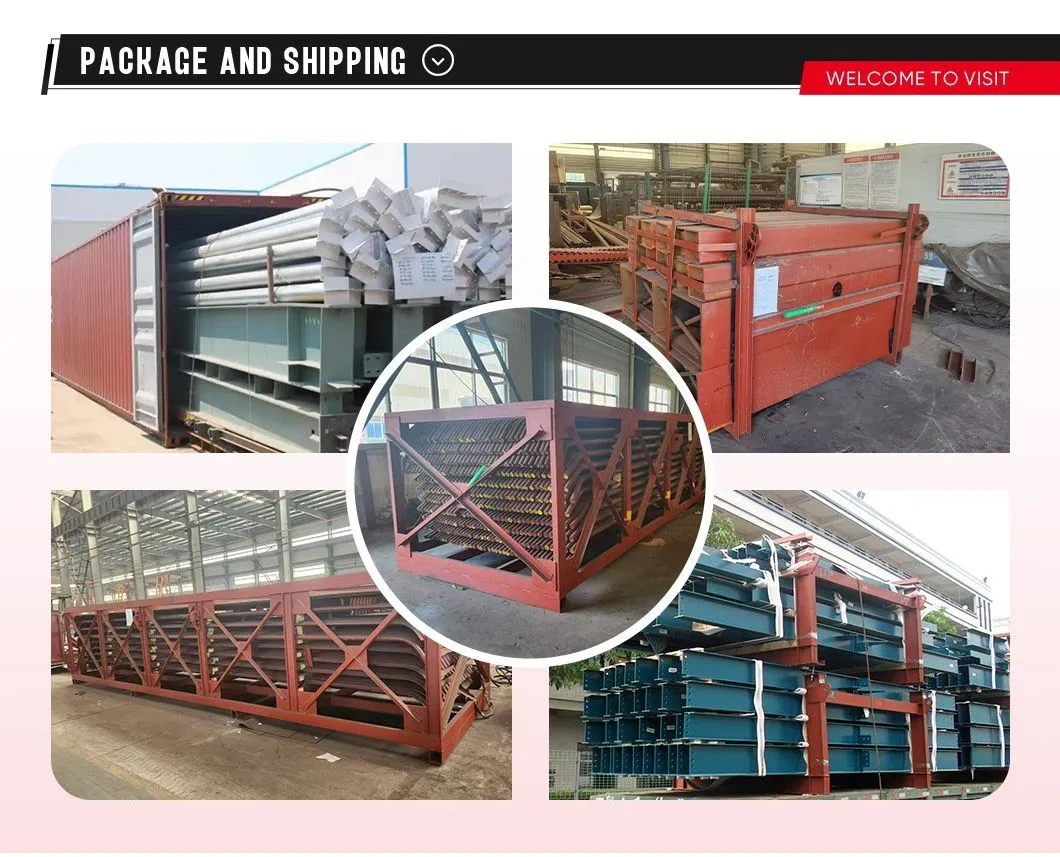
Transportation: Choose appropriate transport vehicles based on member lengths and weight distributions. Bind and protect contact points to avoid structural deformation and surface coating scratches during transit.
Fire & Rust Prevention: Bare steel displays reduced yield strength when temperatures reach 550°C. Implement fireproof coatings uniformly to maintain structural integrity under thermal load. Ensure proper anti-corrosion layer applications to protect the steel frame from atmospheric corrosion.