High-performance structural designs engineered to minimize on-site labor and optimize building lifetimes in urban and industrial zones across Japan.
A technical roadmap for engineering durable modular systems compliant with localized safety mandates.
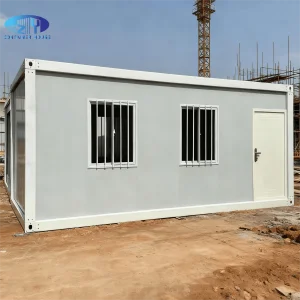
The construction landscape in Japan presents unique structural and regulatory conditions. As the nation faces persistent seismic activities, dense urban environments, and an acute labor shortage, the demand for off-site manufactured Modular Metal Buildings has accelerated. Prefabricated steel frame structures provide an efficient and compliant alternative to traditional concrete methodologies.
To successfully deliver prefabricated metal structures to Japan, manufacturers must strictly adhere to the Building Standards Act (Kenchiku Kijun-hō). This framework regulates structural calculation standards, safety parameters under wind and snow loads, and seismic durability. Guangzhou Dhingia Build Co., Ltd. addresses these regulatory requirements through advanced engineering validation and strict alignment with JIS (Japanese Industrial Standards) materials profiles.
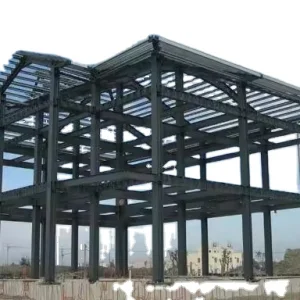
In seismic design, structures must not only support gravity loads but also absorb lateral forces during earthquakes. Our modular metal buildings utilize moment-resisting steel frames combined with braces. This design provides structural ductility to dissipate energy without failure. Calculations incorporate the structural shear coefficient ($C_0$), adjusting to regional seismicity levels from Hokkaido to Okinawa.
Japan's Energy Conservation Act (Kenchikubutsu Shōene Hō) imposes tight regulations on thermal transmittance. For applications like cold-storage hubs in Chiba or offices in Tokyo, sandwich panels featuring high-density Polyisocyanurate (PIR) or Rockwool cores are used. These systems minimize thermal bridging, reduce HVAC loads, and deliver excellent fire-resistance ratings.
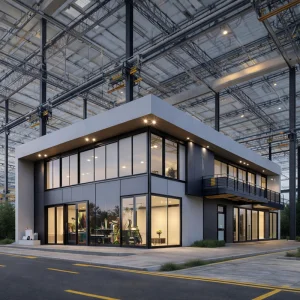
Flexible spatial designs customizable for high-density logistics, eco-tourism projects, and administrative infrastructure.
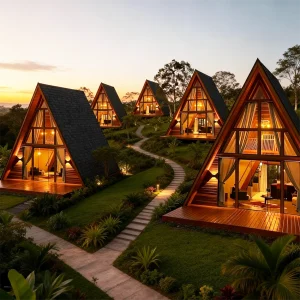
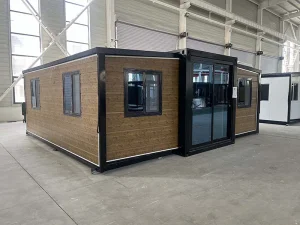
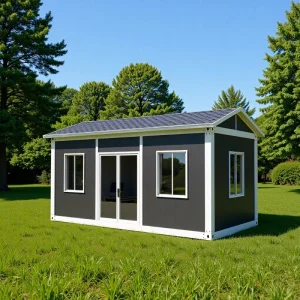
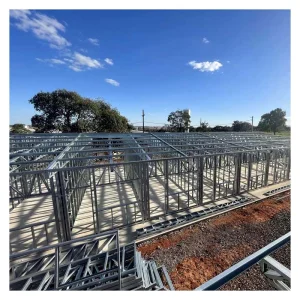
The global construction sector faces challenges from rising material prices and labor shortages. Off-site modular construction addresses these issues by moving structural fabrication from the site to a controlled factory setting. Guangzhou Dhingia Build Co., Ltd. utilizes regional manufacturing strengths to supply high-quality prefabricated structures to Japan and global markets.
| Evaluation Parameter | Traditional On-Site Construction (Japan) | Dhingia Modular Steel Systems (China Factory) |
|---|---|---|
| Project Delivery Timeline | 12–18 Months (highly dependent on weather/labor) | 4–6 Months (parallel foundation & factory fabrication) |
| On-Site Labor Demand | High (requires intensive welding and assembly) | Minimal (bolted connections, pre-assembled modules) |
| Seismic Performance | Site-poured concrete (heavy mass, high shear stress) | Ductile steel structures (lighter weight, lower inertial force) |
| Environmental Impact | Significant noise, dust, and material waste on-site | Recyclable steel components, low waste, quiet installation |
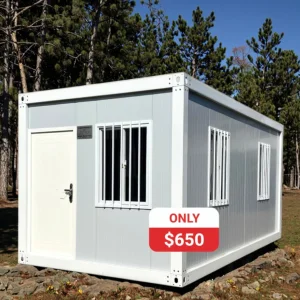
Shipping prefabricated modules requires precise transport planning. Our designs are optimized for standard container dimensions (20GP, 40HQ, or Open Top). This optimization allows modules to ship smoothly from Guangzhou Port to major hubs in Japan, including Tokyo, Yokohama, Kobe, and Osaka, without requiring oversized cargo permits.
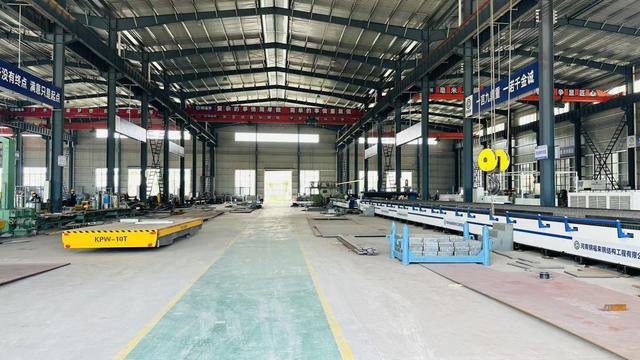
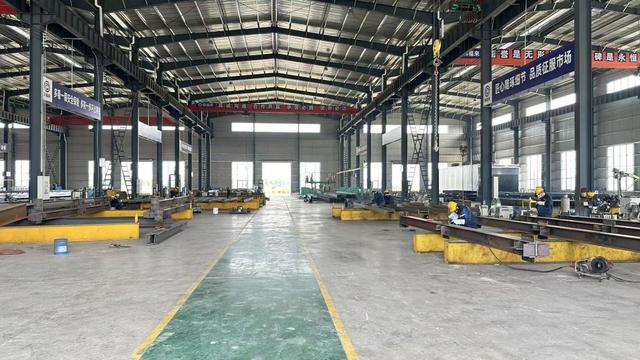
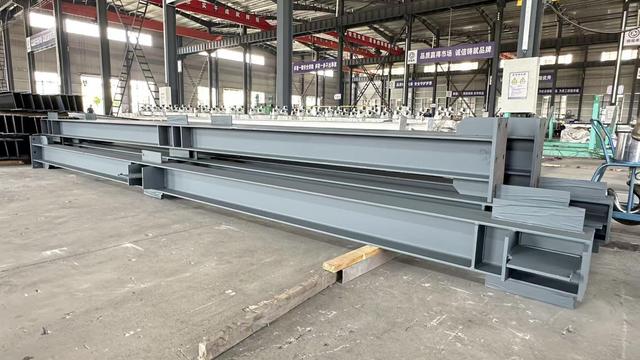
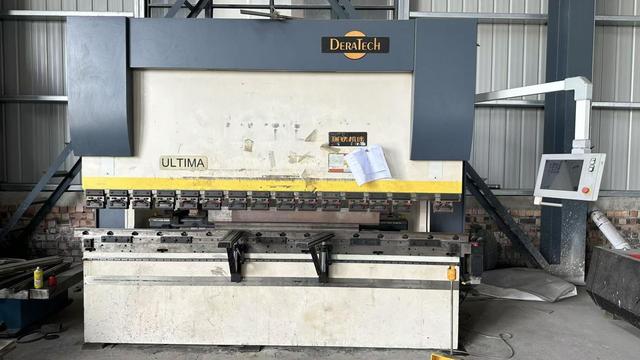
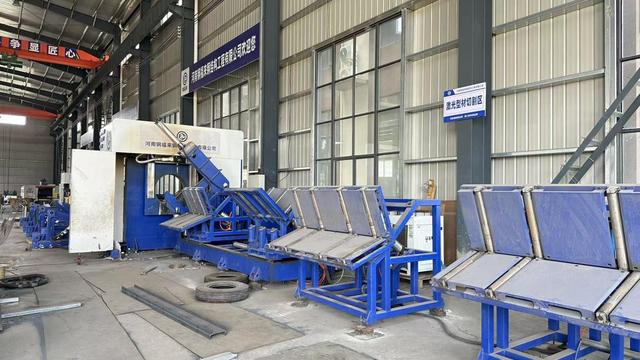
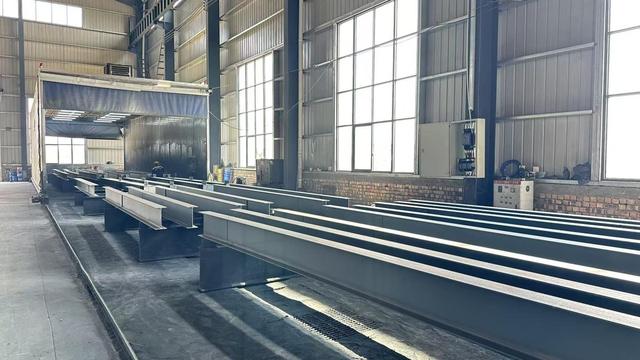
Structural integrity depends on selecting the right materials and executing precise fabrication. We utilize automated submerged arc welding, CNC cutting, and multi-stage shot blasting. This process ensures that steel surfaces achieve an Sa 2.5 cleanliness rating, which is critical for strong paint and coating adhesion.
For coastal industrial zones in Japan, we apply Hot-Dip Galvanizing (HDG) with coating weights exceeding 610g/m² (conforming to JIS H8641). This application provides long-term resistance to marine environments. For inland and colder areas like Hokkaido, we incorporate high-performance insulation layers into the wall panels to prevent condensation and structural damage.
Guangzhou Dhingia Build Co., Ltd. is a professional China pre-engineered metal building manufacturer specializing in industrial steel structure solutions for customers around the world. With extensive expertise in steel construction engineering and prefabricated building technologies, the company is dedicated to providing high-quality, cost-effective, and customized building systems for diverse industrial and commercial applications.
The company offers a wide range of products, including pre-engineered metal buildings, industrial steel structures, steel warehouses, manufacturing plants, logistics centers, commercial buildings, workshop facilities, and custom-engineered construction solutions. Designed to meet international standards, these building systems are known for their structural strength, rapid installation, long service life, and excellent cost efficiency.
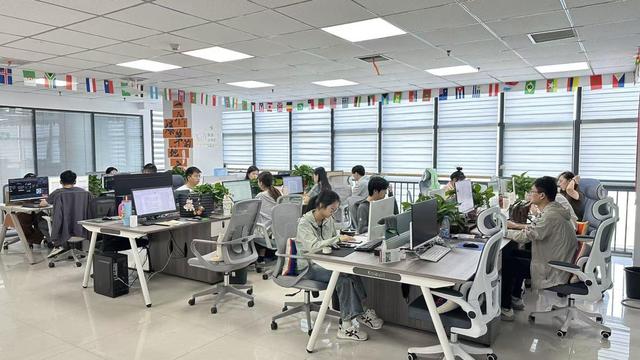
Guangzhou Dhingia Build Co., Ltd. operates modern manufacturing facilities equipped with advanced steel fabrication machinery, automated production lines, and comprehensive quality inspection systems. Supported by an experienced team of engineers, designers, and project managers, the company provides one-stop services covering project consultation, structural design, engineering analysis, manufacturing, quality control, and international logistics coordination.
Innovation and quality are fundamental to the company's development strategy. By integrating advanced design software and precision manufacturing technologies, Dhingia Build delivers reliable steel structure solutions that help customers reduce construction time, minimize labor costs, and improve overall project efficiency. The company's products are widely used in industrial production facilities, warehouses, agricultural buildings, commercial complexes, infrastructure projects, and large-scale storage applications.
Committed to the principles of quality, integrity, and customer satisfaction, Guangzhou Dhingia Build Co., Ltd. has established strong partnerships with clients across Asia, Europe, the Middle East, Africa, and the Americas. The company continues to provide innovative industrial steel structure solutions that support sustainable growth and create long-term value for global customers.
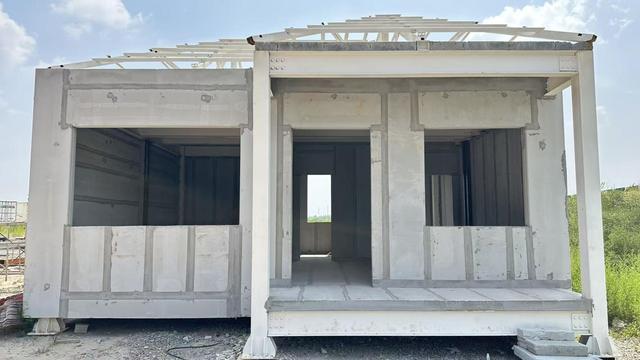
Explore our full line of light-gauge and heavy-structural modular systems designed for international shipping and rapid deployment.
Answers to key regulatory, structural, and logistical questions when importing modular steel buildings into Japan.
 Dhingia Build