Rapid-assembly modular configurations optimized for industrial zoning and high structural efficiency in Osaka.
The Kansai economic zone, centered on Osaka, is currently undergoing a massive structural transformation. Driven by the upcoming Osaka-Kansai Expo 2025 and the development of Yumeshima as an integrated resort hub, the regional logistics, storage, and commercial infrastructures are facing unparalleled capacity bottlenecks. In addition to these large-scale expansions, the "2024 Logistics Problem" in Japan—which severely limits overtime hours for truck drivers and construction workers—has triggered an urgent demand for accelerated construction methodologies. Traditional on-site building practices are proving too slow, labor-intensive, and susceptible to the escalating costs of domestic Japanese construction materials.
Modular metal buildings present the ultimate solution to these modern challenges. By shifting up to 85% of structural manufacturing off-site into advanced fabrication facilities, project timelines in Osaka's high-density zoning districts are compressed by up to 50%. The Port of Osaka, as one of Japan’s primary trade gateways, is optimally structured to receive these containerized and pre-engineered steel modules, allowing for immediate transport to building sites across Sakai, Higashiosaka, and the wider Kansai plain.
Osaka’s coastal location poses specific environmental challenges. Structures must be calculated to withstand significant seismic activity associated with the Nankai Trough potential hazards, alongside typhoon-strength wind pressures originating in Osaka Bay. Under the Japanese Building Standards Act (Kenchiku Kijun-hō), steel structures must conform to rigid structural load limits. Guangzhou Dhingia Build designs components utilizing JIS-grade equivalent steels (such as SS400 and SM490) and incorporates advanced structural joints designed to dissipate seismic energy. By utilizing high-ductility steel frames and precise bolt-connection geometry, our modular configurations ensure code-compliant safety margins while maintaining material efficiency.
Tailored structural engineering designed to solve specific geographical and regulatory challenges within the Kansai Prefecture.
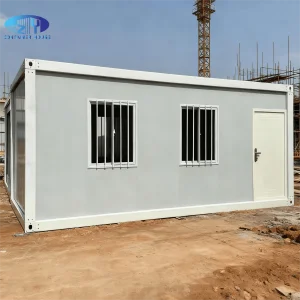
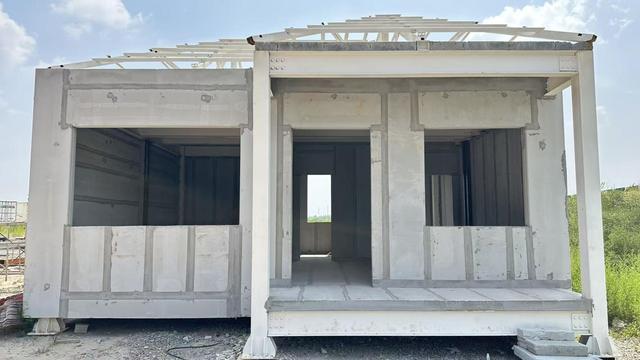
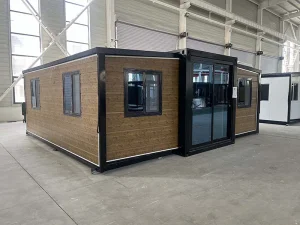
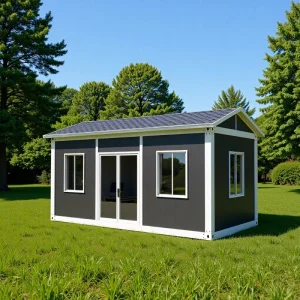
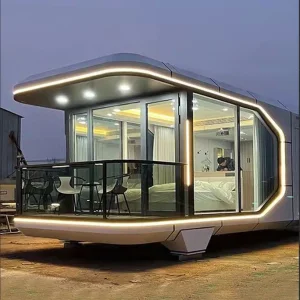
Osaka's commercial dense cores (like Umeda and Namba) demand non-disruptive, rapid construction. Our quick-assembly modular containers serve as auxiliary workspaces, pop-up commercial showrooms, and retail structures that can be deployed overnight with zero staging space.
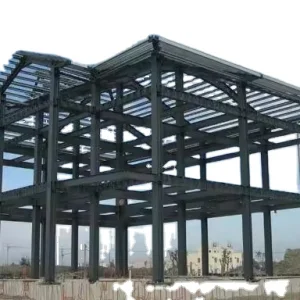
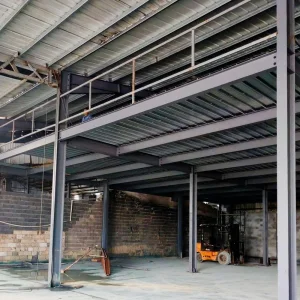
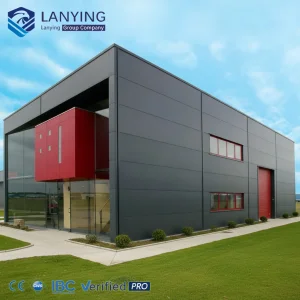
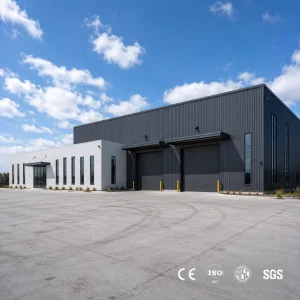
For zones bordering the Port of Osaka and Yumeshima, we engineer high-span pre-engineered steel warehouses equipped with C5-M high-durability marine anti-corrosion coatings to resist saltwater corrosion, incorporating advanced thermal-break sandwich panels.
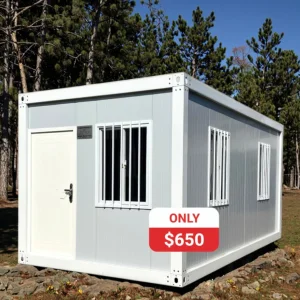
Designed for high portability, our detachable container modules offer rapid-response field clinics, command centers, and temporary housing that can be quickly deployed during typhoon aftermaths or regional infrastructure redevelopments.
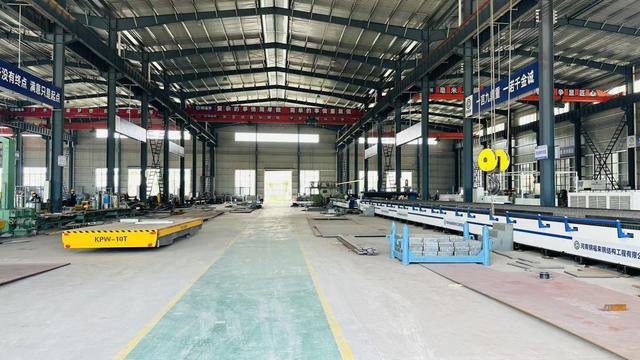
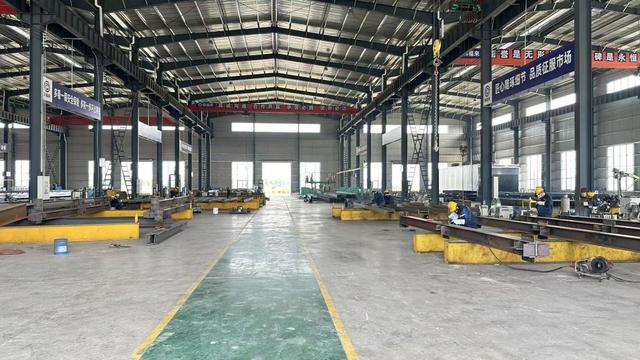
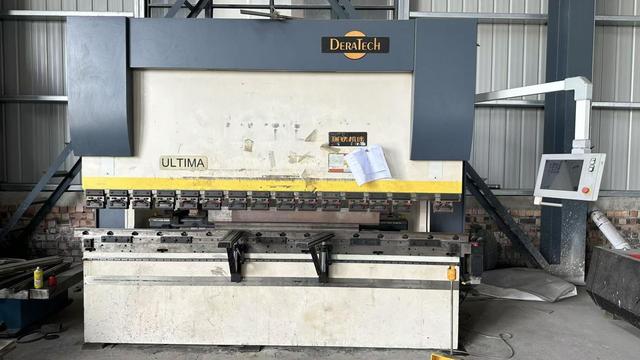
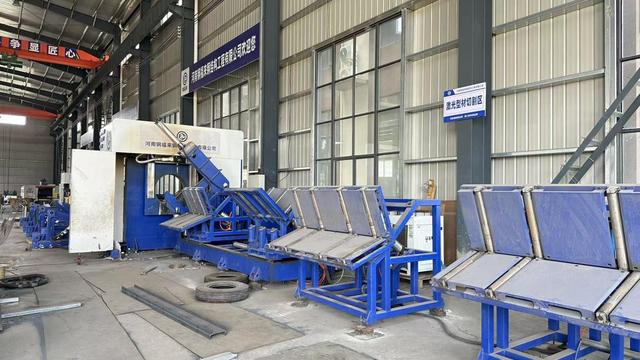
As an established global manufacturer, Guangzhou Dhingia Build Co., Ltd. leverages the strength and depth of Southern China’s primary steel processing industrial cluster. Our factory is equipped with highly automated welding machines, CNC cutting gantries, and advanced testing setups that allow us to manufacture large-scale pre-engineered structures with structural tolerance under 1mm. By sourcing high-tensile steel directly from leading Chinese state-owned steel mills, we isolate our clients from localized material shortages and domestic cost spikes within the Japanese domestic market.
Logistically, our production facility in Guangzhou is positioned near major deep-water ports (Nansha/Shenzhen). This proximity allows us to secure direct shipping slots to the Port of Osaka. Transit times typically range from 5 to 7 days, allowing for tight, just-in-time delivery schedules that align seamlessly with on-site crane and installation logistics in Kansai. All steel structures are loaded in pre-sequenced bundles or custom shipping racks, ensuring rapid offloading and immediate erection upon arrival.
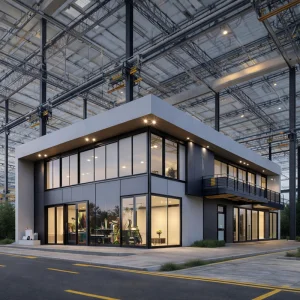
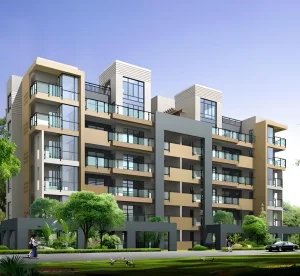
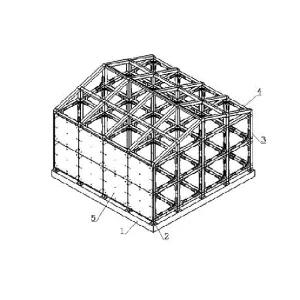
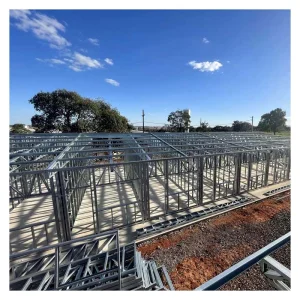
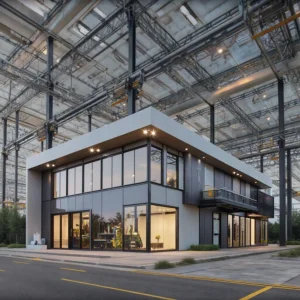
Engineered configurations suitable for multi-storey residential complexes and commercial extensions.
The future of industrial facilities in Japan points toward low-carbon footprints and smart energy management. Modern prefabricated systems must act as energy-efficient shells, supporting active solar panels and battery storage configurations. Our engineering roadmap targets carbon-neutral structural components, using higher percentages of recycled scrap steel melted in electric arc furnaces (EAF) to reduce embodied carbon.
Thermal envelope efficiency is another area of active optimization. Standard metal structures are prone to thermal bridging, which increases cooling loads during hot Osaka summers and heating requirements in winter. Dhingia Build resolves this by integrating thermal breaks within our modular systems, combined with high-performance polyurethane (PIR) and mineral wool cores. This envelope design meets the stringent energy efficiency standards mandated for new commercial construction across Japan, minimizing operational overhead for end-users.
With the rapid adoption of IoT in commercial logistics hubs, we build customized sensor integration brackets directly into the structural frame. During the design phase, key structural connections are mapped out, allowing the integration of strain gauges and seismic sensors during assembly. This lets facility managers track real-time loading patterns and structural response during typhoons and earth tremors, creating data-driven assurance plans.
Guangzhou Dhingia Build Co., Ltd. is a professional China pre-engineered metal building manufacturer specializing in industrial steel structure solutions for customers around the world. With extensive expertise in steel construction engineering and prefabricated building technologies, the company is dedicated to providing high-quality, cost-effective, and customized building systems for diverse industrial and commercial applications.
The company offers a wide range of products, including pre-engineered metal buildings, industrial steel structures, steel warehouses, manufacturing plants, logistics centers, commercial buildings, workshop facilities, and custom-engineered construction solutions. Designed to meet international standards, these building systems are known for their structural strength, rapid installation, long service life, and excellent cost efficiency.
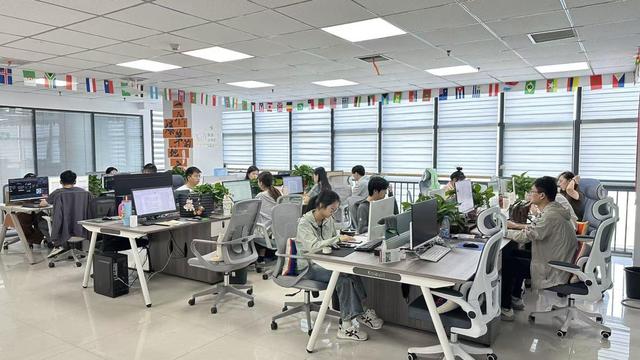
Guangzhou Dhingia Build Co., Ltd. operates modern manufacturing facilities equipped with advanced steel fabrication machinery, automated production lines, and comprehensive quality inspection systems. Supported by an experienced team of engineers, designers, and project managers, the company provides one-stop services covering project consultation, structural design, engineering analysis, manufacturing, quality control, and international logistics coordination.
Innovation and quality are fundamental to the company's development strategy. By integrating advanced design software and precision manufacturing technologies, Dhingia Build delivers reliable steel structure solutions that help customers reduce construction time, minimize labor costs, and improve overall project efficiency. The company's products are widely used in industrial production facilities, warehouses, agricultural buildings, commercial complexes, infrastructure projects, and large-scale storage applications.
Committed to the principles of quality, integrity, and customer satisfaction, Guangzhou Dhingia Build Co., Ltd. has established strong partnerships with clients across Asia, Europe, the Middle East, Africa, and the Americas. The company continues to provide innovative industrial steel structure solutions that support sustainable growth and create long-term value for global customers.
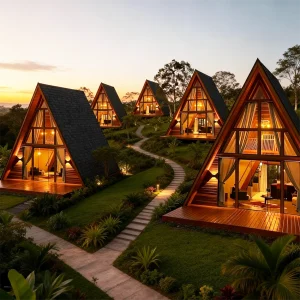
Designed for commercial expansion, resort properties, and industrial storage in Osaka Prefecture.
Technical clarifications regarding structural compliance, logistics, and erection for modular metal buildings imported into Japan.
Yes. During the design and engineering phase, we coordinate closely with local structural engineers in Japan. We can provide standard calculation sheets (Structural Calculation Report) that factor in seismic load coefficient (Co), wind pressure calculations, and snow loads conforming to Japanese building codes. All raw materials can be supplied with mill test certificates certifying chemical and physical properties matching JIS equivalents.
We offer full CNF or CIF shipping solutions directly to the Port of Osaka. Our logistics team secures dedicated container shipping slots (either flat rack or standard GP/HQ containers depending on building configuration). Upon arrival at the port, your local logistics partner or our partnered Japanese customs broker handles local custom clearing and schedules heavy flatbeds to move the units to your job site for direct crane-erection.
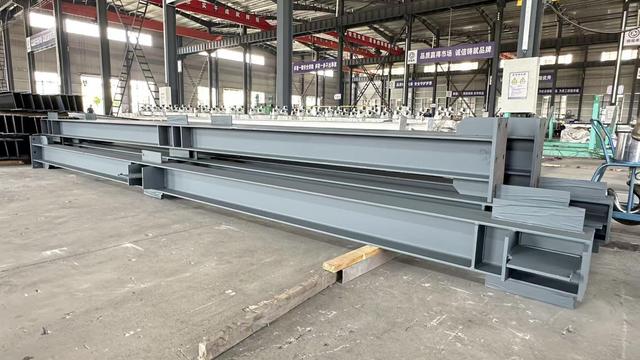
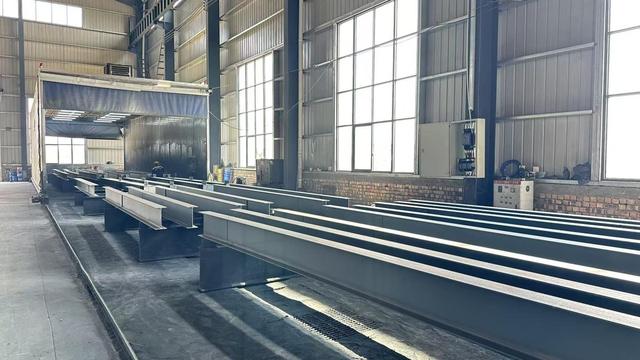
For coastal zones like Osaka Port or Wakayama, we specify high-strength H-beams and structural steel grades with high yield and tensile capacity. We use a base shear coefficient calculation of Z=1.0 (local seismic zone factor for Osaka) and design structural nodes using high-tension friction grip bolts (Grade F10T) to guarantee deformation ductility and energy absorption capacity during earthquakes.
Traditional concrete or on-site welded structures require extensive specialized field labor. By shifting fabrication, structural welding, cladding assembly, and even pre-wiring to our factory, we reduce on-site operations to simple crane placement and bolt-tightening. This reduces active construction site overhead and eliminates noise pollution and local assembly hazards.
For high-humidity and marine environments near Osaka Bay, all structural steel elements undergo shot-blasting to ISO Sa 2.5 standard, followed by high-thickness hot-dip galvanization or high-build epoxy zinc-rich priming. Thermally, we offer polyurethane sandwich panels (PIR) and mineral wool cores up to 150mm thick, which conform to Japan’s thermal transmission limitations (U-values) for energy savings.
 Dhingia Build