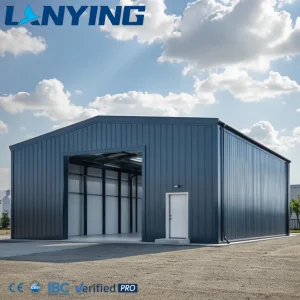
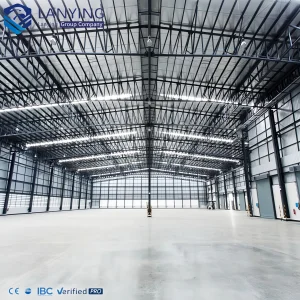
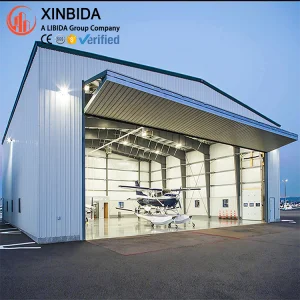
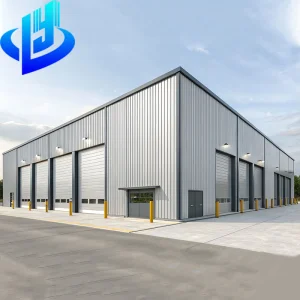
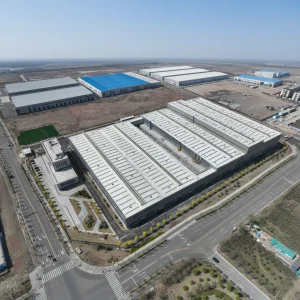
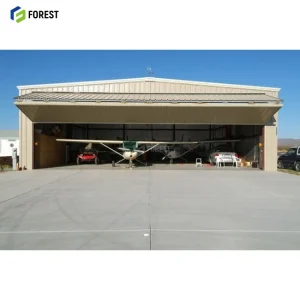
High-durability structural steel frameworks designed for maximum clear-span space and tropical environmental resilience.
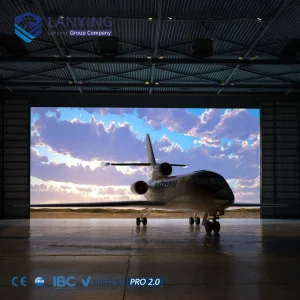
Unlocking macroeconomic opportunities and engineering prerequisites for state-of-the-art MRO centers.
Thailand is positioning itself as the primary aviation hub of Southeast Asia, driven by the government's ambitious Eastern Economic Corridor (EEC) development plan and the transformation of U-Tapao International Airport into a major Eastern Aerotropolis. This macro-industrial shift has fueled a skyrocketing demand for advanced, large-span, and durable aircraft hangar buildings. Commercial airlines, private charter companies, and military organizations are expanding their logistics and Maintenance, Repair, and Overhaul (MRO) networks, necessitating structural steel solutions that can be designed, manufactured, and exported with high efficiency.
Designing structures for Thailand requires an experienced structural engineering team familiar with local design standards and geological profiles. Thailand is subject to severe tropical monsoons, high humidity index ranges, and local seismic hazards in Northern and Western regions (governed by the Department of Public Works and Town & Country Planning - DPT standard 1301/1302). Standard pre-engineered buildings (PEBs) designed for temperate regions fail prematurely in Thailand due to atmospheric corrosion and inadequate wind-load assessments.
| Geographic Zone in Thailand | Wind Load Requirements (DPT 1311) | Corrosion Level (ISO 9223) | Recommended Steel Coating System |
|---|---|---|---|
| Coastal Areas (Rayong, Chonburi, Phuket) | Up to 1.8 kPa (140-160 km/h) | C4 - C5 (High Marine) | Hot-Dip Galvanized (HDG) min 600g/m² + Epoxy Coating |
| Central Plains (Bangkok, Pathum Thani) | Up to 1.2 kPa | C3 (Medium Industrial) | Polyester Powder Paint over Galvanized Primer |
| Northern Provinces (Chiang Mai, Chiang Rai) | Up to 1.0 kPa (Seismic Zone 1-2) | C2 (Low Corrosion) | Standard High-Durability Anticorrosive Alkyd Paint |
Guangzhou Dhingia Build Co., Ltd. custom-designs each hangar framework utilizing international structural analysis platforms like TEKLA and SAP2000, ensuring complete compliance with both AISC/Eurocode guidelines and localized Thai Industrial Standards (TIS). This guarantees rapid approval from local municipalities and airport authorities.
Customizable kits and large span configurations built to withstand tropical conditions.
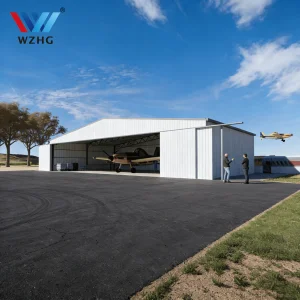
Worldwide, the aviation infrastructure market is transitioning away from traditional brick-and-mortar or standard heavy hot-rolled steel structures toward Pre-Engineered Buildings (PEB). PEBs combine computer-aided structural design with factory-controlled fabrication, minimizing raw material waste and field assembly times. By importing PEB solutions from Guangzhou Dhingia Build, Thai contractors can save up to 40% in build time compared to conventional construction methods.
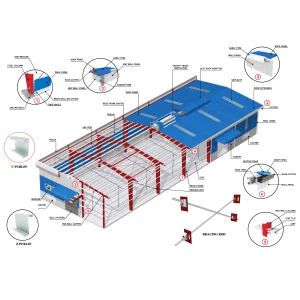
Key technical components of a modern aircraft hangar include:
Exporting structural steel components to Thailand requires rigorous adherence to local regulations. Our project design workflow integrates:
1. Architectural Alignment: Coordinating with Thai civil engineers to align structural foundations with local subsoil parameters (often soft clay in central areas like Samut Prakan, requiring deep concrete piling designs).
2. Corrosion Mitigation: Applying state-of-the-art multi-layer paint programs or high-micron hot-dip galvanization processes. All critical joints and high-stress points are reinforced with high-strength grade 8.8 or 10.9 structural bolts, coated to prevent galvanic corrosion.
3. Logistics and Customs Compliance: We manage direct maritime logistics from Guangzhou port to Laem Chabang port or Bangkok Port, supplying complete packing lists, mill certificates, and technical drawings to speed up Thai customs clearance procedures.
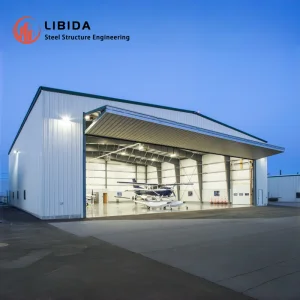
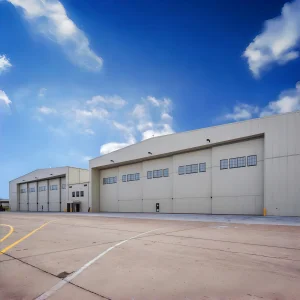
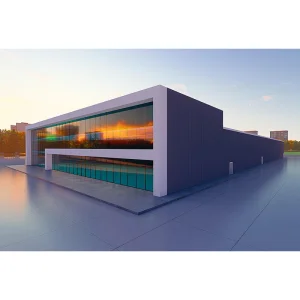
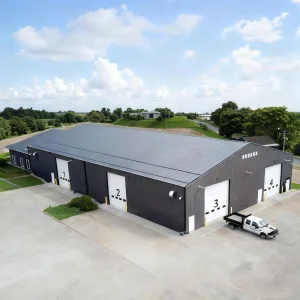
Explore our diverse portfolio of customized aircraft storage, heavy maintenance facilities, and shelter structures.
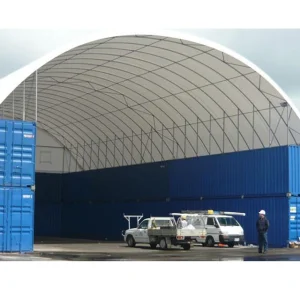
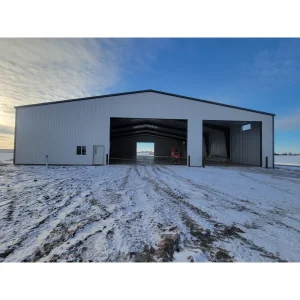
As international aviation targets net-zero carbon operations, the structures sheltering these aircraft must also evolve. Guangzhou Dhingia Build is at the forefront of green building technology, offering customized integrations for eco-conscious developers in Thailand:
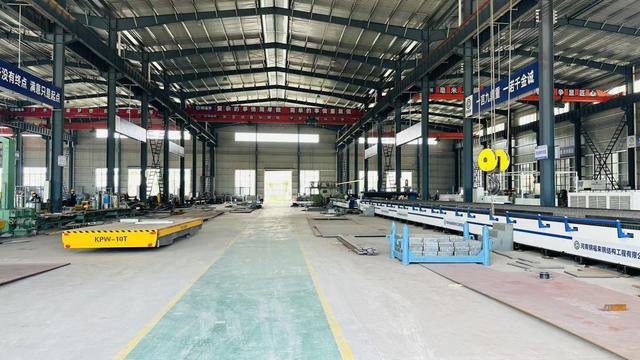
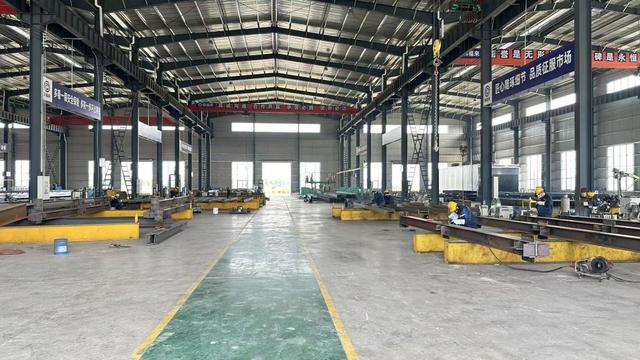
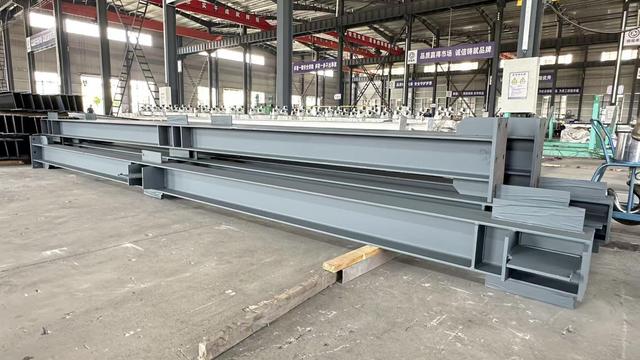
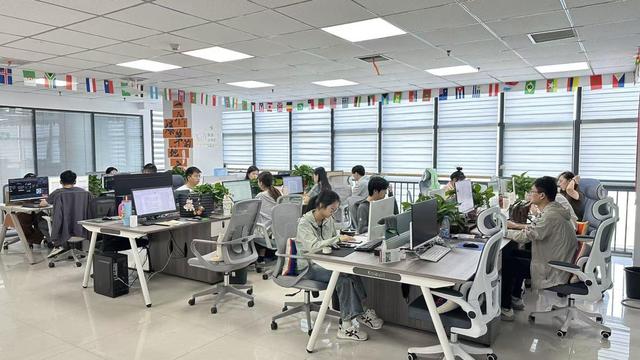
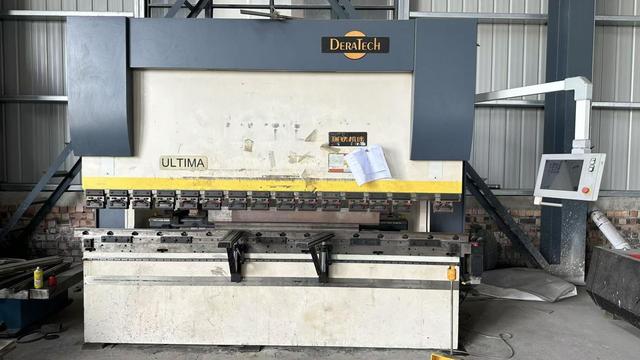
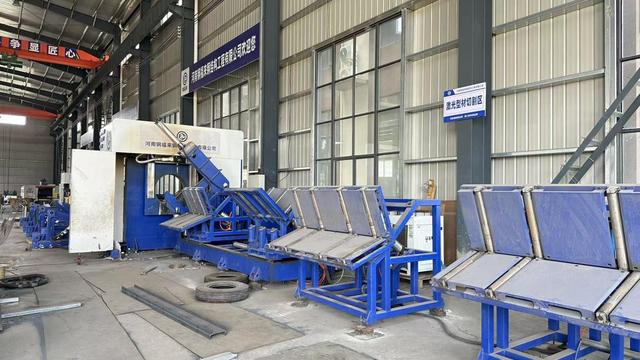
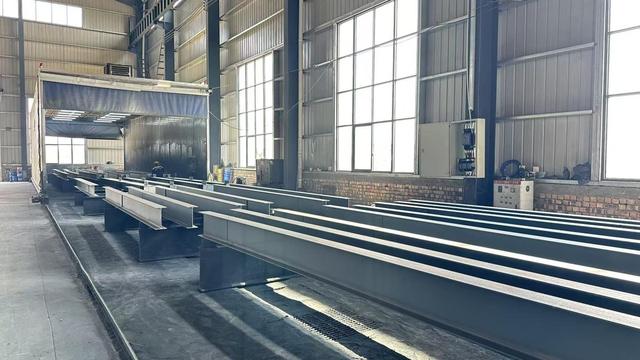
Our modern manufacturing base is equipped with state-of-the-art automatic steel fabrication lines, structural welding robots, and rigorous QC inspection yards to guarantee precision fitment in the field.
Answers to technical, regulatory, and logistical inquiries regarding prefabricated hangar construction.
 Dhingia Build