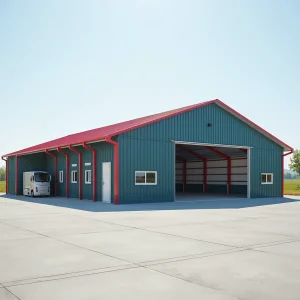
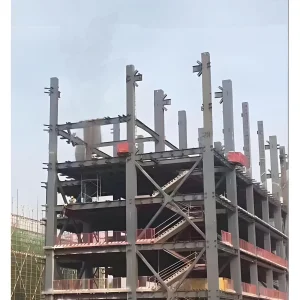
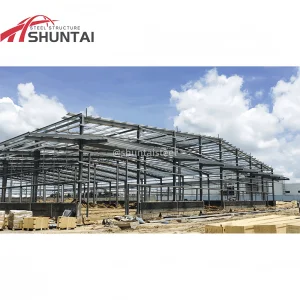
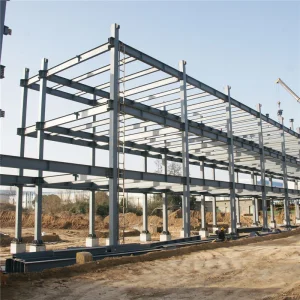
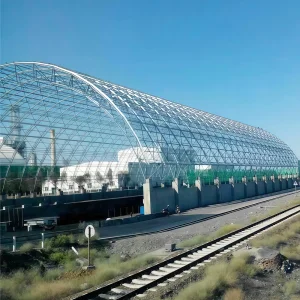
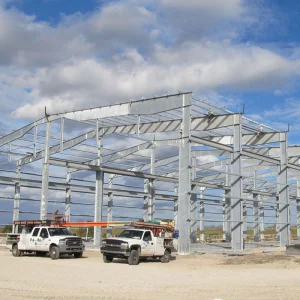
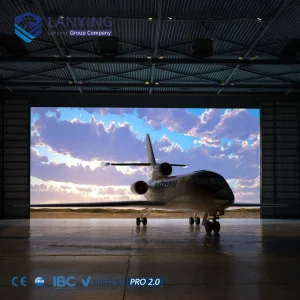
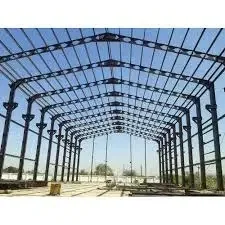
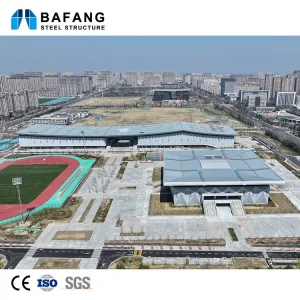
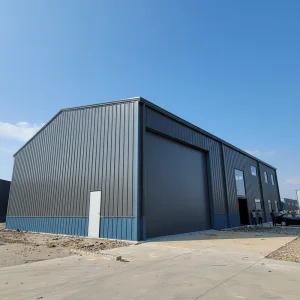
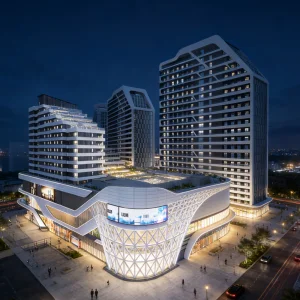
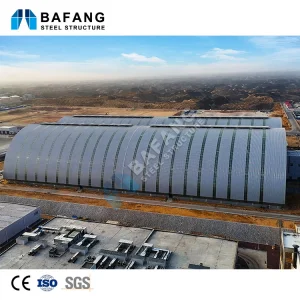
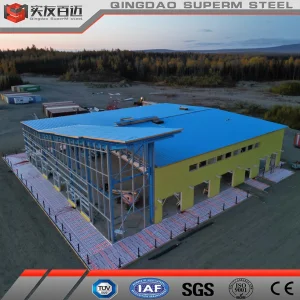
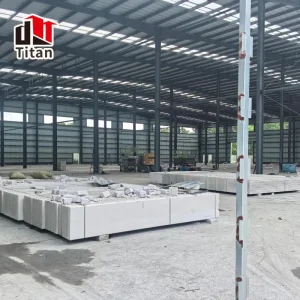
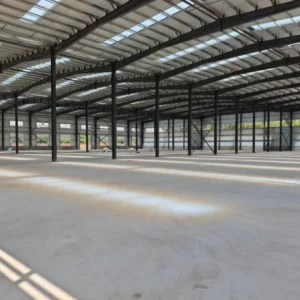
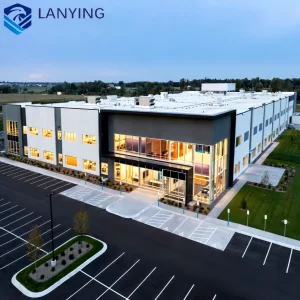
Engineered to withstand seismic activity, extreme wind loads, and heavy operational demands. Explore our core solutions below.
Guangzhou Dhingia Build Co., Ltd. is a professional China pre-engineered metal building manufacturer specializing in industrial steel structure solutions for customers around the world. With extensive expertise in steel construction engineering and prefabricated building technologies, the company is dedicated to providing high-quality, cost-effective, and customized building systems for diverse industrial and commercial applications.
The company offers a wide range of products, including pre-engineered metal buildings, industrial steel structures, steel warehouses, manufacturing plants, logistics centers, commercial buildings, workshop facilities, and custom-engineered construction solutions. Designed to meet international standards, these building systems are known for their structural strength, rapid installation, long service life, and excellent cost efficiency.
By integrating advanced structural modeling software, Automated Machine Control (AMC), and precision roll-forming technologies, Dhingia Build delivers reliable steel structure solutions that help global enterprise customers significantly reduce construction timelines, minimize field assembly labor costs, and improve overall lifecycle efficiency.
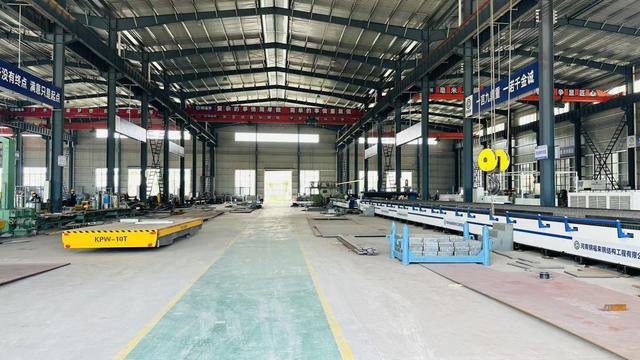
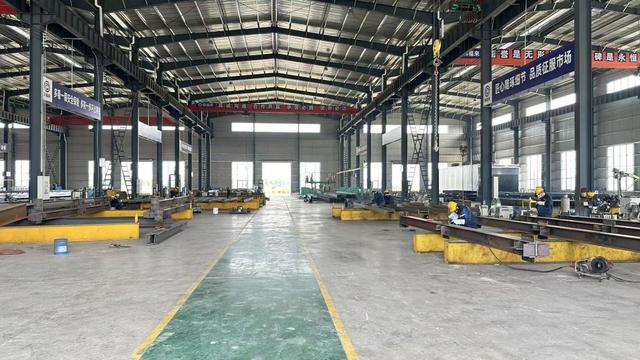
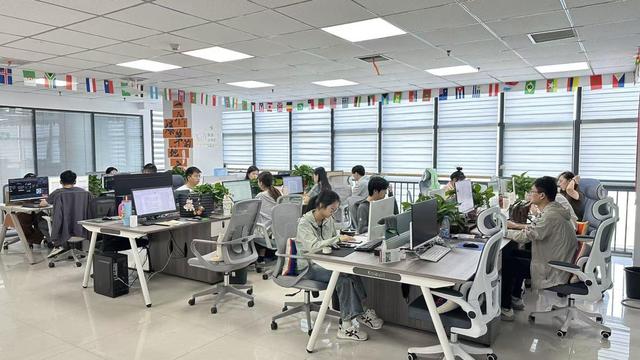
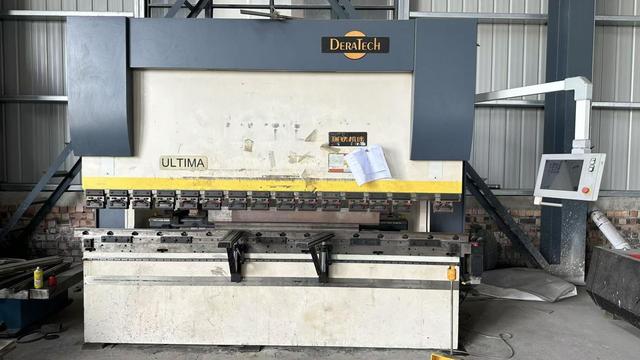
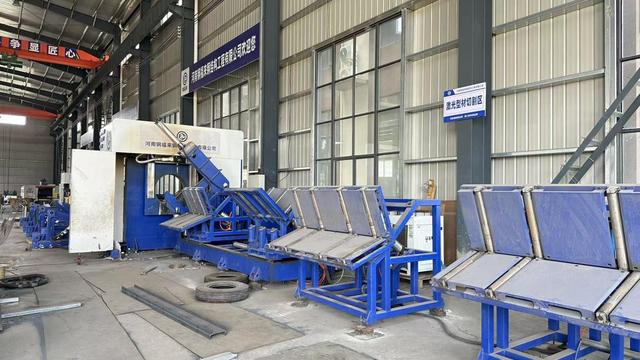
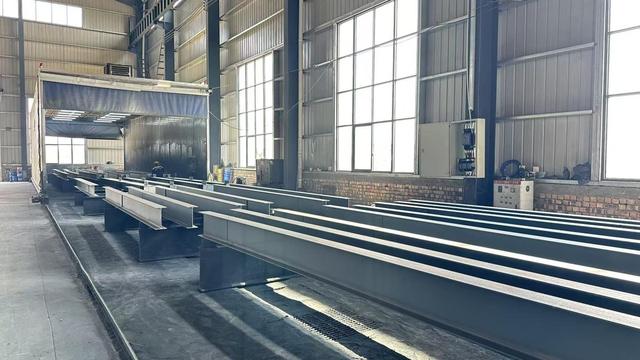
Guangzhou Dhingia Build Co., Ltd. operates modern manufacturing facilities equipped with advanced steel fabrication machinery, automated production lines, and comprehensive quality inspection systems. Supported by an experienced team of engineers, designers, and project managers, the company provides one-stop services covering project consultation, structural design, engineering analysis, manufacturing, quality control, and international logistics coordination.
Innovation and quality are fundamental to the company's development strategy. By integrating advanced design software and precision manufacturing technologies, Dhingia Build delivers reliable steel structure solutions that help customers reduce construction time, minimize labor costs, and improve overall project efficiency. The company's products are widely used in industrial production facilities, warehouses, agricultural buildings, commercial complexes, infrastructure projects, and large-scale storage applications.
Committed to the principles of quality, integrity, and customer satisfaction, Guangzhou Dhingia Build Co., Ltd. has established strong partnerships with clients across Asia, Europe, the Middle East, Africa, and the Americas. The company continues to provide innovative industrial steel structure solutions that support sustainable growth and create long-term value for global customers.
Understanding supply chain logistics infrastructure requirements, compliance demands, and technical specifications across continental borders.
Global procurement offices face multifaceted challenges when sourcing industrial steel structures. Beyond standard raw material costs, procurement programs must optimize for structural resilience, local zoning compliances, and minimized transit-to-erection schedules. Large-scale logistics hubs require massive clear-span designs to host Automated Storage and Retrieval Systems (ASRS), high-bay shelving, and intensive forklift activities.
Our engineering services prioritize high wind resistance (engineered up to Category 5 hurricanes/typhoons), seismic mitigation through dynamic zone structural analysis, and multi-tier energy conservation configurations (such as low-conductivity insulated sandwich panels). Sourcing from China enables clients to combine cost-competitiveness with high-grade fabrication technologies that meet or exceed AISC, Eurocode, and GB standards.
Fully compliant with IBC (International Building Code) and AISC (American Institute of Steel Construction) requirements. Designed specifically for site-specific ASCE 7 ground snow loads and high wind velocities.
Engineered in compliance with EN 1993 (Eurocode 3) for structural steel design and execution class requirements (EXC2/EXC3), offering reliable CE-certified production processes.
Optimized for structural durability in High Velocity Hurricane Zones (HVHZ). Enhanced with double-layered anti-corrosive treatments to combat coastal salinity and humidity degradation.
Architectural innovation meets structural efficiency: How Dhingia Build is paving the way for next-generation logistical infrastructure.
Modern distribution complexes are no longer simple storage boxes. They are active, automated machine housings that demand absolute spatial precision. Floor slab flatness (FF/FL values), vibration control, and thermal regulation are hyper-critical for high-speed automated machinery. Guangzhou Dhingia Build designs industrial infrastructure to accommodate internal structural vibration dampening, dynamic loads from portal cranes, and heavy floor loading from industrial warehouse racking systems.
Our solutions target energy efficiency by integrating natural ventilation systems, skylight distributions that reduce daily lighting utility demands by up to 35%, and high-performance insulated wall and roof systems that optimize mechanical HVAC configurations.
Environmental footprint mitigation is shifting from optional to regulatory. By adopting pre-engineered steel buildings (PEB), companies can achieve substantial life-cycle environmental savings. Steel is highly recyclable, and pre-engineered components result in near-zero raw material waste during fabrication. Our manufacturing facility uses CNC automated cutting and automated submerged arc welding lines, assuring precision and minimizing energy waste throughout the processing cycle.
Full-lifecycle Building Information Modeling (BIM) via Tekla Structures. Accelerates structural analysis, interference detection, and design execution while preventing on-site spatial conflict issues.
Use of advanced fluorocarbon paint and zinc-aluminum-magnesium alloy coatings. Extends structural design life cycles beyond 50 years without requiring extensive maintenance.
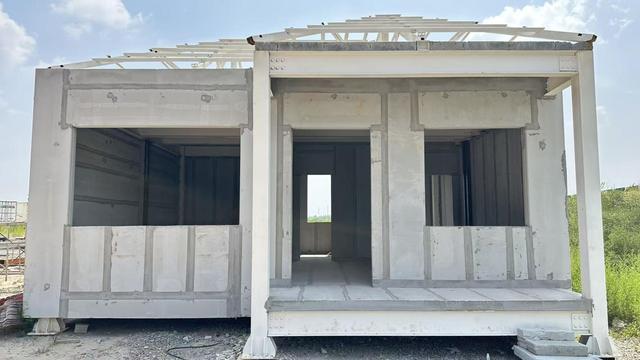
Shift towards pre-assembled sub-components (such as roof trusses and wall panels) shipped in structured containerized units to reduce on-site assembly timelines by 40%.
Transitioning toward low-carbon primary steel melt sourcing and integrating circular manufacturing principles to support international green construction standards.
Ensuring seamless transit, customs clearance, and structured on-site installation coordination across international borders.
Navigating cross-border logistics and construction regulations requires an experienced manufacturer. Guangzhou Dhingia Build Co., Ltd. provides dedicated project management services to guide clients through the entire execution phase. Our engineers coordinate directly with local design institutes to confirm that our calculations line up with local structural, seismic, and zoning rules.
Every structural steel component is explicitly labeled according to the assembly blueprints. We prepare comprehensive installation manuals, 3D structural animations, and digital layout maps to facilitate rapid, error-free assembly. For large-scale complexes, we can provide on-site technical coordination to oversee quality control, structural alignment, and safety protocols.
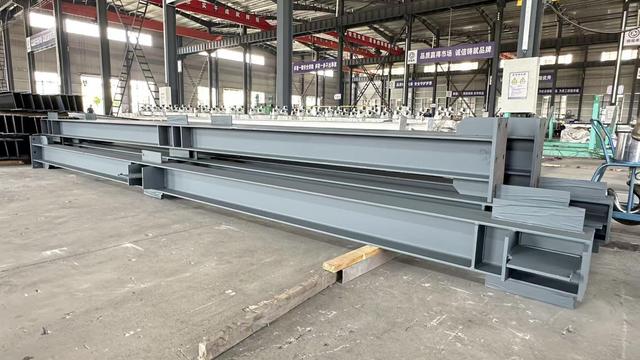
Transit damage can derail construction schedules. We employ heavy-duty export packaging designed to withstand long ocean transits. Structural columns and trusses are bundled with steel strapping and protective foam buffers, while smaller plates, fasteners, and high-strength bolts are packed in marked wooden crates or moisture-resistant steel drums.
Our logistical teams are highly experienced in handling standard containers, Open-Top containers, and Flat-Rack configurations, maximizing volume utilization while protecting structural pieces from mechanical impacts and water exposure.
Expert answers to critical engineering, manufacturing, and procurement inquiries from global project directors.
Engineered for high-bay warehousing, cold chain storage, multi-story buildings, and specialized commercial operations.
 Dhingia Build