Pre-engineered steel structural systems designed to meet international standards for strength, speed of construction, and durability.
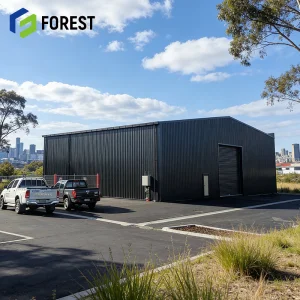
Navigating the engineering trends, green steel shifts, and architectural innovations driving high-density vertical development.
Modern urban dynamics necessitate efficient, sustainable, and rapid methods for high-density horizontal and vertical construction. High-rise structural steel represents the peak of this evolution. Once confined to standard commercial towers, structural steel frameworks are now the primary choice for complex industrial zones, vertical logistics systems, mixed-use commercial centers, and modular institutional spaces.
Design for Manufacture and Assembly (DfMA) ensures structural components are pre-machined to precise tolerances. Offsite prefabrication reduces installation schedules by up to 40% and minimizes onsite waste.
Structural steel is highly recyclable. By utilizing energy-efficient processing methodologies, Chinese manufacturers help developers achieve critical LEED, BREEAM, and international green building certifications.
Advanced Building Information Modeling (BIM) systems streamline workflows from conceptual drafting to final assembly. Virtual modeling reduces collision errors during onsite bolt installation and member alignment.
Historically, standard structural steel was limited to low-yield alloys. Today’s super-tall and high-rise configurations integrate high-strength steel grades such as Q355B, Q420, and Q460. These formulations yield superior tensile strength, reducing the cross-sectional area of columns, which maximizes usable interior space.
Additionally, advanced thermal-mechanical control processes (TMCP) produce structural plates that feature excellent weldability and fracture toughness. This ensures that heavy high-rise elements maintain their structural integrity under high load demands.
Critical engineering metrics, standards conformance, and procurement check-points for overseas developers and EPC contractors.
Procuring prefabricated steel from Chinese suppliers requires compliance with regional building codes. For structural integrity, engineering projects must conform to:
To meet compliance guidelines, global buyers must secure verified quality documentation:
A professional China pre-engineered metal building manufacturer specializing in industrial steel structure solutions globally.
Guangzhou Dhingia Build Co., Ltd. is a professional China pre-engineered metal building manufacturer specializing in industrial steel structure solutions for customers around the world. With extensive expertise in steel construction engineering and prefabricated building technologies, the company is dedicated to providing high-quality, cost-effective, and customized building systems for diverse industrial and commercial applications.
The company offers a wide range of products, including pre-engineered metal buildings, industrial steel structures, steel warehouses, manufacturing plants, logistics centers, commercial buildings, workshop facilities, and custom-engineered construction solutions. Designed to meet international standards, these building systems are known for their structural strength, rapid installation, long service life, and excellent cost efficiency.
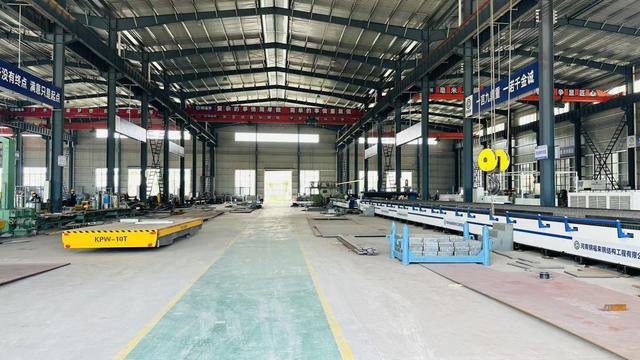
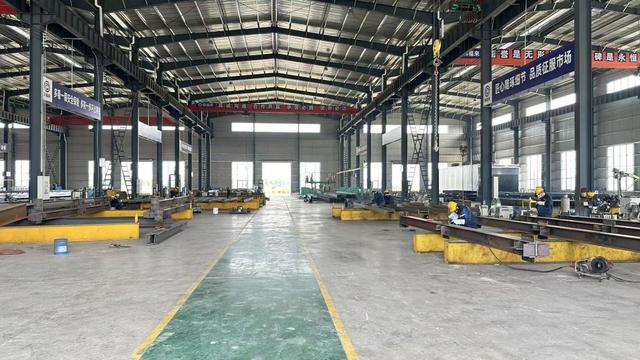
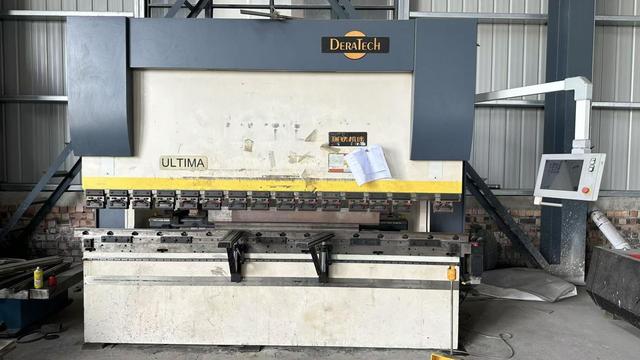
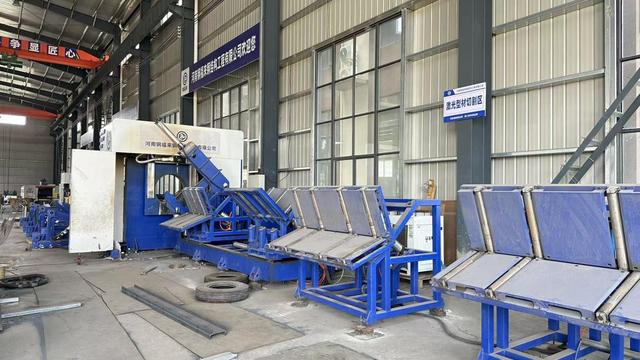
Guangzhou Dhingia Build Co., Ltd. operates modern manufacturing facilities equipped with advanced steel fabrication machinery, automated production lines, and comprehensive quality inspection systems. Supported by an experienced team of engineers, designers, and project managers, the company provides one-stop services covering project consultation, structural design, engineering analysis, manufacturing, quality control, and international logistics coordination.
Innovation and quality are fundamental to the company's development strategy. By integrating advanced design software and precision manufacturing technologies, Dhingia Build delivers reliable steel structure solutions that help customers reduce construction time, minimize labor costs, and improve overall project efficiency. The company's products are widely used in industrial production facilities, warehouses, agricultural buildings, commercial complexes, infrastructure projects, and large-scale storage applications.
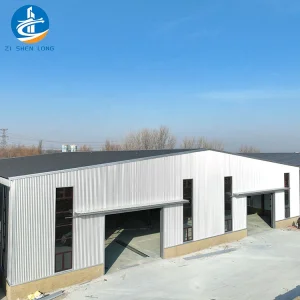
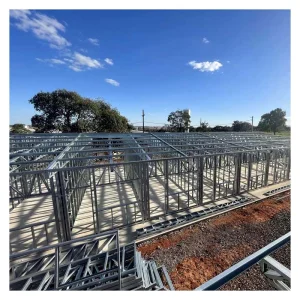
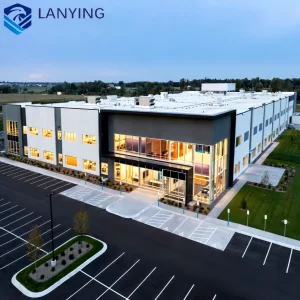
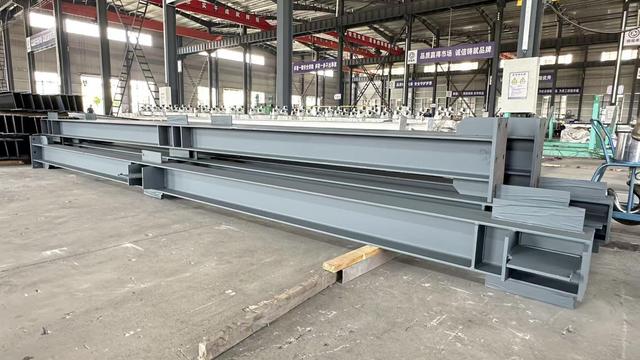
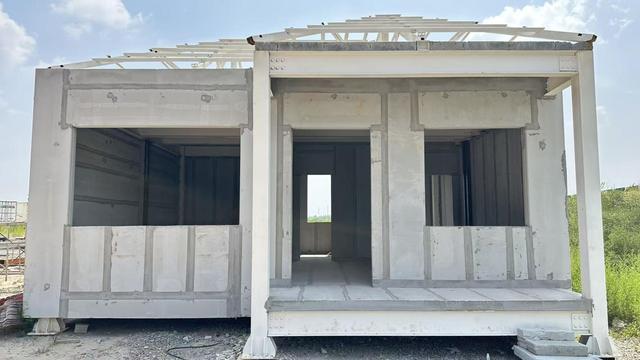
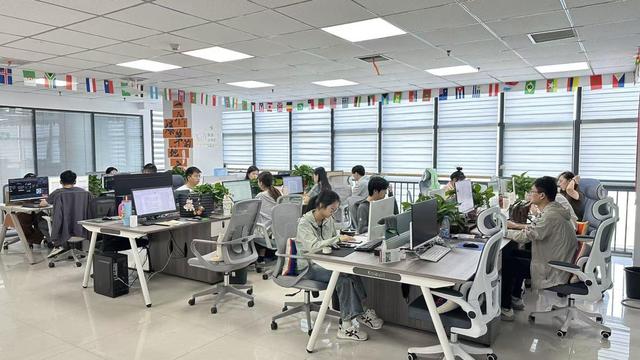
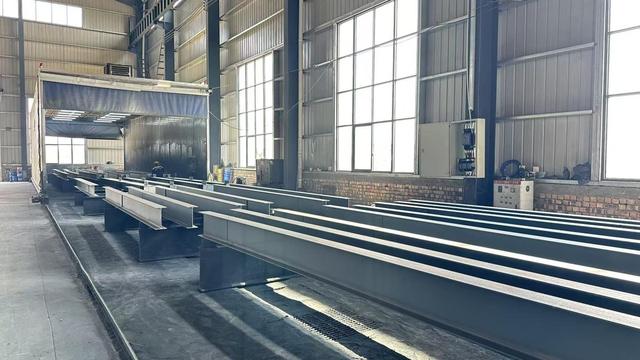
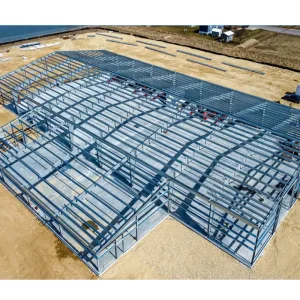
Dhingia Build maintains modern production facilities and structural fabrication processes, as shown in the projects and fabrication stages below:
Systematic engineering frameworks tailored for specific industry sectors and geological conditions.
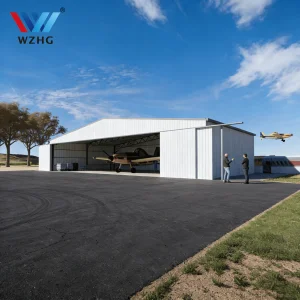
Large-span hangars and distribution hubs leverage space-frame and long-span trusses. These designs allow for column-free interior spans exceeding 100 meters, which is essential for aircraft maneuvering and automated logistics.
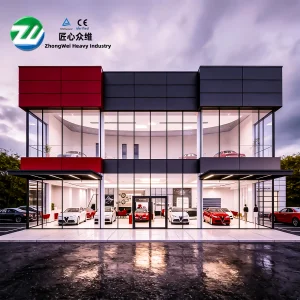
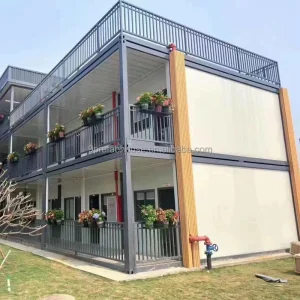
Multi-story apartments, retail spaces, and commercial complexes utilize composite steel-concrete floor systems. They offer excellent load capacity, thin floor depths, and rapid structural assembly.
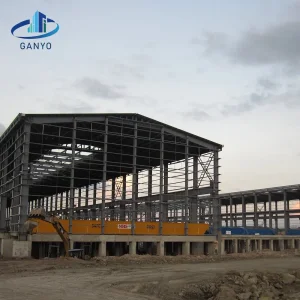
Manufacturing facilities requiring high-capacity overhead cranes utilize built-up H-sections and heavy box-columns. This ensures structural stability under constant dynamic loads and fatigue cycles.
Our high-rise and industrial steel solutions incorporate modern design technologies to enhance project outcomes:
Engineering methodologies designed to withstand extreme wind, seismic events, and long-term environmental degradation.
High-rise steel structures require design considerations for dynamic horizontal forces. In seismic zones, structures are engineered with Moment Resisting Frames (MRFs) and Concentrically or Eccentrically Braced Frames (CBFs/EBFs) to dissipate seismic energy.
Wind engineering involves analyzing wind-induced vibration and structural deflection. We perform structural analysis to verify that drift limits conform to international safety regulations, such as ASCE 7 or Eurocode 1.
While structural steel is non-combustible, its load-bearing capacity decreases at elevated temperatures. To maintain structural integrity during fire events, we apply structural protection systems:
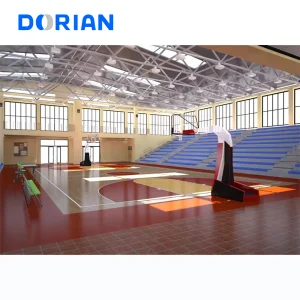
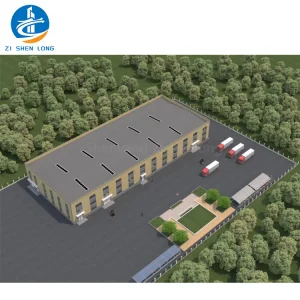
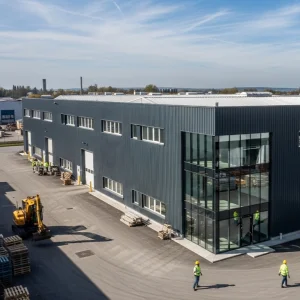
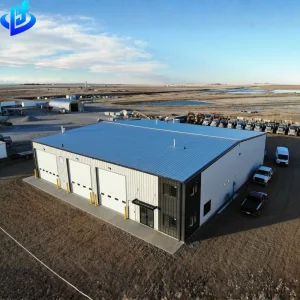
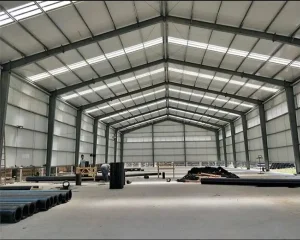
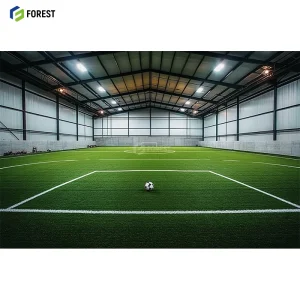
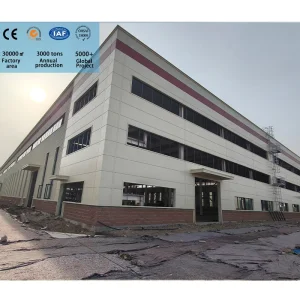
Explore our line of modular office spaces, logistics distribution complexes, sports halls, and metal storage kits.
From pre-shipment quality control inspections to on-site assembly guidance at overseas job sites.
Proper container packing is essential for preventing corrosion and deformation during transit. Large beams and components are secured on custom steel racks, and structural bolts and fasteners are packed in heavy-duty wooden crates.
We work with international logistics providers to manage customs clearance, ocean shipping, and overland delivery. We provide comprehensive drawings, packing lists, and assembly manuals for local port operations.
Our engineering team provides structural drawings, detailed step-by-step 3D assembly models, and online technical support. For complex configurations, we can send field supervisors to coordinate and guide local construction crews.
Quality control is integrated throughout our manufacturing process. Every production run is subjected to inspections, including structural dimension checks, coating thickness measurements, and welding quality verification. Our manufacturing facilities are certified to international quality standards, ensuring consistent fabrication for every project.
Expert technical answers addressing key design, procurement, and installation questions for structural steel projects.
 Dhingia Build