High-performance pre-engineered systems engineered to stringent global building codes and operational demands.
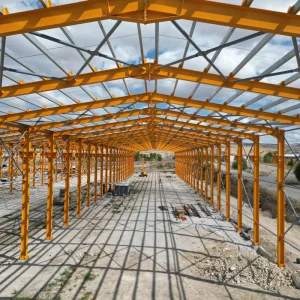
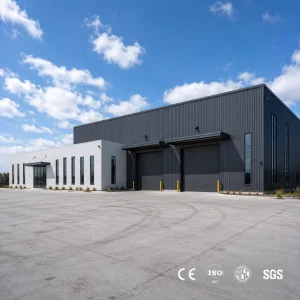
The contemporary construction landscape is experiencing a profound paradigm shift. Infrastructure developers, civil designers, and industrial companies are departing from legacy concrete methods, opting instead for high-performance composite steel building architectures. As a premier designer, manufacturer, and global exporter, Guangzhou Dhingia Build Co., Ltd. stands at the forefront of this industrial revolution. We deliver engineering integrity, structural reliability, and comprehensive global logistic operations across all seven continents.
Modern global logistics, rapid commercialization, and advanced aviation frameworks mandate robust, agile, and energy-conserving structures. Composite steel buildings combine the structural advantages of structural steel frame layouts with concrete floor systems, metal deck systems, and high-performance insulated sandwich panels. This composite synergy leads to unprecedented seismic performance, exceptional strength-to-weight ratios, and accelerated development schedules.
From large-span logistics hubs in Western Europe designed to comply with strict Eurocode standards, to high-rise manufacturing complexes in the Americas aligned with AISC (American Institute of Steel Construction) codes, global demand is rising rapidly. Multi-national corporations now demand prefabricated architectural frameworks that facilitate minimized onsite hot-work, minimal waste generation, and superior carbon-footprint credentials. Dhingia Build fulfills this global mandate by providing optimized PEB (Pre-Engineered Building) engineering designs directly from our production base in China to project locations worldwide.
Engineering complex industrial facilities requires an integrated approach that addresses structural capacity, thermal management, local wind/snow loading, and chemical resistance. Dhingia Build delivers specialized solutions for distinct macro sectors:
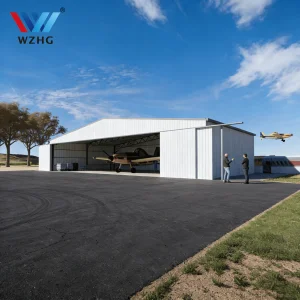
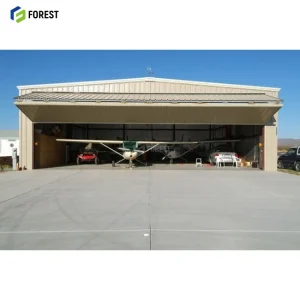
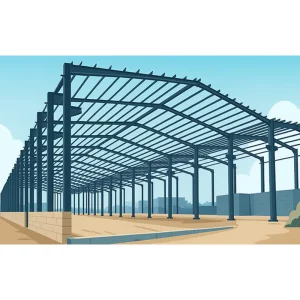
Large-span columnless structures like aircraft hangars necessitate precise engineering to support bridge crane loads and multi-leaf sliding doors. We deploy finite element analysis to design systems conforming to AISC or Eurocode parameters.
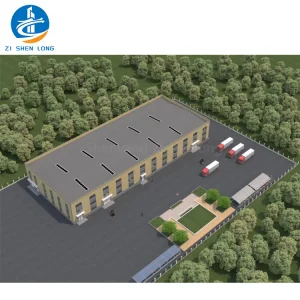
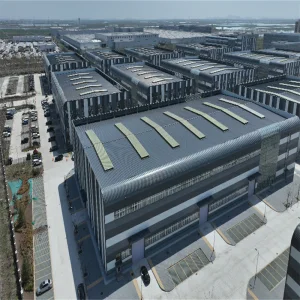
High-bay warehouses optimized for automated storage and retrieval systems (ASRS) require strict deflection control. Our composite framing structures optimize usable floor space while integrating high-performance cold-room panels.
For corrosive environments, Dhingia Build uses hot-dip galvanized primary framing (up to 85µm coating weight) and specialized PVDF outer coatings to extend the building's lifecycle in harsh chemical zones.
Our commitment to structural engineering integrity is demonstrated by our adherence to international quality protocols. Guangzhou Dhingia Build Co., Ltd. uses certified materials, including Q355B (equivalent to S355JR / ASTM A572 Grade 50) and high-strength Q460 steel grades. Every weld configuration is verified by non-destructive testing (NDT), including ultrasonic and magnetic particle testing.
| Engineering Attribute | Standard Specification (AISC/Eurocode/GB) | Dhingia Build Quality Assurance Parameter |
|---|---|---|
| Primary Structural Steel | ASTM A572 Gr. 50 / EN 10025 S355JR | Mill Test Certificate (MTC) verification for all steel plate shipments. |
| Welding Quality Standards | AWS D1.1 / ISO 3834-2 / CWB Level 2 | Certified welders with third-party UT/MT testing on critical moment joints. |
| Galvanization & Coating | ISO 1461 / ASTM A123 | Hot-dip galvanizing up to 600 g/m² or high-solids polyurethane epoxy paint systems. |
| Design Analysis Software | ASCE 7, IBC, EN 1990 - EN 1999 | Finite Element Analysis (FEA) using Tekla Structures & PKPM. |
Different climate zones present unique challenges to structural integrity. Dhingia Build tailors composite buildings for regional environmental conditions:
At Guangzhou Dhingia Build Co., Ltd., we continuously invest in advanced manufacturing technologies. Our current roadmap focuses on integrating BIM (Building Information Modeling) Level 3 across our operations. This allows project owners, local designers, and our manufacturing facilities to collaborate on a single cloud-managed design model, minimizing field errors and reducing production timelines.
We are also committed to sustainable manufacturing. The steel components in our composite systems are up to 90% recyclable. By using advanced CNC nesting patterns, we minimize fabrication steel scrap to less than 1.5%. Through our engineered component designs, we help international projects earn points toward LEED (Leadership in Energy and Environmental Design) and BREEAM certifications.
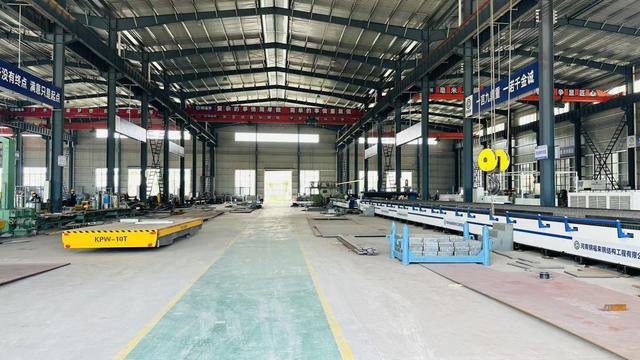
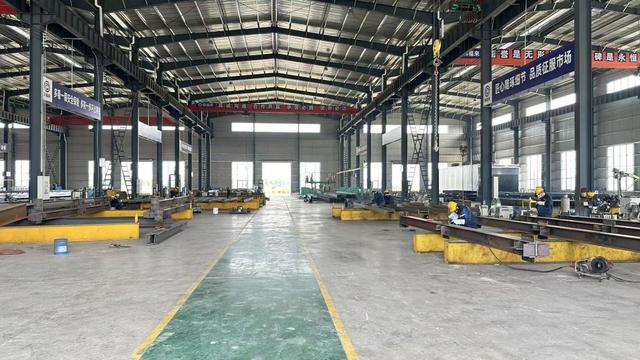
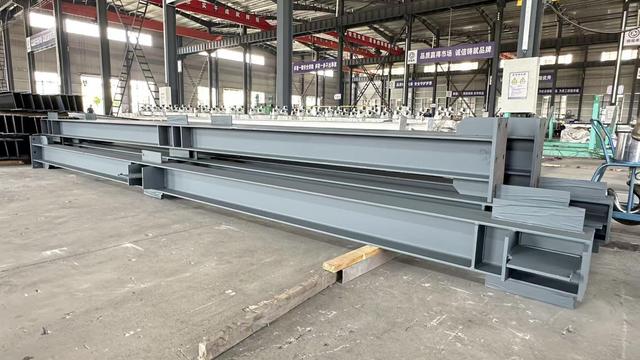
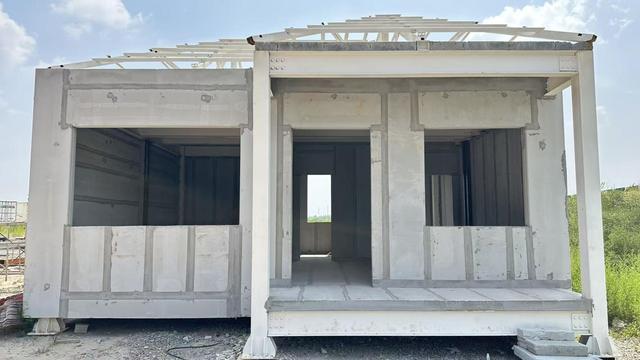
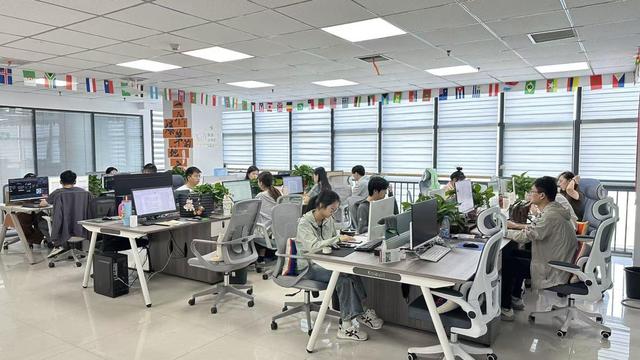
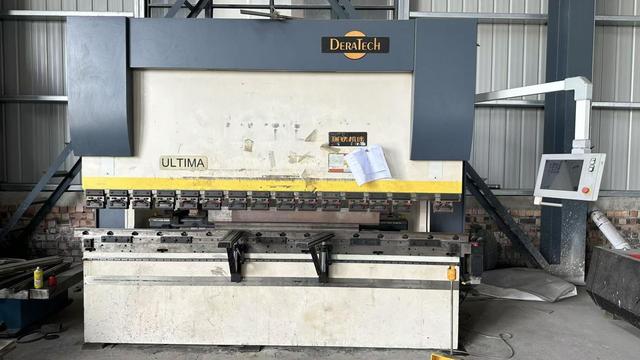
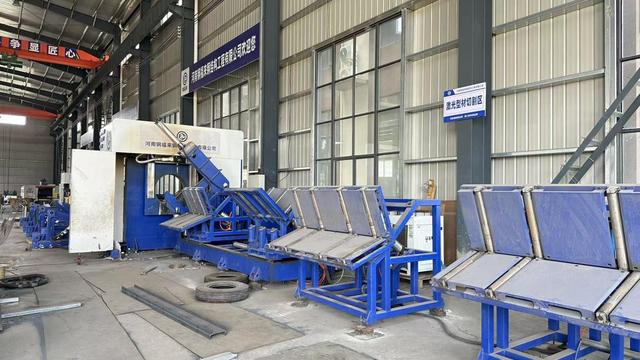
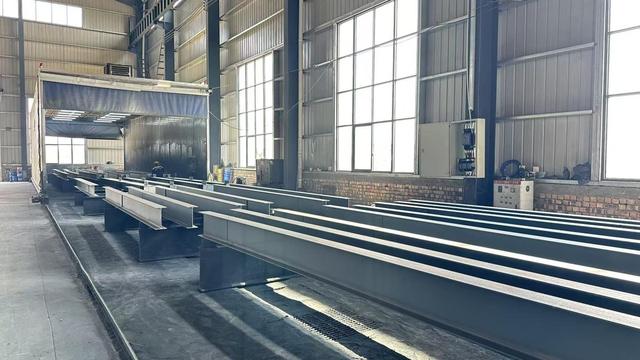
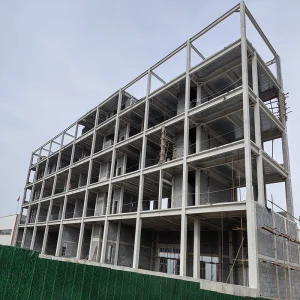
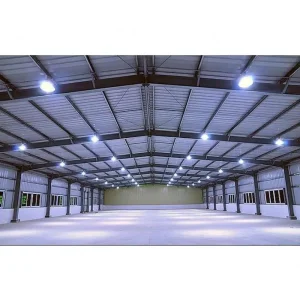
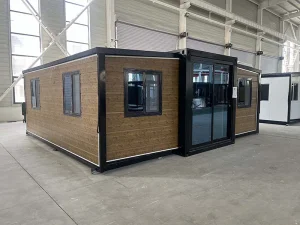
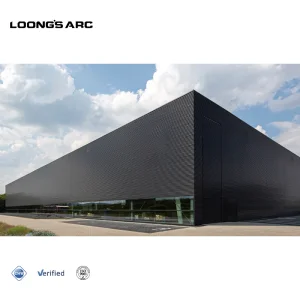
Inside Guangzhou Dhingia Build's advanced fabrication facilities and completed projects worldwide.
Essential insights for developers, structural engineers, and procurement specialists.
Engineered systems designed to optimize site assembly and maximize long-term investment value.
 Dhingia Build