Explore our leading selection of structural cold-formed and pre-engineered steel buildings customized for global commercial, industrial, and logistics storage projects.
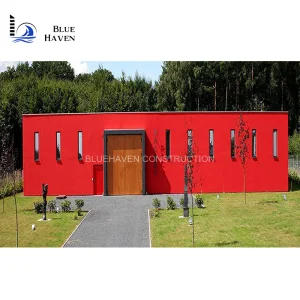
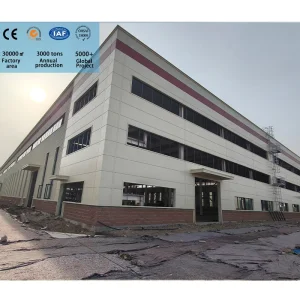
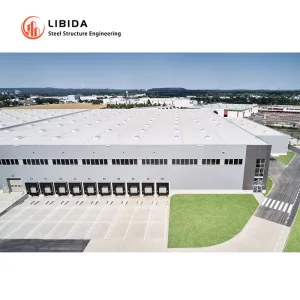
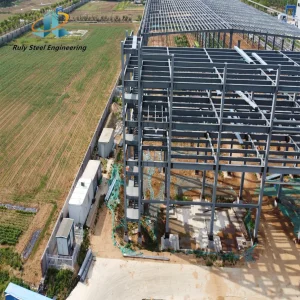
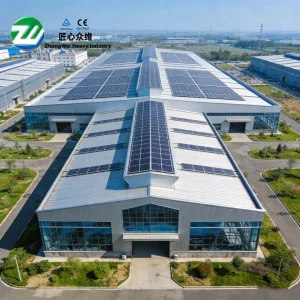
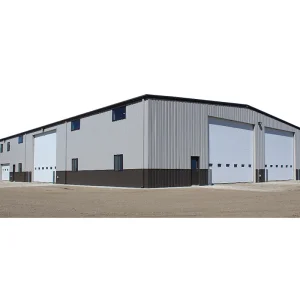
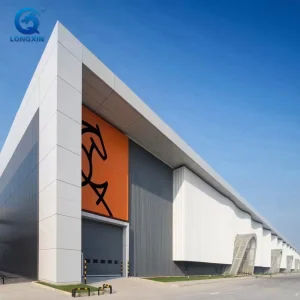
In modern industrial design, Cold-Formed Steel (CFS), also referred to as Light-Gauge Steel (LGS), has undergone a rapid paradigm shift from specialized auxiliary framing to primary structural systems. Characterized by high-strength, thin-walled profiles manufactured at ambient temperatures, CFS structures offer exceptional strength-to-weight ratios. The global construction market increasingly specifies CFS systems to meet fast-track construction schedules, aggressive seismic requirements, and green building certifications.
Across the United States, Europe, Australia, and the Middle East, structural designers leverage the benefits of CFS to navigate rising onsite labor costs and strict energy-efficiency mandates. By utilizing computer-aided manufacturing technologies, steel coils are precisely roll-formed into C, Z, or Sigma sections that fit seamlessly into modular and pre-engineered layouts. The material efficiency reduces carbon footprints and ensures compliance with building codes such as the International Building Code (IBC), Eurocode 3, and AS/NZS 4600 standards.
The rise of Cold-Formed Steel is directly linked to the expansion of e-commerce warehousing, modular commercial facilities, and localized cold chain infrastructure. As supply chains adapt to global demand cycles, rapid deployability becomes paramount. CFS buildings fulfill this criteria with structural packages that require minimal structural foundations while maintaining high durability against severe weather conditions.
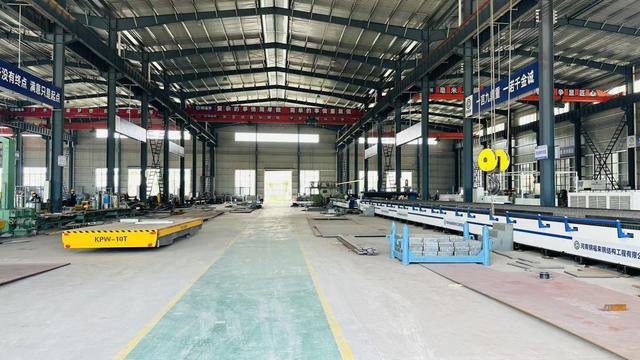
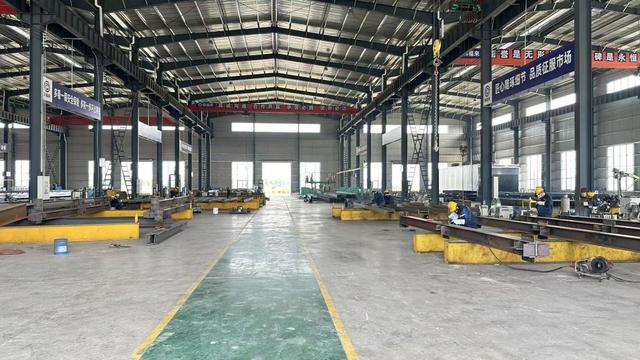
China stands at the center of global steel manufacturing, combining massive raw material availability with highly optimized fabrication technology. Factories in China, particularly within major industrial clusters like Guangzhou, utilize automated high-speed roll-forming lines, advanced multi-spindle drilling rigs, and robotic welding equipment to deliver complex structural systems at scales and speeds that regional fabricators cannot replicate.
For global buyers, sourcing from a dedicated manufacturer like Guangzhou Dhingia Build Co., Ltd. provides distinct advantages:
By streamlining operations from raw coil processing to final structural pre-assembly, Chinese exporters offer complete, single-source construction solutions. This holistic manufacturing process minimizes structural tolerances, controls overhead costs, and significantly reduces construction cycle times for developers worldwide.
Cold-formed steel structures are versatile systems applicable across diverse industries, climates, and regional topographies. By customizing primary and secondary frame thicknesses, building lengths, and insulation systems, engineers adapt these prefabricated buildings to highly specific regional scenarios:
In high-density urban areas, space optimization is vital. Multi-tier self-storage layouts use cold-formed load-bearing walls and lightweight steel floor joists. This minimizes the building's dead load, allowing for lighter foundations and quicker assembly compared to traditional reinforced concrete.
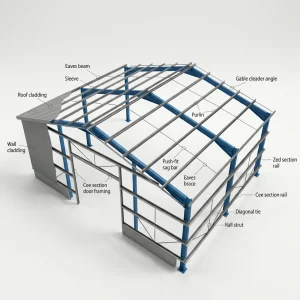
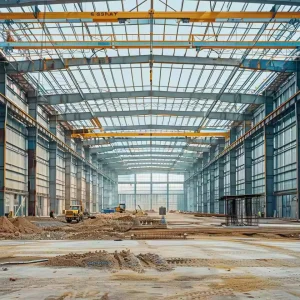
Manufacturing facilities require wide spans, clearance for overhead cranes, and integrated mechanical, electrical, and plumbing (MEP) routing. Pre-engineered portal frames combined with cold-formed purlins provide robust structural integrity, accommodating heavy equipment layouts and thermal expansions.
Cold chain facilities require precise temperature controls. Pre-engineered frames designed for cold storage feature deep girt profiles that support thick polyurethane (PU) or rockwool sandwich panels. This setup eliminates thermal bridging and maintains energy efficiency.
Modern farming requires highly hygienic, corrosion-resistant environments. Galvanized steel frames withstand ammonia-rich atmospheres inside livestock facilities. Prefabricated trusses support high-volume ventilation and automated feeding systems without compromising structural integrity.
Guangzhou Dhingia Build Co., Ltd. is a professional China pre-engineered metal building manufacturer specializing in industrial steel structure solutions for customers around the world. With extensive expertise in steel construction engineering and prefabricated building technologies, the company is dedicated to providing high-quality, cost-effective, and customized building systems for diverse industrial and commercial applications.
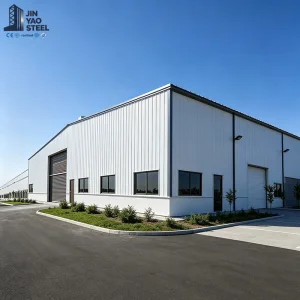
The company offers a wide range of products, including pre-engineered metal buildings, industrial steel structures, steel warehouses, manufacturing plants, logistics centers, commercial buildings, workshop facilities, and custom-engineered construction solutions. Designed to meet international standards, these building systems are known for their structural strength, rapid installation, long service life, and excellent cost efficiency.
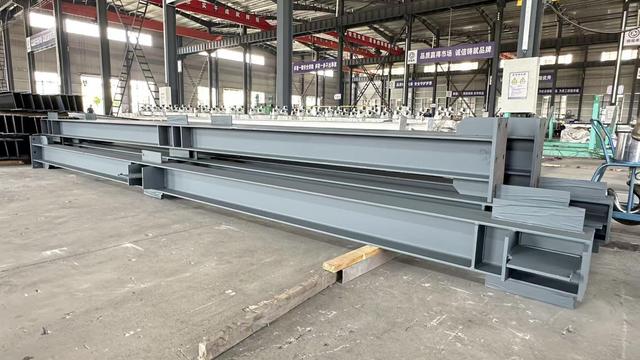
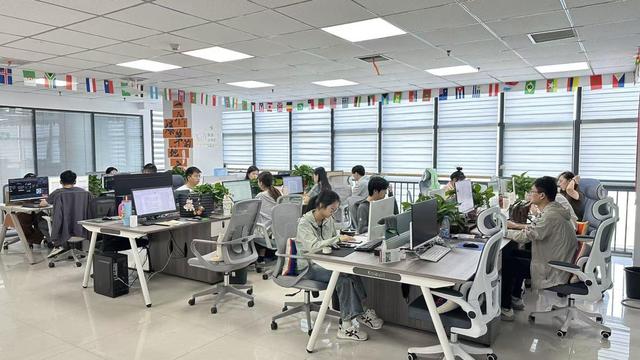
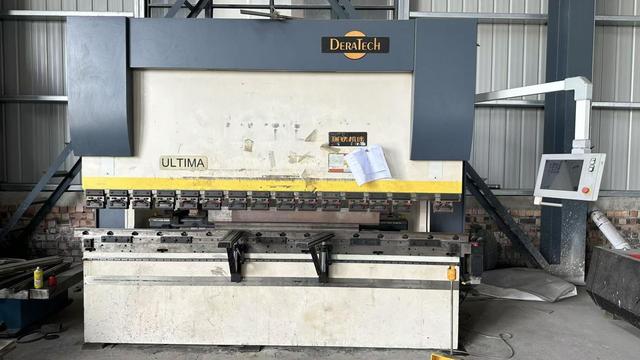
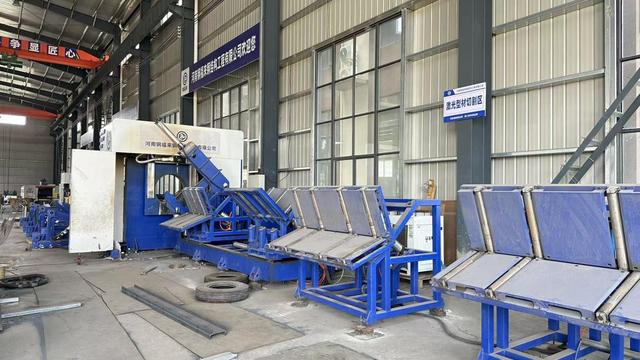
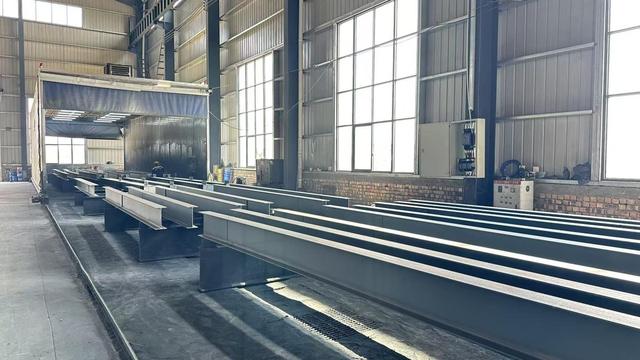
Guangzhou Dhingia Build Co., Ltd. operates modern manufacturing facilities equipped with advanced steel fabrication machinery, automated production lines, and comprehensive quality inspection systems. Supported by an experienced team of engineers, designers, and project managers, the company provides one-stop services covering project consultation, structural design, engineering analysis, manufacturing, quality control, and international logistics coordination.
Innovation and quality are fundamental to the company's development strategy. By integrating advanced design software and precision manufacturing technologies, Dhingia Build delivers reliable steel structure solutions that help customers reduce construction time, minimize labor costs, and improve overall project efficiency. The company's products are widely used in industrial production facilities, warehouses, agricultural buildings, commercial complexes, infrastructure projects, and large-scale storage applications.
Committed to the principles of quality, integrity, and customer satisfaction, Guangzhou Dhingia Build Co., Ltd. has established strong partnerships with clients across Asia, Europe, the Middle East, Africa, and the Americas. The company continues to provide innovative industrial steel structure solutions that support sustainable growth and create long-term value for global customers.
The prefabricated steel building industry is undergoing rapid technological updates driven by automation, material improvements, and environmental goals. Key trends shaping the future of CFS applications include:
Design stages increasingly utilize BIM to generate detailing with sub-millimeter tolerances. By linking structural designs directly to CNC roll-forming machines, factories achieve direct file-to-fabrication workflows, eliminating manual translation errors, minimizing material waste, and speeding up manufacturing.
High-performance protective coatings, such as Magnesium-Aluminum-Zinc (AMZ), are replacing traditional galvanization. These alloys provide self-healing edge protection and superior corrosion resistance, ensuring steel structures exceed a 50-year service life even in harsh environments.
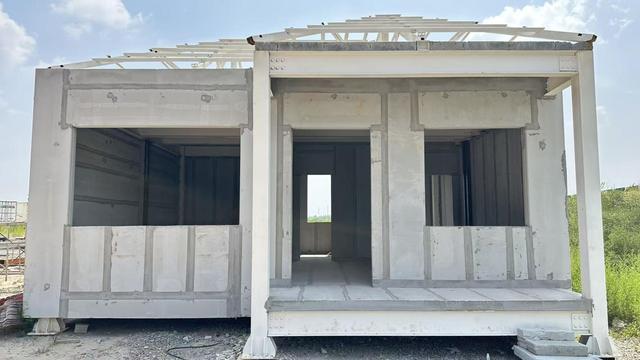
To reduce onsite labor requirements, the industry is shifting from shipping loose components to shipping pre-assembled wall panels and roof trusses. This modular framing approach accelerates onsite timelines, reduces staging footprints, and improves quality control by completing primary assemblies in the factory.
For international procurement managers, purchasing steel structures from China requires balancing structural design, cost efficiency, and regulatory compliance. The checklist below outlines essential steps for a successful procurement process:
| Sourcing Phase | Key Verification Requirements | Quality Metrics |
|---|---|---|
| 1. Design Compliance | Verify calculations check for wind loads, snow loads, and seismic coefficients matching local codes. | Signed structural calculation reports. |
| 2. Material Certification | Ensure raw steel grades comply with international standards (ASTM, EN, AS/NZS). | Mill Test Certificates (MTC) for all steel batches. |
| 3. Quality Control (QA/QC) | Check weld quality, dimension tolerances, and galvanization coating thickness. | NDT (Non-Destructive Testing) reports & galvanizing tests. |
| 4. Shipping & Logistics | Request secure bundle packaging and detailed loading plans to prevent damage during transit. | Container stuffing plan and itemized packing lists. |
By establishing clear technical requirements early, global buyers can leverage the cost advantages of Chinese manufacturing while ensuring their structures meet all local performance and safety standards.
Get professional answers to key technical questions on engineering parameters, fabrication standards, and global delivery.
Cold-formed steel is manufactured by roll-forming sheet steel at room temperature, resulting in light-gauge, high-yield-strength components. Hot-rolled steel is shaped at high temperatures, producing thicker, heavier sections. CFS provides a superior strength-to-weight ratio, reducing foundation requirements and transport costs, while hot-rolled steel is typically reserved for extremely heavy spans or high-rise columns.
Our engineering department designs each structural system to resist location-specific wind loads (up to 250 km/h or category 5 hurricanes) and seismic spectral accelerations. CFS frames feature ductile joint connections and high shear-wall capacities, which effectively dissipate lateral forces, keeping the structure secure in earthquake-prone zones.
We apply hot-dip galvanization (ranging from Z120 up to Z275 coatings, providing 120-275 g/m² of zinc layer protection) or zinc-aluminum alloy coatings. For industrial environments exposed to chemical fumes or high salinity, we add multi-layer polyurethane or epoxy paints to prevent rust and extend the building's service life.
Yes. The secondary cold-formed framing (purlins and girts) is configured to support various wall and roof claddings. We support standard single-skin corrugated metal sheets, insulated sandwich panels (polyurethane, rockwool, or glass fiber cores), as well as field-applied insulation systems designed to meet local thermal performance standards.
We utilize internationally recognized engineering software to run structural analyses. Our engineers design components in accordance with the International Building Code (IBC) for US projects, Eurocodes (EN 1993) for European projects, and AS/NZS standards for the Oceania market. We provide detailed structural design files and material mill certificates to support local permit approvals.
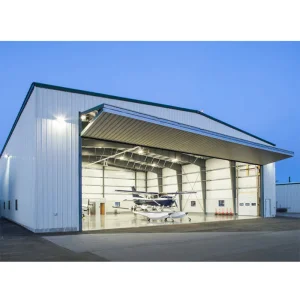
Heavy-duty commercial complexes, clear-span agricultural sheds, and high-durability pre-engineered hangars manufactured to exact tolerances.
 Dhingia Build