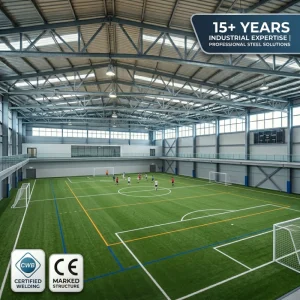
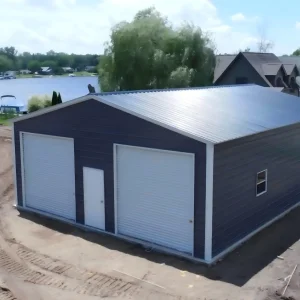
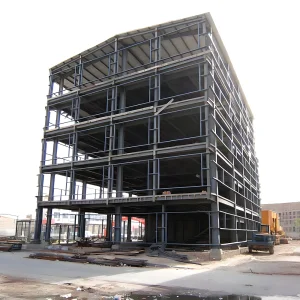
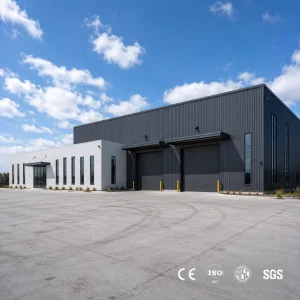
The global steel construction services industry is undergoing a structural paradigm shift. Valued at over USD 150 billion, the sector is transitioning from traditional on-site fabrication to high-precision Pre-Engineered Buildings (PEBs) and modular frameworks. This change is driven by the acute need for rapid infrastructure deployment, regulatory requirements for building material sustainability, and strict cost controls in commercial real estate development.
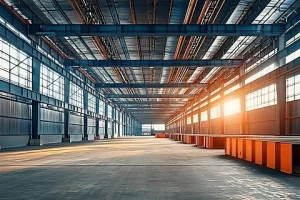
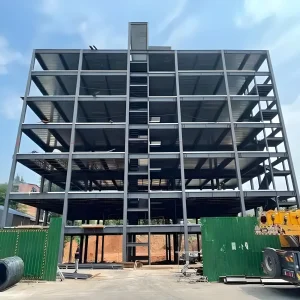
Modern industrial supply chains demand highly optimized, large-span, and resilient structural steel solutions. From automated e-commerce distribution centers requiring massive flat floor slabs to multi-story processing factories with complex dynamic loading profiles, structural steel stands out as the ultimate building block of modern commerce. It offers a unique strength-to-weight ratio, structural flexibility, and speed of erection that concrete systems cannot replicate.
Guangzhou Dhingia Build Co., Ltd. is a leading China pre-engineered metal building manufacturer specializing in industrial steel structure solutions for customers around the world. With extensive expertise in steel construction engineering and prefabricated building technologies, the company is dedicated to providing high-quality, cost-effective, and customized building systems for diverse industrial and commercial applications.
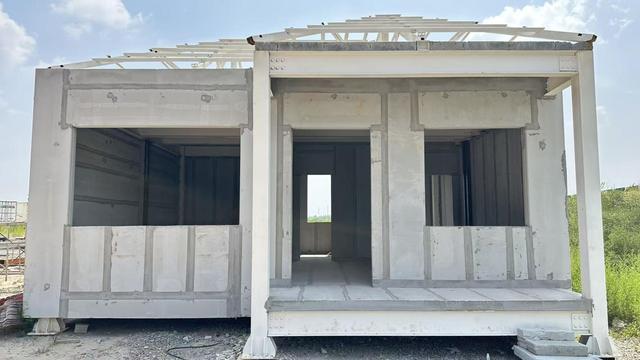
The company offers a wide range of products, including pre-engineered metal buildings, industrial steel structures, steel warehouses, manufacturing plants, logistics centers, commercial buildings, workshop facilities, and custom-engineered construction solutions. Designed to meet international standards, these building systems are known for their structural strength, rapid installation, long service life, and excellent cost efficiency.
Innovation and quality are fundamental to the company's development strategy. By integrating advanced design software and precision manufacturing technologies, Dhingia Build delivers reliable steel structure solutions that help customers reduce construction time, minimize labor costs, and improve overall project efficiency. The company's products are widely used in industrial production facilities, warehouses, agricultural buildings, commercial complexes, infrastructure projects, and large-scale storage applications.
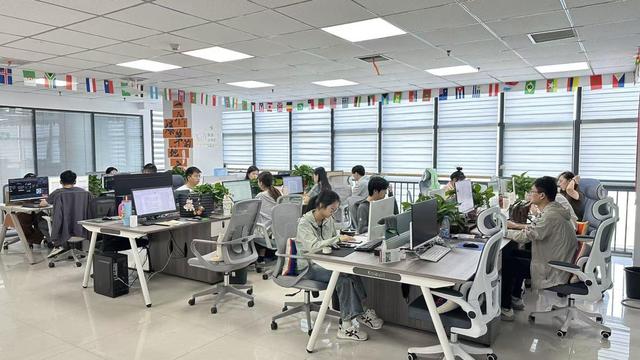
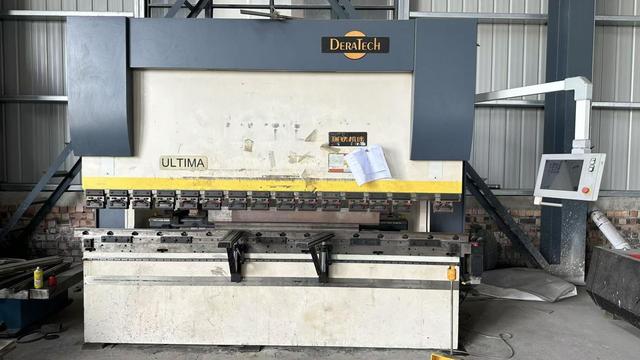
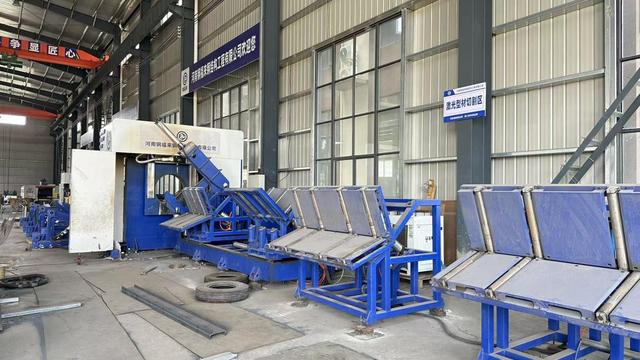
Guangzhou Dhingia Build Co., Ltd. operates modern manufacturing facilities equipped with advanced steel fabrication machinery, automated production lines, and comprehensive quality inspection systems. Supported by an experienced team of engineers, designers, and project managers, the company provides one-stop services covering project consultation, structural design, engineering analysis, manufacturing, quality control, and international logistics coordination.
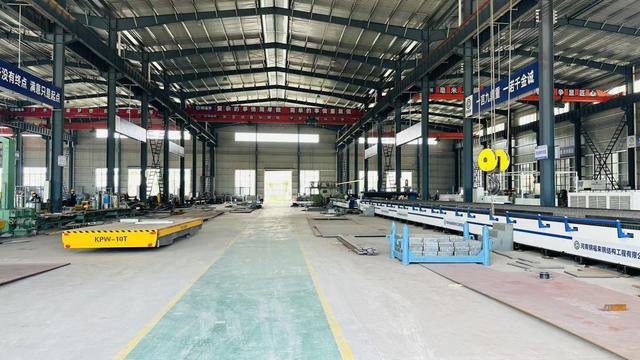
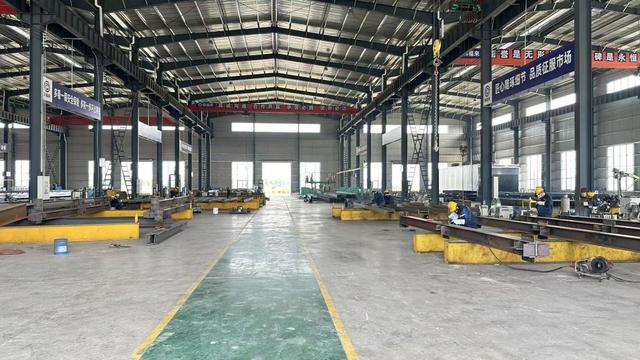
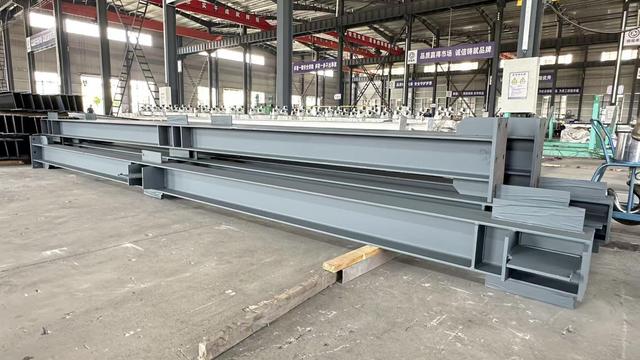
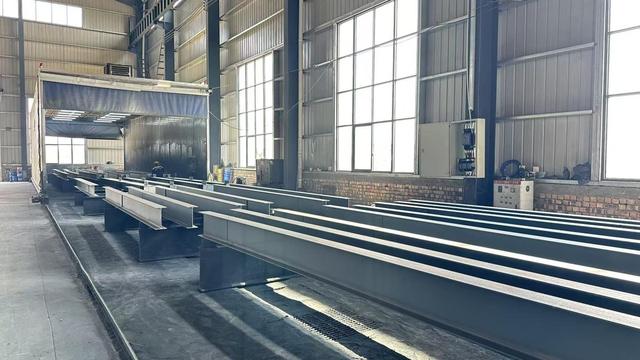
Sourcing structural steel fabrications from top-tier Chinese manufacturers like Guangzhou Dhingia Build Co., Ltd. offers significant advantages in cost control, project speed, and engineering precision. The competitive advantage of China's structural steel export model lies in three main pillars:
China's steel industry offers unequaled vertical integration. From basic raw iron ore processing and smelting to the production of high-strength structural plates (Q355B, Q460), and final CNC fabrication, the entire supply chain is geographically clustered. This minimizes raw material transport costs and speeds up fabrication lead times.
Modern Chinese fabrication yards use automated welding and CNC plasma cutters. By reducing manual welding dependencies, fabricators ensure perfect weld penetration and structural uniformity, adhering to stringent standards like AISC (AWS D1.1/D1.1M) and Eurocode (EN 1090-2 EXC3).
Chinese factories excel in Design for Manufacture and Assembly (DFMA) standards. Components are pre-punched, pre-marked, and trial-assembled in the factory before shipping, reducing on-site installation work by up to 50% for international buyers.
Structural steel configurations must adapt to the unique environmental and functional requirements of the destination country. Below are the core applications and engineering solutions designed for global deployment:
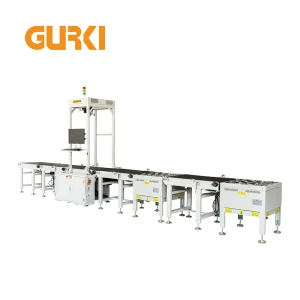
Scenario: High-traffic, large-clear-span modern logistic distribution hubs requiring integrated automation equipment.
Solution: Portals frame structural designs with clear spans exceeding 60 meters, accommodating complex logistics automation systems. Heavy-duty roof trusses are designed to support overhead conveyors, overhead cranes, and parcel sorting systems (like static DWS systems) without mid-bay columns.
Scenario: Extreme sub-zero temperatures or high-humidity coastal mining operations (e.g., Australia, Canada, Sub-Saharan Africa).
Solution: High-durability structural steel with heavy hot-dip galvanization (minimum 600g/m²) or specialized epoxy resin coating systems. Designs account for high seismic zones (Zone 4) and extreme wind loads (up to 250 km/h) using high-strength steel grades.
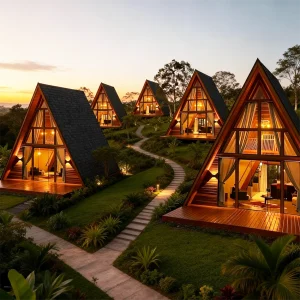
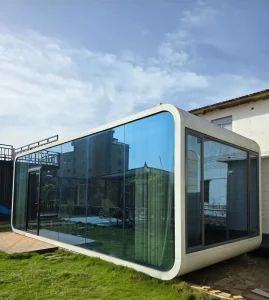
Scenario: Micro-apartments, mobile classrooms, and modular office parks in highly populated metropolitan areas.
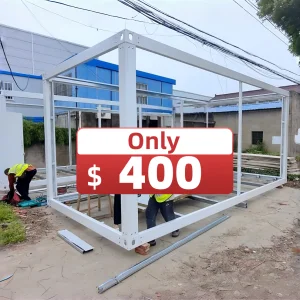
Solution: Flatpack modular shipping containers and A-frame structural pods. Using light-gauge framing and sandwich insulation (polyurethane or rockwool), these structures can be stacked up to 4 stories high and feature double-glazed panoramic windows for energy efficiency.
For B2B procurement managers, sourcing structural steel components involves complex quality control. To protect structural integrity and prevent costly field rectifications, confirm that your manufacturing partner adheres to this compliance checklist:
The steel construction sector is moving fast toward sustainability and smart technology. Key industry drivers for the next decade include:
1. Carbon Reduction Initiatives: Developers and governments are demanding lower embodied carbon. Top suppliers are adopting Electric Arc Furnace (EAF) steel sourcing models, using recycled scrap metal processed with renewable energy. This reduces emissions compared to traditional blast furnace routes.
2. Digital Twin Deployments: Connecting Tekla modeling directly with shop floor CNC machines enables a digital thread from blueprint to raw cut. This minimizes material waste and ensures precise dimensions down to the millimeter.
3. Advanced Insulation Systems: Pre-integrated sandwich panel cladding (using VIP - Vacuum Insulated Panels or PUR/PIR systems) helps buildings meet strict Net-Zero energy standards.
 Dhingia Build