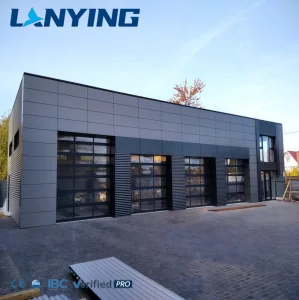
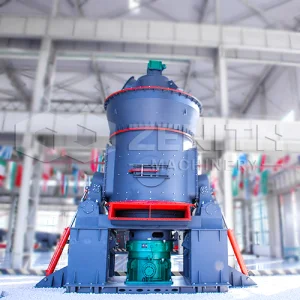
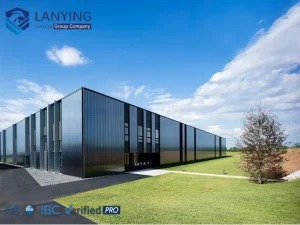
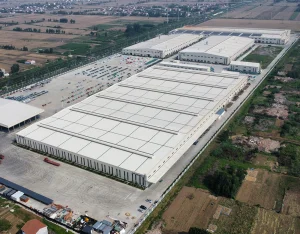
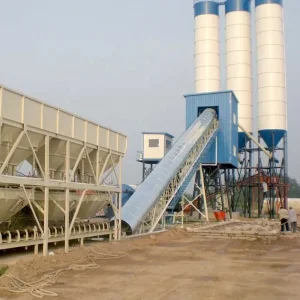
Explore our premium range of industrial workshops, custom frame warehouses, high-efficiency concrete batch plants, and long-span metal roofing systems engineered for fast assembly and superior durability.
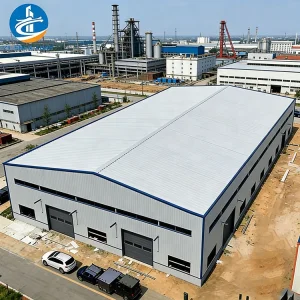
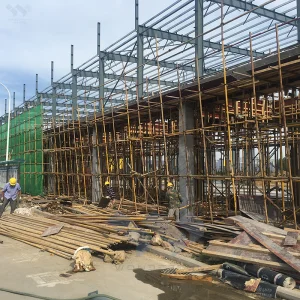
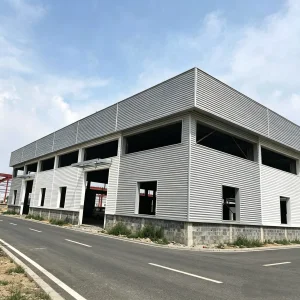
The global corporate landscape is undergoing a monumental paradigm shift in physical asset deployment. Traditional brick-and-mortar structural typologies are rapidly giving way to high-performance, modular, and pre-engineered metal building (PEB) frameworks. Originally designed for simple warehousing, advanced structural engineering now allows metal building systems to house complex administrative headquarters, multi-level office complexes, and integrated industrial offices directly connected to fabrication lines.
This integration is highly strategic. Companies globally require facilities that unify executive offices, quality control laboratories, design centers, and warehouse-logistics zones under a single structural envelope. Standardizing design parameters through steel structure framing delivers unparalleled spatial efficiency. For multinational enterprises aiming to establish immediate regional presence, prefabricated metal offices offer localized scaling speed that traditional concrete structures simply cannot match.
Advanced structural engineering enables heavy-duty mezzanine floors integrated with light-gauge steel partitioning, allowing commercial administrative offices to sit securely above industrial production lines.
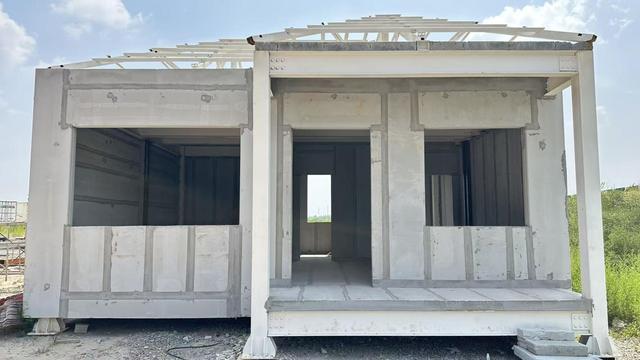
Prefabrication in controlled manufacturing plants minimizes onsite labor costs, reduces wet construction delays, and eliminates material waste, decreasing the total cost of ownership (TCO) by up to 35%.
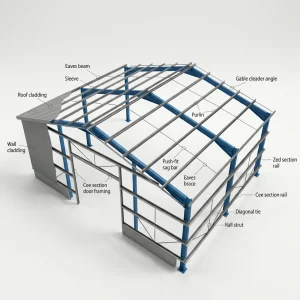
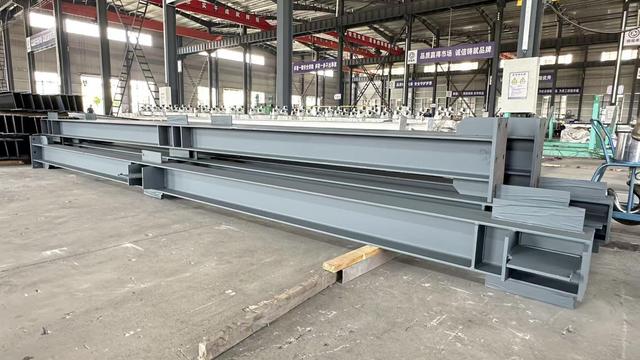
Engineered to withstand extreme environmental forces, our high-tensile steel frames (Q355B and Q235B) absorb seismic energy and support major localized floor loads with minimal lateral deflection.
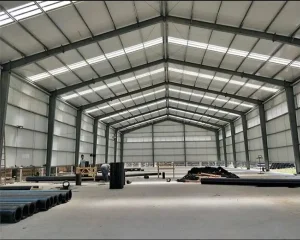
The modern approach to office and warehouse configurations demands high structural versatility. Guangzhou Dhingia Build Co., Ltd. addresses this through unified design methodologies where structural integrity supports aesthetic requirements. Our pre-engineered designs accommodate massive clear spans (from 12m up to 60m without intermediate columns), leaving internal floor layouts entirely customizable. This flexibility is vital for multi-functional office structures, where layout changes occur frequently due to organizational growth.
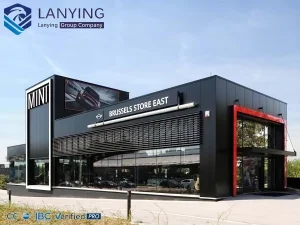
Furthermore, structural optimization tools such as Tekla Structures and AutoCAD are utilized to simulate wind, snow, and thermal loads across varying structural dimensions. Whether incorporating curtain walls, glass facades, insulated sandwich panels (polyurethane, rockwool, or EPS), or aluminum composite claddings, Dhingia's solutions seamlessly bridge the gap between heavy industrial toughness and sleek corporate design. The resulting buildings are not only functional but visually expressive of corporate innovation.
A primary failure point for cross-border prefabricated construction projects is the mismatch between structural specifications and localized building regulations. Guangzhou Dhingia Build Co., Ltd. overcomes this barrier by strictly engineering building kits to local guidelines. We employ a deep engineering vetting process that integrates standards from regions across North America, Europe, Australia, and Africa.
For example, industrial structures built for the Canadian market carry CWB (Canadian Welding Bureau) certification, guaranteeing that all welded framing assemblies meet local structural code requirements. In Australia and New Zealand, structural components conform strictly to AS/NZS standards, utilizing steel grades and protective coatings designed for high UV exposure and corrosive marine environments. By adhering to international norms like CE and ISO certifications, Dhingia ensures that custom-designed buildings pass municipal building inspections quickly, saving developers months of costly regulatory delays.
To assist developers in evaluating the financial and structural viability of metal solutions, the table below highlights key performance matrices based on global construction databases:
| Performance Criteria | Pre-Engineered Metal Buildings (PEB) | Traditional Concrete Structures |
|---|---|---|
| Erection & Install Velocity | Up to 50% faster; prefabricated parts bolt together instantly. | Slow; dependent on concrete curing times and onsite formwork. |
| Foundation Loading Requirements | Substantially lighter; minimizes deep foundation or piling costs. | Heavy dead load; requires extensive foundation preparation. |
| Spatial Versatility (Clear Span) | Highly flexible; columns can be spaced far apart (up to 60m). | Limited; structural layout requires frequent load-bearing columns. |
| Ecological Footprint & Recycle Rate | Highly sustainable; 100% recyclable structural steel framing. | Low recyclability; structural modifications generate massive waste. |
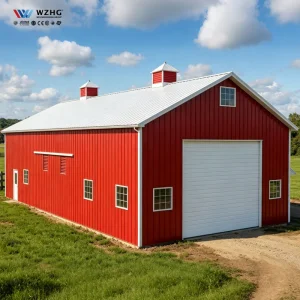
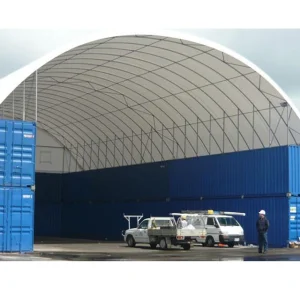
Discover our specialized heavy-duty structures, portable site offices, agricultural sheds, fabric hangars, and customized industrial park complexes built for global markets.
Guangzhou Dhingia Build Co., Ltd. is a professional China pre-engineered metal building manufacturer specializing in industrial steel structure solutions for customers around the world. With extensive expertise in steel construction engineering and prefabricated building technologies, the company is dedicated to providing high-quality, cost-effective, and customized building systems for diverse industrial and commercial applications.
The company offers a wide range of products, including pre-engineered metal buildings, industrial steel structures, steel warehouses, manufacturing plants, logistics centers, commercial buildings, workshop facilities, and custom-engineered construction solutions. Designed to meet international standards, these building systems are known for their structural strength, rapid installation, long service life, and excellent cost efficiency.
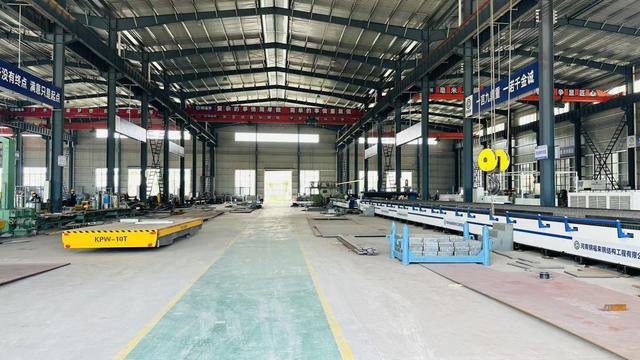
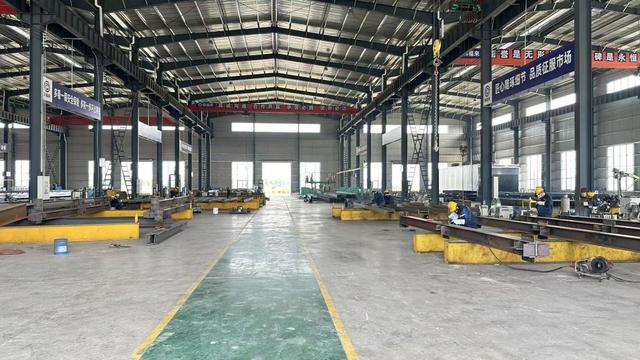
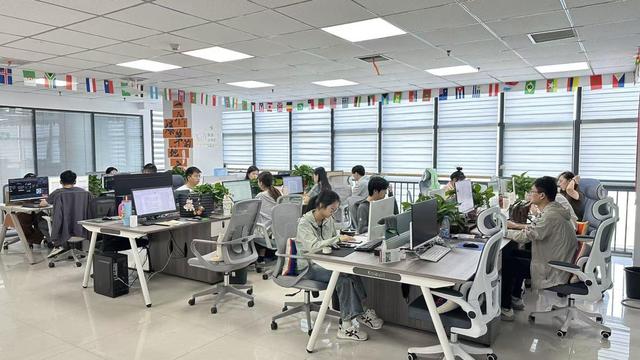
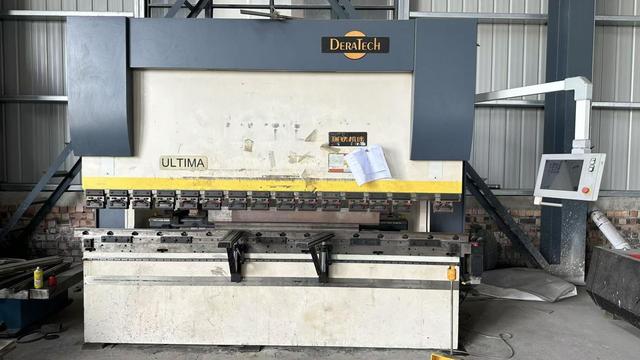
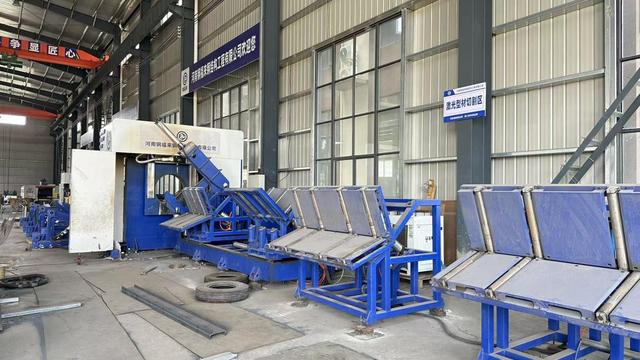
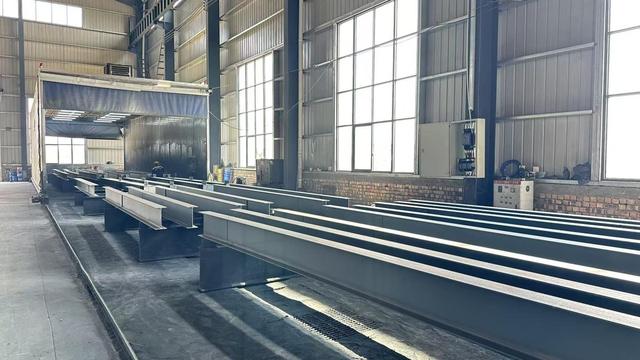
Guangzhou Dhingia Build Co., Ltd. operates modern manufacturing facilities equipped with advanced steel fabrication machinery, automated production lines, and comprehensive quality inspection systems. Supported by an experienced team of engineers, designers, and project managers, the company provides one-stop services covering project consultation, structural design, engineering analysis, manufacturing, quality control, and international logistics coordination.
Innovation and quality are fundamental to the company's development strategy. By integrating advanced design software and precision manufacturing technologies, Dhingia Build delivers reliable steel structure solutions that help customers reduce construction time, minimize labor costs, and improve overall project efficiency. The company's products are widely used in industrial production facilities, warehouses, agricultural buildings, commercial complexes, infrastructure projects, and large-scale storage applications.
Committed to the principles of quality, integrity, and customer satisfaction, Guangzhou Dhingia Build Co., Ltd. has established strong partnerships with clients across Asia, Europe, the Middle East, Africa, and the Americas. The company continues to provide innovative industrial steel structure solutions that support sustainable growth and create long-term value for global customers.
The prefabricated metal building industry is transitioning from simple structural fabrication to smart, digital construction processes. Design integration begins with Building Information Modeling (BIM). By developing exact digital twins of custom structural projects, Dhingia's engineering teams can predict spatial interferences, run automated structural stress analyses, and optimize transport volumes prior to fabrication.
Additionally, green parameters are transforming manufacturing. Future steel fabrication increasingly utilizes low-carbon recycled scrap processed in electric arc furnaces (EAF). When coupled with energy-saving building envelopes—such as photovoltaic-integrated roofs (BIPV) and smart thermal barriers—these systems allow developers to target net-zero operating ratings. This sustainable engineering method lowers operational energy use, ensuring buildings comply with evolving international environmental requirements.
Crucial engineering insights and common operational questions answered by Guangzhou Dhingia's structural engineering department.
 Dhingia Build