In the modern industrial landscape, custom metal enclosures and structural steel systems serve as the critical protection and load-bearing infrastructure for complex operations. From high-voltage electrical distribution equipment to expansive commercial facilities, the demand for precision-engineered enclosures is scaling rapidly. As automation, energy storage, smart grids, and global supply chains become more sophisticated, off-the-shelf structural solutions fail to meet specific environmental load parameters, regulatory compliances, and integration requirements.
This comprehensive whitepaper explores the macro-economic factors, engineering standards, manufacturing processes, and technological advancements defining the top tier of customized metal enclosure manufacturers and exporters. Under the stewardship of industry leaders such as Guangzhou Dhingia Build Co., Ltd., the integration of advanced 3D structural analysis, automated CNC sheet metal processing, and strict certified welding standards (such as the Canadian Welding Bureau - CWB) ensures that custom structures offer maximum durability, structural efficiency, and cost effectiveness.
Customized metal enclosures are no longer just passive steel boxes; they are highly engineered thermal, electrical, and structural shields. The deployment of power plants, remote telecommunications, data centers, and advanced manufacturing lines requires distinct sheet metal control systems and heavy-duty portal framing.
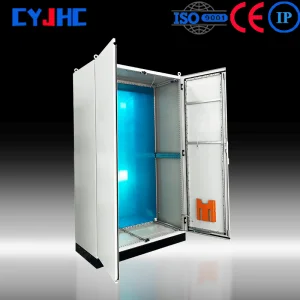
Fully sealed distribution cabinets, like the L HMS series, are built from thickened sheet metal to survive rugged industrial floors. They must maintain ingress protection ratings (IP65/IP66) to prevent moisture, dust, and corrosive vapors from disabling sensitive internal switchgear, PLCs, and power controllers.
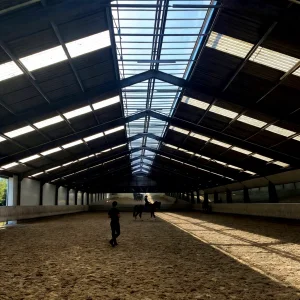
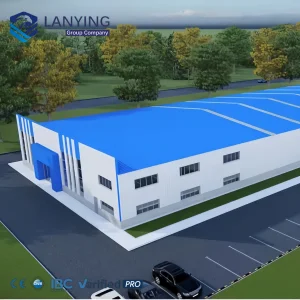
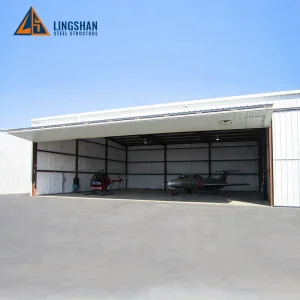
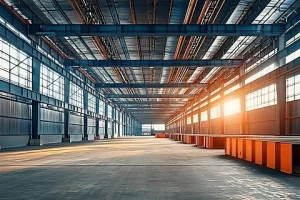
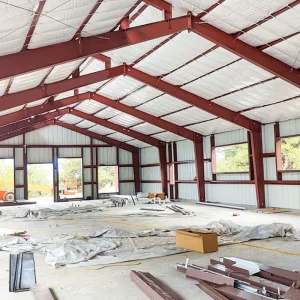
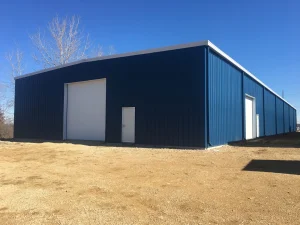
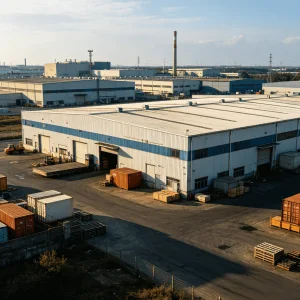
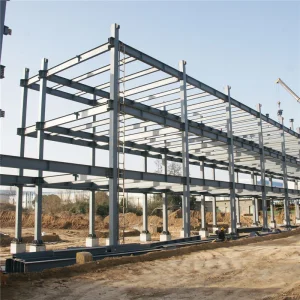
Large-span prefabricated steel structures solve the demand for high-throughput logistics. By using customized structural components, warehouses can support heavy overhead cranes, clear-span designs without columns, and heavy solar installations on metal roof surfaces.
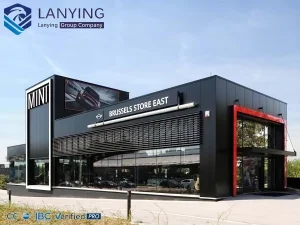
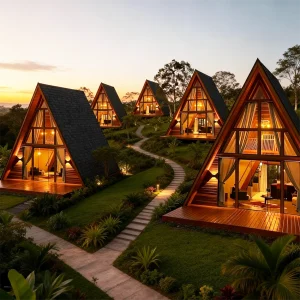
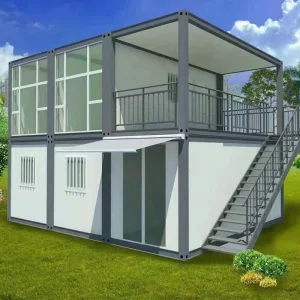
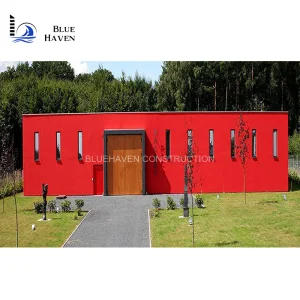
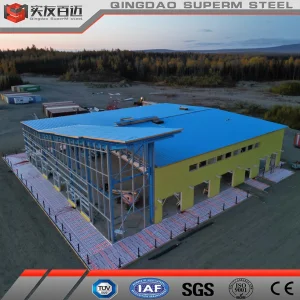
From modular commercial offices to modern light steel container units, modular construction allows for quick site setup. Incorporating insulated sandwich panels and energy-efficient structural frameworks reduces overall heating and cooling energy use.
Guangzhou Dhingia Build Co., Ltd. is a professional China pre-engineered metal building manufacturer specializing in industrial steel structure solutions for customers around the world. With extensive expertise in steel construction engineering and prefabricated building technologies, the company is dedicated to providing high-quality, cost-effective, and customized building systems for diverse industrial and commercial applications.
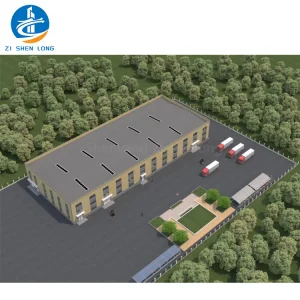
The company offers a wide range of products, including pre-engineered metal buildings, industrial steel structures, steel warehouses, manufacturing plants, logistics centers, commercial buildings, workshop facilities, and custom-engineered construction solutions. Designed to meet international standards, these building systems are known for their structural strength, rapid installation, long service life, and excellent cost efficiency.
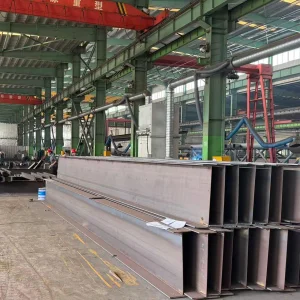
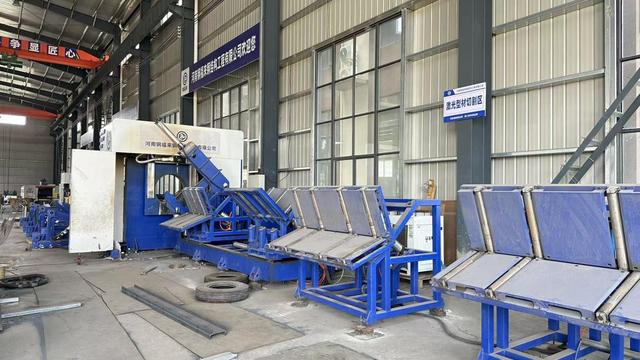
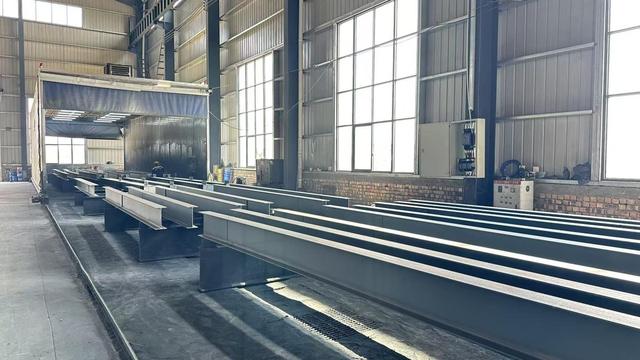
Guangzhou Dhingia Build Co., Ltd. operates modern manufacturing facilities equipped with advanced steel fabrication machinery, automated production lines, and comprehensive quality inspection systems. Supported by an experienced team of engineers, designers, and project managers, the company provides one-stop services covering project consultation, structural design, engineering analysis, manufacturing, quality control, and international logistics coordination.
Innovation and quality are fundamental to the company's development strategy. By integrating advanced design software and precision manufacturing technologies, Dhingia Build delivers reliable steel structure solutions that help customers reduce construction time, minimize labor costs, and improve overall project efficiency. The company's products are widely used in industrial production facilities, warehouses, agricultural buildings, commercial complexes, infrastructure projects, and large-scale storage applications.
Committed to the principles of quality, integrity, and customer satisfaction, Guangzhou Dhingia Build Co., Ltd. has established strong partnerships with clients across Asia, Europe, the Middle East, Africa, and the Americas. The company continues to provide innovative industrial steel structure solutions that support sustainable growth and create long-term value for global customers.
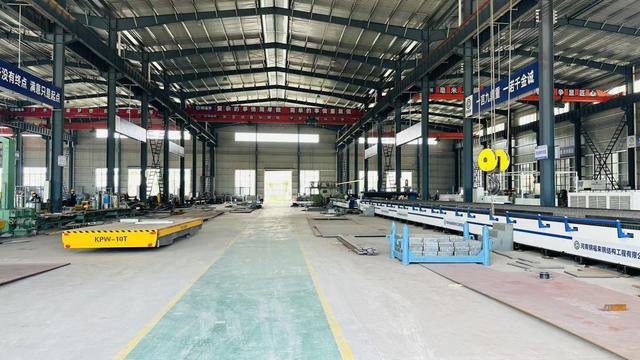
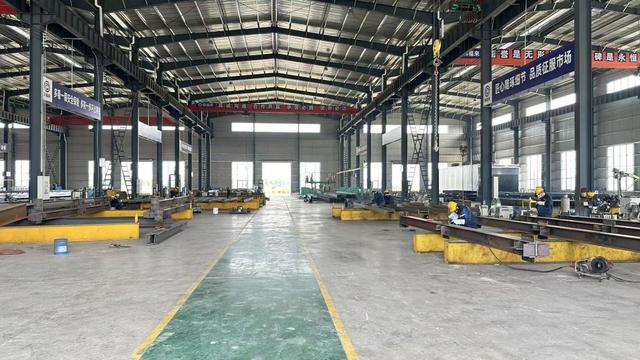
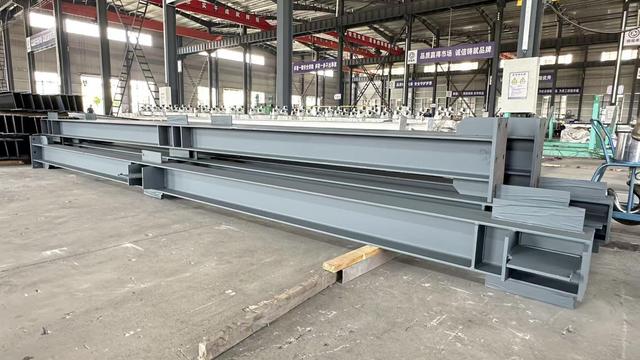
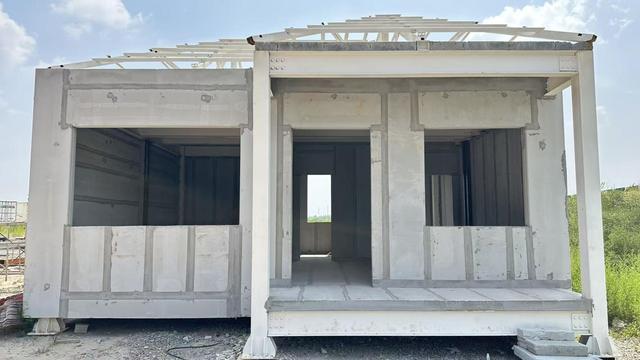
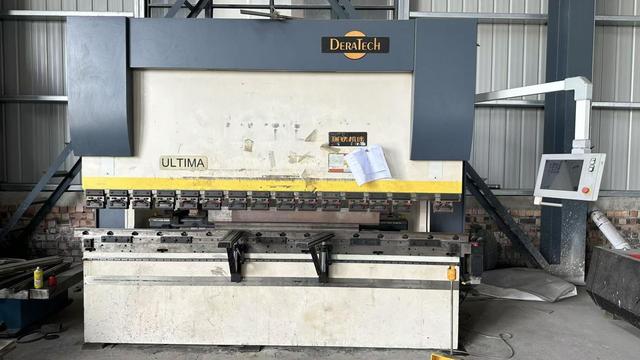
Ensuring a service life exceeding 50 years for steel buildings and enclosure systems demands strict material selection and advanced chemistry. Standard structures use Q235B and Q345B (equivalent to ASTM A36 and ASTM A572 Grade 50) low-alloy, high-strength structural steels. For customized electrical enclosures, raw sheet metal sheets undergo CNC punch press processing, followed by precision bending, high-strength TIG/MIG welding, and multi-stage powder coating.
Hot-Dip Galvanizing (HDG) Quality Management: Exposure to marine or high-humidity industrial environments causes rapid degradation without proper coating. By executing Hot-Dip Galvanization in accordance with ASTM A123 / ISO 1461 standards, a zinc coating thickness of over 85 microns is applied. This sacrificial anode layer provides both barrier protection and electrochemical self-healing to cut edges and minor surface damage.
CWB Certification & Weld Compliance: The Canadian Welding Bureau (CWB) certified steel fabrication proves that structural welds are executed by certified technicians under rigorous quality procedures. This ensures high resistance to dynamic seismic loads, heavy wind load requirements, and large snow-load coefficients typical of Northern European and North American winters.
Utilizing high-density polyurethane (PU), mineral rock wool, or polystyrene (EPS) sandwich panels with low thermal conductivity parameters. This prevents thermal bridging and controls internal humidity in enclosures.
Engineered using advanced 3D CAD/CAM software alongside Finite Element Analysis (FEA) and PKPM modeling to ensure structures stand up to regional seismic activity and high wind forces.
Components are pre-drilled, pre-cut, and pre-marked during the fabrication stage. This reduces on-site labor requirements and shortens assembly timelines by up to 50% compared to traditional processes.
Customized enclosures and buildings must perform reliably across diverse environmental conditions. A solution designed for dry desert heat will fail in humid coastal regions.
As manufacturing technology moves forward, the fabrication of customized metal enclosures and steel structures is evolving. Integrating smart diagnostics and real-time environmental monitoring is a growing trend. Thermal sensors, humidity indicators, and automated cooling fans can be built directly into electrical cabinets to report system status to centralized SCADA controls.
Sustainable manufacturing practices are also driving material changes. Using recycled structural steels and low-VOC powder coatings helps minimize carbon footprints. Advanced robotic welding systems and laser-cutting tables increase output consistency, keeping production tolerances within 0.1mm for accurate site assembly.
 Dhingia Build