Thermal Tightness
Structural Lifespan
Fire Resistance
Seismic Compliance
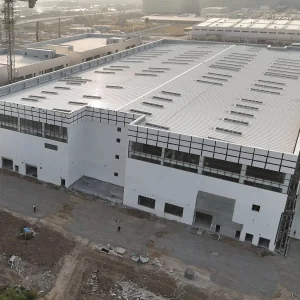
Explore our top-tier prefabricated structures designed for cold chain logistics, warehousing, and high-span industrial settings.
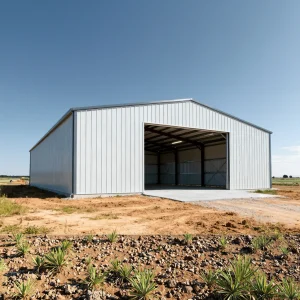
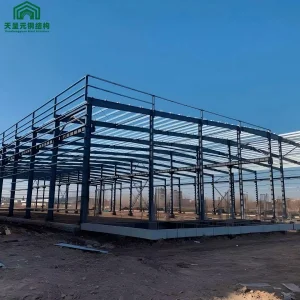
Globally, the cold chain logistics market is transitioning from standard cooling layouts to high-precision, smart-controlled ecosystems. Accelerated by the expansion of biological therapeutics, ready-to-eat meals, and shifting e-commerce habits, cold storage construction is no longer a simple structural warehouse engineering task. It has evolved into a highly integrated thermal optimization puzzle.
Modern developers look at total life cycle assessments (LCA) when designing cold storage envelopes. From reducing refrigeration compressor work hours through superior insulative R-values to constructing large clear-span frames that accommodate Automated Storage and Retrieval Systems (AS/RS), structural integrity must match dynamic physical science. Modern manufacturing processes emphasize minimizing internal temperature variance through complex multi-layer panel junctions, eliminating thermal bridging, and optimizing sub-slab ventilation systems to avoid frost heave.
Designing structures that maintain delta temperatures upwards of 60°C relative to ambient external air requires severe structural engineering discipline. The main pillars of high-performance cold storage buildings include:
High-performance attributes built directly into modern pre-engineered metal cold chain buildings.
Double-tongue-and-groove joint profiles filled with high-density PIR foam ensure airtight sealing, keeping thermal transmission coefficients (U-values) extremely low.
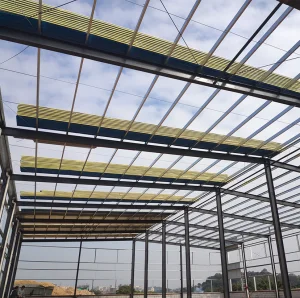
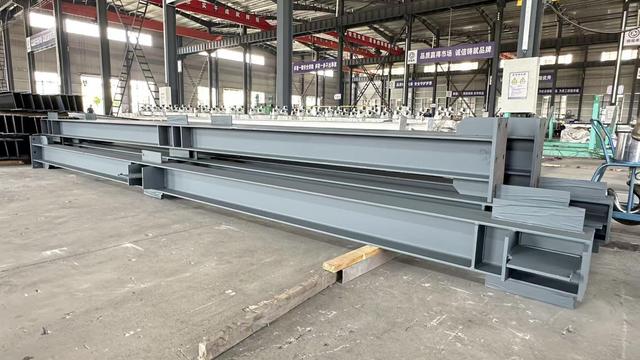
Hot-dip galvanized structural frames optimized to support massive overhead evaporator weights, heavy insulated ceiling panel loads, and extreme dynamic wind loads.
Engineered structural columns designed to coordinate seamlessly with rack-supported automated logistics layouts, optimizing storage density and lowering energy costs per square meter.
Spotlight on Guangzhou Dhingia Build Co., Ltd. - Driving industrial innovation across the globe.
Guangzhou Dhingia Build Co., Ltd. is a professional China pre-engineered metal building manufacturer specializing in industrial steel structure solutions for customers around the world. With extensive expertise in steel construction engineering and prefabricated building technologies, the company is dedicated to providing high-quality, cost-effective, and customized building systems for diverse industrial and commercial applications.
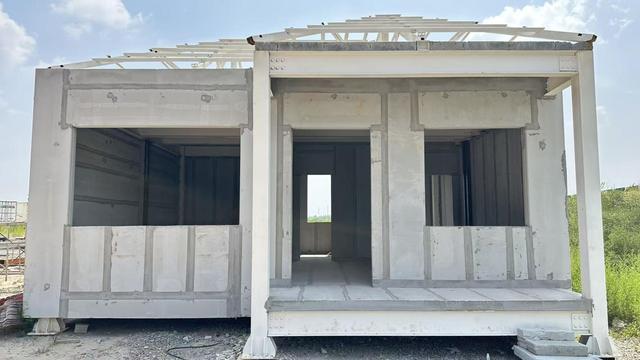
The company offers a wide range of products, including pre-engineered metal buildings, industrial steel structures, steel warehouses, manufacturing plants, logistics centers, commercial buildings, workshop facilities, and custom-engineered construction solutions. Designed to meet international standards, these building systems are known for their structural strength, rapid installation, long service life, and excellent cost efficiency.
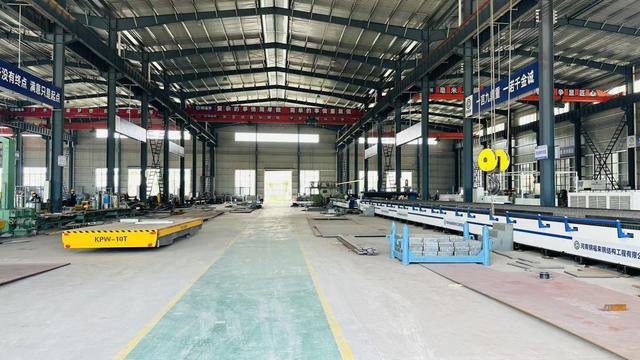
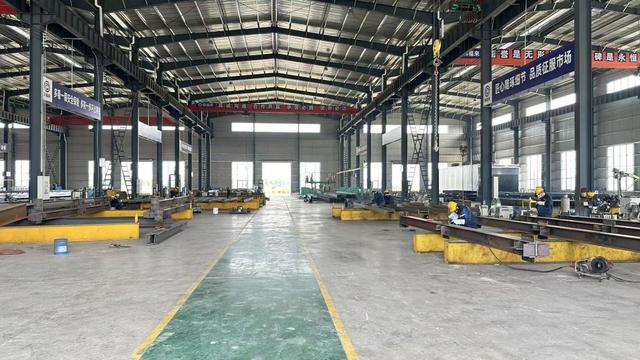
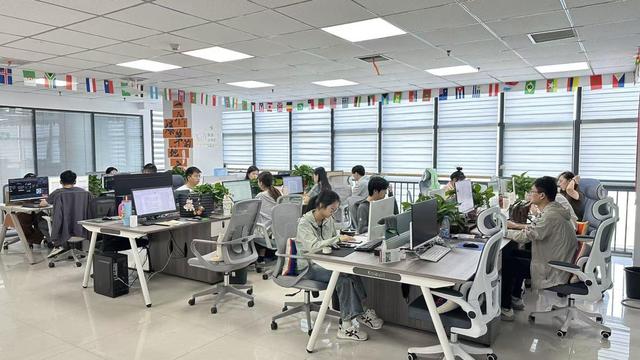
Guangzhou Dhingia Build Co., Ltd. operates modern manufacturing facilities equipped with advanced steel fabrication machinery, automated production lines, and comprehensive quality inspection systems. Supported by an experienced team of engineers, designers, and project managers, the company provides one-stop services covering project consultation, structural design, engineering analysis, manufacturing, quality control, and international logistics coordination.
Innovation and quality are fundamental to the company's development strategy. By integrating advanced design software and precision manufacturing technologies, Dhingia Build delivers reliable steel structure solutions that help customers reduce construction time, minimize labor costs, and improve overall project efficiency. The company's products are widely used in industrial production facilities, warehouses, agricultural buildings, commercial complexes, infrastructure projects, and large-scale storage applications.
Committed to the principles of quality, integrity, and customer satisfaction, Guangzhou Dhingia Build Co., Ltd. has established strong partnerships with clients across Asia, Europe, the Middle East, Africa, and the Americas. The company continues to provide innovative industrial steel structure solutions that support sustainable growth and create long-term value for global customers.
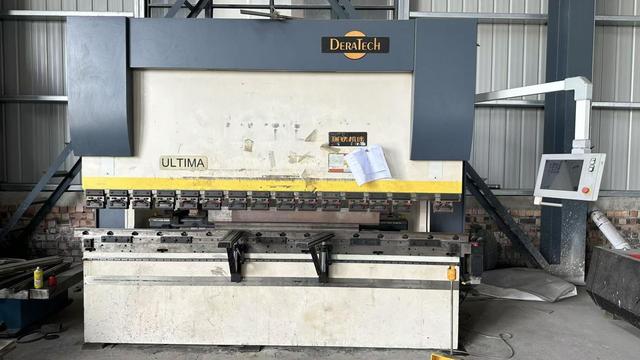
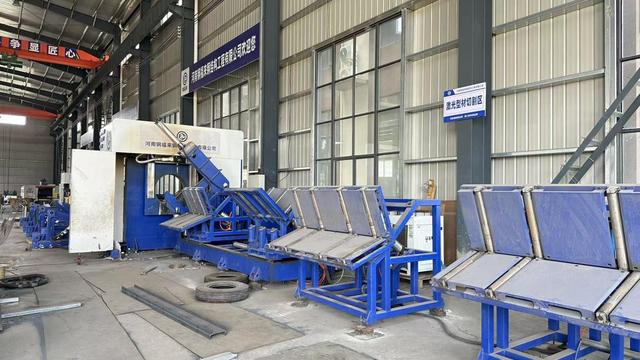
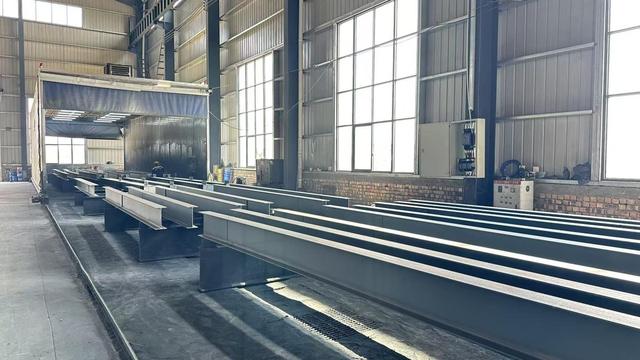
From micro-climates to high-seismic configurations, pre-engineered solutions are tailored for regional demands.
Engineered for strict +2°C to +8°C and -20°C temperature ranges, integrating backup electrical systems, GMP-compliant clean wall surfaces, and airtight dynamic sealing gaskets to eliminate biological contamination pathways.
Extreme -40°C quick-freezing tunnels engineered to handle heavy salt mist atmospheric corrosion. Structural components are galvanized using heavy hot-dip zinc coatings (Z275/AZ150) to protect longevity.
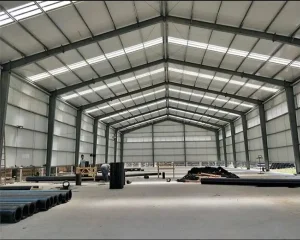
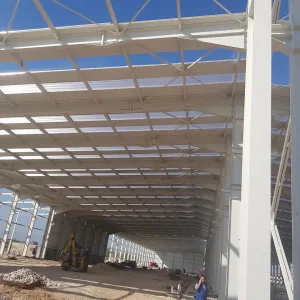
Expansive clear-span designs matching ASTM/AISC and Eurocode structural standards. Ideal for high-turnover logistics centers featuring multi-dock levellers and high-speed cold storage doors.
Procuring a steel cold storage facility involves structural and thermal design decisions that impact operational expenses for decades. Top-tier global manufacturers are evaluated based on the following key engineering benchmarks:
The next decade of cold chain warehouses will focus on energy self-sufficiency and digital coordination. Building Enclosure Systems are transitioning towards integrating Photovoltaic (BIPV) systems directly on cold roof decks. Structural systems are adapting to support larger, heavier photovoltaic modules while accounting for shifting snow loads on industrial roofs.
Furthermore, BIM (Building Information Modeling) workflows now guide the thermal barrier designs. Software models can simulate temperature distribution across columns, allowing developers to spot potential cold bridges before factory fabrication begins. This precision reduces post-construction repairs and ensures the building envelope performs at peak efficiency from day one.
Answers to complex structural design and thermal isolation questions.
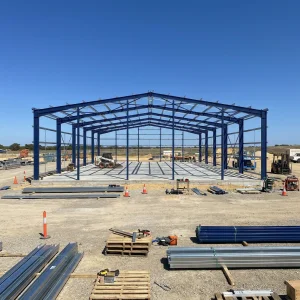
High-capacity structural solutions engineered to withstand heavy environmental loading and severe industrial operations.
 Dhingia Build