Engineered for thermal performance, structural reliability, and long-term sustainability across commercial and heavy industrial applications.
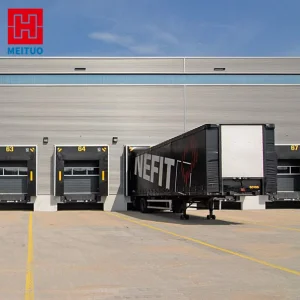
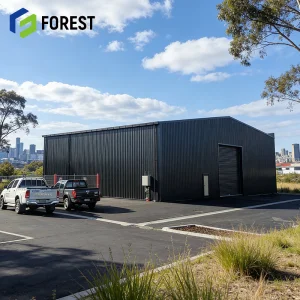
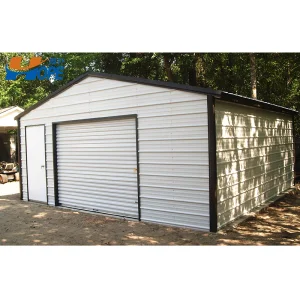
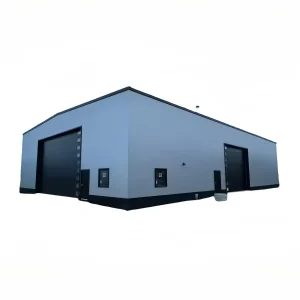
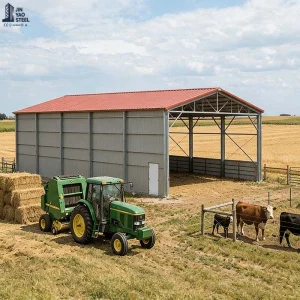
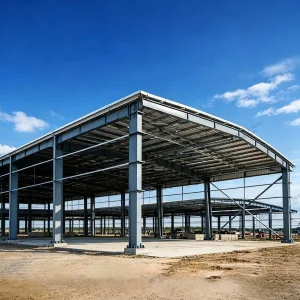
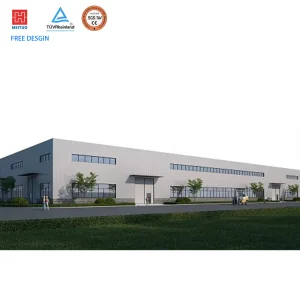
In the era of modern logistics, pharmaceutical manufacturing, and smart agriculture, the demand for precision-engineered climate-controlled metal buildings has reached historic heights. No longer confined to basic cold storage facilities, today's thermal-regulated prefabricated steel structures serve as the critical backbone for high-tech industrial chains worldwide.
Globally, urbanization, fluctuating weather patterns, and the rise of advanced e-commerce distribution platforms have forced industrial developers to look beyond traditional bricks-and-mortar or uninsulated steel structures. A climate-controlled metal building integrates specialized structural framing with high-R-value sandwich panel systems, continuous thermal breaks, and integrated HVAC conduits. According to industry analyses, the market for pre-engineered metal buildings with environmental control systems is expanding at a CAGR of over 6.5%, driven largely by strict safety regulations in food storage, pharmaceutical manufacturing, and precision chemical processing.
Leading exporters and manufacturers have pivoted from supplying simple structural components to delivering turnkey, integrated architectural solutions. In regions like North America and Western Europe, stringent building energy codes (such as ASHRAE 90.1 and Title 24) dictate specific envelope performance benchmarks. Consequently, the engineering phase of metal building manufacturing must incorporate comprehensive computational thermodynamic modeling to eliminate thermal bridging and control interior relative humidity.
The convergence of green building materials and AI-assisted design has introduced a new paradigm in prefabricated metal architecture.
Historically, metal structures suffered from heavy thermal dissipation via purlins and girts. Modern designs utilize high-density polyurethane (PIR) core insulated sandwich panels with advanced thermal-break tape. This mechanical separation ensures that external hot or cold environments do not compromise the indoor climate.
Export requirements increasingly ask for structural elements built from recycled or low-carbon steel. Standardized hot-rolled sections and pre-engineered components from top-tier exporters are designed to reduce carbon footprints during structural manufacturing while remaining 100% recyclable at the end of their lifecycle.
Using parametric modeling, engineers can calculate the exact steel gauge and column thickness required for specific wind, seismic, and snow loads. This reduces material usage by up to 15% without compromising safety parameters, leading to highly optimized construction plans.
A primary challenge of exporting climate-controlled prefabricated structures is the vast difference in regional microclimates. An industrial barn designed for the arid Middle East requires entirely different structural considerations compared to a commercial logistics depot situated in the freezing landscapes of Northern Europe or North America.
In humid coastal zones, structural steel is highly prone to atmospheric corrosion. Manufacturers must utilize hot-rolled Q355 or Q345 steel structures protected by high-thickness hot-dip galvanization or specialized anti-corrosive primer systems. Furthermore, climate control systems in these regions focus heavily on dehumidification and advanced condensation-prevention design inside sandwich wall and roof panels.
For projects in cold climates, roof load calculation is paramount. The structural frame must withstand high ground snow loads while retaining internal heat. Sandwich panels featuring a thick PIR/PUR core are combined with double-locked standing seam roofing systems to achieve a completely airtight seal, preventing energy loss and structural shifting under heavy snow load stresses.
Providing certified engineering blueprints compliant with AISC, IBC, Eurocode (CE), and UKCA standards for international construction projects.
Guangzhou Dhingia Build Co., Ltd. is a professional China pre-engineered metal building manufacturer specializing in industrial steel structure solutions for customers around the world. With extensive expertise in steel construction engineering and prefabricated building technologies, the company is dedicated to providing high-quality, cost-effective, and customized building systems for diverse industrial and commercial applications.
The company offers a wide range of products, including pre-engineered metal buildings, industrial steel structures, steel warehouses, manufacturing plants, logistics centers, commercial buildings, workshop facilities, and custom-engineered construction solutions. Designed to meet international standards, these building systems are known for their structural strength, rapid installation, long service life, and excellent cost efficiency.
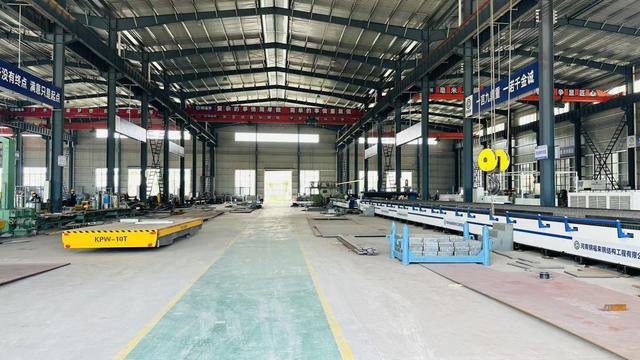
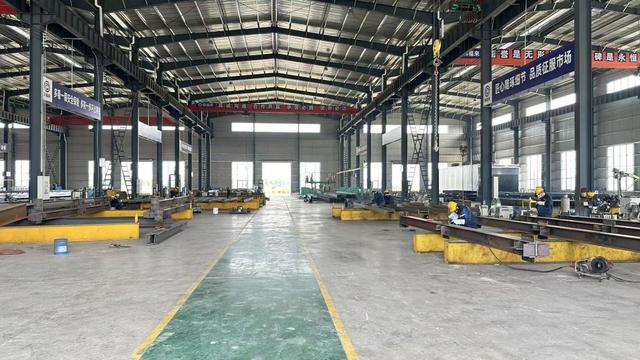
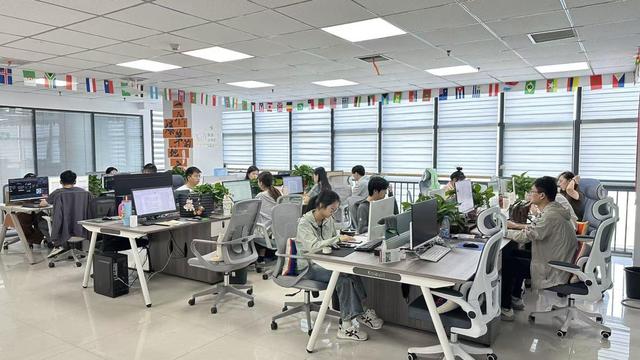
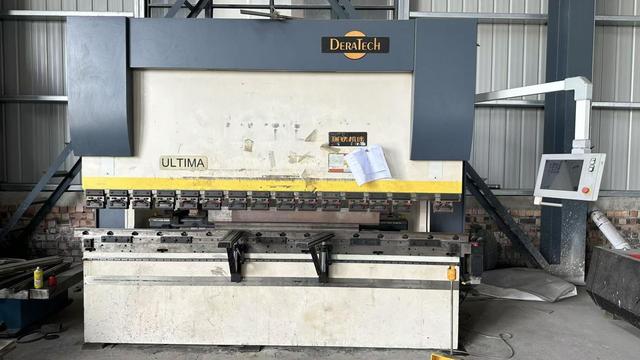
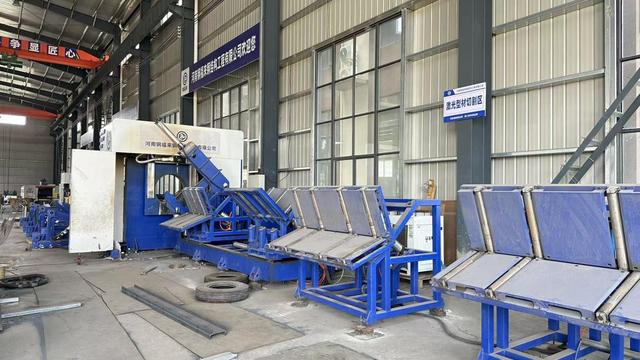
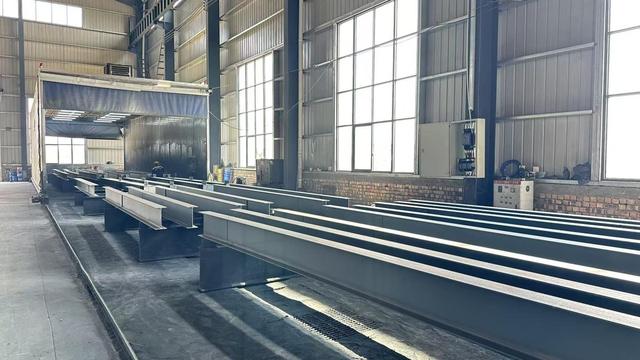
Guangzhou Dhingia Build Co., Ltd. operates modern manufacturing facilities equipped with advanced steel fabrication machinery, automated production lines, and comprehensive quality inspection systems. Supported by an experienced team of engineers, designers, and project managers, the company provides one-stop services covering project consultation, structural design, engineering analysis, manufacturing, quality control, and international logistics coordination.
Innovation and quality are fundamental to the company's development strategy. By integrating advanced design software and precision manufacturing technologies, Dhingia Build delivers reliable steel structure solutions that help customers reduce construction time, minimize labor costs, and improve overall project efficiency. The company's products are widely used in industrial production facilities, warehouses, agricultural buildings, commercial complexes, infrastructure projects, and large-scale storage applications.
Committed to the principles of quality, integrity, and customer satisfaction, Guangzhou Dhingia Build Co., Ltd. has established strong partnerships with clients across Asia, Europe, the Middle East, Africa, and the Americas. The company continues to provide innovative industrial steel structure solutions that support sustainable growth and create long-term value for global customers.
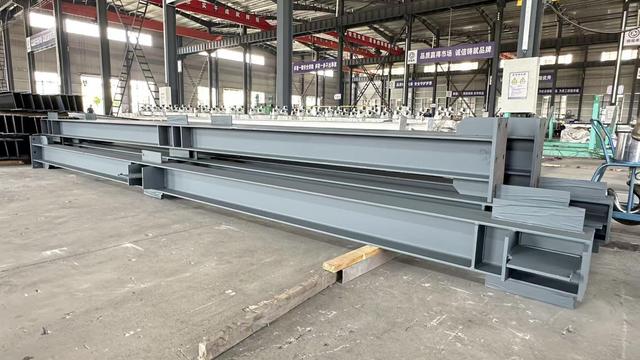
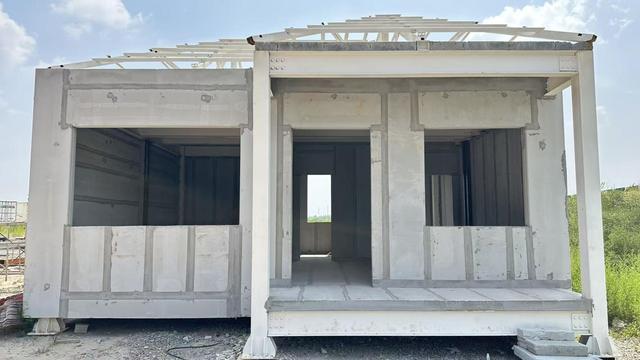
To address diverse global needs, our structural engineering workflows cover highly specialized application domains that demand deep expertise in thermodynamics, civil engineering, and environmental containment.
Designed specifically for quick-freeze facilities, fresh food logistics, and chemical distribution. Incorporates specialized floor insulation layers and structural portals that support heavy roof-mounted cooling evaporators without causing frame deformation or thermal leaks.
Fire-rated and insect-resistant agricultural structures. These custom metal warehouses provide continuous environmental controls (humidity and temperature levels) to extend crop shelf-life, prevent decay, and safeguard stored grains against pest infestation or mold development.
High-integrity prefab framing that supports multi-stage air filtration layouts (HEPA/ULPA). The structure prevents vibration transmission from heavy industrial HVAC plant equipment, ensuring cleanroom spaces maintain strict particulate and environmental tolerances.
The future of the pre-engineered metal building sector lies in advanced automation and smart materials. Over the next five years, top-tier manufacturers are moving towards integrating IoT sensors directly into steel columns and wall panels during the fabrication phase. These sensors monitor structural load stresses, trace moisture ingress, and assess thermal performance in real-time, providing building operators with preventative maintenance alerts.
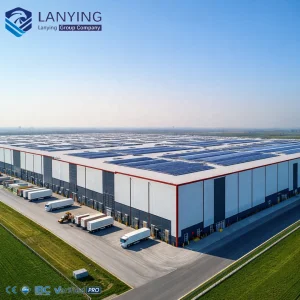
Furthermore, advances in vacuum insulation panels (VIPs) are expected to reduce wall thickness while doubling thermal performance. By combining these advanced systems with localized solar-ready roof panels, modern metal buildings are transitioning from energy consumers to self-sustaining power stations, aligning with the global drive for net-zero industrial construction.
Expert insights into engineering parameters, material options, insulation ratings, and global project coordination.
Customizable, durable, and engineered to meet CE, UKCA, and ISO manufacturing standards for export worldwide.
 Dhingia Build