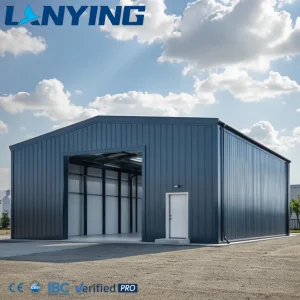
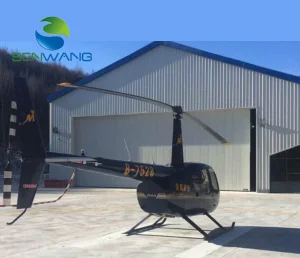
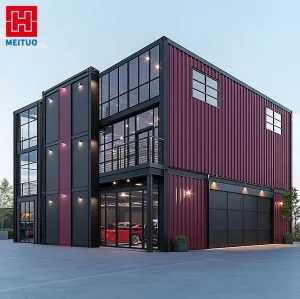
Highly adaptable prefabricated steel systems designed for heavy industrial storage, large-span sports centers, and international logistics hubs.
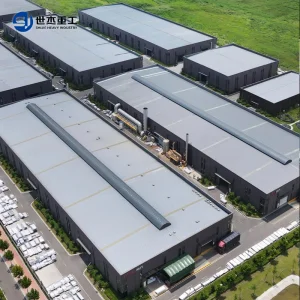
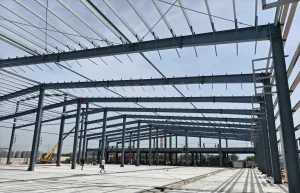
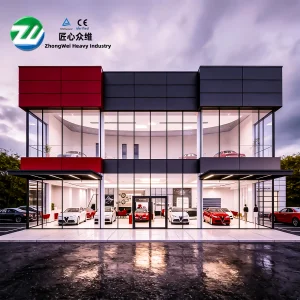
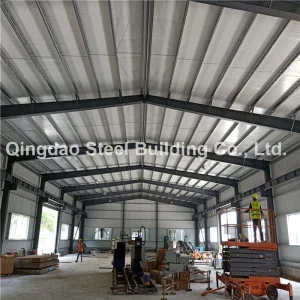
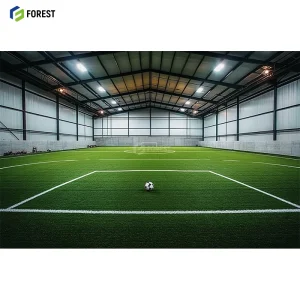
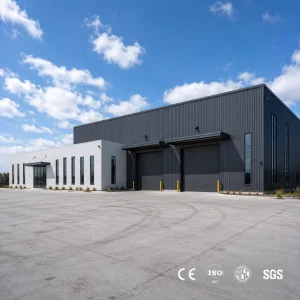
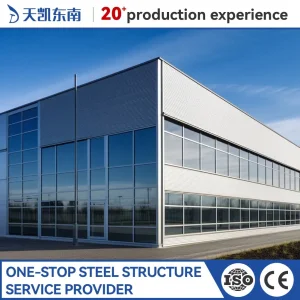
In the current global industrial landscape, architectural needs are no longer static. Extreme weather shifts, evolving manufacturing automation layouts, and volatile energy costs require building envelopes to exhibit unparalleled dynamic elasticity. Adaptive Metal Design (AMD) represents the pinnacle of this structural evolution. It integrates custom-engineered metal frameworks with intelligent variables that account for shifting environmental loads, seismic threats, and localized zoning regulations. As a premier China pre-engineered metal building manufacturer, Guangzhou Dhingia Build Co., Ltd. is at the forefront of this structural revolution.
Adaptive design goes beyond the simple fabrication of beams and columns. It applies structural system optimization, advanced Metallurgy, and precision Finite Element Analysis (FEA) to minimize dead weight while maximizing carrying capacity. By engineering structural steel platforms that natively accommodate mechanical, electrical, and plumbing (MEP) layouts without sacrificing structural safety, Dhingia Build offers modern entities structures optimized for the next 50 to 100 years.
Understanding how Dhingia Build leverages technology and industrial experience to deploy robust global structures.
Every component, from primary heavy H-beams to secondary C/Z purlins, undergoes rigorous 3D modeling. This checks structural tolerances, alignment, and MEP paths, completely eliminating field re-work.
Utilizing high-tensile steels such as Q355B and Q420 ensures high load resistance with reduced steel mass, minimizing overall capital expenditure, ocean shipping weight, and foundation requirements.
Engineering customized frames capable of withstanding wind speeds up to 250 km/h, Zone 4 seismic movements, and heavy structural corrosion in aggressive coastal settings.
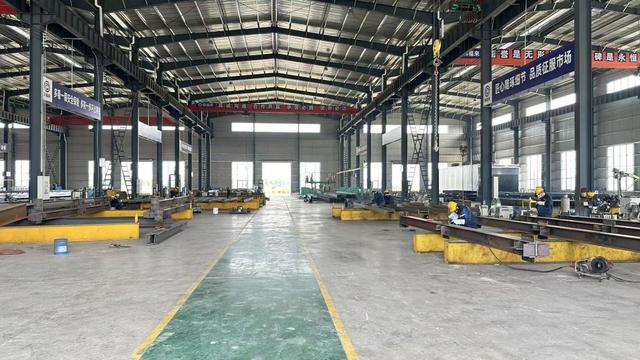
Underpinning our capacity to export thousands of metric tons of structural metal annually is our state-of-the-art manufacturing ecosystem. Based in the industrial hub of Guangzhou, China, Dhingia Build operates a high-capacity Factory 4.0 steel production plant. We have structured our material supply chains to mitigate global raw material volatility and guarantee consistent delivery schedules.
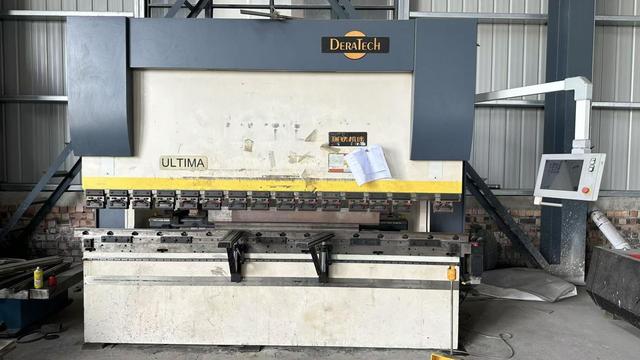
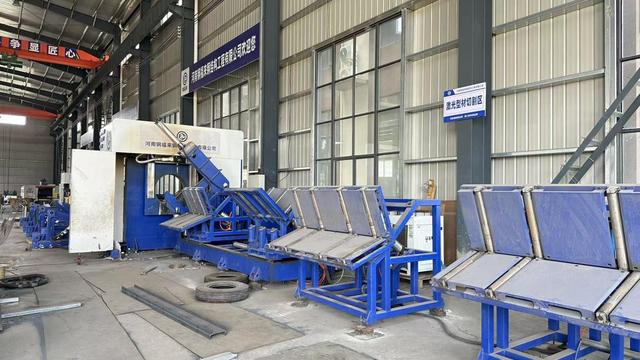
Our workshop integrates advanced multi-axis CNC drilling lines, smart sub-arc welding lines, automated shot-blasting setups, and precision cold-forming purlin machines. These components are connected to a unified Manufacturing Execution System (MES) that tracks structural steel members from raw steel mill certificate plates to final painted, labeled, and container-loaded items.
By automating the layout, cutting, welding, and surface treatment phases, Dhingia Build maintains tight dimensional tolerances of ±0.2mm. This precision allows global installation teams to easily bolt structural members together on-site, entirely eliminating cutting, layout corrections, and structural welding at the job site.
The steel construction sector is undergoing a major shift driven by building telemetry, carbon metrics, and advanced metallurgy. Guangzhou Dhingia Build Co., Ltd. is committed to a continuous improvement plan that aligns with global green construction mandates and high-efficiency material parameters:
By adopting these forward-looking methodologies, our structures act as versatile engineering platforms designed to scale with your business and environmental needs.
Exporting structural steel globally requires a deep, active understanding of national and regional building codes. A building destined for the wind-swept plains of East Africa requires completely different design criteria than a heavy-load multistory building designed for a high-intensity seismic zone in South America or Europe.
Our engineering division designs structural systems in strict accordance with prominent international design standards:
AISC & ASTM (North America): Design and detailing of structural steel buildings using LRFD or ASD methodologies. Structural plates, high-strength bolts, and welding electrodes comply with relevant ASTM, AWS D1.1, and AISC 360 standards.
Eurocode 3 (BS EN 1993): Detailed structural calculations for international clients utilizing European design criteria, ensuring compliance with local Eurocodes, national annexes, and CE marking rules.
GB Standards (China): High-performance manufacturing and fabrication in accordance with GB50017 (Standard for design of steel structures) and GB50205 (Code for acceptance of construction quality of steel structures).
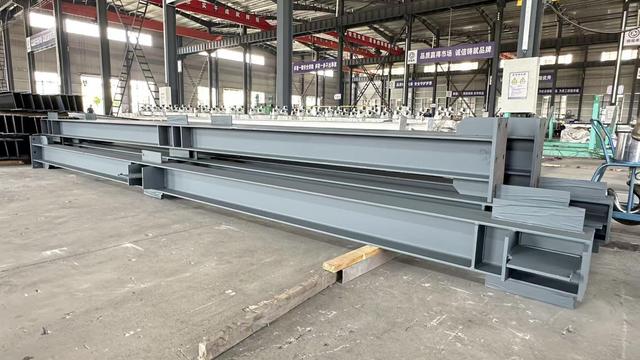
To assure compliance, we provide comprehensive documentation packs with every project, containing mill test certificates, welding procedure specifications (WPS), ultrasonic testing (UT) and magnetic particle testing (MT) reports for critical weld joints, and detailed packing list coordinates mapped directly to erection manuals.
For procurement managers, global developers, and EPC contractors, purchasing pre-engineered steel buildings from China is a process centered around risk mitigation, logistical predictability, and quality control. Guangzhou Dhingia Build Co., Ltd. has developed a streamlined, one-stop service model to simplify international procurement:
Collaborative analysis of project parameters, geological data, operational space demands, and local building code criteria.
Generating precise engineering plans and structural calculations, optimizing steel volume to match exact loading parameters.
Fabrication in our automated Guangzhou workshop, supported by physical inspection and non-destructive testing (NDT).
Additionally, we handle the complex logistics of international cargo transport. All steel columns, purlins, wall panels, and fasteners are systematically packed in 40ft open-top or high-cube sea containers. We use specialized steel banding, protective padding, and moisture-resistant vapor packaging to ensure all components arrive at your site undamaged and organized for erection.
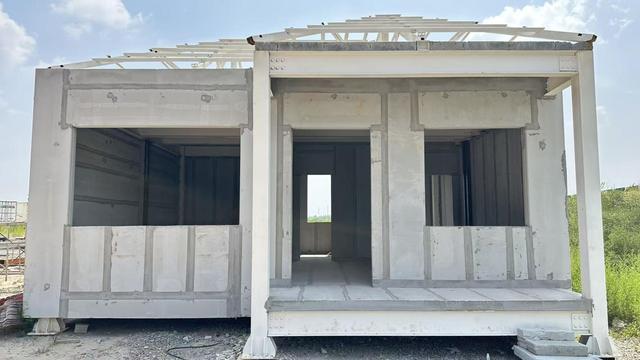
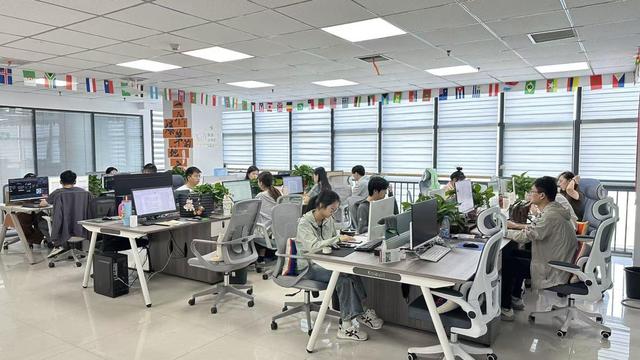
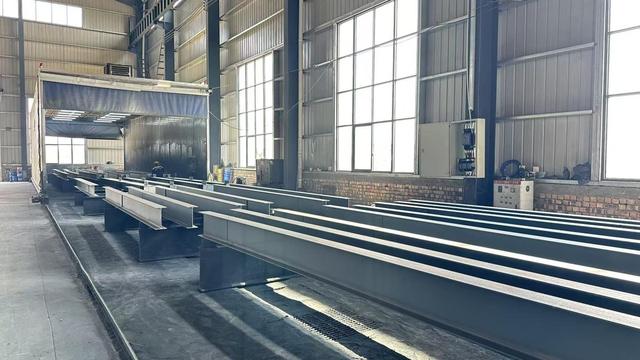
Guangzhou Dhingia Build Co., Ltd. modern manufacturing plant, automated lines, and precision loading process.
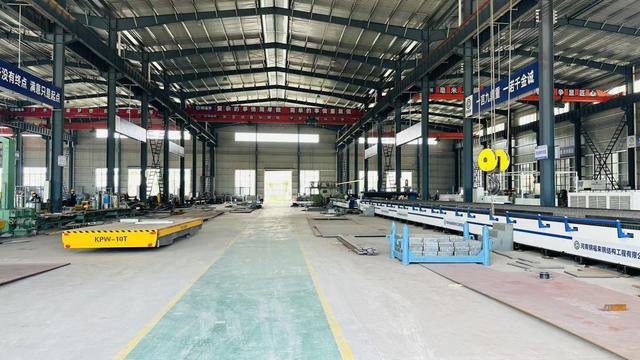
Answers to critical technical, design, and commercial questions regarding structural steel building projects.
Heavy-duty engineered framing, specialized aviation hangars, multi-story hospitality buildings, and high-drainage tropical storage facilities.
 Dhingia Build