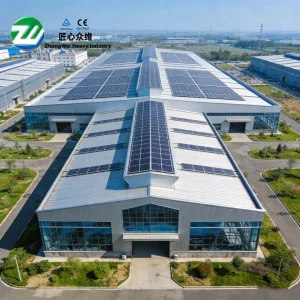
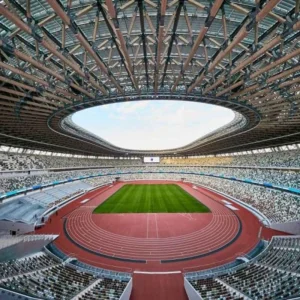
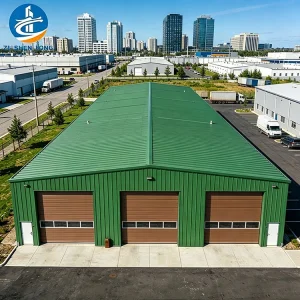
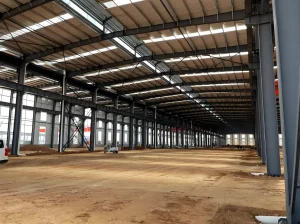
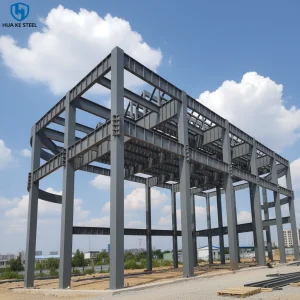
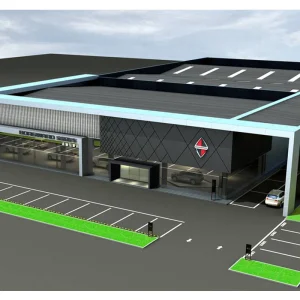
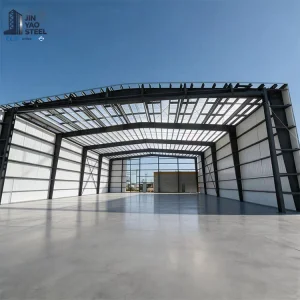
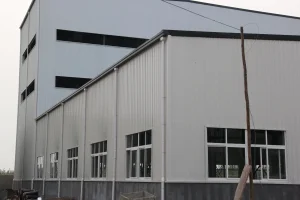
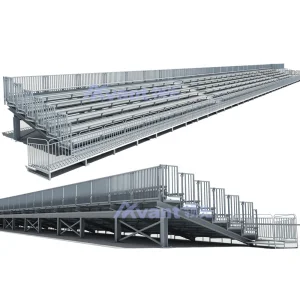
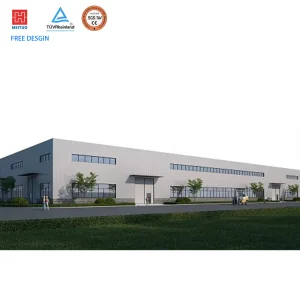
Explore our CE Certified, structural-grade metal components designed for high-span warehouses, complex industrial facilities, and rapid-erection modular buildings. These prefabricated components guarantee high load capacities and long structural lifespans.
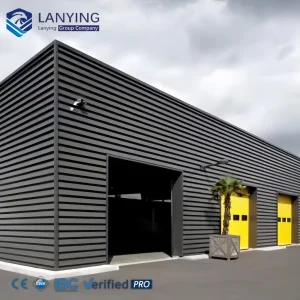
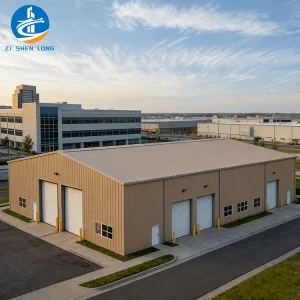
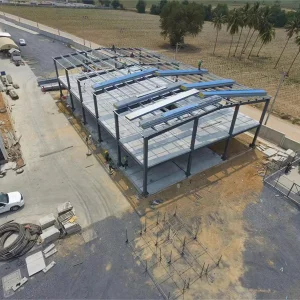
Guangzhou Dhingia Build Co., Ltd. stands as a premier architect, designer, and high-precision manufacturer of pre-engineered metal buildings (PEMB) and structural steel configurations. Operating with deep compliance standards, we engineer, fabricate, and deliver robust metal systems designed to withstand highly volatile atmospheric forces, seismic activities, and heavy operational industrial loads. By integrating advanced metallurgical processes with rigorous European (EN 1090-1) and American (AISC) quality control guidelines, we guarantee compliance, stability, and structural longevity.
Our operations integrate multi-tier, structural-grade steel configurations with custom-engineered primary and secondary framework members. From high-grade hot-rolled H-beams to cold-formed C/Z purlins, every piece of metal leaving our facility is certified, traced, and cataloged. This structural accountability ensures that global developers, commercial general contractors, and governmental infrastructure operators receive durable products built to exact structural profiles. We remove the complexity of cross-border procurement through turnkey engineering analysis, high-level structural optimization, and comprehensive logistics management.
The global structural steel market is shifting rapidly from conventional on-site fabrication to highly coordinated, pre-engineered metal systems. Driven by the expansion of cross-border e-commerce logistics, high-capacity cold chain networks, automated aerospace maintenance spaces, and large-scale manufacturing facilities, the demand for fast-install structural metal frameworks has never been higher. Modern commercial operators cannot afford the lengthy project schedules, heavy on-site labor requirements, and waste factors associated with traditional concrete structures.
To manage volatile raw material costs and reduce environmental footprints, the global building industry is prioritizing materials with a high circular economy factor. Structural steel stands out, offering a near 100% recycling capability alongside high strength-to-weight characteristics. Furthermore, regional regulatory updates in the European Union (such as strict Eurocode 3 structural mandates) and North America (AISC design specifications) require rigorous manufacturing documentation. A qualified manufacturer must demonstrate that their raw material sourcing, automated welding configurations, and paint/galvanization protocols meet strict international criteria.
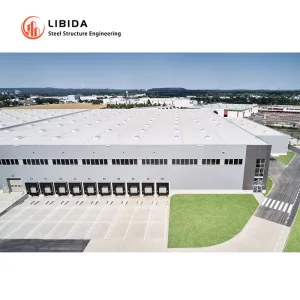
High-span, column-free interior configurations are vital for robotic picking systems, high-density warehousing, and automated loading docks. Optimized structural layouts maximize vertical clearance and usable square footage.
Manufacturing facilities require robust framing capable of supporting heavy overhead crane systems (ranging from 5 to 50 tons or more), high-vibration machinery loads, and industrial process pipe racks.
Green building programs like LEED and BREEAM prioritize pre-engineered steel buildings due to low construction waste, structural recyclability, and the integration of highly efficient insulated sandwich panels.
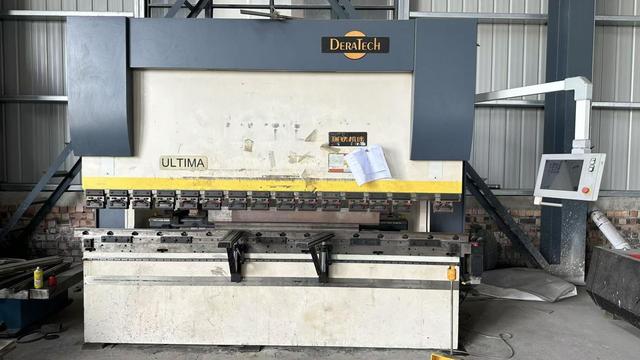
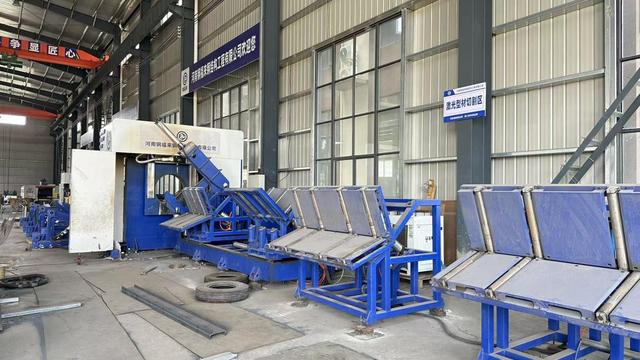
Operating from the industrial manufacturing core of Guangzhou, Guangzhou Dhingia Build Co., Ltd. leverages a highly developed supply chain network to deliver cost-effective and structurally superior metal systems. Our facilities feature advanced automation, including CNC cutting tables, automated H-beam assembly systems, high-efficiency submerged arc welding systems, and integrated multi-head drilling stations. By automating critical cutting, drilling, and welding phases, we maintain tolerances within fractions of a millimeter, reducing assembly friction during on-site installation.
Our efficiency extends beyond high-speed machinery; it includes direct partnerships with leading primary steel suppliers (such as Baosteel and Ansteel). This direct raw material access allows us to secure premium-grade plates and coils (typically Q355B or Q235B, comparable to ASTM A572 Grade 50 and S355JR) under stable pricing structures, insulating our global clients from volatile raw material fluctuations. Our standard quality procedures feature complete chemical and physical material tracing, ultrasonic testing (UT) on critical weld joints, and strict dry-film thickness (DFT) checks on all multi-layer epoxy coatings and hot-dip galvanized finishes.
Integrating fully automated welding lines, high-speed shot blasting systems (conforming to Sa 2.5 cleaning standards), and airless painting loops to deliver high-durability finishes.
Using finite element analysis (FEA) to optimize cross-sections and column shapes, ensuring maximum structural efficiency without over-designing and wasting raw steel tonnage.
Strategic positioning near major southern Chinese maritime ports (Guangzhou, Shenzhen) allows for streamlined container loading, reducing transit times and ocean freight costs.
No two projects share the same environmental parameters. Our engineers design solutions tailored to specific regional site conditions, wind velocities, snow depths, and soil classifications. Whether addressing corrosion challenges in coastal saltwater environments or managing high seismic loads in tectonic zones, we adapt our structural configurations to ensure code compliance and safety.
Engineered for heavy processing equipment, overhead crane brackets, mezzanine systems, and high-frequency operational stresses. Common applications include assembly plants, steel mills, and chemical processing complexes.
Designed using advanced space frame and truss networks to deliver clear spans exceeding 60 meters without interior support columns. This ensures safe and efficient housing for commercial aviation fleets.
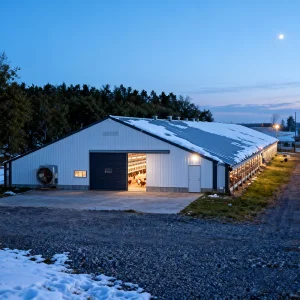
Features vapor-sealed wall panels, anti-microbial interior coatings, and integrated HVAC supports. These layouts meet the strict sanitary standards required for poultry production and food-grade cold warehouses.
Procuring heavy structural systems internationally requires balancing price against delivery speed, design compliance, and cargo security. Standard purchasing issues like mismatched bolt holes, thin anti-corrosion coatings, and poor ocean shipping protection can quickly eliminate any initial manufacturing savings. Guangzhou Dhingia Build Co., Ltd. addresses these risks with structural pre-fitting programs, clear packaging labeling, and robust ocean logistics designs.
We utilize Tekla Structures and AutoCAD software to develop detailed 3D models before starting production. This digital pre-construction phase highlights structural interferences, validates connection details, and confirms material lists. When the structural components are loaded into open-top or high-cube maritime shipping containers, our logistics team packs and secures the components in an optimized sequence, protecting the steel coatings and making unpacking at the site straightforward.
We provide complete Declaration of Performance (DoP) documents, tracking every step of fabrication from chemical composition analysis through to final structural inspection.
We offer hot-dip galvanizing options matching ISO 1461 specifications, reaching coating weights above 610 g/m² to provide long-term protection in marine and industrial environments.
Each shipment includes precise structural framing plans, numbered component layouts, and 3D erection instructions to guide local installation teams and speed up construction.
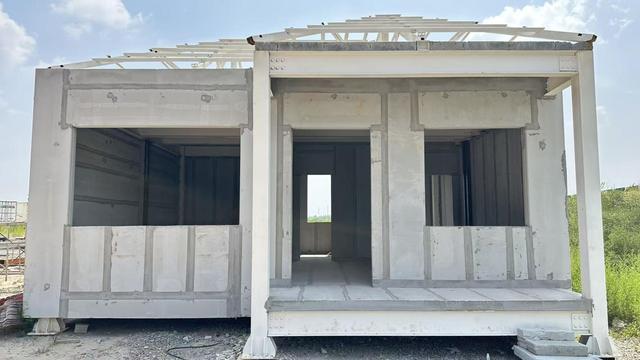
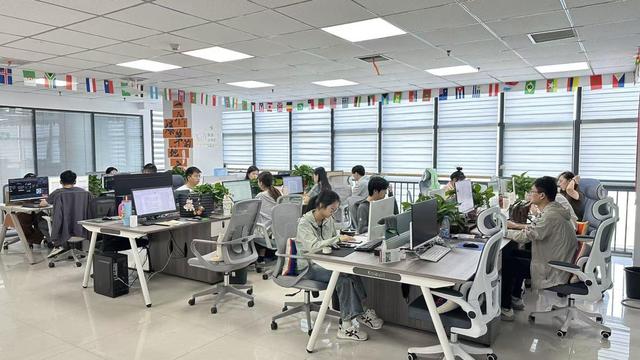
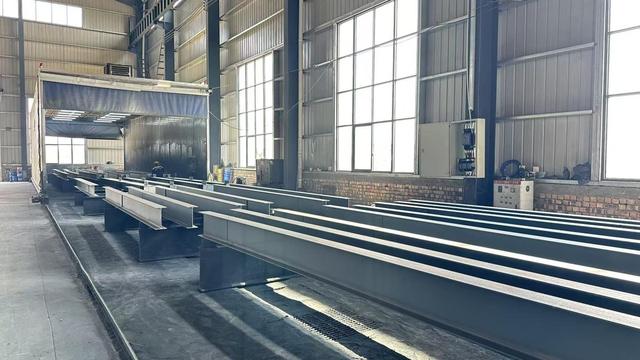
A view into our high-precision fabrication spaces, heavy steel processing areas, surface treatment stations, and pre-loading check points.
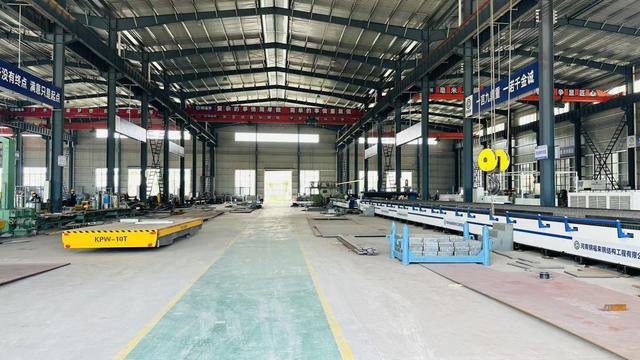
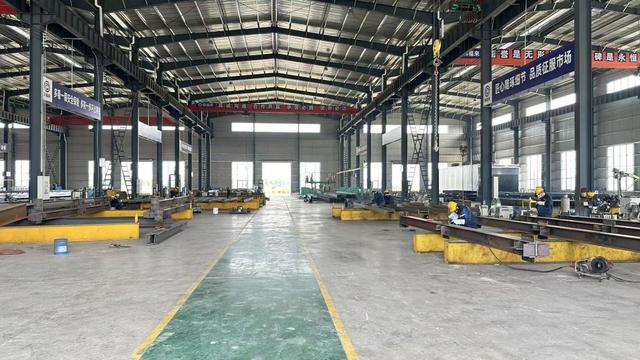
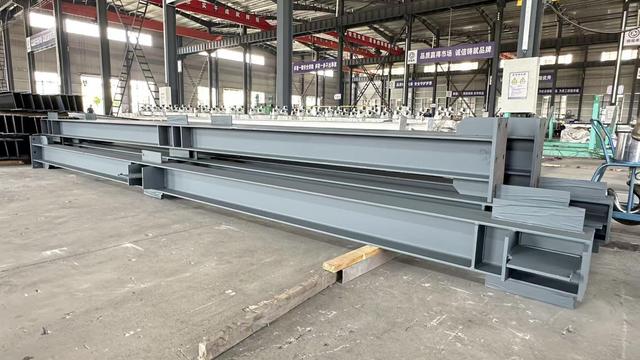
Under the European Union Construction Products Regulation, structural steel components must align with EN 1090-1 (requirements for conformity assessment of structural components) and EN 1090-2 (technical requirements for steel structures). Our CE certificate confirms that all structural elements—ranging from primary welded H-beams to secondary purlins—meet strict trace requirements, welder performance tests, and structural load tolerances.
Our engineering division uses 3D frame design software to evaluate regional factors. We design to local codes (such as Eurocodes, IBC, or ASCE 7), accounting for extreme wind loads (up to 150 km/h or higher), roof snow accumulations, and local seismic acceleration coordinates, selecting appropriate steel grades and connection sizes accordingly.
We primarily use Q355B (equivalent to S355JR/ASTM A572 Grade 50) for high-load columns and trusses, and Q235B (equivalent to S235JR/ASTM A36) for secondary framing, brace rods, and base plates. We can source other grades, including high-tensile Q420 or specialty weathering steels, to match specific project specifications.
All processed steel undergoes mechanical shot blasting to Sa 2.5 cleanliness standards to remove rust and scale. We then apply primer coatings, multi-layer epoxy systems, or polyurethane topcoats to target dry-film thicknesses (DFT). For challenging marine or industrial environments, we offer hot-dip galvanization (ISO 1461) to provide long-term galvanic protection.
We use Tekla Structures to generate detailed structural models, ensuring bolt hole patterns, brackets, and clearance points match perfectly. We label all components to correspond with the structural assembly drawing, and we perform test assemblies on critical truss connections at our facility prior to packing.
We use specialized loading software to plan container layouts, arranging heavy columns on the bottom and lighter secondary framing on top. Structural elements are bundled with timber dunnage, protective steel bands, and edge protectors to prevent movement and paint damage during ocean transport, facilitating safe unloading at the destination.
With proper paint protection or hot-dip galvanizing, structural steel systems can last over 50 years. Maintenance is simple, typically requiring periodic inspections of connection fasteners and paint touch-ups on exposed steel every 5 to 10 years, depending on local environmental conditions.
Yes, flexibility is a key benefit of pre-engineered systems. Since structural loads are supported by the primary portal frames, end-wall frames can be adjusted, and columns can be prepared for future longitudinal extensions. Interior spaces can also be reconfigured without compromising structural integrity.
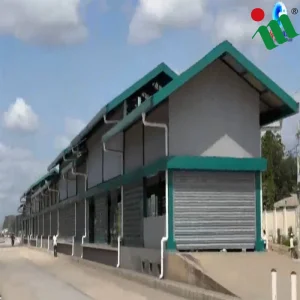
Discover our high-precision customized solutions, ranging from large-span aircraft hangars and heavy industrial workshops to specialized sporting grandstands and agricultural structures.
 Dhingia Build