Explore our state-of-the-art prefabricated steel building solutions engineered for durability, rapid deployment, and structural reliability.
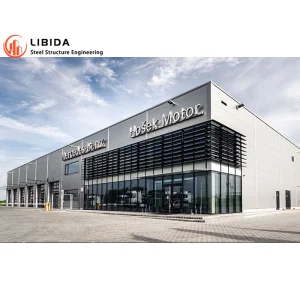
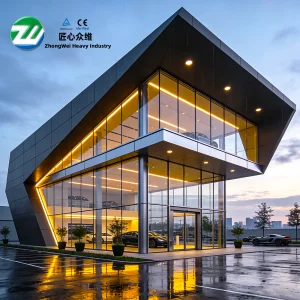
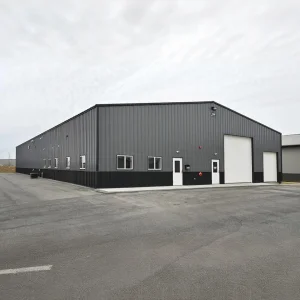
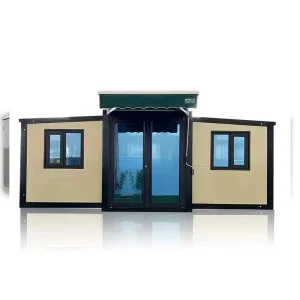
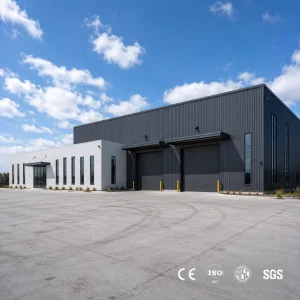
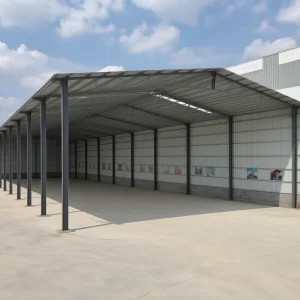
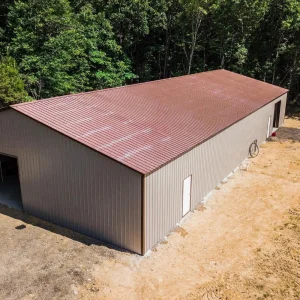
Modern industrial expansion demands construction methodologies that combine high speed, low carbon footprint, and structural integrity. Lightweight metal buildings, constructed using pre-engineered framing and light-gauge steel members, have emerged as the standard for warehouses, factories, and commercial hubs globally.
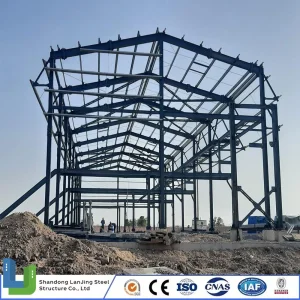
By leveraging advanced alloys and precise cold-rolling processes, engineering teams can minimize dead load weight while optimizing live load and seismic capabilities. This performance-to-weight ratio allows structures to span wider open spaces without requiring interior columns, directly accelerating logistics workflows and optimizing floor layouts.
As a leading engineering partner, Guangzhou Dhingia Build Co., Ltd. addresses complex design parameters, integrating localized wind loads, seismic zones, and corrosive atmosphere protections into tailored building layouts that withstand the most challenging environments.
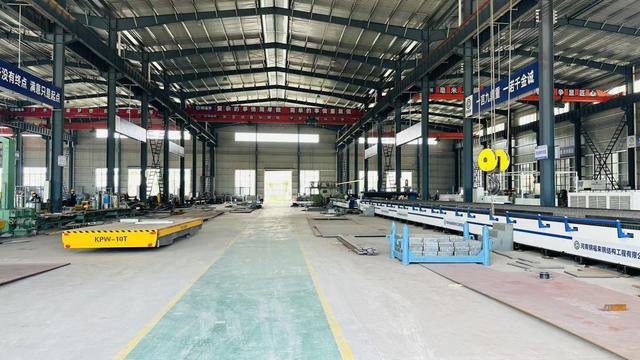
Empowering enterprises with certified industrial manufacturing, sustainable engineering protocols, and streamlined cross-border logistics.
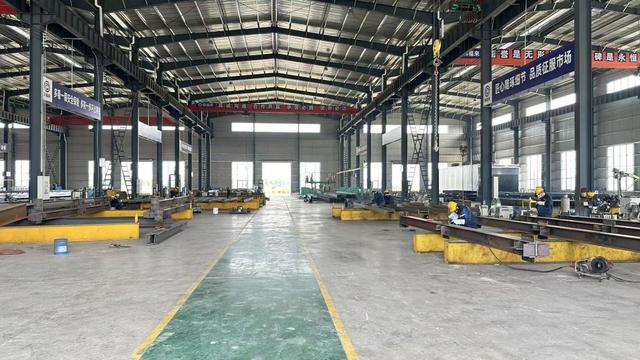
Procuring lightweight steel buildings directly from specialized manufacturers in China provides global enterprises with clear technical and financial advantages. The South China manufacturing cluster, particularly in Guangzhou, boasts deep supply chains, offering access to high-quality raw materials, hot-dip galvanizing plants, and automated roll-forming technologies.
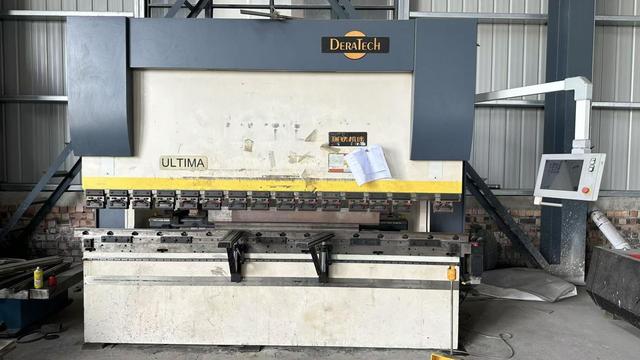
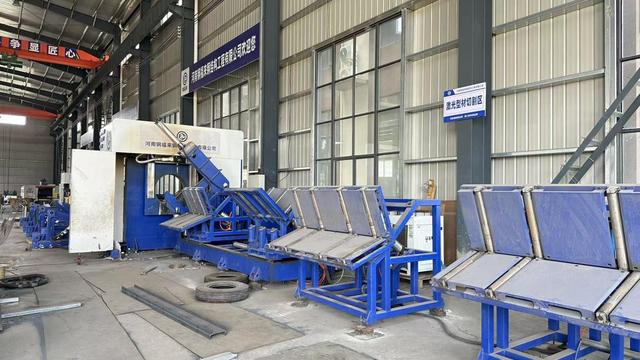
At Guangzhou Dhingia Build Co., Ltd., our production floor combines high-precision CNC cutting, automated assembly systems, and submerged arc welding. This level of automation ensures components match Tekla or Auto-CAD layouts within tolerances of less than 1mm, dramatically reducing assembly challenges and construction delays on site.
Through our comprehensive OEM/ODM workflow, we handle complete project integration, transforming raw steel sheets and coils into pre-engineered frames, purlins, wall claddings, and insulated panel systems engineered for shipping in standard high-cube or open-top shipping containers.
From drafting and structural calculations to precision manufacturing and global shipping coordination.
Using Tekla Structures and PKPM software to run finite element analysis (FEA). We calculate exact load capacities, structural deflections, and seismic tolerances specific to your localized build coordinates.
We primarily source Q355B and Q235B high-strength structural carbon steel. All products are subjected to rigorous ultrasonic testing (UT) and magnetic particle testing (MT) to ensure structural welding integrity.
We offer advanced hot-dip galvanization (up to 600g/m²) and multi-layer epoxy rich coatings (C3, C4, C5 corrosion class levels). Keep structural components safe from coastal spray and heavy industrial gasses.
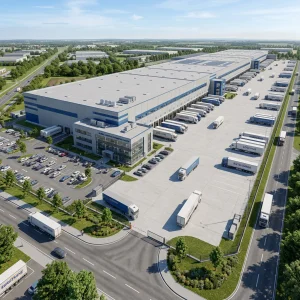
Lightweight metal framing has expanded beyond simple single-story agricultural sheds. Today, it serves as the foundational envelope for complex multi-story commercial offices, large-span logistics warehouses, heavy industrial processing facilities, and even modular retail complexes like coffee shops and retail outlets.
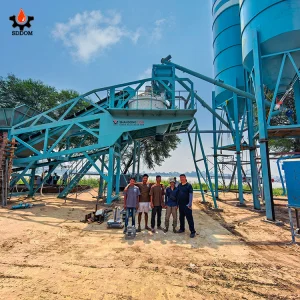
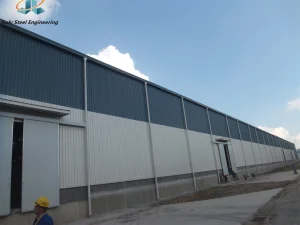
For industrial processing plants, structural design must account for dynamic overhead crane loads, heavy concrete batching setups, and extensive ventilation runs. Our engineering team integrates these needs directly into the main steel frame design, optimizing purlin sizing and framing thickness to ensure the building functions smoothly under stress.
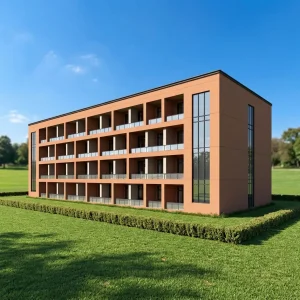
Similarly, for urban and residential spaces, light steel framing provides an effective solution to develop multi-story housing and community offices quickly. These systems offer outstanding thermal insulation, acoustic barriers, and fire-resistant paneling, ensuring long-term durability in high-density urban zones.
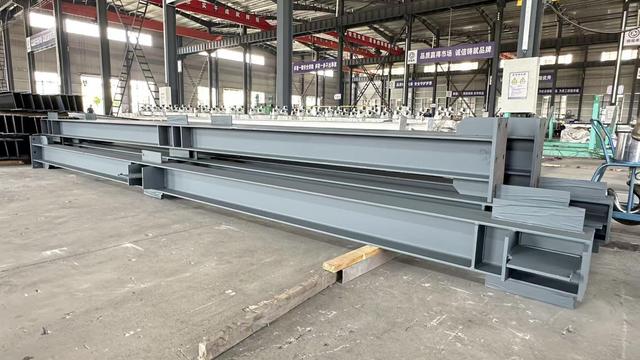
Every step of our process is carefully controlled, ensuring each pre-engineered component is fabricated, tested, and marked for seamless onsite assembly.
Consultation, architectural design, structural calculation analysis, and final 3D model approvals.
Steel plates are cut to exact sizes using CNC multi-head flame cutters and automated saw lines.
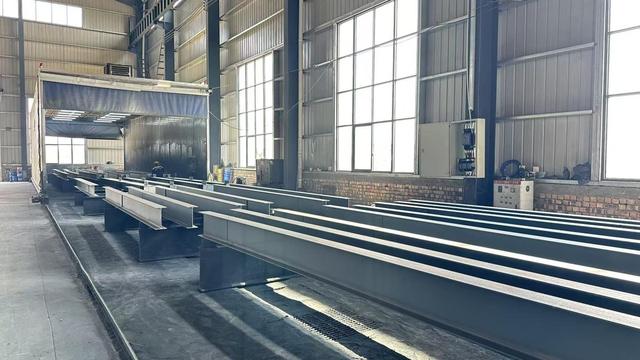
Automated welding of H-beams followed by steel shot blasting (Sa2.5 standard) and epoxy paint application.
Final checking of dimensions, paint thickness, weld quality, packaging, and shipping container loading.
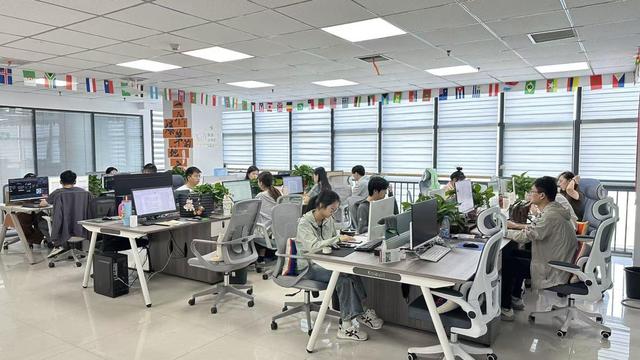
Take a visual tour of our production facilities, structural test yards, and advanced metal fabrication machinery.
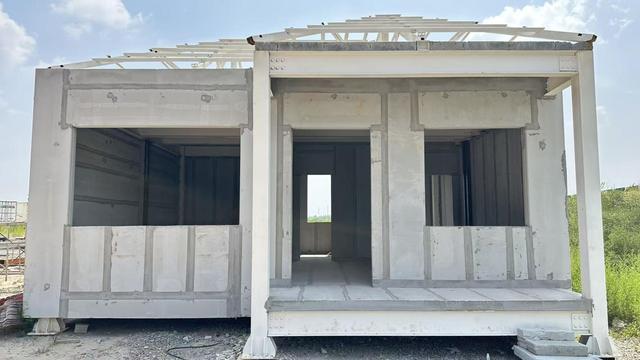
Purchasing prefabricated steel structures internationally requires careful coordination of engineering standards, material certifications, and shipping configurations. Structural engineers must evaluate several key factors to ensure the building performs reliably for decades:
Different regions follow specific construction guidelines. While North American projects generally refer to the AISC (American Institute of Steel Construction) design codes and ASTM standards, European installations follow Eurocode regulations. When ordering, please provide detailed load requirements (snow loads, wind speeds, roof live loads) and localized seismic risk profiles. Our engineering team designs and fabricates to match these parameters, ensuring code compliance and smooth local construction permitting.
The lifespan of a steel structure depends heavily on its surface treatment. For inland applications with moderate humidity, a standard shot-blasting treatment (Sa 2.5) followed by a high-grade epoxy zinc-rich primer provides cost-effective and reliable protection. In coastal environments or industrial sites exposed to acid mist, we recommend hot-dip galvanization with a zinc coating weight of 600g/m² or specialized fluorocarbon coatings to prevent rust and degradation.
Logistics costs are a critical part of the total project budget. Our structural design processes are optimized for shipping container dimensions. We pre-engineer primary framing members, C/Z purlins, and wall panels to pack tightly into 40ft HQ or Open Top (OT) containers. Every element is clearly labeled with QR-coded tags corresponding to the installation blueprints, streamlining customs clearance and speeding up on-site sorting and assembly.
Get detailed technical answers to the most common questions from international project managers, engineers, and sourcing experts.
Explore our technical portfolio of industrial plants, multi-story steel structures, and modular building designs.
 Dhingia Build