Engineered for immediate deployment, optimizing structural performance for regional logistics hubs and commercial sectors in Kathmandu, Lalitpur, and Birgunj.
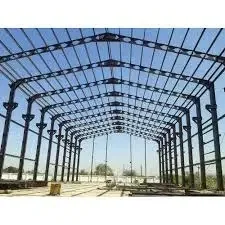
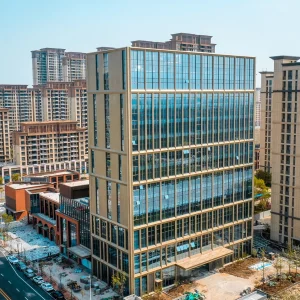
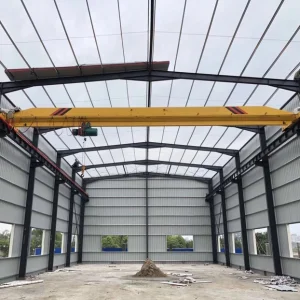
Navigating geography, economic shifts, and structural engineering demands in the Himalayan industrial corridors.
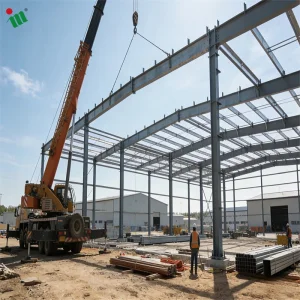
Nepal’s rapid urbanization and geopolitical emergence as a trade corridor between India and China have triggered an unprecedented demand for modern commercial infrastructure. Traditional reinforced concrete (RCC) methods are facing critical challenges due to extended execution times, materials supply constraints, and susceptibility to catastrophic seismic activity. From the Terai plains of Biratnagar and Birgunj to the mountainous topography of Pokhara and Kathmandu, the demand for fast-track, durable, and highly resilient construction methods is driving a structural migration toward Pre-Engineered Metal Buildings (PEBs) and prefabricated steel structures.
As Nepal implements localized Special Economic Zones (SEZs) and upgrades cross-border trade hubs, the pressure on developers to construct distribution facilities, high-clearance manufacturing units, and multistory commercial complexes has intensified. Pre-engineered steel buildings manufactured in state-of-the-art facilities internationally and exported directly to Nepal bypass conventional bottlenecks. They eliminate high on-site construction labor overheads, optimize material usage, and present predictable installation timelines despite local monsoon challenges.
SEO Insights & Localized Procurement: Global purchasing groups targeting the Nepalese market require a keen understanding of border customs protocols (Birgunj, Tatopani, and Rasuwagadhi dry ports) and specific engineering certifications tailored to Nepal's unique geomorphology. Working with an experienced manufacturer like Guangzhou Dhingia Build Co., Ltd. guarantees compliance with both local building codes and rigorous global criteria.
Nepal is located along the active boundary of the Indian and Eurasian tectonic plates, categorizing the entire country under high-hazard seismic zones (Seismic Zone IV and V under Indian Standard classification codes, which are closely adhered to in Nepal). Structural integrity is not a variable parameter; it is a vital safety requirement. Traditional brick-and-mortar or standard concrete frames exhibit low ductility and are highly prone to sudden failure during major seismic events like the 2015 Gorkha earthquake.
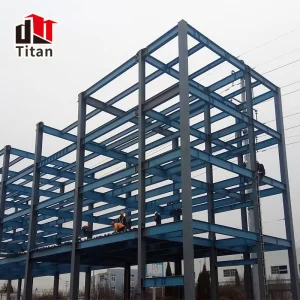
Our prefabricated structural steel frameworks leverage high ductility properties. Structural steel undergoes plastic deformation before failure, absorbing tectonic energy and drastically reducing peak ground acceleration (PGA) impacts on the occupants and the primary structural grid. We apply specific structural configurations, including:
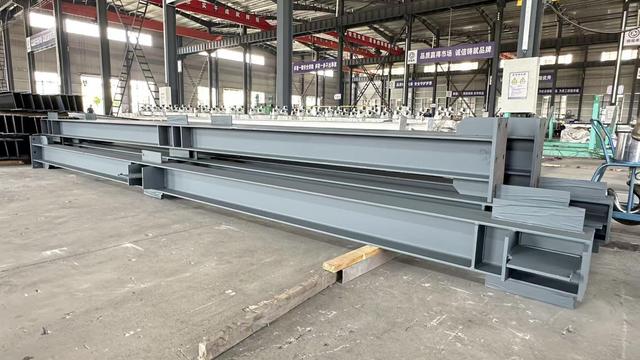
International sourcing requires rigorous checks on steel composition and fabrication tolerances. Our commercial building panels utilize hot-rolled steel sections graded from Q345B (ASTM A572 Grade 50 equivalent) and S355JR to ensure robust yield strength. For lighter structural elements like purlins and girts, high-strength cold-formed galvanised Z and C sections are deployed, preventing localized buckling under dead loads and heavy monsoon rainfall.
| Structural Parameter | Reference Design Standard | Specified Materials / Treatment |
|---|---|---|
| Structural Steel Frame | AISC 360-16, IS 800:2007 | GB/T 1591 Q345B / ASTM A572 Gr. 50 (S355JR) |
| Cold-Formed Purlins (C/Z) | AISI S100, IS 801 | Galvanized Structural Steel (Min. Z275 coating) |
| Secondary Seismic Loadings | IS 1893 (Part 1): 2016, FEMA 302 | Cross-braced high-tensile rod arrays & portal bracing |
| Corrosion Protection | ISO 12944 - C3/C4 Classification | Epoxy primer coat (80 microns) + polyurethane topcoat |
| Roofing & Cladding Systems | ASTM A792, IS 277 | Alu-Zinc Coated (Galvalume) profile sheets, Optional PUF/Rockwool insulation cores |
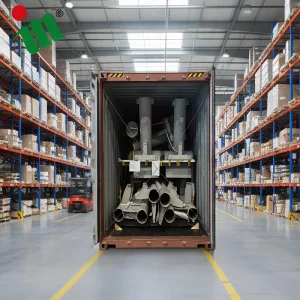
Exporting heavy structural components to a landlocked country presents challenging logistical hurdles. Our logistics planning department is deeply experienced in managing transit paths into Nepal. Standard operations routes consist of shipping freight to Kolkata Port (India), transshipping onto specialized flat-bed trailers or rail transport, and navigating entry through the Birgunj Integrated Check Post (ICP) or Bhairahawa border point.
Alternatively, for projects situated in North/Eastern Nepal, we deploy direct overland shipping routes from Tibet through the Tatopani (Zhangmu) or Rasuwagadhi (Kerung) border crossings. All primary columns and portal rafters are scaled precisely during the engineering phase to match maximum transport dimensions and bridge capacities across mountainous highways like the Tribhuvan Highway and Prithvi Highway, minimizing transport delays or high custom demurrage charges.
Guangzhou Dhingia Build Co., Ltd. is a professional China pre-engineered metal building manufacturer specializing in industrial steel structure solutions for customers around the world. With extensive expertise in steel construction engineering and prefabricated building technologies, the company is dedicated to providing high-quality, cost-effective, and customized building systems for diverse industrial and commercial applications.
The company offers a wide range of products, including pre-engineered metal buildings, industrial steel structures, steel warehouses, manufacturing plants, logistics centers, commercial buildings, workshop facilities, and custom-engineered construction solutions. Designed to meet international standards, these building systems are known for their structural strength, rapid installation, long service life, and excellent cost efficiency.
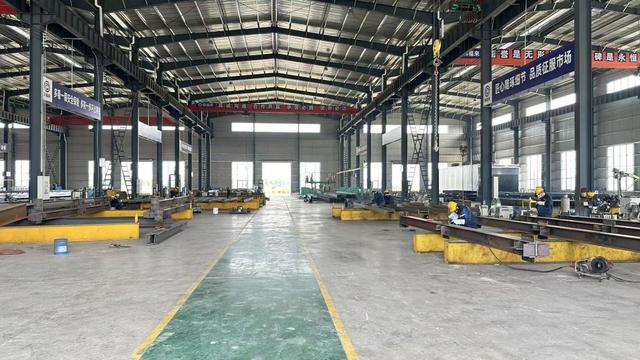
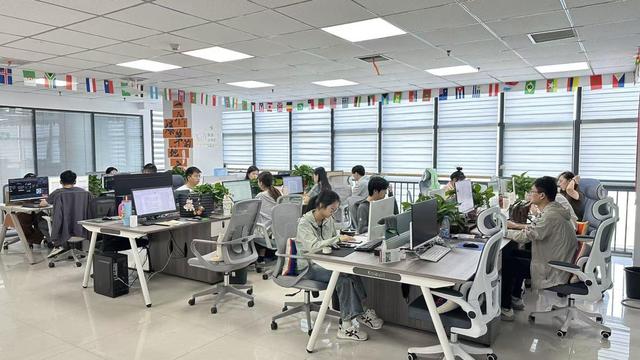
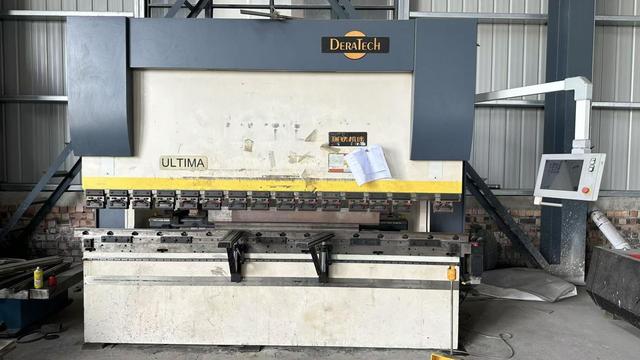
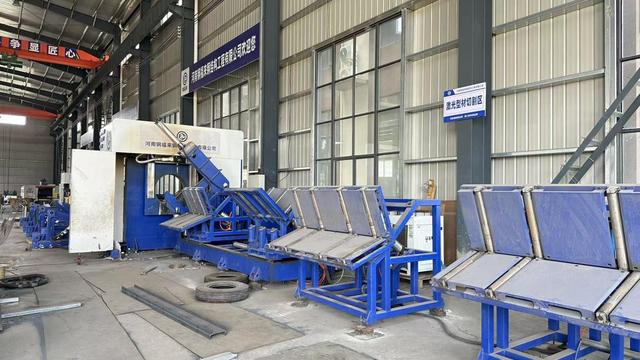
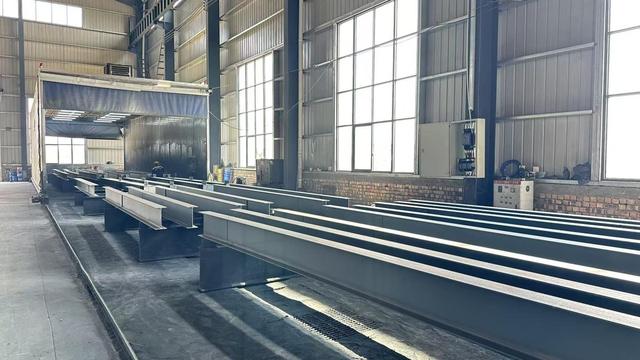
Guangzhou Dhingia Build Co., Ltd. operates modern manufacturing facilities equipped with advanced steel fabrication machinery, automated production lines, and comprehensive quality inspection systems. Supported by an experienced team of engineers, designers, and project managers, the company provides one-stop services covering project consultation, structural design, engineering analysis, manufacturing, quality control, and international logistics coordination.
Innovation and quality are fundamental to the company's development strategy. By integrating advanced design software and precision manufacturing technologies, Dhingia Build delivers reliable steel structure solutions that help customers reduce construction time, minimize labor costs, and improve overall project efficiency. The company's products are widely used in industrial production facilities, warehouses, agricultural buildings, commercial complexes, infrastructure projects, and large-scale storage applications.
Committed to the principles of quality, integrity, and customer satisfaction, Guangzhou Dhingia Build Co., Ltd. has established strong partnerships with clients across Asia, Europe, the Middle East, Africa, and the Americas. The company continues to provide innovative industrial steel structure solutions that support sustainable growth and create long-term value for global customers.
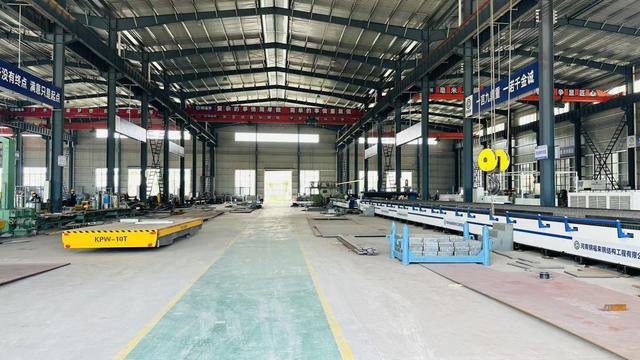
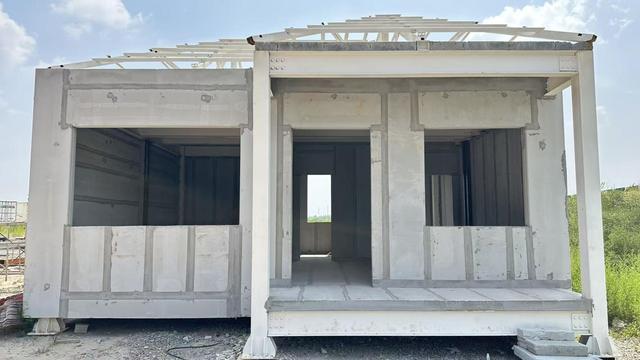
When implementing projects in high-altitude zones such as Pokhara, Jomsom, or mountainous border gateways, normal structural limits do not suffice. Low-temperature brittleness (Charpy V-Notch impact properties of raw steel) and local snow weight calculations require adjustments. Ground snow loads can reach up to 1.5 kPa to 2.5 kPa depending on the altitude profile. Dhingia Build optimizes structures under multi-loading protocols, combining structural configurations with thermal envelopes:
Modern developers evaluating long-term business returns realize that concrete structures pose massive financial challenges in high-interest rate environments. PEB steel structures can slash overall construction lead times by 40% to 60%. Faster cycle times result in rapid tenant occupation and quick returns on investment. Crucially, up to 90% of structural steel raw components are highly recyclable at the end of their operational lifecycle, aligning projects with international green building certifications (LEED / BREEAM).
Engineered specifically to support localized industrial park layouts, distribution facilities, and custom offices throughout South Asia.
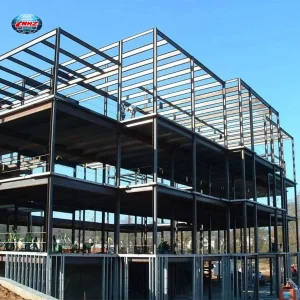
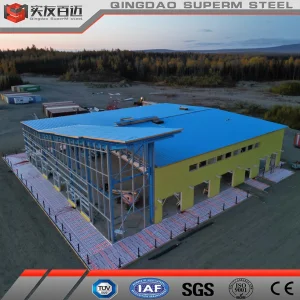
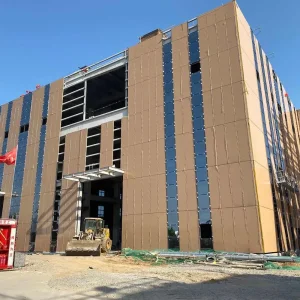
Essential questions answered by engineering and logistics specialists regarding import regulations, seismic standards, and assembly in Nepal.
We engineer our structural frames utilizing the Indian Standard codes (IS 1893:2016 for seismic load design and IS 800:2007 for structural steel design) alongside AISC 360-16. This conforms to Nepal's local municipal standards (NBC 105:2020). By running Finite Element Analysis (FEA) through STAAD.Pro software, we customize the ductility parameters of the portal frames to withstand peak accelerations corresponding to Zone IV and V hazards.
Most projects are shipped via ocean freight to the port of Kolkata, India, and subsequently transferred onto multi-axle trailer trucks heading through the Birgunj dry port directly into Nepal. Alternatively, direct road transit from our factory in China to Lhasa and overland across the Gyirong/Rasuwagadhi border can be scheduled for projects situated in the northern regions. All export custom documentations, bills of lading, and certificate of origin documents are coordinated directly by our expert logistics team.
Yes, we provide full structural engineering drawings, erection manuals, and foundation layout maps. Upon arrival of the building components, we can dispatch senior field technicians or structural engineers directly to sites in Kathmandu, Pokhara, or Birgunj to supervise local assembly teams, verify torque limits on structural bolts, and ensure correct sealing of envelope components.
Nepal’s monsoon season subjects exterior metal surfaces to heavy humidity and precipitation. To counter this, all structural profiles undergo shot-blasting to Sa2.5 class followed by the application of multi-layer high-build epoxy primers and polyurethane top coats. Secondary structural components like purlins are galvanized to a minimum of Z275 (275g/m² zinc coating weight) or AZ150 for Galvalume panels, which halts corrosion and oxidation for decades.
 Dhingia Build