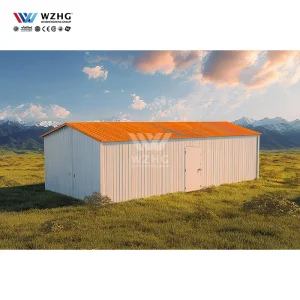
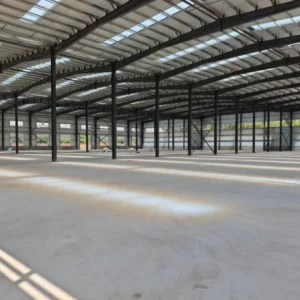
Explore our high-performance PEB buildings, distribution hubs, and custom industrial metal solutions designed to international CE standards.
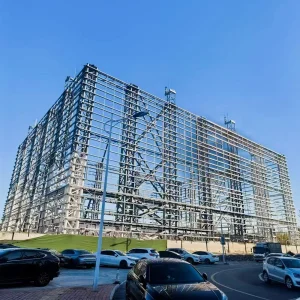
In the era of hyper-globalized supply chains, modern industrial logistics relies heavily on structural integrity, flexibility, and rapid execution. Metal warehouse structural designs have evolved from simple utility sheds to highly integrated physical environments. They must withstand diverse climatic loads, support multi-level material handling hardware, and comply with strict national building codes.
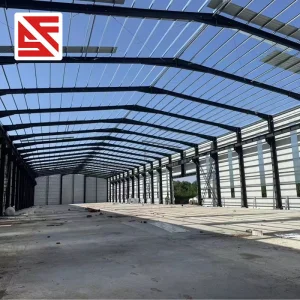
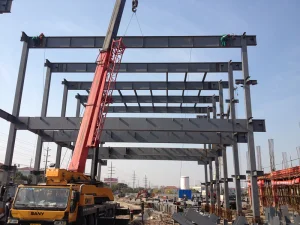
In regions such as North America, Asia-Pacific, and the Middle East, pre-engineered metal buildings (PEB) are standardizing warehousing infrastructure. These steel structures utilize high-tensile steel grades (like Q355B or ASTM A572 Grade 50) and cold-formed structural members to optimize weight-to-strength ratios, reducing shipping volume and field welding times. Modern logistics systems require structural frames that support overhead crane run-beams, roof-mounted HVAC systems, solar panel arrays, and internal rack systems.
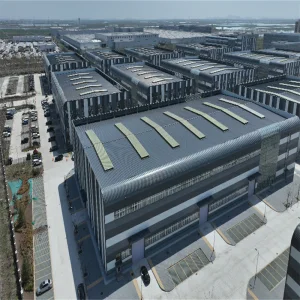
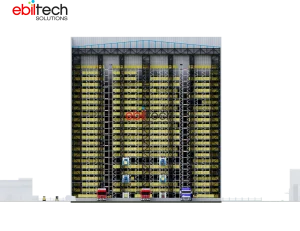
Urbanization and the expansion of e-commerce distribution centers require taller structures with larger clear spans. Free spans exceeding 45 meters without interior columns are common. The integration of four-way automated shuttle racks and automated storage and retrieval systems (ASRS) places high demands on structural engineering. Standard floors are no longer simple slabs; they require precise leveling tolerances (FM classifications) and must support heavy dynamic loads from industrial machinery.
Modern steel warehouse manufacturing is defined by three major trends: sustainability, smart automation integration, and off-site prefabrication.
Pre-engineered steel structures utilize tapered built-up sections, placing material thickness only where high bending moments occur. This saves up to 30% in steel weight compared to traditional hot-rolled I-beams.
Clad-rack warehouses use the storage racks as the structural support for the wall cladding and roof, eliminating the need for separate columns and beams. This maximizes volumetric storage space.
Advanced anti-corrosion coatings, including hot-dip galvanizing (min 275g/m²) and epoxy-rich zinc primers, protect structures in humid coastal or chemical environments, extending lifespans beyond 50 years.
No single warehouse design fits every climate or industry. Pre-engineered steel buildings must adapt to localized environmental conditions and regulatory frameworks:
Guangzhou Dhingia Build Co., Ltd. is a professional pre-engineered metal building manufacturer specializing in industrial steel structure solutions. We provide high-quality, cost-effective, and customized building systems for diverse industrial and commercial applications.
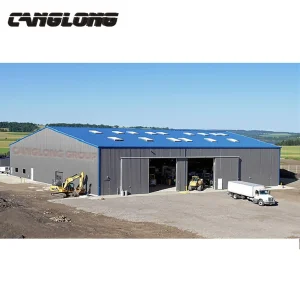
Our product portfolio includes pre-engineered metal buildings, industrial steel structures, steel warehouses, manufacturing plants, logistics centers, commercial buildings, workshop facilities, and custom-engineered construction solutions. Designed to meet international standards, these building systems are known for their structural strength, rapid installation, long service life, and excellent cost efficiency.
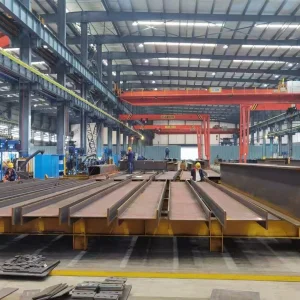
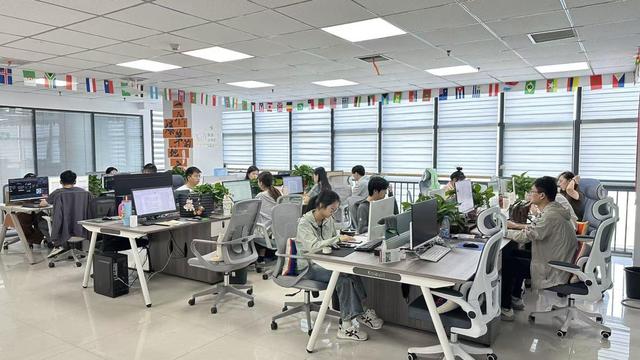
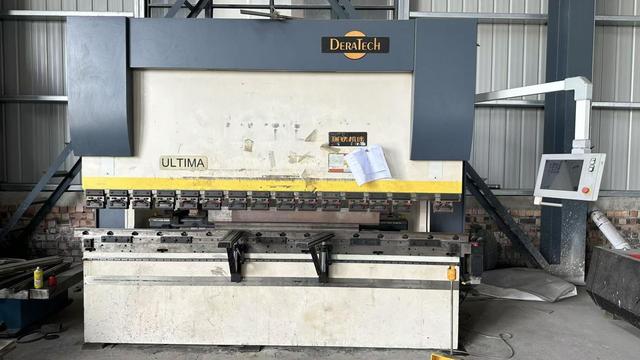
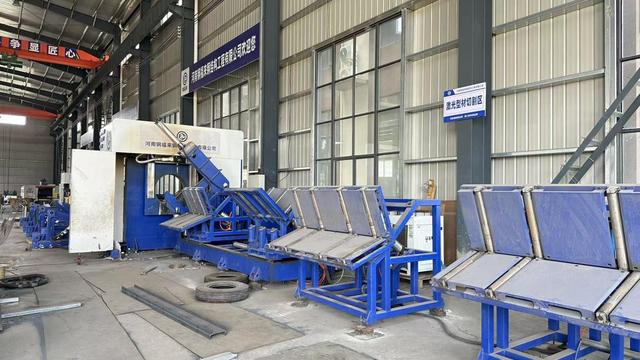
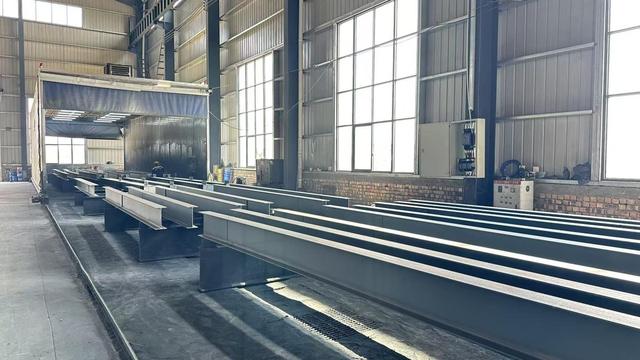
Our modern manufacturing facilities feature automated production lines and comprehensive quality inspection systems. Supported by an experienced team of engineers, designers, and project managers, we provide one-stop services covering project consultation, structural design, engineering analysis, manufacturing, quality control, and international logistics coordination.
Innovation and quality are central to our development strategy. By integrating advanced design software and precision manufacturing technologies, we deliver reliable steel structure solutions that help customers reduce construction time, minimize labor costs, and improve overall project efficiency. Our products are widely used in industrial production facilities, warehouses, agricultural buildings, commercial complexes, infrastructure projects, and large-scale storage applications.
Guangzhou Dhingia Build Co., Ltd. has established partnerships with clients across Asia, Europe, the Middle East, Africa, and the Americas. We continue to provide innovative industrial steel structure solutions that support sustainable growth and create value for global customers.
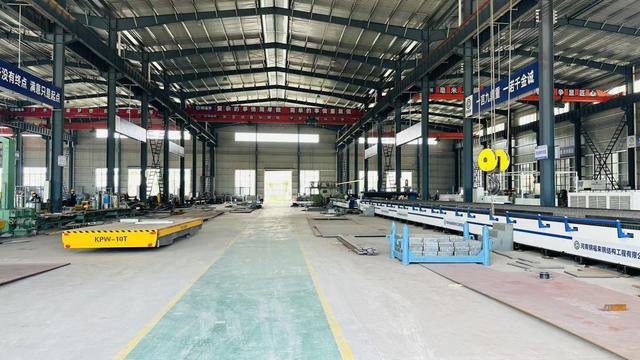
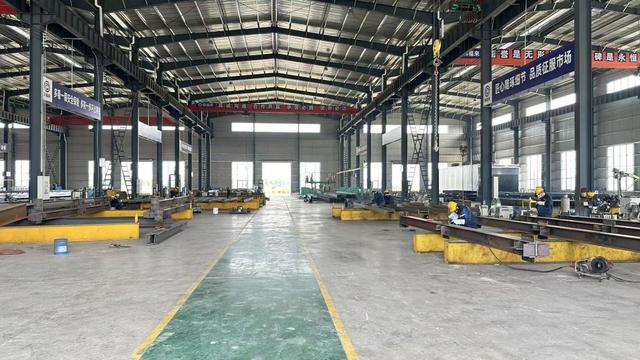
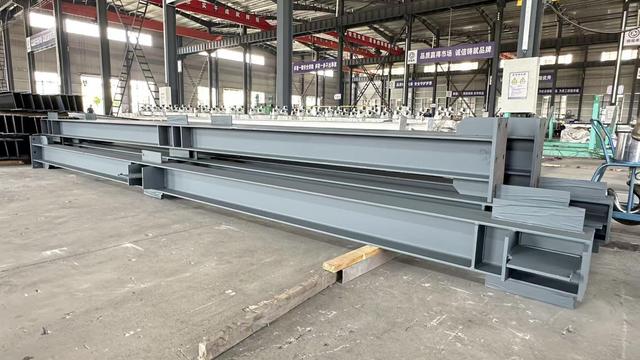
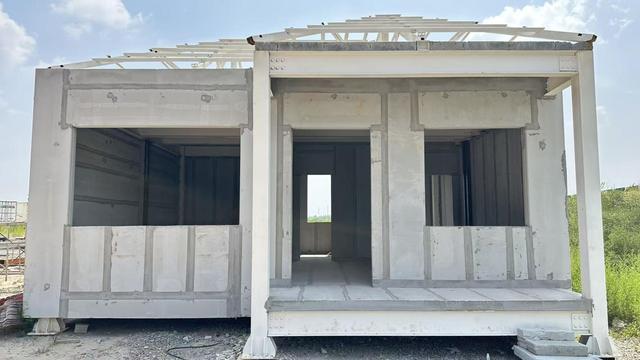
To ensure CE conformity and reliability in diverse climates, we follow a rigorous technical roadmap for pre-engineered metal buildings:
| Structural Element | Standard Materials Used | Design Methodology & Standard Compliance |
|---|---|---|
| Primary Frames (Columns/Beams) | Q355B, Q355C, ASTM A572 Grade 50, equivalent EN 10025 S355JR | Finite element calculations matching AISC, Eurocode 3 (EN 1993) standards. Welded via submerged arc welding. |
| Secondary Framing (Purlins, Girts) | Q235B, cold-formed Z or C sections, galvanized coating G90 (275g/m²) | ASTM A653 / EN 10346 specifications for structural efficiency and rust protection. |
| Wall & Roof Cladding | Single color-coated steel sheet (0.4-0.8mm) or Sandwich panels (PU/PIR/Glasswool) | Thermal conductivity values down to 0.022 W/m·K. Double-lock standing seam roofing systems. |
| Connection Hardware | High-strength bolts (Grade 8.8S, 10.9S) conforming to ISO 898-1 | Torque-controlled structural joints engineered for static and dynamic fatigue resistance. |
Steel is 100% recyclable, making it a sustainable choice for industrial construction. Our engineering focus minimizes scrap material by using nesting algorithms during raw sheet cutting. Roof layouts are optimized to support solar PV arrays, with calculated dead load allowances (e.g., 0.15-0.25 kN/m²) factored in during the initial design phase.
Answers to common structural questions regarding metal warehouses, CE compliance, and customization.
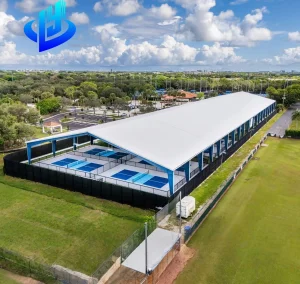
Complete architectural and engineering options for retail complexes, commercial facilities, aviation hangars, and specialized storage.
 Dhingia Build