Maintaining a pre-engineered metal building is essential for longevity and functionality. According to a report by the Metal Building Manufacturers Association, properly maintained metal structures can last 50 years or more. However, neglecting maintenance can lead to costly repairs and reduced lifespan.
Expert and industry leader, John Smith, emphasizes the importance of preventative care. He states, “Regular maintenance not only saves money but also ensures safety in metal buildings.” This highlights how to maintain a pre-engineered metal building is critical for both cost efficiency and safety compliance.
Every component has its role, from roofing to foundations. Inspections should focus on rust, corrosion, and structural integrity. Even minor issues can escalate into major problems if overlooked. Additionally, proper cleaning and upkeep are crucial. Planning a maintenance schedule is vital for successful management of these buildings.
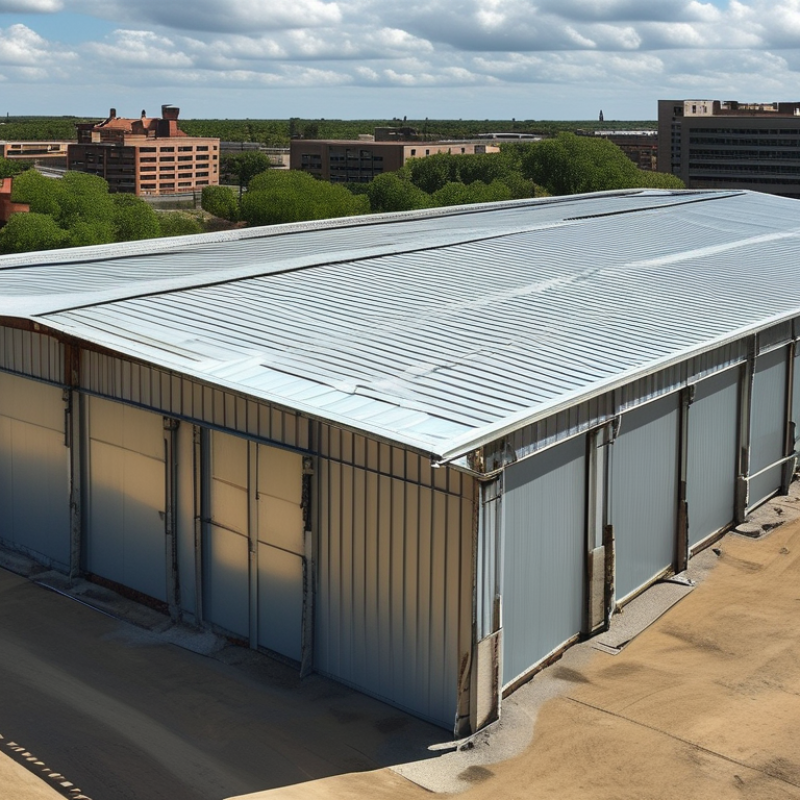
Regular maintenance is crucial for pre-engineered metal buildings. Studies show that neglecting maintenance can reduce the lifespan of these structures, leading to costly repairs. According to the Metal Building Manufacturers Association, a well-maintained metal building can last over 50 years. However, if maintenance is ignored, this lifespan can be significantly shortened.
One critical aspect of maintenance is routine inspections. Inspecting the roof, walls, and foundation regularly helps detect issues early. Look for rust or corrosion on metal surfaces. A small issue can escalate into a significant problem if left unaddressed. Keeping gutters clean is vital too. Clogged gutters can lead to water damage, affecting the building’s integrity.
Another important aspect is ensuring proper insulation. Proper insulation shields the building from temperature fluctuations. It helps maintain energy efficiency, which can reduce utility costs. Skipping insulation checks may lead to unexpected heating or cooling expenses.
Proper maintenance is not just about fixing problems; it's about preventing them too. Metal buildings require attention to detail to maintain their durability and functionality over time. Regular maintenance checks not only provide a safer environment but also significantly extend the overall lifespan of the structure.
Regular inspections are crucial for maintaining pre-engineered metal buildings. Key areas include the roof, walls, and foundation, which require close attention. According to industry reports, nearly 20% of structural issues arise from roof wear and tear. Inspect for rust, punctures, and dents. Remember, a small problem can escalate quickly. Quick repairs can save costs in the long run.
The walls of pre-engineered structures also need frequent assessments. Look for signs of corrosion or cracks. In a study by the Metal Building Manufacturers Association, nearly 30% of buildings showed significant deterioration in wall integrity after five years without proper maintenance. Regular painting can prolong the life of the building's exterior. Ensure drainage systems are clear to prevent water accumulation.
Finally, inspect the foundation regularly. Uneven settling can lead to serious structural issues. Over time, soil erosion can compromise stability. Adequate drainage and grading around the building can mitigate these risks. Building owners often overlook these areas. Comprehensive maintenance plans should address them to avoid costly repairs down the line. Regular checks and timely interventions are essential for longevity.
| Tip Number | Maintenance Area | Inspection Frequency | Description |
|---|---|---|---|
| 1 | Roof | Quarterly | Check for leaks, debris, and damage to panels. |
| 2 | Walls | Biannually | Inspect for rust, dents, or other structural issues. |
| 3 | Foundation | Annually | Look for cracks, settling, and moisture issues. |
| 4 | Doors and Windows | Monthly | Ensure seals are intact, and hinges function correctly. |
| 5 | Fasteners | Quarterly | Check tightness and wear of screws and bolts. |
| 6 | Gutters and Downspouts | Seasonally | Clear debris to prevent water damage. |
| 7 | Ventilation | Biannually | Inspect for blockages and ensure functionality. |
| 8 | Insulation | Annually | Check for gaps and degradation. |
| 9 | Electrical Systems | Annually | Inspect wiring, outlets, and lighting for safety. |
| 10 | Fire Safety Equipment | Monthly | Check fire extinguishers and alarms for functionality. |
Cleaning and maintaining a pre-engineered metal building is crucial for its longevity. Regular cleaning prevents the build-up of grime and dirt. Start with simple solutions like warm water and mild soap. Use a soft brush or cloth to remove surface debris. For stubborn stains, a mixture of vinegar and water can work wonders. Make sure to rinse thoroughly. This simple cleaning routine helps you maintain your building's appearance and protects it from corrosion.
Corrosion can be a significant issue for metal structures. It often originates from moisture and pollutants. To combat this, it's essential to conduct periodic inspections. Look for signs of rust or wear at joints and seams. Additionally, applying a protective coating can shield metal surfaces from damaging elements. Ensure that drainage systems are functioning correctly to prevent standing water. Addressing these areas can enhance the durability of your building.
Sometimes, even with the best practices, corrosion may still occur. Regular maintenance is key, but it's not foolproof. It’s important to reflect on the effectiveness of your cleaning and preventive measures. Are there areas that are regularly overlooked? Evaluating your maintenance routine helps identify gaps and improves long-term outcomes. Taking these steps can lead to a more resilient metal building.
Maintaining the roof and insulation of a pre-engineered metal building is crucial for longevity and performance. Start with regular roof inspections. Look for signs of rust or damage. A small crack today can lead to bigger issues tomorrow. These inspections should occur at least twice a year.
It's essential to clean the gutters regularly. Blocked gutters can cause water to pool on the roof, increasing the risk of leaks. Use a ladder safely and wear appropriate gear while cleaning. When possible, choose a dry day for this task. Wet surfaces can be slippery and dangerous.
Consider the insulation's condition too. Inspect for gaps or wear. Poor insulation can lead to energy loss. A simple patch might just do the trick. Maintaining a well-insulated space keeps heating and cooling costs in check.
Remember to document your maintenance activities. This not only helps in future planning but also provides a history of care. A comprehensive approach fosters a safe and efficient building environment.
Maintaining the structural integrity of a pre-engineered metal building is crucial. Regular inspections help identify potential issues early. Studies show that neglecting maintenance can lead to costly repairs, sometimes up to 30% of the original building cost. Monitoring the roof is essential. Roof damage can escalate due to weathering or drainage issues. An inspection once every season can prevent leaks and other structural problems.
Foundation checks are also vital. Cracks and shifting can indicate deeper issues. According to industry reports, even minor foundation damage can decrease a building’s lifespan by over 15%. Look for uneven floors or doors that don't close properly. These signs often point to foundation concerns. Regular maintenance, including checking fasteners and seals, is key. Rust or corrosion must be addressed to prevent structural degradation.
Proper lighting can enhance visibility during inspections, allowing for a thorough evaluation. It's worth noting that 20% of building owners forget to inspect smaller areas, often leading to unnoticed damage. Utilizing a checklist can ensure no area is overlooked. Fostering a culture of maintenance among employees can be beneficial. Regular awareness sessions could help reinforce the importance of structural integrity.
: Regular maintenance extends the lifespan of metal buildings and prevents costly repairs. Neglecting it can lead to serious issues.
Inspections should be conducted at least once every season. This helps identify potential issues before they escalate.
Check for rust, cracks, and corrosion. Observe the roof, walls, and foundation closely. Minor issues can become major problems.
Clean the surfaces regularly with warm water and mild soap. Apply protective coatings to shield against moisture and pollutants.
Yes, it helps maintain energy efficiency and prevents unexpected expenses. Neglecting insulation checks can lead to temperature issues.
Look for uneven floors or doors that don't close properly. These may indicate deeper foundation concerns requiring immediate attention.
Absolutely. Neglecting regular checks can result in repairs costing up to 30% of the original building cost over time.
Evaluate your practices regularly. Identify overlooked areas and adjust your routine to ensure thorough inspections and upkeep.
Use a mixture of vinegar and water for stubborn stains. Always rinse thoroughly to prevent residue build-up that can cause corrosion.
Good lighting enhances visibility and helps spot potential problems. Many owners forget to check smaller areas that may be vulnerable.
Maintaining a pre engineered metal building is crucial for ensuring its longevity and structural integrity. Regular maintenance helps prevent issues such as corrosion and deterioration, which can compromise the overall functionality of the structure. To effectively maintain a pre engineered metal building, key areas to inspect include the framework, roof, and insulation. Implementing best practices for cleaning and preventing corrosion will significantly enhance the durability of the metal.
Additionally, it is important to regularly check and maintain the structural integrity, focusing on the connections and stress points. Tips for roof maintenance should not be overlooked, as proper insulation and drainage can prevent water damage and other related issues. By understanding the essential aspects of how to maintain a pre engineered metal building, owners can preserve their investment and ensure a safe environment.

Dhingia Build