When considering construction for commercial or industrial projects, one crucial question arises: how strong are pre engineered metal buildings? Industry reports show that these structures often exceed traditional building methods in durability and resilience. According to a study by the Metal Building Manufacturers Association, pre-engineered metal buildings can withstand extreme weather conditions, including high winds and heavy snow loads.
The strength of these buildings is further enhanced by advanced engineering techniques. Steel, one of the primary materials used, boasts a high strength-to-weight ratio. This allows for longer spans and larger interior spaces without the need for excessive support columns. However, while the inherent strength is impressive, it is important to evaluate how these buildings will perform in your specific context. Factors like local climate and intended use can significantly influence their effectiveness.
Pre engineered metal buildings also present a cost-effective solution. Construction timelines are typically shorter, leading to reduced labor costs. Nonetheless, a careful analysis is key. While many structures endure, potential design flaws or inappropriate applications can undermine overall strength. Making informed decisions driven by expert insights can ultimately lead to optimal results in your building project.
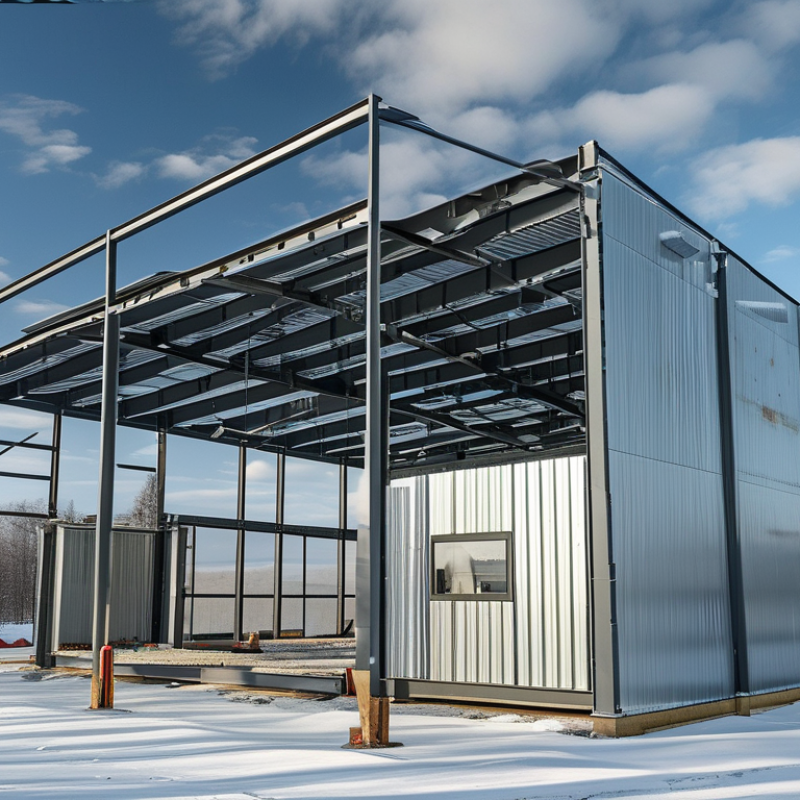
Understanding Pre Engineered Metal Buildings and Their Strength
Pre engineered metal buildings are becoming popular for various construction needs. Their strength is a key factor in this trend. These structures are designed with steel, a material known for its durability. They can withstand heavy snow loads, strong winds, and even seismic activity. When assessing their strength, it's essential to consider the design and materials used. Not every building is created equal.
The construction process often involves pre-fabrication, which allows for precise engineering. This can lead to a faster assembly on-site. However, it's crucial to verify that local building codes are met. Some builders may overlook certain regulations, leading to potential issues.
Inspecting the quality of materials before installation is also vital. Observing the longevity of these buildings can be revealing. Many owners report that with proper maintenance, their structures endure for decades. Yet, not all buildings perform as expected. Some may face rust issues or weak joints. Regular inspections can help identify these problems early, ensuring safety and structural integrity. Understanding these factors is key to making informed decisions.
Key Factors Influencing the Strength of Metal Buildings
When considering the strength of pre-engineered metal buildings, several key factors come into play. Material quality is paramount. High-grade steel provides superior durability and resistance to weather conditions. This ensures that the buildings can withstand harsh climates and heavy loads.
Design also plays a crucial role. Engineers must consider local environmental conditions during the planning phase. A structure designed for a snow-heavy area needs different specifications than one in a hurricane-prone region. Poor initial design can lead to structural failures over time, often visible in rusting or bending earlier than expected.
Construction techniques influence strength as well. The quality of welding and bolting affects the overall integrity of the building. Each joint should be meticulously crafted to avoid weak points. Learning from past construction mistakes in similar buildings can offer insights for improvement. Striking a balance between efficiency and robustness can be challenging. Ultimately, evaluating these factors will help in selecting a pre-engineered metal building that meets specific strength requirements.
Applications of Pre Engineered Metal Buildings in Various Industries
Pre-engineered metal buildings have gained popularity in various industries due to their strength and versatility. These structures can be customized for different applications, making them suitable for manufacturing, warehousing, and even retail spaces. The design process allows for significant flexibility, which can accommodate unique business needs. This adaptability often leads to cost savings and shorter construction times.
In the agricultural sector, pre-engineered metal buildings serve as ideal storage solutions. They can house equipment, livestock, and crops. Farmers appreciate the durability of these structures, especially in harsh weather conditions. Similarly, in the commercial sector, many retailers use them as distribution centers. Their open layouts facilitate efficient operations, enabling businesses to streamline logistics.
While pre-engineered metal buildings offer many advantages, potential buyers should consider specific requirements. Factors like insulation, ventilation, and local building codes must be taken into account. Some projects may require additional reinforcement, especially in areas prone to severe weather. Therefore, engaging with experienced professionals can provide valuable insights into the design and construction process.
Comparative Strength Analysis: Metal vs. Traditional Building Materials
When comparing the strength of pre-engineered metal buildings to traditional materials, several key factors come to light. Steel, a primary component of metal buildings, boasts a tensile strength of approximately 60,000 psi. This surpasses the typical 35,000 psi for wood and 5,000-10,000 psi for concrete. Such data from the American Institute of Steel Construction highlights the superior load-bearing capacity of metal structures.
Moreover, metal buildings exhibit remarkable resistance to environmental stressors. They are less prone to rot, pests, and warping compared to wood structures. According to a report by the Metal Building Manufacturers Association, metal buildings can withstand wind loads of up to 150 mph. In contrast, conventional buildings often require additional reinforcements to meet similar standards.
However, considerations remain. The thermal conductivity of metal can lead to inefficiencies in energy use if not properly insulated. Additionally, while metal offers strength, it can be susceptible to corrosion without protective coatings. Weighing these aspects is crucial for ensuring the longevity and performance of the building. Understanding these differences enables a more informed decision tailored to specific needs.
How Strong Are Pre Engineered Metal Buildings for Your Needs? - Comparative Strength Analysis: Metal vs. Traditional Building Materials
| Building Material |
Compressive Strength (psi) |
Tensile Strength (psi) |
Resistance to Weather |
Maintenance Needs |
Lifespan (years) |
| Pre-Engineered Metal Buildings |
30,000 |
50,000 |
Excellent |
Low |
50+ |
| Wood Frame Buildings |
5,000 |
10,000 |
Good |
Moderate |
30-50 |
| Concrete Buildings |
4,000 |
7,000 |
Excellent |
High |
50+ |
| Brick Buildings |
3,500 |
5,500 |
Good |
High |
50+ |
Long-Term Durability and Maintenance of Pre Engineered Metal Structures
Pre-engineered metal structures are known for their long-term durability. They can withstand harsh weather conditions, including heavy winds and snow loads. The materials used in these buildings are resistant to corrosion and decay. This ensures they maintain structural integrity over time. Owners will appreciate that metal buildings require less maintenance compared to traditional structures. Regular inspections and minor repairs usually suffice.
However, it's essential to recognize potential challenges. Despite their durability, metal can be affected by temperature fluctuations. This can lead to expansion and contraction issues, affecting seals and joints. Property owners must address these concerns proactively. Ensuring proper insulation and ventilation is crucial. Neglecting these factors may result in increased energy costs.
In some cases, aesthetic appeal could be a concern. While metal buildings are functional, some may find them less visually pleasing than other materials. Customization options exist but could lead to higher costs. Reflecting on your needs is vital before deciding. Weighing durability against potential maintenance needs will guide your choice effectively.
FAQS
: They are used for manufacturing, warehousing, retail spaces, and agricultural storage.
Farmers appreciate their durability and ability to protect equipment and crops from harsh weather.
Their open layouts enhance logistics and streamline operations for distribution centers.
They should consider insulation, ventilation, and local building codes for their specific needs.
Temperature fluctuations can cause expansion issues, affecting seals and joints.
They need less maintenance than traditional structures, but regular inspections are necessary.
Some find them less visually appealing than other materials, but customization is available.
Yes, custom options can lead to higher costs, which should be reflected upon seriously.
Proper insulation is crucial; neglecting it may increase energy expenses significantly.
Yes, experienced professionals provide valuable insights into design and construction needs.
Conclusion
Pre engineered metal buildings have gained popularity due to their impressive strength and resilience, making them suitable for various applications across multiple industries. When evaluating how strong are pre engineered metal buildings, several key factors come into play, including the materials used, design specifications, and construction methods.
Comparative strength analysis with traditional building materials highlights the advantages of metal structures, which often provide enhanced durability and lower maintenance costs over time. Understanding these aspects is crucial for businesses and individuals looking to invest in long-lasting, effective building solutions. Overall, the long-term durability of pre engineered metal structures positions them as a robust choice for diverse construction needs.

 Dhingia Build