The construction industry often faces the challenge of balancing cost and quality. One question emerges: "are pre engineered buildings cheaper than traditional buildings?" This inquiry is essential for business owners and developers juggling budgets and timelines. Pre-engineered buildings, designed off-site, promise efficiency. They often reduce labor costs and construction time. However, the upfront investment can be a concern.
While many claim pre-engineered solutions save money, the reality is more complex. Regional factors, material prices, and project size influence costs. Relying on standard designs may not suit all needs. Customization can drive expenses up. Thus, the perceived savings may not be universal.
Real-world examples illustrate these nuances. A small warehouse might benefit greatly from a pre-engineered approach. Yet, a large facility may require significant alterations, diminishing savings. Ultimately, both options have merits. Understanding these differences can lead to informed decisions in construction projects.
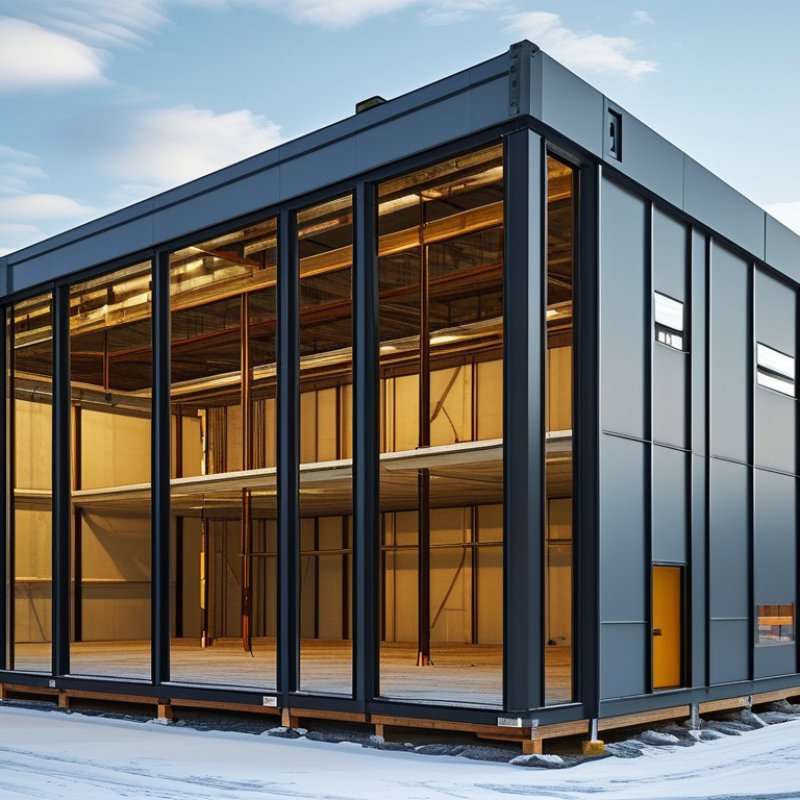
Pre-engineered buildings (PEBs) offer a modern approach that is often more cost-effective than traditional construction. According to a report by the National Institute of Building Sciences, PEBs can save up to 30% in overall costs. The streamlined manufacturing process minimizes waste and optimizes material usage. This efficiency leads to reduced labor costs and shorter construction timelines.
Traditional buildings often require extensive site labor and complex designs. A survey from the Construction Industry Institute indicates that labor costs can account for 40% of a project's budget. In contrast, PEBs utilize standardized components, which require less on-site labor. However, it is essential to consider site-specific factors, such as land grades and local regulations. These factors can impact the effectiveness of cost savings.
Some industry experts argue that while PEBs are cost-efficient, they may lack the architectural flexibility of traditional structures. Customization can come with additional costs. Understanding the long-term needs of a project is crucial. Balancing immediate savings with future adaptability requires careful consideration. The decision should be based on both short-term budgets and long-term goals.
Pre-engineered buildings (PEBs) have gained popularity for their efficiency in construction timelines. These structures are designed and fabricated off-site. This method significantly reduces on-site labor, leading to faster completion. In many cases, PEBs can be assembled in just a few weeks. Traditional buildings, on the other hand, often take months or even years to complete, depending on complexity.
The construction efficiency of PEBs is notable. Their components arrive pre-cut and ready to fit together, which minimizes delays. However, this can sometimes lead to challenges. If design changes occur late in the process, it can disrupt the entire timeline. Furthermore, while the initial speed is appealing, it may lead to overlooked details or quality issues. Teams need to carefully monitor assembly to ensure standards are met.
Cost-effectiveness also plays a role in this discussion. Faster construction may lower labor costs but can increase the risk of mistakes. Investing more time in planning can yield better results. Reflecting on these aspects ensures that while PEBs offer speed, the quality of construction should never be compromised. Time efficiency must align with comprehensive site management practices for optimal outcomes.
When comparing long-term maintenance costs between pre-engineered buildings and traditional structures, several factors come into play. Pre-engineered buildings often feature high-quality materials and finishes designed for durability. This can lead to reduced maintenance needs over time. In contrast, traditional buildings may require more frequent repairs due to age and material wear.
Tips: Conduct a thorough inspection before purchasing either type of building. Check for insulation, roofing, and structural integrity. These factors significantly impact future maintenance needs.
Pre-engineered buildings typically have simpler designs, allowing for easier access to critical components. This can reduce labor costs during repair work. However, some pre-engineered options may use materials that are sensitive to specific environmental conditions, which can lead to unexpected maintenance costs. It's crucial to consider the local climate when evaluating options.
Tips: Keep up with regular maintenance schedules to avoid costly repairs. Document all maintenance work, as this can help identify patterns over time.
In essence, while pre-engineered buildings often promise lower long-term costs due to their design and materials, the specific circumstances of each project should be weighed carefully. The choice ultimately depends on factors such as location, materials, and intended use.
Pre-engineered buildings (PEBs) stand out in the construction landscape due to their efficient material use. Reports indicate that PEBs can reduce waste by up to 30% compared to traditional building methods. This reduction is largely driven by modular design, which allows for precise cutting and efficient utilization of raw materials. Steel, often used in PEBs, has a robust recycling rate of about 90%. This high recyclability contributes to sustainability and lowers the environmental impact.
Construction delays contribute significantly to project costs. PEBs can reduce construction time by as much as 50%. This efficiency not only saves money but also mitigates the impact of material waste that typically accumulates during longer build times.
However, reliance on pre-engineered options raises questions about design flexibility. Some projects might suffer from limited adaptability in future expansions or modifications. This highlights the need for careful planning.
The economic benefits of PEBs are clear, but they are not without drawbacks. A report by the Steel Construction Institute noted that while initial costs may be lower, the long-term implications of material choices require reflection. Builders must consider how upfront savings may affect future sustainability goals. As construction continues to adapt, the choice between PEBs and traditional methods should be informed by both immediate financial metrics and long-term environmental impacts.
Pre-engineered buildings offer remarkable flexibility and scalability compared to traditional construction methods. These structures are designed off-site and assembled on location, leading to reduced construction time. According to a report by the Construction Industry Institute, off-site construction can cut project durations by up to 50%. This accelerated timeline allows businesses to occupy their facilities sooner, improving their return on investment.
The scalability of pre-engineered buildings is particularly beneficial for growing businesses. They can easily be expanded or modified to suit changing needs. A survey by McKinsey & Company highlights that 60% of companies prefer adaptable building designs to accommodate future growth. This adaptability is often lacking in traditional construction, which may lead to higher renovation costs down the line.
Tips: When considering construction options, assess your long-term needs. Think about your future requirements before committing to a design. An adaptable structure may save you money in the long run.
Tip: Consider local climate impacts. Pre-engineered buildings can be designed with energy efficiency in mind. This option can reduce ongoing operational costs significantly.
This chart compares the average cost per square foot of pre-engineered buildings and traditional construction methods, highlighting how pre-engineered buildings can offer significant savings.
: Pre-engineered buildings generally have lower maintenance costs due to durable materials. Traditional buildings often need more repairs over time.
Conduct a thorough inspection. Check insulation, roofing, and structural integrity to understand potential maintenance requirements.
They have simpler designs, which allow for easier access to components. This can lower labor costs during repairs.
Yes, some materials may react poorly to certain environmental conditions. This can lead to unexpected maintenance expenses.
Keeping up with regular maintenance can prevent costly repairs. Documenting all maintenance helps identify patterns that could save money.
Yes, they can cut waste by up to 30% due to modular design and precise material usage. This is beneficial for sustainability.
They offer excellent flexibility. Easy modifications align with changing business requirements, unlike traditional structures that may incur high renovation costs.
They may lack design adaptability in some cases. Builders need to weigh initial cost savings against long-term sustainability needs.
Local climate can impact the durability of materials used in pre-engineered buildings. It’s essential to consider these factors during planning.
Considering future requirements can prevent costly renovations. An adaptable design may result in significant savings over time.
The article explores whether pre-engineered buildings (PEBs) are cheaper than traditional buildings by analyzing various cost factors. A comparison of construction and long-term maintenance costs reveals that PEBs often provide a more cost-effective solution due to streamlined construction processes and lower upkeep requirements. Additionally, the use of materials in PEB design leads to significant waste reduction, further enhancing their affordability.
Furthermore, the flexibility and scalability of pre-engineered structures allow for quick modifications and expansions, which can be a significant advantage over traditional construction methods. Overall, the findings suggest that pre-engineered buildings are not only more efficient in terms of construction time but also present a viable option for those looking to minimize costs, leading to the question: are pre-engineered buildings cheaper than traditional buildings? The evidence leans toward a positive answer, highlighting their growing popularity in the construction industry.

Dhingia Build