What Permits Do You Need for Metal Buildings in 2026?

Time:2026-08-27 Author:Oliver
0%

In 2026, the construction of metal buildings is subject to specific regulatory requirements. Understanding what permits are required for metal buildings is essential for developers and builders. Recent industry reports indicate that over 70% of construction projects face delays due to permit issues. Proper documentation and compliance can save both time and resources.

Local regulations vary significantly, leading to confusion. Some regions may require environmental assessments, while others focus on safety codes. A study from the National Association of Home Builders reveals that nearly 55% of builders report challenges in navigating these permit processes. This highlights the need for expertise in local regulations and codes.

Awareness of permit requirements also ensures safety and sustainability. Metal structures often involve unique considerations, such as zoning laws and construction materials. By staying informed, builders can avoid costly mistakes and delays. The process may seem daunting, but clear knowledge of what permits are required for metal buildings leads to more efficient and compliant projects.
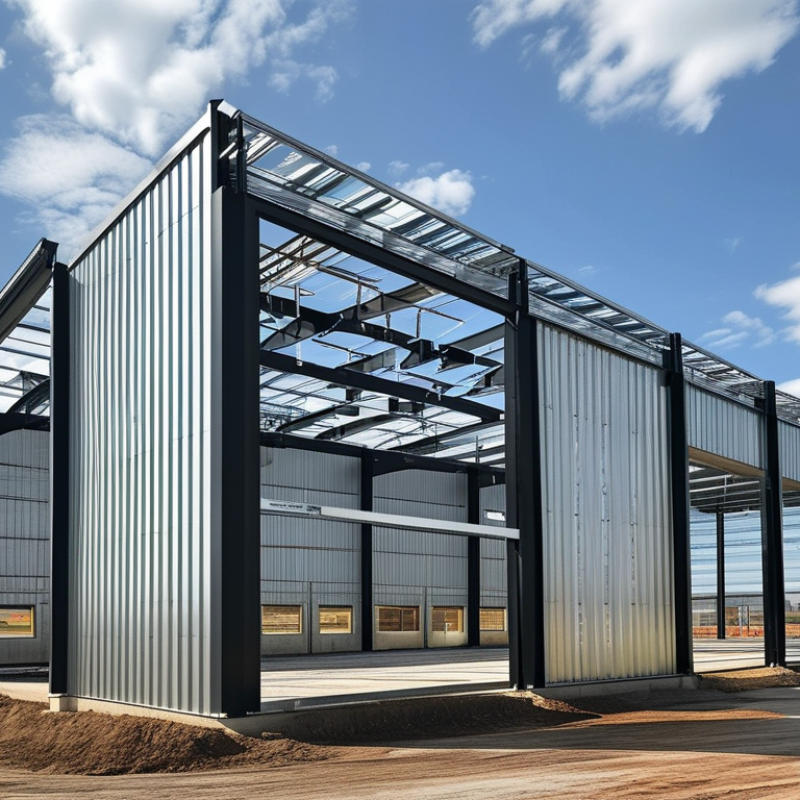
What Permits Do You Need for Metal Buildings in 2026?

Overview of Metal Building Permitting Requirements in 2026

Understanding the permitting requirements for metal buildings in 2026 is crucial for anyone considering construction. Various jurisdictions have specific regulations that influence the permit process. For instance, a 2022 industry report indicated that 75% of building projects face delays due to improper permitting. This emphasizes the need for accurate knowledge of local requirements.

In 2026, the need for structural integrity and environmental compliance is more pronounced. Many regions, particularly in seismic or flood-prone areas, now require specialized documentation. Statistically, 30% of metal building projects fail to meet these updated codes, leading to costly redesigns or legal issues. Understanding these necessities can save time and expense.

Notably, the trend towards sustainability has also impacted permitting. Authorities now prioritize eco-friendly materials and energy efficiency in their guidelines. The rise of green building practices means that builders must demonstrate compliance with stricter standards. Sadly, many still overlook these critical aspects, resulting in project halts and fines. Therefore, thorough preparation and knowledge are essential before embarking on construction.

Types of Permits Needed for Metal Structures

When planning to construct a metal building, it’s crucial to understand the permits required. Various types of permits govern the construction of metal structures in different regions. Building permits are the most common type. They ensure that your project complies with local building codes. These codes vary significantly, so always verify with your local authority.

Depending on the project, you might also need special permits. Environmental permits may be necessary if your building disturbs local ecosystems. Zoning permits regulate land use. They ensure that your metal structure aligns with existing urban plans. Additionally, you may require electrical or plumbing permits if your project includes these systems. Each permit requires specific documentation. Gathering these materials can be time-consuming, but it's essential to avoid legal issues later.

It's not uncommon for builders to overlook permit requirements. This oversight can lead to delays and fines. Understanding these permits ensures a smoother construction process. It can also protect your investment in the long term. Relying on experienced professionals can help avoid common pitfalls. However, remember that regulations can change, so stay updated. Regularly check with your local authority for any updates.

Permits Required for Metal Buildings in 2026

Local vs. State Permitting for Metal Buildings

When considering metal buildings in 2026, understanding local versus state permitting is crucial. Local authorities often have more specific regulations. They focus on community aesthetics, environmental impact, and building codes. These regulations can differ significantly from state ones. Make sure to consult your local zoning office for clarity.

Navigating state permitting can be tricky. States offer broad regulations but can impose strict guidelines on metal structures. This may include materials, structural integrity, and energy efficiency standards. Staying informed about both local and state requirements is essential for a smooth building process.

It’s wise to keep open communication with local officials. Ask about common pitfalls. Many builders overlook certain permits and face delays. Document every step and keep a checklist of requirements. A proactive approach helps prevent setbacks. Always review your project plans regularly to ensure compliance with current laws.

Steps to Apply for Metal Building Permits

Applying for permits for metal buildings in 2026 involves several crucial steps. Begin by checking local zoning laws. Each area has different regulations that govern where metal structures can be built. It's essential to understand these rules before proceeding. After zoning verification, gather all necessary documentation. This typically includes architectural plans, engineering reports, and site plans.

Engaging with local authorities is key. A pre-submission consultation can provide invaluable insights into specific requirements. Many jurisdictions offer online resources that detail the permitting process. Utilize these tools to examine timelines and fees. Remember that communication with officials is vital. Be prepared for questions or additional requests.

Consider these tips to streamline your application process. Organize your documents early. Create a checklist of required materials. Double-check everything for accuracy. Small errors can lead to delays. Lastly, be proactive in following up with the permitting office. While their process may feel slow, maintaining regular contact can often clarify misunderstandings. Relying solely on their timeline can leave you frustrated.

Common Challenges in the Permitting Process for Metal Buildings

Navigating the permitting process for metal buildings can be daunting. Many applicants face unexpected hurdles. The intricacies of local regulations often create confusion. Understanding what permits are necessary is crucial. Each locality has its own rules and requirements. This can result in delays and added costs.

Permitting often involves multiple agencies. Each agency reviews documents in detail, which can slow down the process. Applicants might need to revise plans multiple times. This back-and-forth can be frustrating. It raises questions about the effectiveness of communication between applicants and officials. Sometimes, important information is lost in translation.

Building codes are another common challenge. They evolve frequently, meaning what was acceptable last year may no longer apply. Staying informed can be overwhelming. The need for professional advice becomes evident. Engaging with experts can ease some of these burdens. However, this can also lead to disagreements over interpretations of codes. Flexibility and patience are essential throughout this journey.

What Permits Do You Need for Metal Buildings in 2026? - Common Challenges in the Permitting Process for Metal Buildings

Permit Type Description Common Challenges Typical Processing Time Cost Range
Building Permit Required for any new metal structure. Zoning issues and local regulations compliance. 4-6 weeks $500 - $2,000
Environmental Permit Needed if site impacts environment. Extensive documentation and potential for public hearings. 3-12 months $1,000 - $5,000
Fire Department Approval Ensures compliance with fire codes. Inspections and modifications often required. 2-4 weeks $200 - $1,000
Utility Permits Required for connections to utilities. Coordination with utility companies and inspections. 1-2 months $100 - $500
Sign Permit Needed for any signage on the building. Local zoning regulations may limit sign types. 2-3 weeks $50 - $300

FAQS

: Why is understanding permitting requirements for metal buildings important?

: Knowing permitting requirements can prevent project delays and costly redesigns. Many projects face issues due to improper permits.

What types of permits are typically required for metal structures?

Building permits are common. Environmental, zoning, electrical, and plumbing permits may also be necessary depending on the project.

How can environmental compliance affect metal building projects?

Increased focus on environmental compliance means stricter documentation is often required, especially in sensitive areas.

What happens if a builder ignores permit requirements?

Ignoring permits can lead to project delays and fines. It may also result in significant legal issues.

How can builders ensure they meet updated building codes?

Regularly check with local authorities and gather the necessary documentation for compliance with current codes.

Why is there a shift toward sustainability in building permits?

Authorities prioritize energy efficiency and eco-friendly materials, reflecting a growing trend toward green building practices.

What are the consequences of failing to meet updated codes?

Failing to comply can lead to costly redesigns, legal trouble, and halted projects. Awareness is key.

How can builders avoid common permit pitfalls?

Relying on experienced professionals and staying informed can help navigate complex regulations and prevent issues.

What role does documentation play in the permitting process?

Proper documentation is crucial. It validates compliance and can save time, money, and stress during construction.

Are all jurisdictions the same regarding building permits?

No, building codes and permits vary widely by region. Always verify local requirements before starting a project.

Conclusion

In 2026, understanding what permits are required for metal buildings is essential for successful construction and compliance with local regulations. Metal building permitting requirements typically encompass various permits, including building permits, zoning permits, and possibly environmental permits, depending on the project's scope and location. It's crucial to distinguish between local and state permitting, as municipalities may have specific guidelines that differ from state regulations.

The application process for metal building permits generally involves several steps, such as submitting detailed plans, obtaining approvals from relevant authorities, and ensuring compliance with safety codes. However, many applicants face common challenges during this process, including navigating bureaucratic hurdles and meeting specific design requirements. By being informed about these aspects, builders can better prepare for acquiring the necessary permits and streamline their construction timelines.

Oliver

Oliver

Oliver is a seasoned marketing professional with a wealth of expertise in driving brand awareness and engagement. With a deep understanding of our company's product offerings, he consistently delivers high-quality content that enriches our professional blog. His insights not only shed light on......