In recent years, the question "are metal buildings energy efficient?" has garnered significant attention among business owners. A report by the U.S. Department of Energy reveals that metal buildings can reduce energy costs by up to 30% compared to traditional structures. This statistic highlights their potential to lower overhead expenses in a competitive market.
Industry expert Dr. Emily Carter emphasizes the importance of energy efficiency: “Metal buildings not only offer durability but also innovative insulation options.” This statement underscores the evolving technology in metal construction. Insulation improvements can significantly enhance a building's thermal performance, making these structures viable for diverse business needs.
However, there are challenges to consider. Not all metal buildings are created equal in terms of energy conservation. Some designs may overlook advanced energy-efficient systems, leading to increased utility bills. Business owners must evaluate their specific needs and the building’s design. The question remains: are metal buildings energy efficient for your unique operational demands?
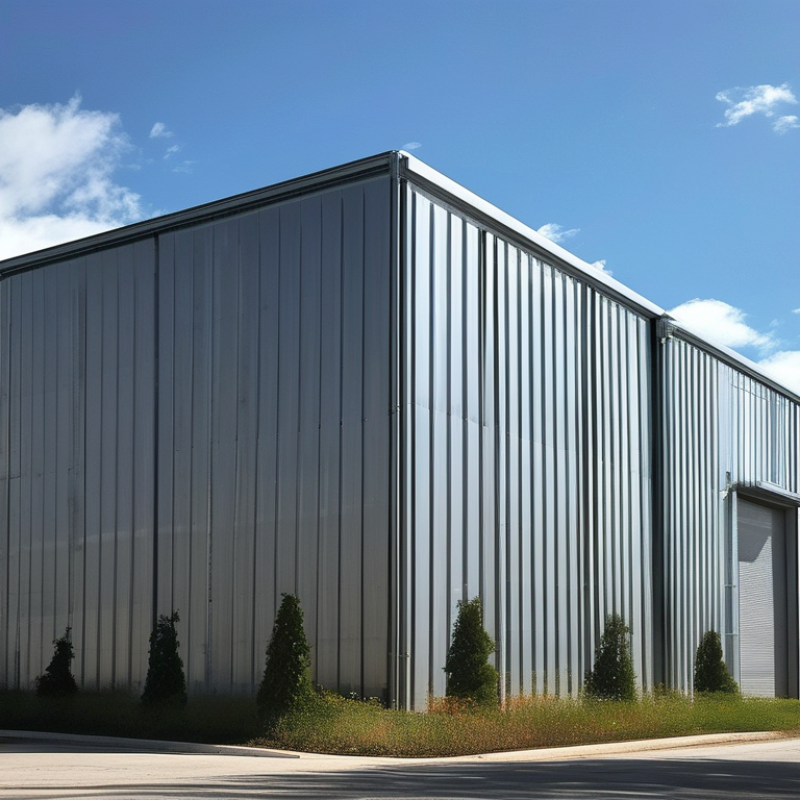
Metal Buildings: An Overview of Energy Efficiency
Metal buildings have gained popularity due to their energy efficiency. They offer significant advantages for businesses actively seeking to lower energy costs. The insulation properties of metal structures contribute to maintaining a stable temperature inside, which can reduce heating and cooling expenses.
Beyond insulation, many metal buildings are designed to maximize natural light. Skylights can illuminate large areas without increasing energy use. This reduces reliance on artificial lighting during daytime. However, too much sunlight can create glare and heat when not properly controlled. Businesses must consider these factors when designing their spaces.
It's also essential to assess how the materials used can impact overall sustainability. While metal is often praised for durability, the production process can be energy-intensive. Reflecting on this can push businesses to seek recycled materials. Energy-efficient windows and roofing can complement the metal structure, further enhancing efficiency. Evaluating these elements holistically is crucial for making informed decisions.
Understanding the Insulation Properties of Metal Structures
When considering metal buildings for business, insulation plays a crucial role. Metal structures often have high thermal conductivity, which can lead to significant energy losses. According to the U.S. Department of Energy, proper insulation can reduce heating and cooling costs by up to 50%. This makes it vital for business owners to assess insulation options carefully.
There are various insulation materials, such as fiberglass, spray foam, and reflective barriers. Fiberglass insulation, for instance, provides a good balance between cost and energy efficiency. However, it may not deliver the same performance under extreme temperatures compared to spray foam. Research indicates that spray foam can offer an R-value of 6 to 7 per inch, whereas fiberglass typically ranges from 2.9 to 4.3 per inch. This variability can affect overall building comfort.
Reflective barriers can also improve energy efficiency in metal buildings. These barriers work by reflecting radiant heat away, which is particularly beneficial in warmer climates. Yet, their effectiveness can diminish over time if not installed correctly. Assessing these factors will help owners optimize energy use in metal structures, enhancing both sustainability and cost-effectiveness.
Energy Consumption Comparisons: Metal vs. Traditional Buildings
When evaluating energy consumption, metal buildings often present significant advantages. Their design leverages reflective surfaces, which helps reduce heat absorption. This streamlined construction can dramatically lower cooling costs. Traditional structures may demand more energy to maintain comfortable indoor temperatures. The materials used in traditional buildings often absorb and retain heat, leading to higher energy bills.
Insulation is another key factor in the energy efficiency debate. Metal buildings can feature advanced insulation systems, minimizing energy loss. In contrast, traditional buildings may struggle to maintain consistent temperatures. Poor insulation can lead to drafts and wasted energy. This inefficiency can affect both comfort and operating costs.
However, not all metal buildings are created equal. There are factors to consider, such as local climate and building usage. Some businesses might experience drawbacks, particularly in extreme weather conditions. Ensuring proper ventilation and temperature control is crucial for any building type, including metal. Balancing energy efficiency with usability often requires thoughtful planning and design.
Cost-Effectiveness of Energy Savings in Metal Buildings
Metal buildings have gained traction for their energy efficiency in various business needs. A report by the U.S. Department of Energy indicates that metal structures can reduce energy consumption by as much as 25%. This efficiency is largely due to superior insulation and reflective roofing materials that minimize heat absorption. Such features not only lower energy bills but also enhance the overall comfort within the building.
The cost-effectiveness of energy savings is significant. For instance, a study conducted by the Metal Building Manufacturers Association highlights that energy-efficient designs can lead to savings of up to $10,000 per year for some businesses. While initial construction costs can be higher, the long-term savings often outweigh these expenses. Additionally, the structural longevity of metal buildings means less frequent replacements, further contributing to financial prudence.
However, business owners must consider local climate and energy rates. A metal building might not be the best solution in every situation. Some regions experience extreme temperatures where alternative building types could offer better performance. Reviewing multiple options is wise before making a final decision. Balancing upfront costs and potential energy savings requires careful thought.
Sustainable Practices and Innovations in Metal Construction
Sustainable practices in metal construction are revolutionizing the industry. Metal buildings are often designed to maximize energy efficiency. According to a report by the U.S. Department of Energy, metal structures can reduce energy consumption by up to 30%. This figure highlights their potential for energy savings in various business applications.
Innovative insulation techniques also contribute to their sustainability. Reflective roofing materials help reduce heat absorption. A study from the Metal Building Manufacturers Association indicates that these materials can cut cooling costs significantly. Despite these advancements, not all metal buildings utilize these techniques. Many still rely on outdated methods that fall short of potential savings.
Recycling is another critical aspect. Steel is one of the most recycled materials in the world. The American Iron and Steel Institute states that over 90% of steel can be recycled without loss of quality. However, businesses may overlook this option. This can lead to added waste and environmental impacts. Sustainable practices in metal construction offer great potential, but ongoing reflection and adaptation are necessary for maximizing their benefits.
FAQS
: Metal buildings can significantly lower energy costs. They maintain stable temperatures, reducing heating and cooling expenses.
High thermal conductivity can cause energy loss. Proper insulation can reduce heating and cooling costs by up to 50%.
Common materials include fiberglass, spray foam, and reflective barriers. Each has varying costs and efficiency levels.
Skylights can illuminate spaces without artificial light. However, they can also cause glare and extra heat if mismanaged.
Recycling metal reduces waste and environmental impact. Over 90% of steel can be recycled without losing quality.
Reflective barriers deflect radiant heat, aiding energy efficiency, especially in warmer climates. Proper installation is crucial for effectiveness.
Not all buildings utilize advanced energy-saving technologies. Some still use outdated methods that limit potential savings.
Sustainable practices can revolutionize the industry. They often lead to significant reductions in energy consumption and waste.
Extreme temperatures can influence insulation performance. Some materials perform better under specific climate conditions.
Consider the sustainability of materials. It's essential to weigh energy efficiency against the production process's environmental impact.
Conclusion
In exploring the question, "are metal buildings energy efficient for your business needs?" this article provides a comprehensive overview of the energy efficiency of metal structures. It begins by examining the unique insulation properties of metal buildings, which significantly contribute to their ability to maintain temperature control and reduce energy consumption. By comparing energy usage between metal and traditional buildings, it becomes clear that metal structures often perform better in terms of energy efficiency.
Furthermore, the article delves into the cost-effectiveness of these energy savings, highlighting that the initial investment in metal buildings can lead to substantial long-term benefits. Finally, it discusses innovative sustainable practices in metal construction, indicating a growing trend towards eco-friendly building methods. Overall, the evidence presented supports the conclusion that metal buildings are indeed energy efficient, making them a viable option for businesses seeking to reduce operational costs and environmental impact.

 Dhingia Build