Pre-engineered metal buildings are increasingly popular due to their durability and cost-effectiveness. As we look toward 2026, many people wonder, "how long do pre engineered metal buildings last?" This question is significant for businesses considering construction investments. Understanding the longevity of these structures can influence decision-making.
Metal buildings typically have a lifespan of 30 to 50 years with proper maintenance. Factors like climate, usage, and construction quality play vital roles in longevity. For instance, buildings in harsh weather might face deterioration faster. Regular inspections and proper treatments can extend their lifespan.
However, some challenges exist. Owners may overlook necessary maintenance due to budget constraints or lack of knowledge. Ignoring minor repairs can lead to major issues. Therefore, understanding how to care for these buildings is crucial. Balancing short-term costs with long-term investments is vital for lasting benefits.
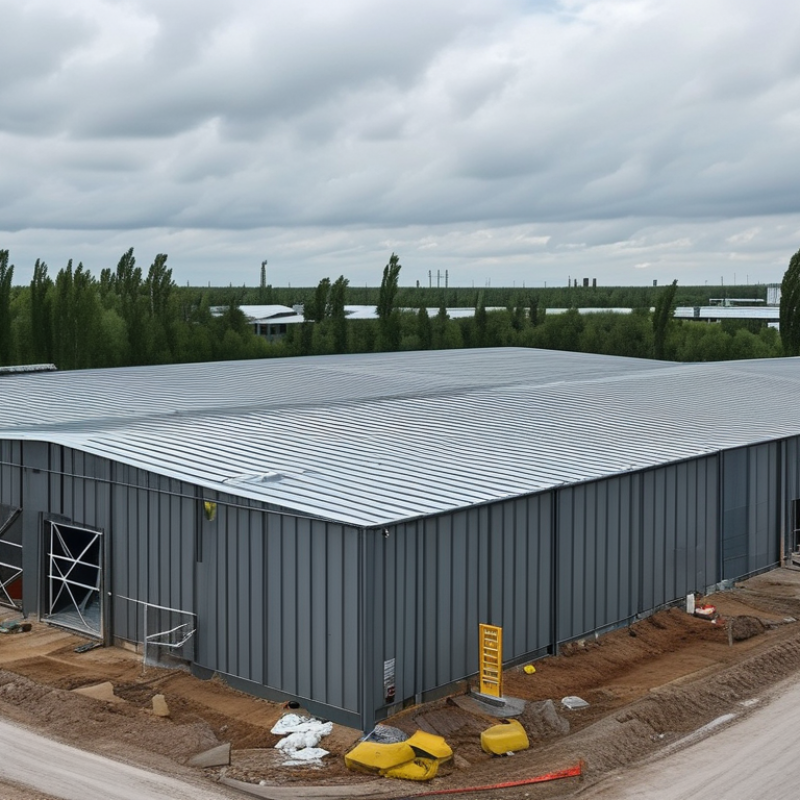
Pre-engineered metal buildings (PEMBs) are known for their durability and strength. However, their lifespan can vary significantly based on several factors. In 2026, experts expect these buildings to last between 30 to 50 years on average, but actual longevity can be influenced by environmental conditions, maintenance practices, and design specifications.
One critical factor is the local climate. For example, buildings in coastal areas face corrosion from saltwater, whereas those in snowy regions must withstand additional weight. A report from the Metal Building Manufacturers Association (MBMA) indicates that proper corrosion protection can extend a structure's life significantly. Regular inspections and timely maintenance are equally essential; nearly 25% of PEMB owners neglect routine upkeep, potentially leading to structural issues.
Additionally, the quality of materials plays a vital role. High-grade steel and protective coatings enhance durability, while subpar materials can diminish lifespan. According to a study by the American Institute of Steel Construction, well-maintained metal buildings can outperform expectations. However, many designs fall short of ideal performance without necessary upgrades or reinforcements, leaving room for improvement in engineering practices.
: Pre-engineered metal buildings usually last between 30 to 50 years.
Climate, maintenance, and installation quality all influence the lifespan of pre-engineered metal buildings.
In harsh weather regions, extra reinforcement may be necessary for durability.
Regular inspections can prevent unforeseen issues like rust or corrosion, extending the building's lifespan.
High-quality steel and insulation materials significantly improve longevity and energy efficiency.
Always select materials suited to your specific environment, especially in coastal regions for corrosion resistance.
Poor assembly line practices can weaken structural integrity; precise engineering is necessary to maintain quality.
Insulation degradation can occur over time if not regularly checked and maintained.
Severe storms or unfavorable conditions can expose design flaws, increasing the need for expert planning.
A warehouse built in the early 2000s has required minimal maintenance due to its durable galvanized steel frame.
In 2026, the lifespan of pre-engineered metal buildings is influenced by various factors, including the quality of materials used, construction practices, and routine maintenance. Typically, these structures adhere to industry standards that suggest a robust lifespan, often lasting several decades when constructed with high-grade materials and proper engineering. Understanding how long do pre-engineered metal buildings last involves recognizing the importance of durability in design and material selection.
Moreover, implementing regular maintenance practices can significantly prolong the life of these buildings. Case studies in 2026 show that well-maintained pre-engineered metal buildings can outperform others in durability and longevity, showcasing the benefits of proactive care and attention. This comprehensive approach helps ensure that these structures remain viable investment options for a variety of applications.

 Dhingia Build