Pre-engineered metal buildings are transforming various industries. Many sectors are recognizing the benefits of these structures. From manufacturing to agriculture, the flexibility and efficiency of these buildings appeal to a wide audience. Notably, industry expert John Smith states, “Pre-engineered metal buildings streamline construction and reduce costs significantly.”
When considering what industries use pre-engineered metal buildings, one finds a diverse range. Warehousing and distribution centers often utilize these structures for their quick set-up and vast space. Retailers also appreciate the customizable options for storefronts. Additionally, schools and healthcare facilities benefit from the durability and low maintenance of metal buildings.
However, it’s important to note the challenges that might arise. Some industries struggle with specific zoning regulations. Others may face initial skepticism about the long-term performance of metal structures. As industries continue to evolve, the question of what industries use pre-engineered metal buildings will become increasingly relevant, guiding future construction trends.
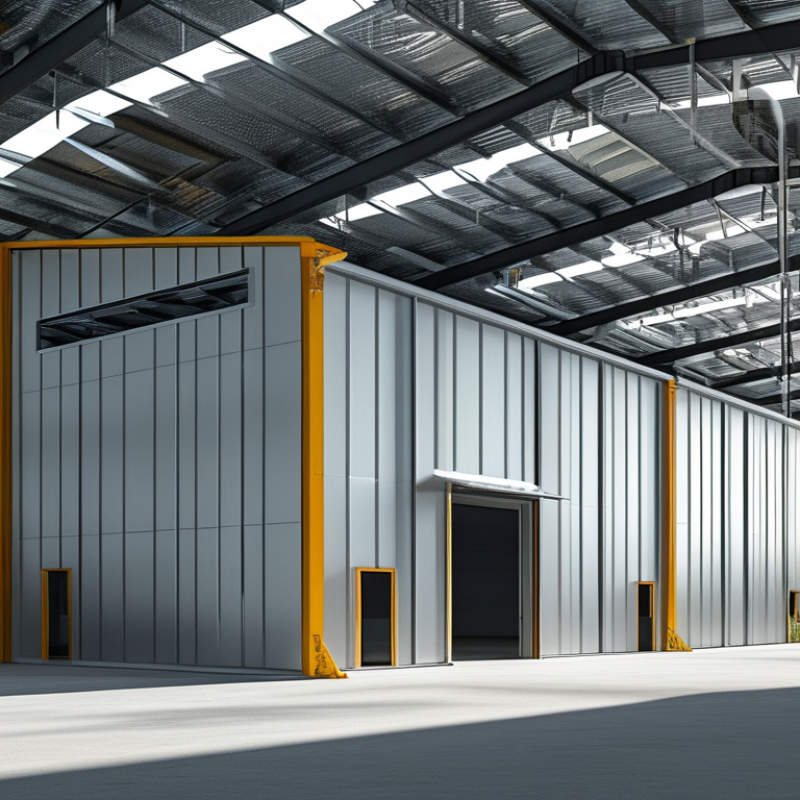
Pre-engineered metal buildings are reshaping various industries. Their versatility and efficiency make them a popular choice for many sectors. Warehousing and distribution centers frequently utilize these structures. They provide ample space for storing goods and allow for flexible layouts. Construction times are shorter compared to traditional buildings, which is a huge advantage in fast-paced environments.
Manufacturing companies also benefit significantly. These buildings can withstand heavy machinery loads and harsh weather conditions. The modular design allows for easy expansion as production needs grow. However, choosing the right plan requires careful consideration. Not all configurations will fit every business need.
In the agricultural sector, these buildings serve as barns and equipment storage. Farmers appreciate the durability and low maintenance costs. Still, the initial investment might seem high. It's important to weigh long-term savings against upfront costs. Each industry has unique demands, and pre-engineered buildings must be tailored accordingly. The key lies in finding a perfect balance between structure and purpose.
Pre-engineered metal buildings offer significant advantages across various sectors. These structures are known for their rapid assembly and cost-effectiveness. Manufacturers benefit from shorter construction times, minimizing downtime. Retail businesses appreciate the flexibility these buildings provide, allowing for easy customization to fit different needs.
In the agricultural sector, pre-engineered metal buildings can endure extreme weather conditions. Farmers can store equipment and livestock safely. Industrial spaces also gain efficiency with these buildings, facilitating large-scale operations without extensive site preparation. However, it's important to choose the right design. Miscalculations in size or layout can lead to inefficiencies.
Tip: Always consult with structural engineers during the planning phase. They ensure the design meets specific requirements. This step saves time and potential headaches later.
Moreover, the sustainability of pre-engineered metal buildings is a notable advantage. They can be designed for energy efficiency, reducing long-term operational costs. However, not every project benefits equally from this approach. Evaluate project goals and environmental impact carefully.
Tip: Perform a lifecycle assessment before making decisions. This assessment provides insight into material durability and energy consumption. It’s essential for making informed choices about your building project.
Pre-engineered metal buildings have transformed various industries through innovative implementations. One notable case study involves a logistics company that adopted these structures to enhance their distribution capabilities. The company faced challenges such as space constraints and long construction timelines. By using pre-engineered metal buildings, they achieved a rapid setup, boosting efficiency. The flexibility in design allowed them to expand operations without significant delays.
Another successful implementation occurred in the agricultural sector. A farming cooperative built a large storage facility using pre-engineered metal structures. This provided adequate protection for perishable produce. The material's durability decreased maintenance costs, which was a concern in their previous wooden facilities. They reported an immediate increase in storage capacity, allowing them to scale up operations.
However, not all experiences have been perfect. Some industries encountered issues with insulation and temperature regulation. These factors affected the internal environment, creating challenges for sensitive goods. It highlights the importance of thorough planning. Decision-makers should consider all aspects before implementing these metal buildings. Testing designs in advance can prevent disappointment and ensure optimal results.
When comparing metal buildings to traditional construction methods, several advantages emerge. Metal buildings offer faster assembly times. A typical steel structure can be erected in a matter of days, reducing labor costs and minimizing project timelines. In contrast, traditional building methods might take weeks or even months for completion. This difference can significantly impact a business's ability to start operations quickly.
Durability is another crucial factor. Metal buildings withstand harsh weather conditions better than wood or brick. They resist pests, rot, and fire, ensuring long-term performance. While a traditional structure may require regular maintenance, metal buildings typically demand less upkeep. However, it’s essential to note that local building codes may influence the choice. Sometimes, regulations favor traditional methods over metal alternatives, leading to delays in project approval.
Cost efficiency plays a vital role as well. While initial expenditures on metal buildings might seem higher, the overall lifetime savings can be considerable. Energy efficiency is also noteworthy with metal structures, as many are designed with insulation. Some may argue that traditional buildings feel warmer or more inviting. Yet, metal structures boast their own aesthetic appeal with customizable designs that can suit many industries.
The future of pre-engineered metal buildings (PEMB) spans various industries, with significant trends emerging in their applications. Manufacturing and warehousing sectors are leading the way. A report from Research and Markets indicates that the global metal building systems market is projected to reach $12.4 billion by 2025, growing at a CAGR of 3.9%. This growth is driven by the increasing demand for efficient and cost-effective solutions in these industries.
In the agricultural sector, PEMB is gaining traction. Farmers and agribusinesses appreciate their durability and low maintenance. The U.S. Department of Agriculture has noted a growing trend of using metal buildings for storage and livestock facilities. However, challenges remain. The initial investment can be substantial, and there might be misconceptions about thermal performance. These factors can lead to hesitation for first-time users.
The retail industry is also exploring PEMB for customized storefronts and distribution centers. Flexibility in design helps retailers adapt quickly to changing needs. A survey by the Metal Building Manufacturers Association found that 40% of retailers reported increased interest in metal buildings. Yet, some retailers express concerns about zoning regulations and aesthetic compatibility. Addressing these issues is crucial for wider acceptance and success in this evolving landscape.
: Various sectors like warehousing, manufacturing, agriculture, and retail benefit from these buildings.
They provide ample space and flexible layouts, making them ideal for storing goods efficiently.
They withstand heavy machinery and harsh conditions, allowing easy expansion as production needs grow.
They offer durability and require low maintenance. Farmers can safely store equipment and livestock.
Yes, it can seem high, but consider long-term savings to make a better decision.
Miscalculations in size and layout can cause inefficiencies. Careful planning avoids these issues.
They allow for rapid assembly, minimizing downtime during construction for businesses.
Yes, they can be designed for energy efficiency, which reduces long-term operational costs.
Yes, consulting structural engineers helps meet specific project requirements and saves future headaches.
It provides insights into material durability and energy use, aiding in informed project choices.
Pre engineered metal buildings have gained significant traction across various sectors, demonstrating versatility and efficiency in construction. What industries use pre engineered metal buildings? Industries such as agriculture, manufacturing, retail, and logistics leverage these structures for their rapid assembly and cost-effectiveness. The advantages of utilizing pre engineered metal buildings include reduced construction time, lower material costs, and enhanced durability, making them an attractive option compared to traditional construction methods.
Success stories underline the effectiveness of these buildings, showcasing a range of applications from warehouses to sports facilities. As we look to the future, the demand for pre engineered metal buildings is expected to grow, driven by advancements in technology and a rising emphasis on sustainable building practices. This trend reflects a shift towards more efficient and adaptable construction solutions that meet the diverse needs of modern industries.

Dhingia Build