What Factors Influence Metal Building Prices Globally?

Time:2026-07-18 Author:Mason
0%

In today's global market, understanding what factors affect metal building prices is crucial for many businesses. Various elements can influence these costs, from raw material prices to labor rates and geographic location. Economic conditions also play a vital role in determining the overall pricing structure.

For instance, fluctuations in steel prices can directly impact metal building costs. Countries with strong export needs may face different pricing than those focused on domestic markets. Additionally, local regulations can either impose additional costs or provide incentives that affect buyer decisions.

While many view these factors as clear-cut, they often interconnect in complex ways. A shift in one variable may create unforeseen consequences on another. Businesses must navigate this unpredictability to effectively plan their investments. Being aware of these influences can lead to more informed decisions when purchasing metal buildings, highlighting the importance of thorough market analysis.
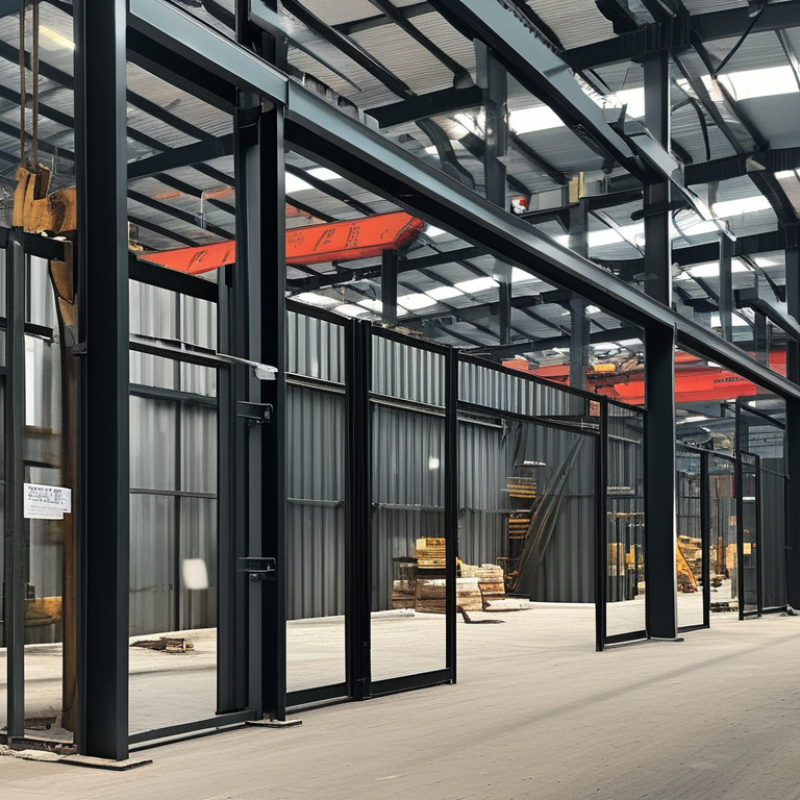
What Factors Influence Metal Building Prices Globally?

Global Demand Trends and Their Impact on Metal Building Prices

In recent years, the global demand for metal buildings has surged. A report from the Global Construction Research Institute indicates that demand increased by 8% annually from 2020 to 2023. This trend emerges largely from the construction of warehouses and industrial facilities. Increasing online retail demands create the need for more storage space, driving up prices.

Another factor influencing prices is raw material costs. Steel prices have fluctuated due to supply chain disruptions and material shortages. A 2022 report noted that steel prices rose by 15% due to these issues. This, in turn, directly impacts the cost of metal buildings. Furthermore, expectations of continued demand for sustainable construction methods are reshaping the market. Clients seek energy-efficient designs, which may cost more initially, but offer long-term savings.

Additionally, economic factors play a significant role. Countries with robust economic growth are investing heavily in infrastructure. For example, a study highlighted that emerging markets like India and Brazil are ramping up their construction projects. However, the ongoing geopolitical tensions can create uncertainties that affect global supply. These variables complicate forecasting and require ongoing adjustments from industry stakeholders.

Key Raw Material Costs and Their Role in Price Fluctuations

The prices of metal buildings fluctuate significantly due to key raw material costs. Steel, aluminum, and copper are the primary materials influencing these prices. Recent reports indicate that global steel prices increased by nearly 13% over the past year. This rise is attributed to supply chain disruptions and increased demand in various sectors. These fluctuations can lead to unexpected budget changes for construction projects.

Tips: Keep an eye on market trends. Regularly check metal price indices to anticipate potential cost changes.

Aluminum, another critical material, has also seen price volatility. The demand for aluminum in construction and transportation continues to climb, driving up costs. Data suggests the price of aluminum has surged by approximately 14% recently. This trend highlights the importance of sourcing materials early in the project timeline.

Tips: Consider alternative materials. Sometimes exploring different options can yield more stable pricing.

Copper prices contribute similarly to overall metal building costs. Significant price hikes have been reported due to growing investments in renewable energy. Understanding these factors may help businesses make informed decisions. Yet, it's essential to reflect on how external pressures can impact project timelines and budgets.

What Factors Influence Metal Building Prices Globally? - Key Raw Material Costs and Their Role in Price Fluctuations

Raw Material Price per Ton (USD) Annual Price Change (%) Global Demand Trend
Steel $900 -5% Stable
Aluminum $2500 +10% Increasing
Copper $9500 +15% High
Zinc $2500 +5% Moderate
Nickel $22000 +20% Growing

Regional Economic Factors Influencing Metal Building Market Pricing

The pricing of metal buildings is significantly influenced by regional economic factors. In recent years, the global demand for metal buildings has surged. According to a report by Mordor Intelligence, the market is projected to grow at a CAGR of 6.64% between 2021 and 2026. This growth varies across regions, influenced by local economies, labor costs, and resource availability.

In North America, a robust manufacturing sector drives higher demand. However, fluctuations in steel prices directly impact expenses. For instance, data from the U.S. Bureau of Labor Statistics highlighted an increase of 45% in steel prices from 2020 to 2022. This spike raises costs for builders and ultimately affects pricing for customers. Meanwhile, in Asia-Pacific, rapid urbanization and infrastructure projects boost market dynamics. Yet, local supply chain challenges can lead to inconsistencies in pricing.

Moreover, regulatory environments play a critical role. Countries with strict building codes may face higher compliance costs. Reports indicate that compliance can increase overall project fees by up to 15%. This complex interplay of regional economic factors creates a diverse landscape for metal building pricing globally. Understanding these elements is essential for stakeholders in the metal building industry.

Technological Advancements in Construction and Their Cost Effects

The construction industry is witnessing significant changes due to technological advancements. Innovations like Building Information Modeling (BIM) and prefabrication are reshaping metal building prices. According to a recent report by McKinsey, adopting digital construction processes can reduce project costs by 20% to 30%. This efficiency is driving companies to invest in technology, altering cost structures and pricing strategies.

Moreover, automation in production reduces labor costs and increases precision. A study from the National Institute of Standards and Technology found that automation can improve productivity in construction by up to 50%. However, not all organizations adapt swiftly. Many still rely on traditional methods, leading to discrepancies in pricing. Firms that embrace these technologies often experience lower overhead costs, translating to competitive pricing.

On the other hand, rapid technological changes can create uncertainties. The initial investment in advanced technologies can be substantial. Smaller firms may struggle to keep up, causing price fluctuations in the market. As the industry evolves, finding a balance between innovation and cost remains a challenge. Without a focus on sustainable integration, these advancements might widen the gap between larger corporations and small businesses.

Regulatory Policies and Standards Affecting Metal Building Pricing

When considering the pricing of metal buildings globally, regulatory policies and standards play a crucial role. Local building codes dictate specifications for materials, safety, and environmental impact. Compliance can affect the overall cost. Countries with strict regulations may see higher prices due to enhanced safety measures and inspections. In contrast, regions with relaxed regulations may experience lower costs, but potentially at the expense of safety and durability.

According to a recent report by the Global Steel Construction Alliance, approximately 30% of metal building costs are influenced by compliance with local laws. This underscores the importance of understanding regional regulations before initiating a project. For example, in North America, codes for energy efficiency can add significant expense, while countries with less rigorous standards might provide a more affordable option.

Tips: Always research local building codes. Ensuring compliance can help avoid costly fines. Consider the long-term value of safety and quality over initial savings. Investing in compliant structures often pays off in durability and reduced maintenance costs. Remember, the easiest route isn't always the best in the long term.

Factors Influencing Metal Building Prices Globally

FAQS

: What raw materials affect metal building prices?

: Key materials include steel, aluminum, and copper, significantly influencing costs.

Why did global steel prices increase recently?

Recent disruptions in the supply chain and rising demand caused nearly a 13% price increase.

What should I consider when sourcing materials for construction?

Sourcing materials early is crucial due to price volatility and potential budget changes.

How is aluminum price fluctuation impacting construction?

Aluminum prices have surged by approximately 14%, affecting overall project costs.

What are the factors influencing metal building pricing regionally?

Local economies, labor costs, and resource availability play critical roles in pricing.

How do regulatory environments affect project costs?

Strict building codes can increase compliance costs by up to 15%, impacting total project fees.

What role does technology play in construction costs?

Innovations like BIM can reduce project costs by 20% to 30%, impacting pricing strategies.

Are smaller firms affected by technological changes in construction?

Yes, smaller companies may struggle to adapt, leading to price discrepancies in the market.

What should I keep an eye on regarding raw material prices?

Regularly monitoring metal price indices can help anticipate future cost changes.

How can alternative materials help with pricing stability?

Exploring different options may lead to more stable pricing during volatile markets.

Conclusion

The article "What Factors Influence Metal Building Prices Globally?" explores the various elements that impact the pricing of metal buildings in the global market. Key factors include global demand trends, where fluctuations can significantly sway prices due to market supply and demand dynamics. Additionally, the costs of raw materials play a crucial role, as changes in prices for steel and other inputs directly affect manufacturing expenses.

Regional economic factors also come into play, influencing pricing strategies and market competitiveness in different areas. Technological advancements in construction contribute to cost efficiencies, potentially lowering prices over time. Lastly, regulatory policies and standards impose additional requirements that can affect overall pricing. Understanding what factors affect metal building prices is essential for stakeholders in the construction industry to navigate market fluctuations effectively.

Mason

Mason

Mason is a seasoned marketing professional with a deep expertise in the company's offerings and a passion for driving brand awareness. With a strong background in digital marketing strategies, he has an innate ability to connect with diverse audiences and effectively communicate product benefits.......