How Long Does It Take to Erect a Metal Building?

Time:2026-08-07 Author:Charlotte
0%

Erecting a metal building is a significant project. Many factors influence the timeline, leading to varied experiences. How long does it take to erect a metal building? Industry reports indicate that the average time ranges from a few days to several weeks. A report by the Steel Framing Alliance suggests that site preparation adds crucial days to the overall process.

Understanding the components is essential. Prefabricated metal structures can reduce assembly time markedly, as they often come with pre-cut pieces. Details like foundation work also play a critical role. For example, inadequate site grading can lead to unexpected delays.

Though many factors affect the duration, industry averages provide insight. The National Institute of Steel Detailing states that careful planning can streamline the erection process. Nevertheless, even with extensive preparation, challenges can arise. Ultimately, careful management and realistic expectations are vital for project success.
How Long Does It Take to Erect a Metal Building?

Factors Influencing the Construction Timeline of Metal Buildings

When considering the construction of a metal building, several factors influence the timeline. Site preparation is crucial. It can take weeks depending on the ground condition, permits, and weather. According to a recent industry report, delays in site preparation account for about 30% of project time.

Design complexity is another key factor. A simple structure can be erected in about a week, while more intricate designs may take several weeks or even months. A study indicates that about 45% of construction delays stem from unforeseen design modifications. This can be frustrating for builders and clients alike.

Tip: Engage with a reliable architect early in the process to minimize design changes later. It might save you weeks of waiting.

Weather conditions can’t be overlooked. Construction often halts due to rain or snow. Weather-related delays can increase project time by approximately 20%. On average, inclement weather affects 10% of construction days annually.

Tip: Plan your project around the best seasonal weather patterns for your location. It can lead to smoother execution.

Delays can happen. It is part of the process. Embracing flexibility in your timeline is essential for a successful build. Understanding these factors allows for better planning and anticipation of challenges.

How Long Does It Take to Erect a Metal Building?

Factor Impact on Construction Time Estimated Timeframe
Design Complexity More complex designs require additional planning and adjustments. 1-4 weeks
Permitting and Approvals Time taken to secure necessary building permits can delay the process. 2-6 weeks
Site Preparation Includes grading, drainage, and foundation work. 1-3 weeks
Weather Conditions Adverse weather can halt construction progress. Varies greatly, can extend timeline
Crew Experience Experienced crews can work more efficiently and resolve issues quickly. 1-2 weeks difference
Supply Chain and Material Availability Delays in material shipping can push back construction. 1-4 weeks
Building Size Larger buildings typically take longer to construct. 4-12 weeks

Phases of Erecting a Metal Building

Erecting a metal building involves several phases, each crucial to ensure a robust structure. The first phase typically includes site preparation. This involves clearing the area, ensuring it is level, and making necessary adjustments to the soil. Poor site preparation can lead to long-term structural issues.

The next phase is the foundation. A robust foundation is essential for any metal structure. According to industry data, improper foundation can reduce the building's lifespan by nearly 50%. The type of foundation required often depends on the building's size and use. Constructing the foundation usually takes one to two weeks, depending on weather conditions and material access.

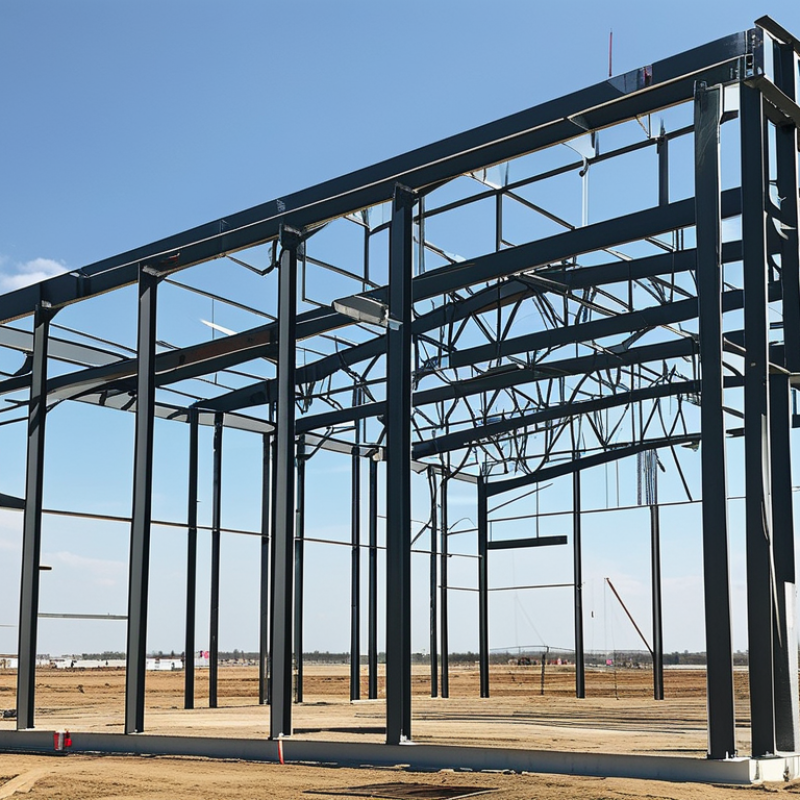
After the foundation, the actual erection begins. Steel frames are assembled swiftly on-site, often taking one to two weeks. The use of cranes and lifting equipment speeds up this phase. Workers need proper training to ensure safety. Each step requires precise measurements to prevent misalignments, which can create challenges in later phases.

Tips: Always involve professionals in planning. Their expertise can save time and prevent future mishaps. Don’t skip inspections after each phase. Regular checks ensure adherence to safety and quality standards. Consider weather impacts during construction. Delays can arise from unexpected rain or snow.

Typical Duration for Each Phase of Metal Building Construction

Constructing a metal building involves multiple phases, each with its timeline. Typically, site preparation takes 1 to 2 weeks. This phase includes clearing the land, leveling, and setting a foundation. Weather conditions can affect this duration. Keep an eye on forecasts.

The erection phase usually spans 1 to 3 weeks. During this time, steel frames are assembled, and the building starts to take shape. Experienced crews can expedite the process. However, mistakes during assembly can lead to delays. Precision is key in this stage.

Finishing touches can take an additional 2 to 5 weeks. This includes insulation, siding, and roofing. Waiting for materials may slow things down. Planning in advance can mitigate some of these challenges.

Tips: Always verify that the site is accessible for crews and equipment. Communication with your construction team is vital. Address any concerns promptly to avoid setbacks.

Common Delays and Challenges in Metal Building Erection

Erecting a metal building can often face unexpected delays. Weather conditions are a significant factor. Heavy rain or snow can halt progress. Workers cannot safely manage materials or equipment. It may take days to recover from such setbacks. High winds also pose risks to safety and equipment, leading to more waiting time.

Supply chain issues can create additional challenges. Delays in receiving metal components can push back the schedule. Even minor parts can hold up a project. It’s frustrating when everything seems ready but missing a crucial piece. Communication with suppliers is essential to mitigate these delays.

Moreover, site preparation can be more complex than anticipated. Soil conditions, permits, and inspections may slow down the process. Each delay adds stress and requires careful management. It is important to have a flexible timeline and budget for these unforeseen issues. Reflecting on past projects can help teams prepare better for challenges that may arise.

Tips to Expedite the Construction Process of Metal Buildings

Erecting a metal building can be a swift process, but it requires careful planning. One of the key strategies to expedite construction is efficient scheduling. Map out all phases of construction early. This includes site preparation, assembly, and inspection. Keep communication open among all team members to prevent delays. Unexpected issues often arise, so having a backup plan is crucial.

Using quality materials can significantly speed up construction. Choose components that are designed for quick assembly. Prefabricated elements can cut down on time. However, relying solely on cheap materials may lead to future delays and costs. Be mindful of the balance between speed and reliability. Developing a trained workforce is also important. Skilled workers can address challenges faster than less experienced crews.

Remember, while the goal is to complete the project quickly, quality must not be compromised. Mistakes in construction can lead to costly repairs later. Prioritize safety to avoid accidents. This might slow down progress at times but ensures a sustainable outcome. Streamlining processes might work wonders, yet reflection is needed to assess what improvements can be made for the next build.

FAQS

: What factors affect the timeline of constructing a metal building?

: Key factors include site preparation, design complexity, and weather conditions.

How long does site preparation usually take?

It can take weeks, depending on ground conditions and weather.

What impact can weather have on construction timelines?

Weather delays can increase project time by about 20%. Rain and snow can halt work unexpectedly.

Why is foundation work crucial in the construction process?

A proper foundation supports the building's longevity. An improper one can drastically reduce lifespan.

How long does the actual erection of the metal structure take?

Erecting steel frames typically takes one to two weeks with proper resources.

How can communication help avoid delays in construction?

Open communication among team members prevents misunderstandings and potential project setbacks.

Why is using quality materials essential for construction?

Quality materials speed up assembly and reduce future repair costs. Avoid solely relying on cheap options.

What role does workforce skill play in the construction process?

A trained workforce can tackle problems more efficiently and keep the project on track.

How can builders minimize design changes during construction?

Engaging a reliable architect early helps reduce unforeseen modifications and associated delays.

Why is flexibility important in construction timelines?

Delays can happen unexpectedly. Being flexible allows for better planning and adaptation to challenges.

Conclusion

When considering "how long does it take to erect a metal building," several factors come into play, including the complexity of the design, site preparation, and available resources. The construction process typically consists of several phases, from initial planning and groundwork to assembly and final inspections. Each phase can have varying durations depending on these influencing factors.

Common delays in metal building erection may arise from weather conditions, supply chain issues, or unanticipated site complications. To expedite the construction process, effective project management, thorough planning, and timely procurement of materials are essential. By understanding the typical timeline and proactively addressing potential challenges, stakeholders can better navigate the construction of metal buildings efficiently.

Charlotte

Charlotte

Charlotte is a seasoned marketing professional with a deep understanding of the company's portfolio and a passion for elevating its presence in the market. With a keen eye for detail and a commitment to excellence, she ensures that our professional blog is regularly updated with insightful articles......