How to Determine the Lifespan of a Steel Building?

Time:2026-08-12 Author:Sophia
0%

When considering the durability of a steel building, one key question arises: what is the lifespan of a steel building? Steel structures are known for their strength and resilience. According to the American Institute of Steel Construction, properly maintained steel buildings can last over 50 years, with some outlasting 100 years. However, achieving this longevity depends on various factors, including climate, maintenance practices, and the quality of materials used.

Environmental conditions significantly influence a building's lifespan. In regions with extreme weather, such as heavy snow or high humidity, the integrity of steel can be compromised. Regular maintenance plays a critical role in prolonging a building's life. Neglecting rust treatment or structural evaluations can lead to costly repairs or premature failure.

Understanding the expected lifespan of a steel structure requires a balancing act between design choices and proactive upkeep. Each decision made during construction impacts durability. While steel is a robust material, external factors and maintenance habits determine its true lifespan. Therefore, investing in quality and care is essential for anyone considering a steel building.
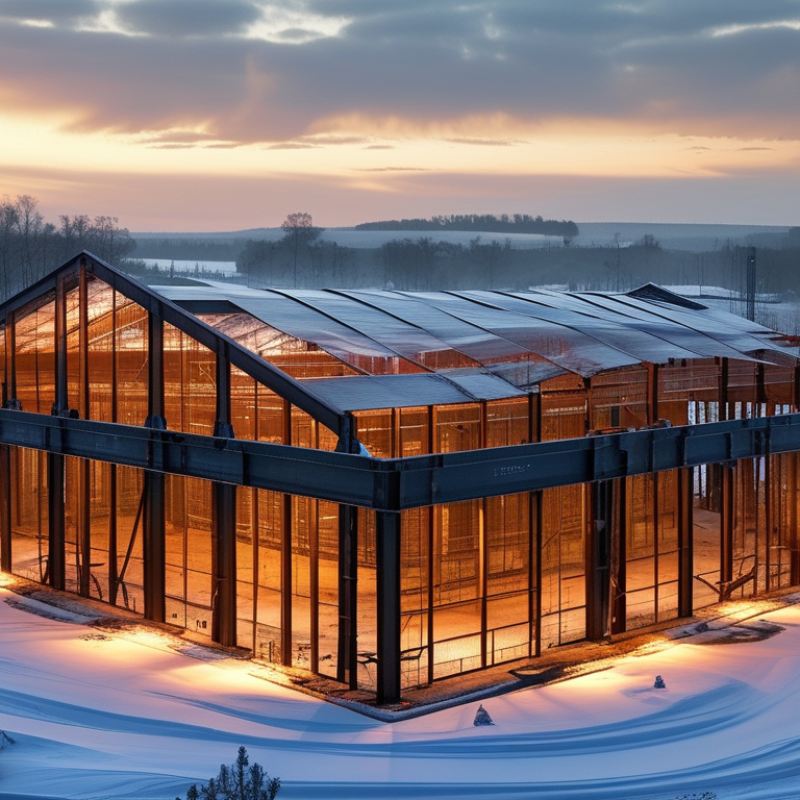
How to Determine the Lifespan of a Steel Building?

Factors Affecting the Lifespan of Steel Buildings

When assessing the lifespan of steel buildings, various critical factors come into play. Environmental conditions significantly impact durability. Corrosion, spurred by moisture and pollutants, can reduce a structure's life by 20-30%. A study by the American Institute of Steel Construction indicates that proper coatings can extend this duration, balancing cost and longevity.

Maintenance practices must also be forefront in any evaluation. Regular inspections can identify issues early. A report from the National Roofing Contractors Association suggests that proactive maintenance can add up to 25 years to a building's lifespan. Furthermore, the initial design and construction quality set the groundwork for longevity; poor craftsmanship can lead to premature failures.

Lastly, structural usage should not be overlooked. Buildings designed for heavy loads or frequent use face different stresses compared to lighter structures. Understanding these differences helps in projecting realistic lifespan expectations. Relying solely on standard lifespans could lead to miscalculations. Each steel building tells its own story, shaped by unique circumstances and conditions.

Factors Affecting the Lifespan of Steel Buildings

Understanding the Role of Steel Quality in Longevity

When evaluating the longevity of a steel building, the quality of steel plays a crucial role. High-quality steel is more resistant to corrosion and structural fatigue. This means that buildings constructed with superior steel can last significantly longer. Testing the steel’s tensile strength can provide insights into its durability. Steel with better tensile properties typically endures harsher weather conditions without suffering damage. These factors contribute to the overall lifespan, making quality a non-negotiable aspect.

Environmental factors also impact steel longevity. In coastal areas, saltwater exposure accelerates corrosion. Buildings in humid climates may deal with rust more readily. Regular maintenance can mitigate these effects, but it requires a dedicated effort. Regularly inspecting for rust and addressing issues immediately can prolong a building's life. It’s important to weigh the materials and design before construction. If a building isn’t designed to handle its environment, even the best steel will face challenges.

Long-term investment in steel infrastructure requires careful consideration of quality and environmental effects. Each steel selection should match the building's purpose and location. This alignment can prevent premature failure, ensuring that your structure withstands the test of time. Balancing costs with quality often leads to better outcomes over the years. Reflecting on this can be difficult but essential for sustainable construction practices.

Impact of Environmental Conditions on Steel Structures

Environmental conditions play a crucial role in determining the lifespan of steel buildings. Factors such as humidity, temperature, and exposure to chemicals can significantly impact the structural integrity of steel. For instance, high humidity levels can lead to corrosion, while extreme temperatures can cause expansion or contraction, stressing the materials. Regular inspections are vital; they can reveal early signs of wear and tear that may not be visible at first glance.

Additionally, geographical location influences longevity. Coastal areas, with their salty air, impose a higher risk of corrosion. Similarly, regions with heavy snowfall face challenges due to added weight on structures. It's essential to consider these elements during the design phase. Implementing protective coatings or selecting corrosion-resistant alloys may mitigate some risks. However, these solutions also require ongoing maintenance. Sometimes, investment in preventive measures is overlooked, leading to costly repairs later. Being proactive about environmental impacts can ensure steel buildings stand the test of time.

How to Determine the Lifespan of a Steel Building? - Impact of Environmental Conditions on Steel Structures

Environmental Condition Impact on Lifespan (Years) Recommended Maintenance
Coastal Environment 35-50 Frequent inspections and corrosion protection every 2-3 years
Urban Pollution 25-40 Regular cleaning and rust treatment annually
Extreme Temperatures 20-30 Thermal expansion management and insulation checks every year
High Humidity 30-45 Dehumidification systems and routine inspections semi-annually
Seismic Activity 50-70 Structural reinforcements and regular safety inspections after seismic events

Maintenance Practices to Extend Lifespan of Steel Buildings

When considering the longevity of steel buildings, maintenance practices play a crucial role. Regular inspections can identify issues early. According to a report by the American Institute of Steel Construction, proper maintenance can extend a building's lifespan by up to 30%. Simple upkeep tasks, like cleaning and repainting, can prevent corrosion. These practices not only safeguard structural integrity, but they also enhance aesthetic appeal.

Investing in protective coatings is essential. A study found that buildings with high-quality coatings can last an additional 15 years compared to those without. Ensure that the coatings are specifically formulated for steel. This can significantly reduce rust and deterioration. Additionally, addressing drainage issues promptly can prevent water accumulation, a common cause of structural damage.

Tip: Regularly schedule inspections with a qualified engineer. They can provide a thorough analysis and recommend improvements.

Another important action is to maintain proper temperature and humidity levels in interior spaces. Excessive moisture can lead to corrosion, even in well-painted structures. Install dehumidifiers or ventilation systems as necessary. Even minor adjustments can make a big difference in longevity.

Evaluating the Design and Construction Techniques for Durability

When evaluating the durability of a steel building, design and construction techniques play a crucial role. The choice of materials greatly influences longevity. High-quality steel, engineered for strength and treated to resist corrosion, can significantly enhance a building's life span. Using a galvanized coating adds an extra layer of protection against rust. However, even top-tier materials can fail if not properly maintained.

Construction methods matter too. For example, improper welding can create weak points. These flaws can compromise the entire structure over time. Attention to detail during assembly is vital. Architects and engineers should collaborate closely to ensure that all designs account for environmental factors. Buildings in coastal areas face unique challenges, like saltwater corrosion. Planning for these factors can prevent unforeseen degradation.

Regular inspections are essential in extending a building’s life. However, many overlook this simple step. Ignoring early signs of wear can lead to costly repairs later. It's important to implement a proactive maintenance schedule. This should include checking for rust, structural integrity, and other potential issues. Small investments in upkeep can lead to significant long-term savings. Balancing immediate cost with future benefits requires thoughtful reflection and planning.

FAQS

: How do environmental conditions affect steel structures?

: Humidity, temperature, and chemical exposure can reduce steel lifespan significantly.

What is the impact of high humidity on steel buildings?

High humidity can lead to corrosion, compromising the structural integrity over time.

Why are regular inspections important for steel buildings?

Inspections reveal early signs of wear, helping to avoid costly repairs later.

How does geographical location influence steel durability?

Coastal areas have salty air, increasing corrosion risk. Snowy regions face added weight challenges.

What maintenance practices can extend the lifespan of steel buildings?

Regular cleaning, repainting, and inspecting can prevent rust and enhance structural integrity.

What is the role of protective coatings?

High-quality coatings can add 15 years to a building’s life by resisting rust and deterioration.

How can interior humidity levels affect steel structures?

Excess moisture can cause corrosion, even in buildings with good paint.

What construction techniques enhance the durability of steel?

Using high-quality materials and ensuring proper welding can prevent weak points in structures.

Why is attention to detail important in steel construction?

Flaws in assembly can lead to long-term structural issues, requiring careful design considerations.

What should be included in a proactive maintenance schedule?

Regular checks for rust, structural integrity, and prompt addressing of drainage issues are essential.

Conclusion

Understanding what is the lifespan of a steel building involves considering various factors that significantly influence its durability. Key aspects include the quality of the steel used, as higher-grade materials generally offer greater longevity. Additionally, environmental conditions such as moisture, temperature fluctuations, and exposure to corrosive substances can impact the structural integrity of steel buildings over time.

Implementing regular maintenance practices is crucial for maximizing the lifespan of these structures. This can include routine inspections, timely repairs, and protective coatings to fend off rust and corrosion. Furthermore, the initial design and construction techniques employed play a vital role in ensuring long-term durability. By addressing these factors comprehensively, owners can better anticipate the lifespan of their steel buildings and take proactive steps to extend their usability.

Sophia

Sophia

Sophia is a dedicated marketing professional with an exceptional depth of knowledge about her company's products and services. With a keen understanding of market trends and customer needs, she crafts insightful blog posts that not only inform but also engage readers, enriching the company’s online......