Cost efficiency is crucial in metal building projects. Many owners seek ways to maximize their budgets. Understanding how to reduce costs in metal building projects can lead to significant savings. Expertise in material selection and construction methods plays a key role.
Strategically choosing suppliers can impact costs. Partnering with reliable vendors ensures both quality and affordability. It’s essential to communicate openly about budget constraints. This transparency can lead to better deals and options.
Moreover, consider the design process carefully. Simplifying plans may yield substantial savings without compromising integrity. However, every design choice should be evaluated for its long-term effects. Balancing initial costs with durability is vital, even if it requires tough decisions. By analyzing these factors, project managers can create effective plans that remain within budget while achieving desired outcomes.
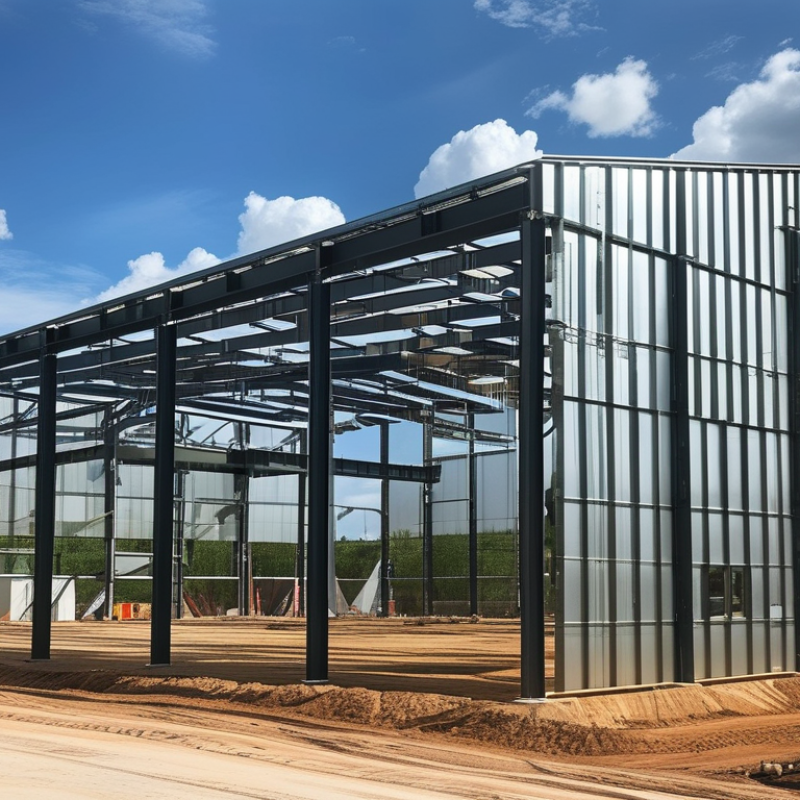
Reducing costs in metal building projects requires careful planning and a focus on key areas. Begin by evaluating material choices. Selecting high-quality, durable materials can significantly lower long-term expenses. However, it's essential to balance quality with cost. Sometimes, opting for a less expensive material might lead to higher maintenance costs down the line.
Labor expenses can also be a significant factor. Hiring skilled professionals can lead to quicker completion and fewer mistakes, but it may seem pricey initially. It's essential to assess the long-term benefits of getting it right the first time. Skimping on labor could result in costly repairs later.
Another area worth examining is the design phase. Simplifying designs can reduce both material and labor costs. Overly complex structures often lead to unforeseen expenses. It's crucial to involve experienced architects and engineers for efficient designs. They can provide insights that lead to effective, budget-friendly solutions while still meeting project requirements. Think critically about each phase to ensure every dollar is well spent.
When it comes to selecting cost-effective materials for metal building projects, quality should remain a priority. Exploring different types of steel can yield substantial savings. For instance, prefabricated steel components often cut labor costs while maintaining structural integrity. This option not only saves time but also reduces on-site waste. However, it’s crucial to assess the supplier's reputation. Opt for manufacturers known for quality assurance to avoid potential structural issues in the future.
Another strategy involves utilizing recycled materials. Recycled steel can offer a balance between cost and durability. These materials are often available at a lower price while ensuring compliance with safety standards. It’s important to verify their origins and quality inspections. Engaging in local sourcing can also reduce transportation costs, further enhancing project savings. When selecting materials, documenting their properties, strengths, and weaknesses is vital. This reflection can help identify the best choices for specific project requirements.
In metal building projects, strategic design planning can significantly optimize resource usage. Efficient layout choices reduce material waste. According to a study by the Metal Building Manufacturers Association (MBMA), optimizing design can lead to up to a 15% reduction in material costs. This reduction not only saves money but also positively impacts project timelines.
It's crucial to assess the design's structural integrity without unnecessary embellishments. For example, using standardized sizes can streamline construction. This practice enhances fabrication efficiency while minimizing variations. However, there's a challenge: a rigid approach may overlook unique site conditions that require customized solutions, potentially leading to higher long-term costs.
Moreover, integrating advanced design software can refine the planning process. Utilizing Building Information Modeling (BIM) helps visualize the project and identify resource needs. The National Institute of Standards and Technology reports that projects using BIM can save up to 7% in overall expenses. Still, not all firms implement this technology effectively, raising concerns about its accessibility and training requirements. Therefore, finding a balance between innovation and practicality is essential for maximizing value in metal building projects.
Effective project management is pivotal for reducing costs in metal building projects. According to industry reports, proper planning can cut costs by up to 15%. A structured approach ensures that all resources are used efficiently. For instance, defining the project scope clearly at the outset prevents costly changes later. Early identification of potential risks can also lead to significant savings in avoided expenses.
Emphasizing collaboration among team members enhances accountability. Regular check-ins and updates foster transparency. This practice decreases misunderstandings and promotes timely problem-solving. A study from the Construction Industry Institute indicates that enhanced communication can improve productivity by 20%. Yet, many teams overlook this critical aspect, which could lead to budget overruns.
Monitoring project performance against the budget throughout the project lifecycle is essential. Tools like project dashboards can provide real-time insights into spending. These resources can flag discrepancies early, allowing for adjustments. However, many project managers may find themselves overwhelmed by data overload, struggling to streamline it effectively. Finding the right balance in data analysis is vital for achieving budget goals without compromising on quality.
When managing costs in metal building projects, bulk purchasing can significantly impact your budget. Buying materials in larger quantities can lead to substantial discounts. Engage with suppliers to negotiate better rates for bulk orders. It’s essential to assess whether the upfront investment in bulk buying aligns with future project needs. Overspending on surplus materials is a risk that requires careful planning.
Vendor negotiations play a critical role in cost reduction. Establish strong relationships with suppliers. Open a dialogue about pricing, delivery schedules, and payment terms. Sometimes, vendors are willing to offer better rates to secure long-term relationships. It’s vital to present clear project timelines and consistently communicate your needs.
While aiming for the best deals, ensure reliability. Not all discounts are worth the potential delays or quality compromises. Seek feedback from trusted sources and evaluate supplier performance. Reflect on past experiences and learn from them. Cost reduction is not just about price, but also about value creation. Aim for balanced choices that enhance project efficiency without sacrificing quality.
This bar chart illustrates the impact of various strategies to reduce costs in metal building projects. The data shows the percent reduction each strategy can potentially contribute, with bulk purchasing being the most effective method.
: Explore different types of steel and consider prefabricated components. They save labor costs and time.
Yes, recycled steel balances cost and durability. Ensure they comply with safety standards and verify their origins.
Check the reputation of suppliers. Quality assurance is key to avoid future structural issues.
Efficient design can reduce material waste and costs by up to 15%. It also improves project timelines.
Use standardized sizes to streamline construction. It enhances efficiency but may miss unique site conditions.
Yes, using Building Information Modeling (BIM) helps visualize projects. It can save up to 7% in overall expenses too.
Some firms struggle with BIM due to accessibility and training. Balancing innovation with practicality is crucial.
Document the properties, strengths, and weaknesses of materials. This reflection aids in making informed choices.
Engage in local sourcing of materials. It can significantly cut down transportation expenses.
Assessing structural integrity helps avoid unnecessary embellishments, which can lead to higher long-term costs.
Reducing costs in metal building projects can be achieved through several strategic approaches. First, it’s essential to identify key areas where cost reductions can be realized, such as optimizing material choices and design efficiency. Selecting cost-effective materials that maintain quality can significantly impact the overall budget. Additionally, efficient design plans help to utilize resources better, minimizing waste and unnecessary expenses.
Moreover, implementing smart project management techniques is crucial for maintaining budget control throughout the project lifecycle. This includes scheduling, resource planning, and regular budget reviews. Lastly, exploring options for bulk purchasing and negotiating with vendors can lead to substantial savings. By employing these methods, project managers can effectively learn how to reduce costs in metal building projects, ensuring financial viability without sacrificing quality.

Dhingia Build