What Are Pre Engineered Metal Buildings Benefits and Uses?

Time:2026-06-26 Author:Aria
0%

Pre-engineered metal buildings (PEMB) are increasingly popular in construction due to their versatility and efficiency. They are factory-built and then transported to the site. This reduces construction time and labor costs significantly. According to a report by the Metal Building Manufacturers Association, these structures can save up to 30% in material costs compared to traditional construction methods.

Experts widely recognize the benefits of PEMB. John Smith, a leading architect in the metal building industry, states, “What are pre engineered metal buildings? They are the future of efficient construction.” His insights highlight how pre-engineered solutions streamline the building process while maintaining durability.

Despite these advantages, there are challenges. Not every project suits PEMB solutions. Careful consideration is needed regarding design flexibility and site-specific requirements. As projects evolve, so does the conversation around the applicability of PEMB. Balancing cost efficiency with tailored designs often calls for deeper reflection.
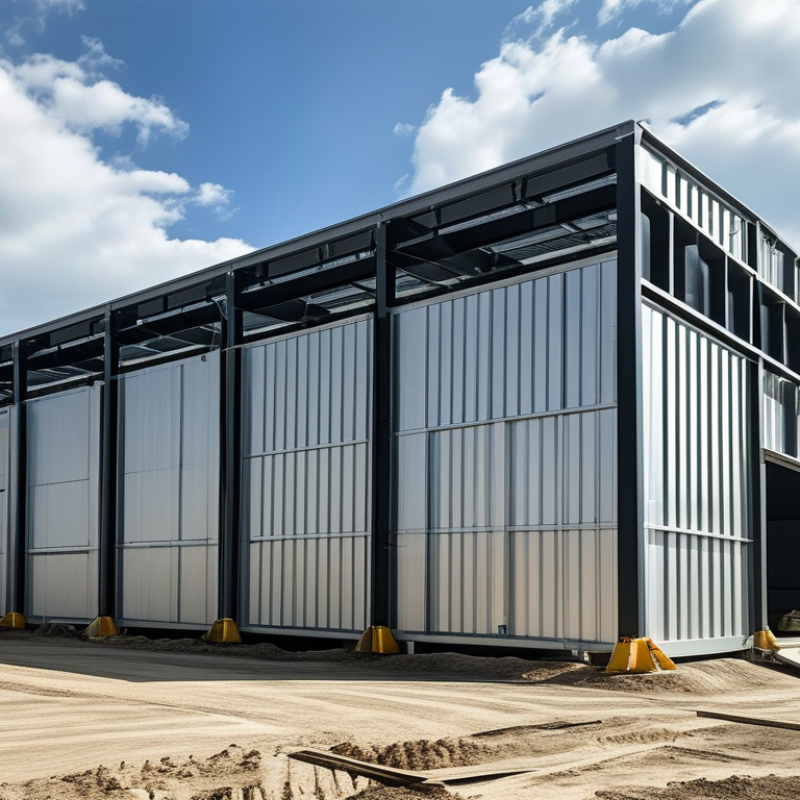
What Are Pre Engineered Metal Buildings Benefits and Uses?

Benefits of Pre-Engineered Metal Buildings in Construction Efficiency

Pre-engineered metal buildings (PEMB) are transforming the construction landscape. They offer significant advantages in efficiency, cost, and time savings. According to a recent industry report, PEMB can reduce construction time by up to 30% compared to traditional building methods. This expedited timeline is crucial for businesses looking to minimize downtime and maximize operational efficiency.

One notable benefit of PEMB is their modular design. Construction teams can assemble these structures quickly, allowing for faster project completion. Additionally, pre-engineered components often come with an accuracy rate of over 95%, which minimizes costly on-site modifications. This precision not only saves time but also reduces material waste, contributing to more sustainable building practices.

Tips: When considering PEMB, evaluate your specific needs. Think about the long-term maintenance costs versus initial savings. Engage experienced professionals early in the planning phase to address potential design flaws. Relying on expertise can help identify the best solutions for your project.

The structural integrity of PEMB is another advantage. These buildings are designed to withstand extreme weather conditions, offering durability and reliability. However, the initial investment may seem daunting for some. It's essential to weigh these factors carefully, as upfront costs could lead to substantial long-term benefits.

Benefits of Pre-Engineered Metal Buildings

Cost Comparison: Pre-Engineered vs. Traditional Building Methods

When comparing pre-engineered metal buildings with traditional construction, cost often becomes a decisive factor. Pre-engineered structures typically reduce labor costs significantly. The assembly process is faster, which shortens the timeline from conception to completion. This efficiency can save thousands of dollars. Traditional methods usually involve more planning and onsite work, leading to potential overruns in budget.

However, there are considerations with both methods. Pre-engineered buildings may have less flexibility in design. Customization could be limited compared to conventional builds. Additionally, long-term maintenance costs might be higher for metal structures, depending on the environment. On the other hand, traditional buildings often require more materials, which can inflate costs significantly.

While pre-engineered options are economical upfront, the choice isn't always clear-cut. Builders should weigh initial savings against long-term implications. Each project has its unique needs, and it's crucial to thoroughly assess both methods to find the best fit. Costs fluctuate based on location and material availability, so thorough research is vital.

Environmental Impact: Sustainability of Metal Building Materials

Pre-engineered metal buildings are gaining attention for their sustainability. Metal, as a building material, offers numerous environmental benefits. It is largely recyclable, reducing the need for new raw materials. Buildings made from metal often have longer lifespans compared to traditional materials. This durability means fewer resources are used over time.

Moreover, metal structures can be designed to maximize energy efficiency. Proper insulation and reflective surfaces can lower energy consumption. This leads to reduced greenhouse gas emissions. However, there are challenges. Not all metal building practices are eco-friendly. The production process can be energy-intensive. It’s essential to choose methods that prioritize sustainability.

The use of metal in construction also raises questions about resource extraction. Mining and processing metal can have ecological impacts. Local environments may suffer without careful management. Awareness and responsibility are vital in mitigating these issues. Engaging with certified sustainable practices helps balance benefits and environmental costs. This conscious approach to using metal buildings can foster long-term sustainability in the construction industry.

Applications of Pre-Engineered Metal Buildings Across Various Industries

Pre-engineered metal buildings (PEMB) are gaining traction across various industries due to their versatility and cost-effectiveness. A recent report from the Metal Building Manufacturers Association highlights that around 60% of low-rise commercial structures are now built using PEMB. These buildings are ideal for warehouses, manufacturing facilities, and even retail spaces, fulfilling diverse operational needs.

In the agricultural sector, PEMB are particularly beneficial. They can be customized to create spacious environments for livestock or crop storage. According to AgWeb, such structures can reduce construction costs by up to 30% compared to traditional methods. However, selecting the right insulation and ventilation can complicate the design process. Many farmers still hesitate before making a final decision, as the long-term impact on energy efficiency is critical.

The aerospace and aviation industry also utilizes PEMB for hangars and maintenance facilities. These structures can support large aircraft and withstand harsh environments. Data from the National Association of State Aviation Officials indicates that over 75% of new airport hangars are now constructed with metal building systems. Yet, despite their advantages, some aviation companies express concerns over the potential for corrosion and the need for ongoing maintenance. Addressing these variables is essential for maximizing the benefits of PEMB in this critical sector.

What Are Pre Engineered Metal Buildings Benefits and Uses? - Applications of Pre-Engineered Metal Buildings Across Various Industries

Industry Benefits Common Uses
Commercial Cost-effective, quick construction Retail stores, office spaces
Industrial Durable, low maintenance Warehouses, manufacturing plants
Agricultural Versatile, weather resistant Barns, storage facilities
Recreational Customizable, eco-friendly Sports complexes, community centers
Residential Energy-efficient, modern design Single-family homes, vacation cabins

Future Trends: Innovations in Pre-Engineered Metal Building Designs

The evolution of pre-engineered metal buildings (PEMB) is shaping the future of construction. Innovations in design are making these structures more versatile and efficient. Today, architects are focusing on sustainable materials, ensuring that energy consumption is minimized. For instance, the use of reflective coatings helps reduce heat absorption.

Smart technology integration is another trend. Buildings are now equipped with sensors that monitor temperature and energy usage. This data allows for real-time adjustments, further enhancing comfort and efficiency. However, there are challenges. The cost of integrating advanced technology can be high, and not all companies embrace these changes quickly.

Design flexibility is crucial. Modern PEMBs allow for customized layouts that cater to specific needs, from warehouse spaces to retail outlets. Yet, along with this flexibility comes the need for skilled labor. As designs become more complex, skilled workers may be scarce. This presents a dilemma for project timelines and budgets. As the industry moves forward, companies must adapt or risk falling behind.

FAQS

: What are the main advantages of pre-engineered metal buildings (PEMB)?

: PEMB offers efficiency, cost savings, and faster construction times, reducing timelines by up to 30%.

How do PEMB contribute to sustainability?

They minimize material waste due to high accuracy and promote sustainable practices through their modular design.

Is the initial investment in PEMB high?

Yes, initial costs can be daunting, but long-term benefits may outweigh these expenses.

What role do skilled workers play in PEMB projects?

Skilled workers are essential for complex designs, but they may be in short supply, impacting project timelines.

How does technology affect PEMB?

Smart technology integration allows for real-time monitoring of energy and comfort, enhancing building efficiency.

Are PEMB structures resistant to weather?

Yes, they are durable and designed to withstand extreme weather conditions, ensuring reliability.

What should I consider when planning a PEMB project?

Evaluate long-term maintenance costs and engage professionals early to prevent design flaws.

Can PEMB designs be customized?

Yes, they allow for versatile layouts tailored to specific needs, like warehouses or retail spaces.

What challenges do companies face with new PEMB technology?

High costs of integration and resistance to change can hinder adoption of new technologies in PEMB.

Are there any hidden issues with PEMB?

While beneficial, some projects may face design complexities and labor shortages, leading to potential delays.

Conclusion

Pre-engineered metal buildings have gained popularity due to their numerous benefits in construction efficiency. By utilizing prefabricated components, these buildings significantly reduce construction time and labor costs compared to traditional building methods. When considering a cost comparison, pre-engineered solutions often present a more economical choice, allowing for greater budget flexibility. Additionally, the sustainability of metal building materials highlights their environmental impact, as they can be recycled and have lower overall carbon footprints.

The applications of pre-engineered metal buildings span various industries, from commercial to agricultural use, showcasing their versatility and adaptability in accommodating diverse needs. As technology advances, future trends indicate exciting innovations in pre-engineered metal building designs, promoting enhanced functionality and energy efficiency. Thus, understanding "what are pre engineered metal buildings" can help stakeholders make informed decisions that align with both economic and environmental goals in construction.

Aria

Aria

Aria is a dedicated marketing professional with a deep passion for innovative strategies and a keen understanding of our company's product offerings. With a wealth of experience in the industry, Aria excels at crafting engaging content that highlights the unique features and benefits of our......