Prefabricated structures are transforming the construction industry. With their rising popularity, many are asking, "what are the advantages of pre engineered buildings?" John Smith, a leading expert in the field, highlights, "These buildings offer remarkable efficiency and cost savings."
Pre-engineered buildings are designed for quick assembly. They reduce construction time significantly compared to traditional methods. This speed can directly translate to lower labor costs and quicker occupancy. Their flexibility also allows for easy expansion and customization, meeting diverse needs. Additionally, materials used in pre-engineering often reduce waste, promoting sustainability.
However, while the benefits seem clear, it is essential to evaluate specific project requirements. Not every construction project may benefit from a pre-engineered approach. Potential drawbacks could include limited design options and potential zoning issues. Thus, a careful assessment is necessary to judge the suitability of pre-engineered building systems for different projects.
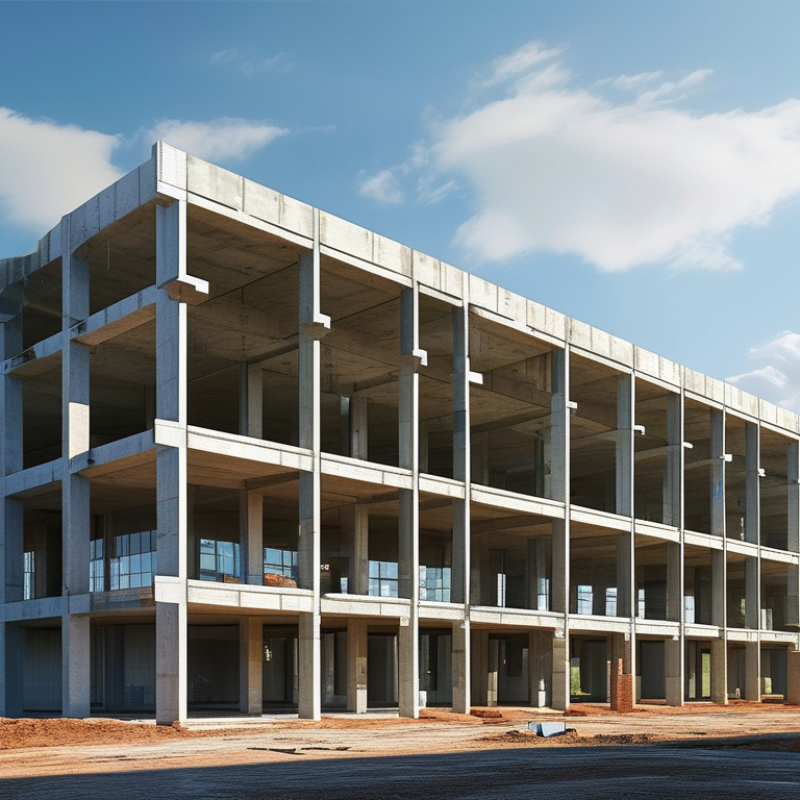
Pre-engineered buildings (PEBs) represent a forward-thinking approach to construction. These structures are designed off-site and assembled on location, offering both efficiency and versatility. A major advantage is their speed of construction. Traditional building methods can take months, while PEBs can often be assembled in weeks. This rapid deployment minimizes downtime and ensures businesses can begin operations quickly.
Another notable factor is cost-effectiveness. Pre-engineered buildings typically use fewer materials, leading to reduced waste. The design process is streamlined, which also lowers labor costs. However, one must consider whether a PEB fits the specific needs of the project. Different applications may require unique adjustments, which could complicate the initial design phase.
When considering a PEB, tips can enhance decision-making. Evaluate the site conditions thoroughly; this will influence design choices and cost-effectiveness. It's crucial to choose reliable engineers who understand local regulations and climate conditions. Finally, anticipate future needs—design flexibility is vital to accommodate potential expansions or changes. Pre-engineered buildings can meet many needs, but careful planning is essential.
This bar chart illustrates the 10 key advantages of Pre Engineered Buildings (PEBs) based on various factors.
Pre-engineered buildings (PEBs) are gaining recognition for their cost efficiency. These structures are designed and manufactured off-site, leading to significant savings. Traditional construction often involves lengthy processes that inflate expenses. In contrast, PEBs can be erected quickly, minimizing labor costs. This efficiency translates directly to the bottom line.
Consider material costs. PEBs typically use steel or aluminum, which are more economical than traditional materials. The fabrication process generates minimal waste, and this is a major advantage. Less waste means lower disposal costs and better resource utilization. However, it's important to remember that choosing the right design is essential. Overly complex designs can negate the savings achieved through prefabrication.
Tips for maximizing cost efficiency: First, engage with experienced suppliers. Their expertise can help streamline your project. Second, assess your space requirements carefully. Designing for flexibility can prevent future renovation costs. Lastly, adopt an integrated approach with contractors and designers. Collaboration can reveal potential savings early in the project. Simplifying the process can help you stay within budget while achieving your construction goals.
The construction industry faces constant pressure to reduce timelines. Pre-engineered buildings (PEBs) offer a powerful solution for this challenge. According to a report from Grand View Research, the global PEB market size is projected to reach $39.27 billion by 2027, driven largely by their speed of construction.
Utilizing pre-engineered solutions can cut build times significantly. Traditional building methods may take several months to complete a project. In contrast, PEBs can be erected in as little as a few weeks. This rapid assembly is largely due to prefabrication. Components are manufactured in a controlled environment, ensuring quality and reducing waste. Studies show that projects using PEBs can achieve time savings of 30-50% compared to conventional construction methods.
However, these advantages come with considerations. It’s crucial to evaluate design flexibility. While PEBs are efficient, they may not suit every project’s unique needs. Some clients find that the initial design limitations require adjustments later in the process. It’s vital to weigh the time savings against potential customization costs. Each choice in construction speaks to the balance between speed and tailored solutions.
| Advantage | Description | Estimated Time Savings |
|---|---|---|
| Rapid Construction | Pre engineered buildings can be assembled quickly due to pre-fabrication. | 30% faster than traditional methods |
| Cost Efficiency | Lower material costs and reduced construction time lead to overall savings. | Up to 20% cost savings |
| Design Flexibility | Easily customizable to meet specific requirements. | Variable based on customization |
| Durability | Built to withstand harsh weather conditions and other environmental factors. | Longer lifespan reduces replacement time |
| Sustainability | Uses materials that can be recycled and incorporates energy-efficient designs. | Less waste generation |
| Minimal Site Disruption | Quick setup reduces disturbance to the surrounding environment. | Reduces labor time on site |
| Reduced Labor Costs | Less manpower required due to pre-fabrication. | Up to 15% less labor needed |
| Improved Safety | Fewer on-site workers lead to lower accident rates during construction. | Lower risk during construction |
| Predictable Timelines | Standardized processes allow for accurate project timelines. | Accurate to within a few weeks |
| Aesthetic Value | Modern designs can enhance the visual appeal of structures. | Varies based on design choices |
Designing a pre-engineered building offers unmatched flexibility. Clients can choose different layouts, materials, and finishes. This adaptability allows for tailored solutions that meet specific project requirements. Whether it's for a warehouse, retail space, or industrial facility, customization enhances functionality and aesthetics.
Tips: Consider the location and purpose of your building. Understand your space needs. This clarity will guide your design choices effectively.
Another critical aspect of customization is energy efficiency. Pre-engineered buildings can incorporate sustainable materials and energy-efficient systems. This not only reduces long-term costs but also aligns with environmental goals. Custom options can include insulation types, window placements, and roofing solutions, ensuring optimal performance.
Tips: Engage with design professionals early in the planning process. Their expertise can highlight important factors, which might be overlooked initially.
Ultimately, the flexibility of pre-engineered buildings fosters innovation. Clients can experiment with various designs, embracing unique architectural elements. Be prepared to iterate on your ideas. Sometimes the best solutions emerge from trial and error.
Pre-engineered buildings (PEBs) offer significant sustainability benefits. These structures are often fabricated using steel or other materials that are recyclable. According to the U.S. Green Building Council, buildings account for about 39% of carbon emissions in the U.S. Using eco-friendly materials in construction can help reduce this impact significantly. PEBs can also be designed for energy efficiency, reducing the need for artificial heating and cooling. Reports indicate that energy savings can be as high as 50% compared to traditional construction methods.
The construction of PEBs typically generates less waste than conventional methods. Since components are manufactured off-site, it minimizes excess material usage. A study by the National Institute of Standards and Technology suggests that industrialized building systems can reduce waste by up to 30%. Moreover, PEBs offer faster construction times, which can lead to fewer disruptions to the surrounding environment.
Water conservation is another advantage. Many PEB designs incorporate rainwater harvesting systems, allowing for effective water management. This can lead to decreased reliance on municipal water systems. However, it’s essential to assess regional regulations regarding water runoff to avoid potential compliance issues. Overall, pre-engineered buildings address many sustainability concerns, though careful planning is necessary to maximize their benefits.
: PEBs are structures made from prefabricated components, allowing for rapid construction and efficiency.
PEBs can reduce build times by 30-50% compared to traditional methods.
PEBs often use steel and recyclable materials, promoting sustainability.
PEBs generate less waste and can reduce carbon emissions from construction.
While PEBs are efficient, they may have design limitations that require adjustments.
They can be designed for energy efficiency, reducing reliance on heating and cooling systems.
Initial design limitations might lead to additional costs for customization later.
Yes, many PEBs include rainwater harvesting systems for better water management.
Yes, regional regulations, especially around water runoff, must be considered.
Yes, PEBs can be erected in a few weeks, making them significantly faster.
Pre-engineered buildings (PEBs) have gained popularity due to various advantages they offer, making them a preferred choice for many construction projects. What are the advantages of pre-engineered buildings? First and foremost, cost efficiency is a significant benefit, as PEBs reduce material waste and labor costs, ultimately leading to substantial savings. Additionally, these structures accelerate the construction process, allowing businesses to be operational in a shorter time frame.
Moreover, design flexibility is another key advantage, enabling customization to meet specific client needs while maintaining structural integrity. Lastly, PEBs support sustainability initiatives through the use of energy-efficient materials and designs, contributing to eco-friendly construction practices. In summary, the benefits of pre-engineered buildings, including cost savings, time efficiency, design versatility, and environmental sustainability, make them a compelling option for modern construction needs.

Dhingia Build