As businesses and contractors explore efficient construction options, the question arises: how much do pre engineered metal buildings cost? According to industry expert Mark Thompson, "Pre-engineered metal buildings offer a cost-effective solution for various applications." His insights are supported by the 2023 Metal Building Systems Report, which indicates that cost-per-square-foot averages around $20 to $40, varying by scope and design complexity.
Factors influencing these costs include material types, insulation requirements, and structural design. Organizations like the Metal Building Manufacturers Association emphasize the importance of tailored designs for optimal budget management. While many entrepreneurs are drawn to the affordability, it’s essential to recognize that initial costs may not capture long-term value. Maintenance and energy efficiency are also critical considerations.
Ultimately, understanding how much do pre engineered metal buildings cost requires careful planning. Each project demands a unique approach that reflects specific needs and site conditions. By engaging in thorough research and consulting industry experts, businesses can navigate potential pitfalls and achieve successful outcomes.
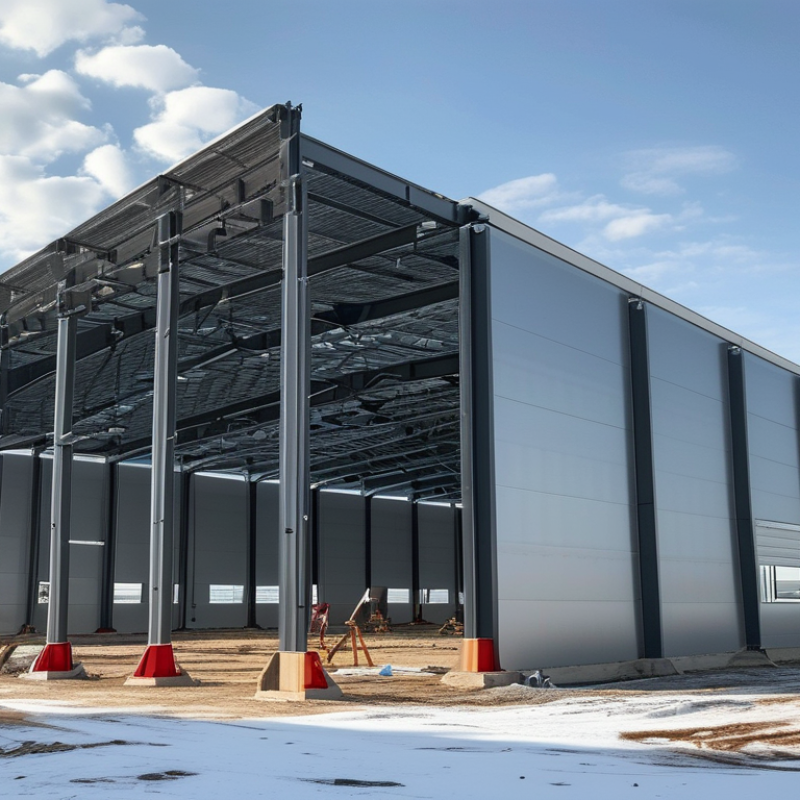
Pre-engineered metal buildings have gained popularity due to their flexibility and durability. These structures are manufactured off-site, which reduces construction time. They can be customized to fit various needs, from warehouses to workshops. The efficiency in design minimizes waste, making them an environmentally friendly choice.
One major benefit is their cost-effectiveness. Materials used are often lower in price than traditional construction. Additionally, shorter assembly times lead to lower labor costs. However, it’s important to consider the potential for hidden costs during installation. Proper planning and site preparation can mitigate these unexpected expenses.
Another advantage is their architectural versatility. Pre-engineered buildings can accommodate unique layouts and designs. This adaptability can be both a blessing and a challenge. Balancing aesthetics and functionality requires careful thought. Overall, pre-engineered metal buildings provide a reliable solution for various construction projects.
When considering the cost of pre-engineered metal buildings (PEMB), several key factors come into play. One significant factor is the size of the building. A larger structure typically costs more due to increased material and labor requirements. Reports indicate that prices can range from $15 to $30 per square foot, depending on the design and specifications. This variability highlights the importance of custom planning in project budgets.
Another critical factor is the complexity of the design. Simple, straightforward buildings are often less expensive than those with intricate designs or specialized features. Data shows that a basic structure can be completed faster and at a lower cost, while adding features like insulation or large windows may significantly increase expenses. It's essential to engage with experienced professionals who can help navigate these complexities, ensuring that decisions align with budget constraints.
Labor costs also play a crucial role. According to industry reports, the average labor cost for erection ranges from 25% to 40% of the total project cost. This factor can fluctuate based on location and availability of skilled workers. In areas with labor shortages, expenses can rise unexpectedly, adding to overall construction costs. Understanding these variables can lead to more accurate budgeting and project planning for prospective building owners.
When considering the costs of pre-engineered metal buildings in 2026, a detailed breakdown is essential. The primary components of expense include materials, labor, and additional charges. Metal structures often use steel, which can vary in price based on current market conditions. A common misconception is that all metal buildings are the same in cost. In reality, selections like gauge and type of steel significantly affect pricing. Some may overlook the importance of quality materials, which directly influences durability and maintenance costs.
Labor costs play a crucial role in the overall budget. Rates depend on the local market and the complexity of the installation. Skilled labor is often more expensive, yet choosing less experienced workers may lead to costly errors. It’s essential to weigh the implications of hiring inexperienced help. Additional expenses may include permits, site preparation, and finishing work. These costs can accumulate quickly, and many builders fail to account for them upfront. Planning for unforeseen expenses is vital for a successful project. Ultimately, understanding the financial layout can prevent overspending and ensure a smoother construction process.
| Cost Breakdown Item | Estimated Cost ($) |
|---|---|
| Materials (Steel, Insulation, etc.) | $15,000 - $30,000 |
| Labor Costs | $7,000 - $15,000 |
| Foundation Costs | $5,000 - $10,000 |
| Permits and Fees | $1,000 - $3,000 |
| Interior Finishing | $3,000 - $10,000 |
| Utilities Installation | $2,000 - $5,000 |
| Contingency (10% of Total) | Varies |
When considering pre-engineered metal buildings, understanding pricing is crucial. A comparative analysis reveals significant variations across manufacturers. Factors like materials, design complexity, and location impact costs. Basic structures tend to be more affordable. Custom features increase expenses. It's essential to compare quotes carefully.
Some manufacturers might offer lower prices, but hidden costs could arise. Installation fees, warranty options, and additional accessories often add to the total. Exploring multiple manufacturers helps uncover potential savings. Details matter; even slight differences in specifications can lead to varied pricing.
Gathering estimates from numerous sources allows for informed decisions. Look beyond the initial cost. Evaluate the reputation of the manufacturer. Quality should align with your budget constraints. While some companies offer competitive pricing, others may prioritize durability and service. Both aspects shape the overall value.
The pre-engineered metal buildings industry is evolving rapidly. Future trends suggest that pricing will be influenced by various factors, including material costs and technological advancements. According to industry reports, the average cost of these buildings could increase by 3-5% annually due to inflation and demand fluctuations. In 2023, the average price per square foot hovered around $15, but projections indicate a rise to approximately $17 by 2026.
Sustainability is becoming a key driver. Eco-friendly materials may carry a premium but can reduce long-term costs. Reports suggest that buildings designed with energy efficiency in mind can pay back the initial investments within five to seven years. This trend aligns with the growing consumer preference for sustainable options, which is expected to shape pricing strategies significantly.
Tips: When planning your project, factor in future costs. Always get multiple quotes. Look for contractors who prioritize sustainability without sacrificing quality. Remember, the cheapest option isn't always the best in the long run. Investing wisely will yield better returns.
: The size, design complexity, and labor costs are primary factors influencing the total cost.
Larger buildings generally cost more, requiring more materials and labor. Prices vary from $15 to $30 per square foot.
Simple designs are cheaper and faster to build. Complex features can significantly increase expenses.
Labor costs usually account for 25% to 40% of the total project cost, depending on location and worker availability.
The type and gauge of steel affect pricing. High-quality materials can enhance durability but may raise costs.
Consider permits, site preparation, and finishing work. These costs can add up and should be included in the budget.
Hiring less experienced workers may seem cheaper, but it can lead to costly mistakes in the project.
Planning for unforeseen expenses and understanding the complete cost structure can help manage the budget better.
Many believe all metal buildings share the same pricing, but costs vary based on materials and design specifics.
Experienced professionals assist in navigating complexities to align decisions with budget constraints effectively.
In the 2026 Top Pre Engineered Metal Buildings Cost Guide, we explore the many benefits of pre engineered metal buildings, including speed of construction, durability, and versatility. The cost of these structures can vary significantly based on several factors, such as design complexity, location, and the specific materials and labor involved. A detailed cost breakdown reveals that expenses can be categorized into materials, labor, and additional costs, giving prospective buyers a clear understanding of how much do pre engineered metal buildings cost.
Additionally, the guide includes a comparative analysis of pricing across different manufacturers to help buyers make informed decisions. As the industry evolves, the guide also highlights future trends that may influence pricing, ensuring readers are well-equipped to navigate the market and determine the best options for their construction needs.

Dhingia Build